
Latest News
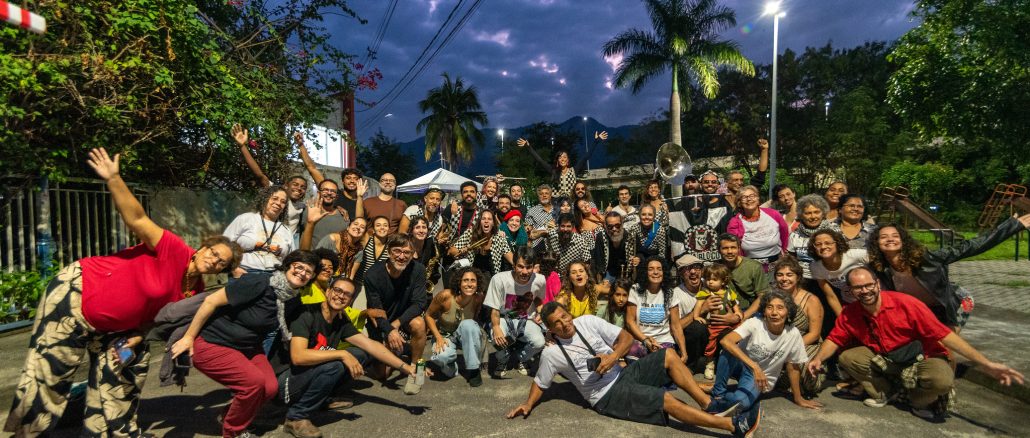
- [ June 1, 2026 ] Visiting Rio Before July 30th? Don’t Miss ‘Favela Climate Memory’ Exhibition at the Favela Museum Overlooking Ipanema: ‘We Learned to Survive So We Can Tell Others How’ by Community Contributors
- [ May 31, 2026 ] Rio de Janeiro Evictions Museum Celebrates Ten Years of Art, Memory and Resistance Since the Olympic Games #LegacyWatch
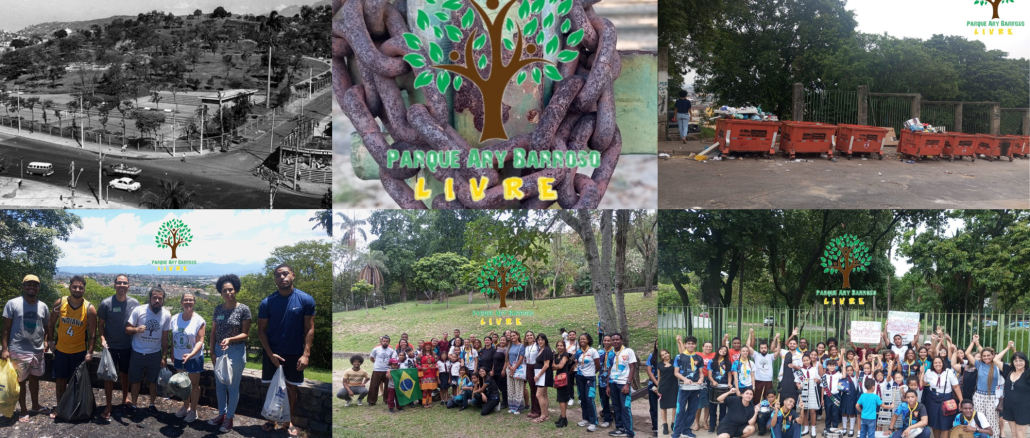
- [ May 31, 2026 ] Critical Urban Park in Rio de Janeiro’s North Zone Is at Risk of Disappearing After Decades of Government Neglect *Highlight
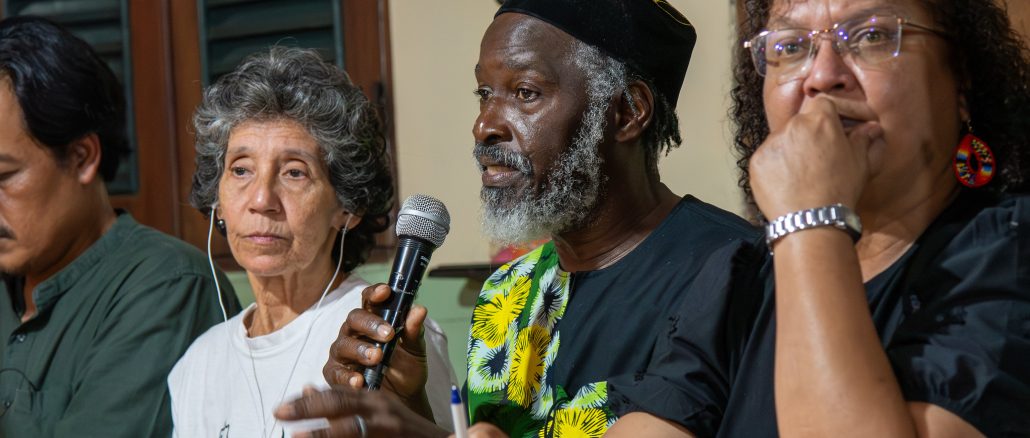
- [ May 27, 2026 ] ‘We Belong to the Land’: An Interview With John Mussington on the Urgency of Learning from Barbuda’s Communal Land System [VIDEO] #GentrificationWatch
- [ May 25, 2026 ] As the World Cup Kicks Off Across North America, Communities in Host Cities Are Pushing Back Against Rising Rents—With a Tool Born in the Civil Rights Movement [RELEASE] #GentrificationWatch
-
-
 *Highlight
 -
 #GentrificationWatch
 -
 #GentrificationWatch
 -
 #GentrificationWatch
Latest Articles
by Community Contributors
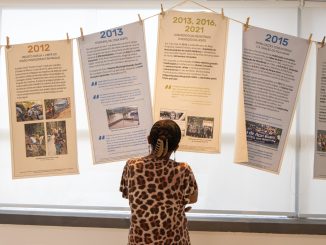
Visiting Rio Before July 30th? Don’t Miss ‘Favela Climate Memory’ Exhibition at the Favela Museum Overlooking Ipanema: ‘We Learned to Survive So We Can Tell Others How’
Clique aqui para Português The ‘Favela Climate Memory’ exhibition returned to the Favela Museum (MUF) during Brazil’s 24th Annual National Museum Week, now presented in its complete form. Organized by eleven museums and memory project […]
#LegacyWatch
Rio de Janeiro Evictions Museum Celebrates Ten Years of Art, Memory and Resistance Since the Olympic Games
Clique aqui para Português This article is part of our series reflecting on the impacts of mega-events on Rio de Janeiro 10 years after the 2016 Olympic Games. This Museum Month, Vila Autódromo marked ten years […]
*Highlight
Critical Urban Park in Rio de Janeiro’s North Zone Is at Risk of Disappearing After Decades of Government Neglect
Clique aqui para Português This article is part of a series created in partnership with the Behner Stiefel Center for Brazilian Studies at San Diego State University, to produce articles for the Digital Brazil Project on environmental justice in the favelas […]
#GentrificationWatch
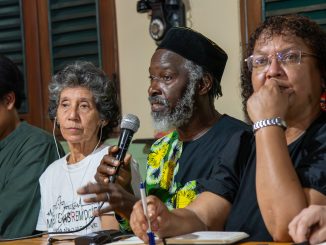
‘We Belong to the Land’: An Interview With John Mussington on the Urgency of Learning from Barbuda’s Communal Land System [VIDEO]
By Marj Osagie • May 27, 2026
In April 2026, Barbudan environmentalist, community leader and activist John Mussington visited Rio de Janeiro for the 2026 Global Community Land Trust Peer Exchange organized by Brazil’s Favela Community Land Trust Project,* invited to […]
#GentrificationWatch
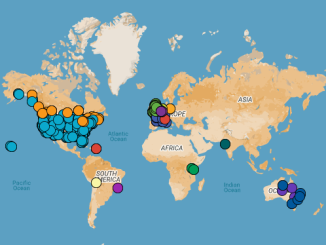
As the World Cup Kicks Off Across North America, Communities in Host Cities Are Pushing Back Against Rising Rents—With a Tool Born in the Civil Rights Movement [RELEASE]
By International Center for Community Land Trusts • May 25, 2026
This article is part of our series reflecting on the impacts of mega-events on Rio de Janeiro 10 years after the 2016 Olympic Games, republished with permission and in collaboration with the International Center for Community […]
#GentrificationWatch
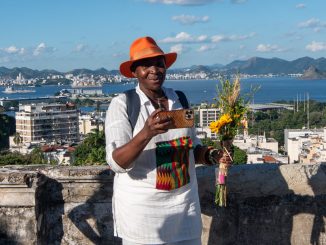
‘We Cannot Allow Cities To Be Emptied of Their True Citizens’: Princess Abze Djigma of Burkina Faso Visits Rio’s Cândido Mendes Mansion
Clique aqui para Português Residents of the Cândido Mendes Mansion in Santa Teresa, a neighborhood in central Rio de Janeiro, received a distinguished visitor on May 7, Her Royal Highness Princess Abze Djigma of Burkina […]
*Highlight
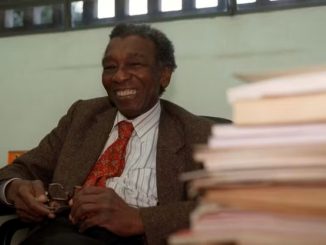
Complex and Intelligent, the Favela Has Its Own Geography
Clique aqui para Português For the original article by Preto Zezé published in O Globo, click here. In the year Milton Santos would have turned 100, perhaps the best tribute to the Bahian geographer is not […]
#EvictionsWatch
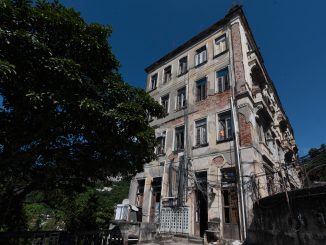
‘This Is Where My Life Began:’ Residents of Santa Teresa Occupation Claim Right to Stay in Talks With Federal Heritage Secretariat
Clique aqui para Português Residents of the Cândido Mendes Mansion in Santa Teresa, a neighborhood in central Rio de Janeiro, are at imminent risk of repossession proceedings leading to eviction after a construction project contracted […]
#LegacyWatch
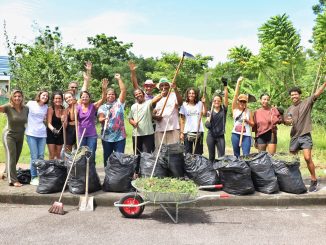
10 Years After Rio’s Most Notorious Pre-Olympic Forced Eviction, Women-Led Collective Action Preserves the Memory of Vila Autódromo
Clique aqui para Português This article is part of our series reflecting on the impacts of mega-events on Rio de Janeiro 10 years after the 2016 Olympic Games. Ten years after the end of the […]
Favela Voices from Social Media
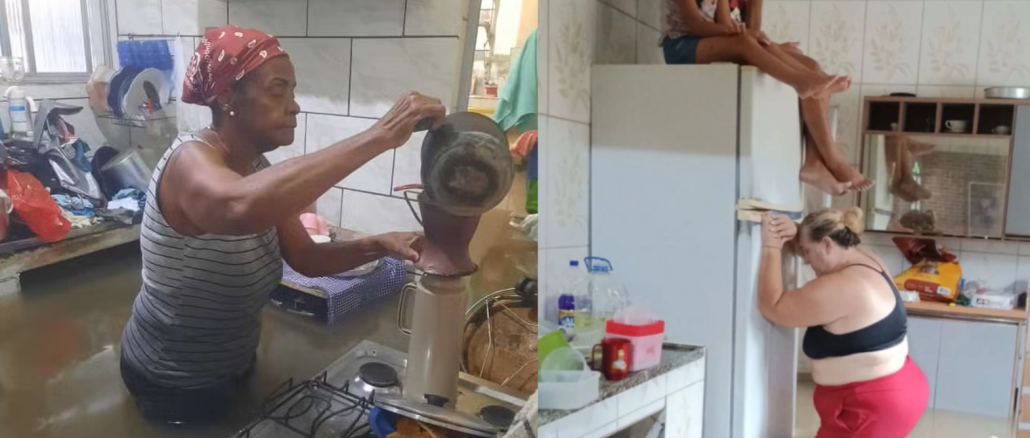
Violent Rains Ravage Rio de Janeiro’s Favelas—Causing Floods and Landslides Ahead of Carnival—Show #VoicesFromSocialMedia
-
A Massacre! Rio de Janeiro’s Deadliest Police Operation Sparks Mourning, Fear and Outrage in the Favelas, Across the City, Brazil and Around the World Say #VoicesFromSocialMedia
-
‘I Was Up All Night, Like Every Summer’: Storm Deepens Climate Anxiety and Sparks Outrage Among Favela Residents Across Greater Rio de Janeiro, Say #VoicesFromSocialMedia
-
Brazil on Fire—From Forests to Cities, Including Rio de Janeiro: A 104% Dry Season Surge in Fires Since 2023 Marks a Clear Climate Crisis Tipping Point Say #VoicesFromSocialMedia
-
Rain Becomes Synonymous With Fear Amid Absence of Climate Action, Say #VoicesFromSocialMedia
Videos: Favelas 101
What is a Favela?
Favela as a Sustainable Model
What is a Favela Community Land Trust?
Videos: Human Rights
Rio de Janeiro Street Vendors’ Battle for Rights: My Informal Work Matters
Just One More Step on My Journey: Youth Talk About the Favela During the Pandemic
Quilombo dos Palmares: Living Resistance
Videos: Climate Justice
Favela on Outskirts of Rio Gets Solar! Grassroots Women’s Group & SFN Launch Photovoltaics
Favela Climate Memory Circles 2023—Voices from Maré, Rocinha, Antares, PPG and Vidigal
Get to Know the Course: ‘Researching and Monitoring Water and Energy Justice in the Favelas’
Climate Justice
by Community Contributors
Visiting Rio Before July 30th? Don’t Miss ‘Favela Climate Memory’ Exhibition at the Favela Museum Overlooking Ipanema: ‘We Learned to Survive So We Can Tell Others How’
Clique aqui para Português The ‘Favela Climate Memory’ exhibition returned to the Favela Museum (MUF) during Brazil’s 24th Annual National Museum Week, now presented in its complete form. Organized by eleven museums and memory project […]
*Highlight
Critical Urban Park in Rio de Janeiro’s North Zone Is at Risk of Disappearing After Decades of Government Neglect
Clique aqui para Português This article is part of a series created in partnership with the Behner Stiefel Center for Brazilian Studies at San Diego State University, to produce articles for the Digital Brazil Project on environmental justice in the favelas […]
#LegacyWatch
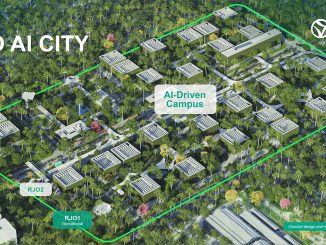
Data Centers, AI and the Social Costs for Rio de Janeiro: What Does It Mean in Practice to Become a Big Tech Hub? [EDITORIAL]
Clique aqui para Português This editorial is part of our series reflecting on the impacts of mega-events on Rio de Janeiro 10 years after the 2016 Olympic Games. Rio de Janeiro City Hall has been […]
Housing Rights
#LegacyWatch
Rio de Janeiro Evictions Museum Celebrates Ten Years of Art, Memory and Resistance Since the Olympic Games
Clique aqui para Português This article is part of our series reflecting on the impacts of mega-events on Rio de Janeiro 10 years after the 2016 Olympic Games. This Museum Month, Vila Autódromo marked ten years […]
#GentrificationWatch
‘We Belong to the Land’: An Interview With John Mussington on the Urgency of Learning from Barbuda’s Communal Land System [VIDEO]
By Marj Osagie • May 27, 2026
In April 2026, Barbudan environmentalist, community leader and activist John Mussington visited Rio de Janeiro for the 2026 Global Community Land Trust Peer Exchange organized by Brazil’s Favela Community Land Trust Project,* invited to […]
#GentrificationWatch
As the World Cup Kicks Off Across North America, Communities in Host Cities Are Pushing Back Against Rising Rents—With a Tool Born in the Civil Rights Movement [RELEASE]
By International Center for Community Land Trusts • May 25, 2026
This article is part of our series reflecting on the impacts of mega-events on Rio de Janeiro 10 years after the 2016 Olympic Games, republished with permission and in collaboration with the International Center for Community […]
Human Rights
#GentrificationWatch
‘We Belong to the Land’: An Interview With John Mussington on the Urgency of Learning from Barbuda’s Communal Land System [VIDEO]
By Marj Osagie • May 27, 2026
In April 2026, Barbudan environmentalist, community leader and activist John Mussington visited Rio de Janeiro for the 2026 Global Community Land Trust Peer Exchange organized by Brazil’s Favela Community Land Trust Project,* invited to […]

#UPPWatch
There’s Blood in the Palmeiras Favela: The Cry for Help Police Chose Not to Hear in São Gonçalo’s Salgueiro Favela Complex
Clique aqui para Português The Palmeiras community, in Complexo do Salgueiro, a cluster of favelas in the Greater Rio municipality of São Gonçalo, became the scene of a crime that exposes the brutal face of […]
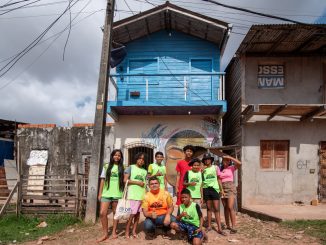
*Highlight
Youth at the Center of Climate Decisions: During COP30, Children’s Summit Highlights ‘It’s Children Who Feel It Most!’
Clique aqui para Português Youth are increasingly present at United Nations Climate Change Conferences (COPs), whether at the official event, where governmental climate negotiations take place, or in parallel spaces organized by civil society, which […]
Energy Justice
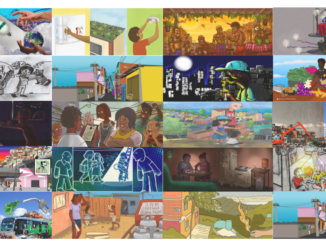
*Highlight
Understanding Energy Justice and Efficiency in Rio’s Favelas [VIDEO]
Watch the video that summarizes the Energy Justice and Efficiency Series with English subtitles here: Clique aqui para Português This article and the video above offer a summary and conclusion to the series ‘Energy […]
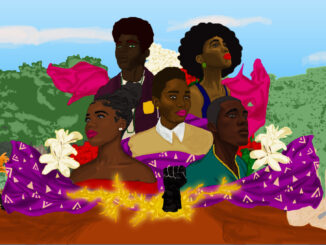
*Highlight
Pedra Branca and the Energy Dilemmas of Rio’s Urbanization: From Charcoal to Electricity
Clique aqui para Português This article is part of a series on energy justice and efficiency in Rio’s favelas. It is also the latest contribution to our year-long reporting project, “Rooting Anti-Racism in the Favelas: Deconstructing […]
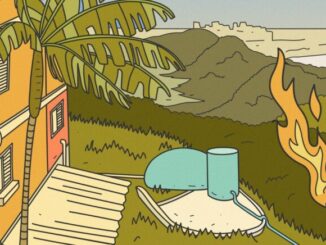
*Highlight
Energy That Comes From Waste: Biodigester Turns Sewage into Biogas in Vale Encantado Favela [VIDEO]
Clique aqui para Português This English subtitled documentary is the latest contribution to our series on energy justice and efficiency in Rio’s favelas. It is also part of a series created in partnership with […]
Podcasts

*Highlight
Between the Political Right and Left, I Choose the Quilombo! [OPINION]
Clique aqui para Português This article is the latest contribution to our award-winning reporting project, Rooting Anti-Racism in the Favelas: Deconstructing Social Narratives About Racism in Rio de Janeiro. We hear about “right” and “left” all the time. […]
*Highlight
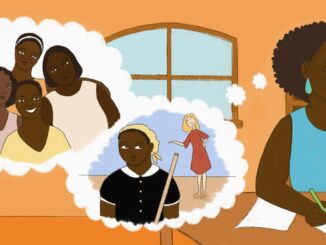
A Deeply Personal In-Depth Account of the Typical Racism of Domestic Work in Brazil
Clique aqui para Português This article is the latest contribution to our award-winning reporting project, Rooting Anti-Racism in the Favelas: Deconstructing Social Narratives About Racism in Rio de Janeiro. This story, told by writer and former domestic worker […]
*Highlight
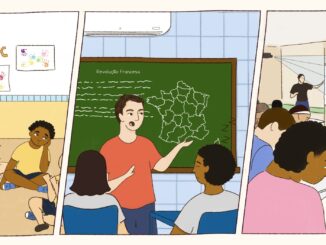
I Want To Read Black Authors: When Will We See Proper Representation in Brazilian Schools and Universities? [OPINION]
Clique aqui para Português This is our latest article in a series created in partnership with the Behner Stiefel Center for Brazilian Studies at San Diego State University, to produce articles for the Digital Brazil Project on climate impacts and affirmative action in […]
From the Archives: 2010-2026
-
 #CoronavirusWatch
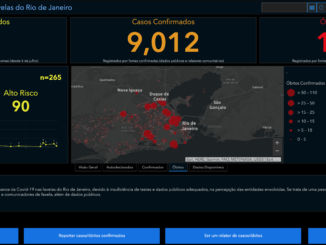
Behind Favela Coronavirus Numbers: The Extent of the Tragedy [PRESS RELEASE]
-
 #CommunityMedia
Favela Activists Share Communication Strategies to Combat Covid-19 at ‘Favela Hustle’
-
 *Highlight
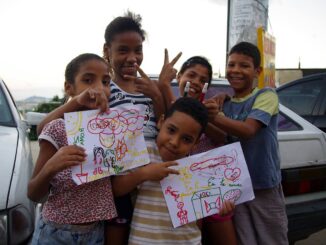
Exhibition Review: “Favela, You Make It Yourself!” Community Visions for Public Space in Alemão
-
 *Highlight
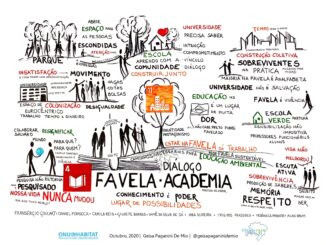
Who Does Favela Research Serve? Residents and Academics Demand Reciprocal Exchange [VIDEO]
-
 *Highlight
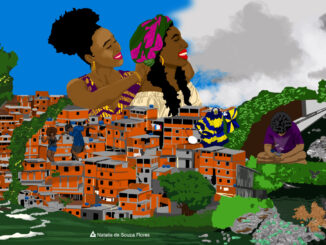
Residents’ Perceptions of a Favela River: Memory, Environmental Recovery and Community Belonging on the Banks of the Cascata River
-
 *Highlight
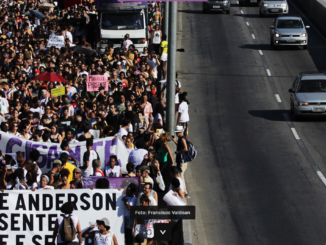
Role of Peripheries in Democracy is Focus of the Second Edition of the Peripheries Journal
-
 #EvictionsWatch
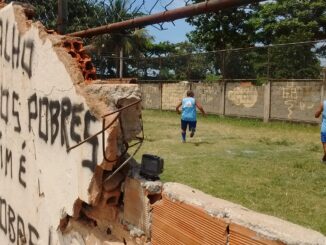
Vila Autódromo Shows Rio 2016 the True Meaning of Sport
-
 Civil Society
Cinema Club, Theater, and Passinho Enchant Cantagalo During Sustainable Festival [VIDEO]
-
 #GentrificationWatch
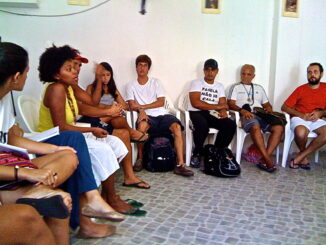
From Acari to Rocinha: A forum for community concerns at Favela Não Se Cala
-
 #GentrificationWatch
War of Places: The Colonization of Land and Housing in the Financial Era [BOOK REVIEW]