

The Santo Amaro favela is located in Rio de Janeiro’s South Zone, more specifically between the neighborhoods of Catete, Glória, and Santa Teresa. During the early hours of June 7, 2025, the community was celebrating its traditional, annual festa junina (June celebration), when what should have been a joyful moment turned into pain and outrage as police violence took the life of 24-year-old Herus Guimarães Mendes and traumatized dozens of children and other residents.
In the face of deep social inequality and the devaluation of favela lives, the fight for justice and equity remains a constant in the favela.
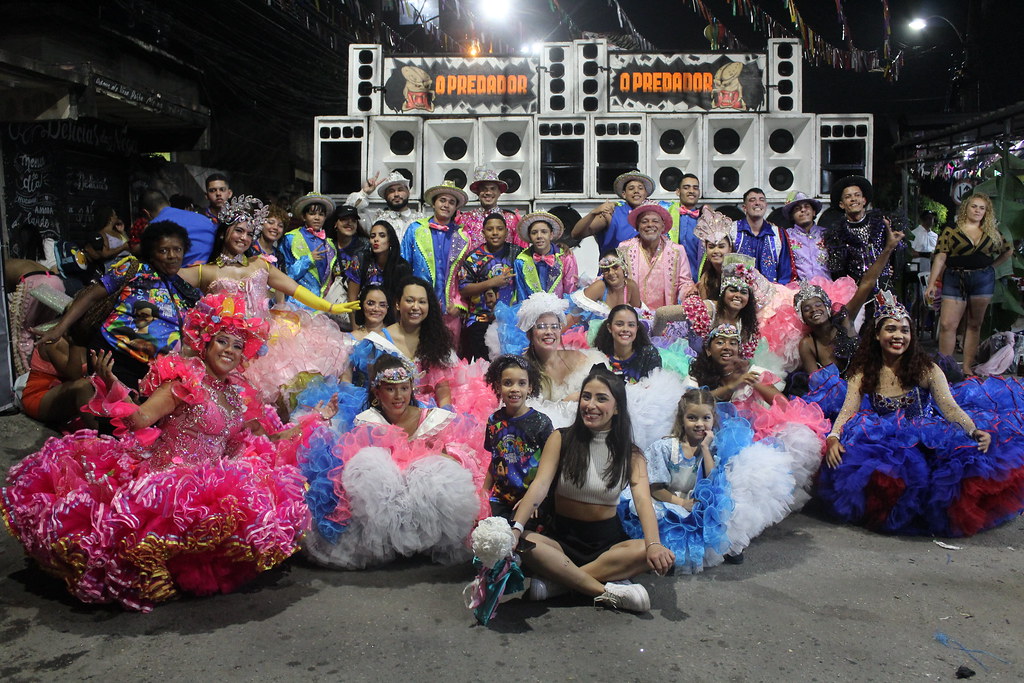
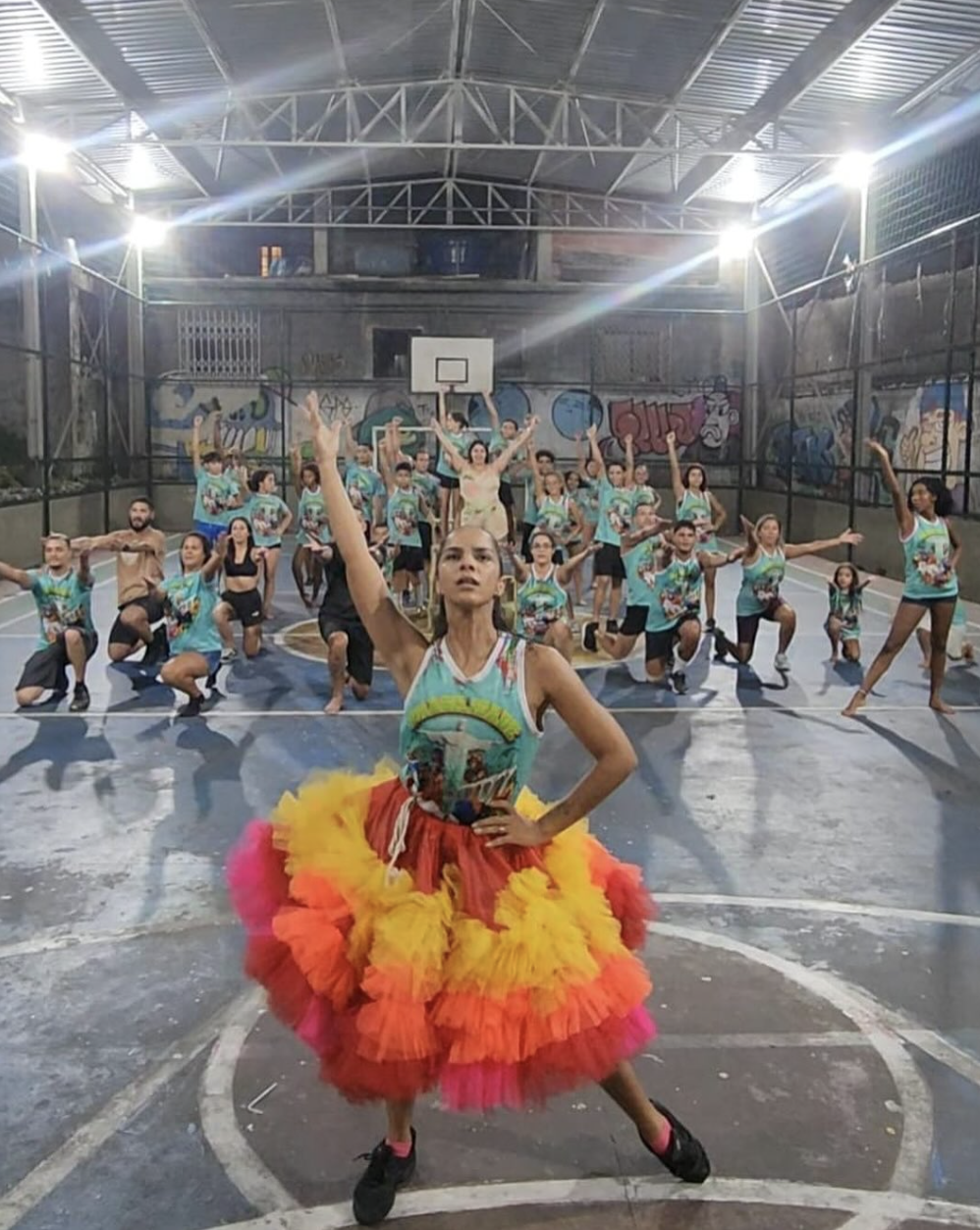
![On June 18, the Santo Amaro quadrilha junina performed in honor of Herus, a resident who was assassinated by BOPE [Special Operations Battalion] on June 7 during the community’s traditional festa junina. Photo: Junina João Danado Archive](https://rioonwatch.org/wp-content/uploads/2025/07/Quadrilha-junina-performance-in-honor-of-Herus-Guimaraes-Mendes-Photo-Archive-Junina-Joao-Danado.png "On June 18, the Santo Amaro quadrilha junina performed in honor of Herus, a resident who was assassinated by BOPE [Special Operations Battalion] on June 7 during the community’s traditional festa junina. Photo: Junina João Danado Archive")
“In light of everything that happened, we chose to go ahead with this performance—also at the request of Mônica, Herus’s mother. We thought about giving up, dismantling the group, cancelling our commitments. But that would not be fair to the community, to the group members. It would not be fair to a culture that fights to survive without any support from the State. When the State does show up, it shows up to do what it did. But we will be resistance.” — Simone Rocha
The festa junina in the Santo Amaro favela is a cultural tradition that has been around for decades. At first, the quadrilha junina did not have an official name, but after a vote, it became João Danado (“Wicked Johnny” would be a playful translation). Since the 1980s, João Danado has been a symbol of cultural resistance, passed down through generations in Santo Amaro. Created by residents, the stylized quadrilha stands out for its elaborate costumes and themes that celebrate the arts and cultures of Brazil and the world. Beyond entertainment, the group supports local businesses and creates opportunities for children and youth in the community.
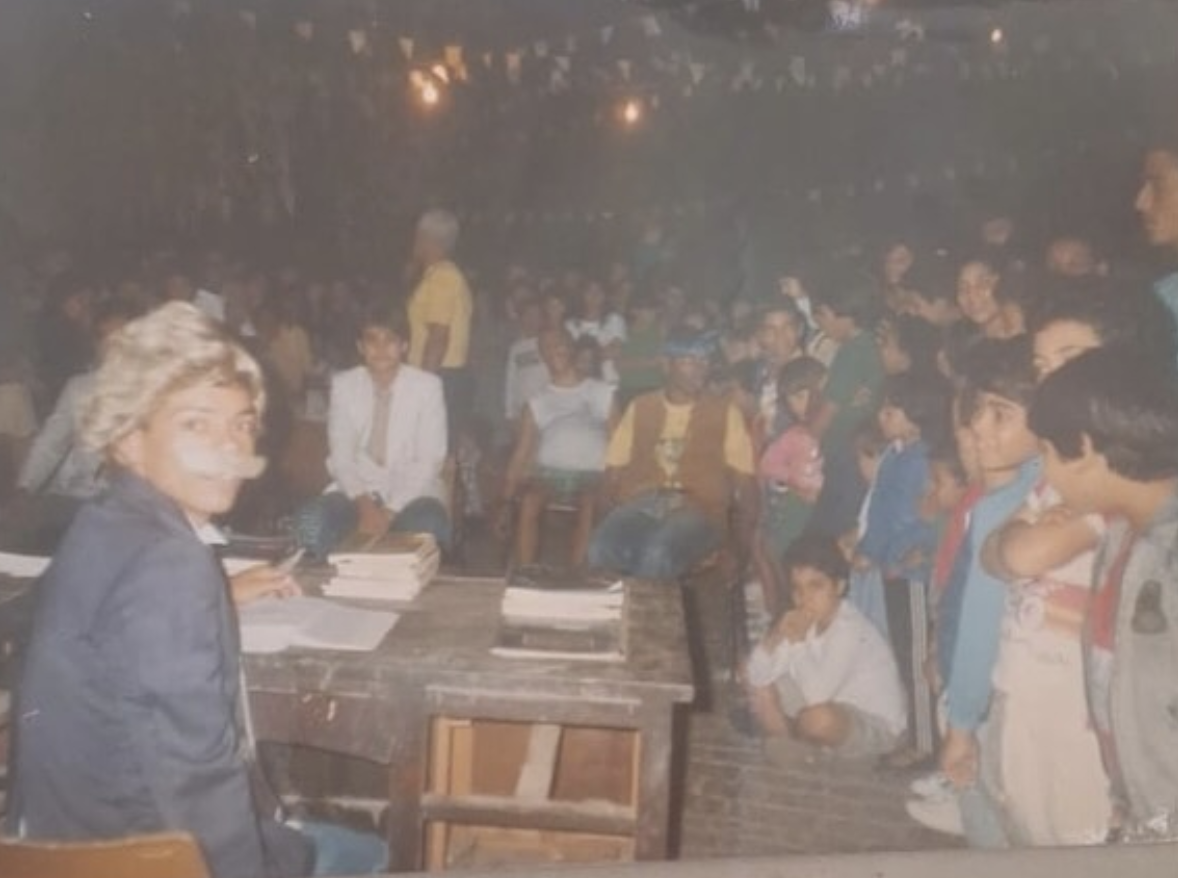
Between 1989 and 1994, couples and male dancers represented João Danado with rehearsed choreographies and well-defined steps. These early years laid the foundation for the group’s legacy, which, starting in 1994, expanded with the creation of João Danado Mirim—a version aimed at children from the community. This new branch contributed to the cultural preservation of the festivities and ensured the tradition would be passed down from generation to generation. Around the same time, the junina secured a space in the community’s field, where performances are still held today, attracting residents and visitors from across the state of Rio.
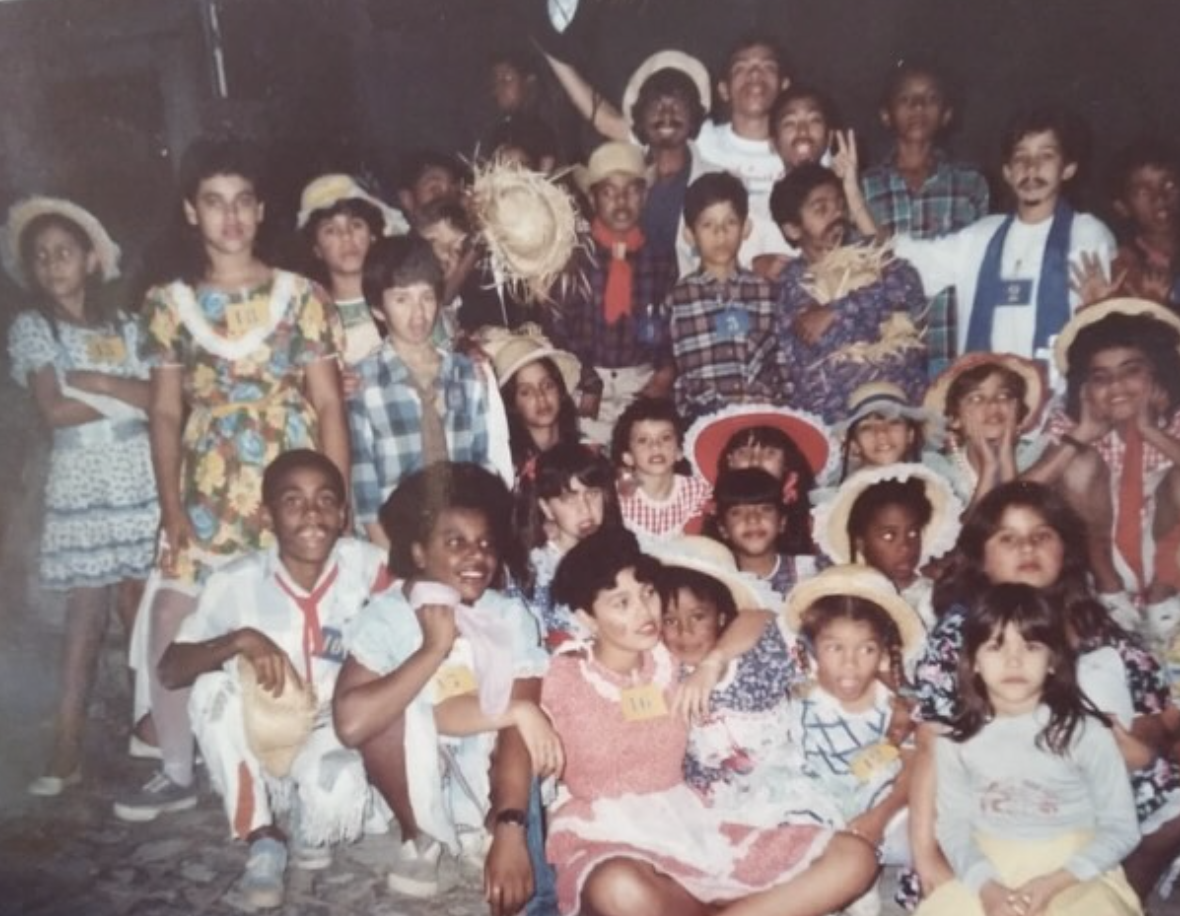
1995 was a pivotal moment, when the support network expanded, providing essential resources that opened up new possibilities for structures, costumes, and broader recognition of João Danado’s cultural value.
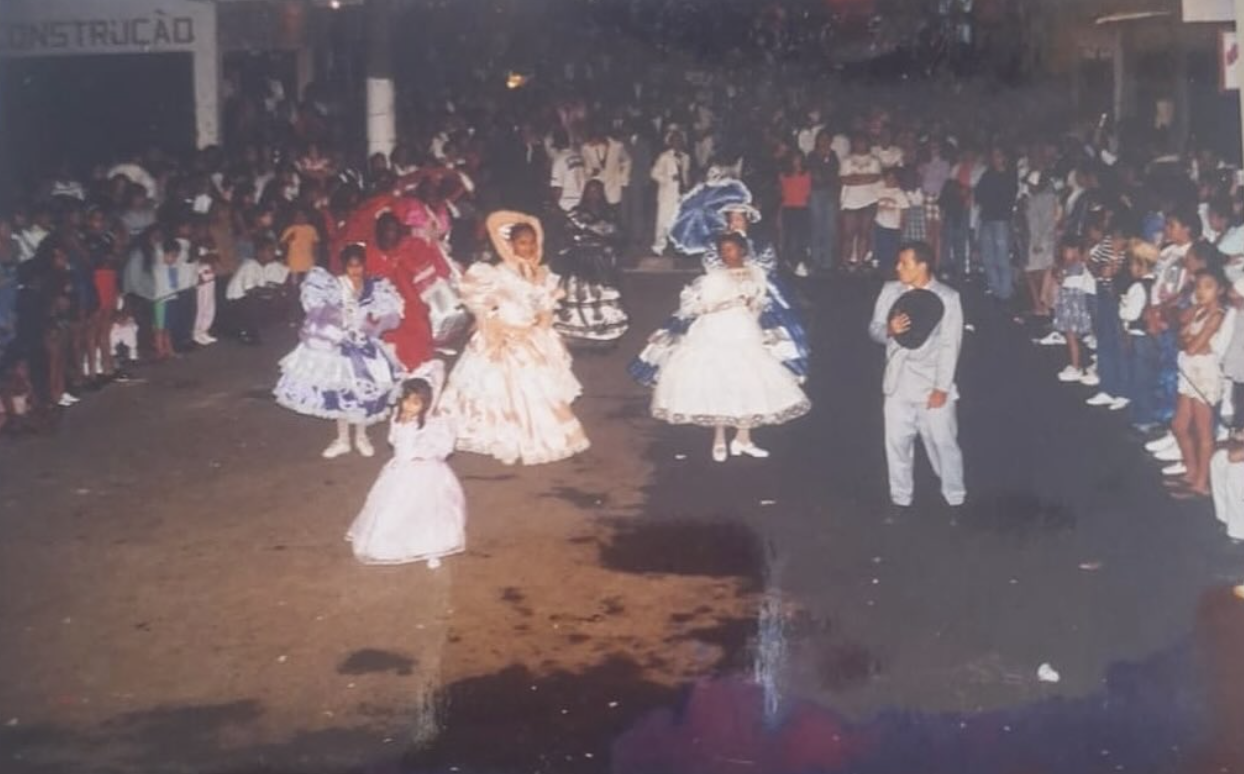
In 1998, the quadrilha had the chance to fulfill its dream of performing at the traditional and well-known Arraiá do Rio, which at the time was held at the Marquês de Sapucaí Sambadrome. It was a milestone in João Danado’s journey—the group performed “Pavão Misterioso” and won the competition.
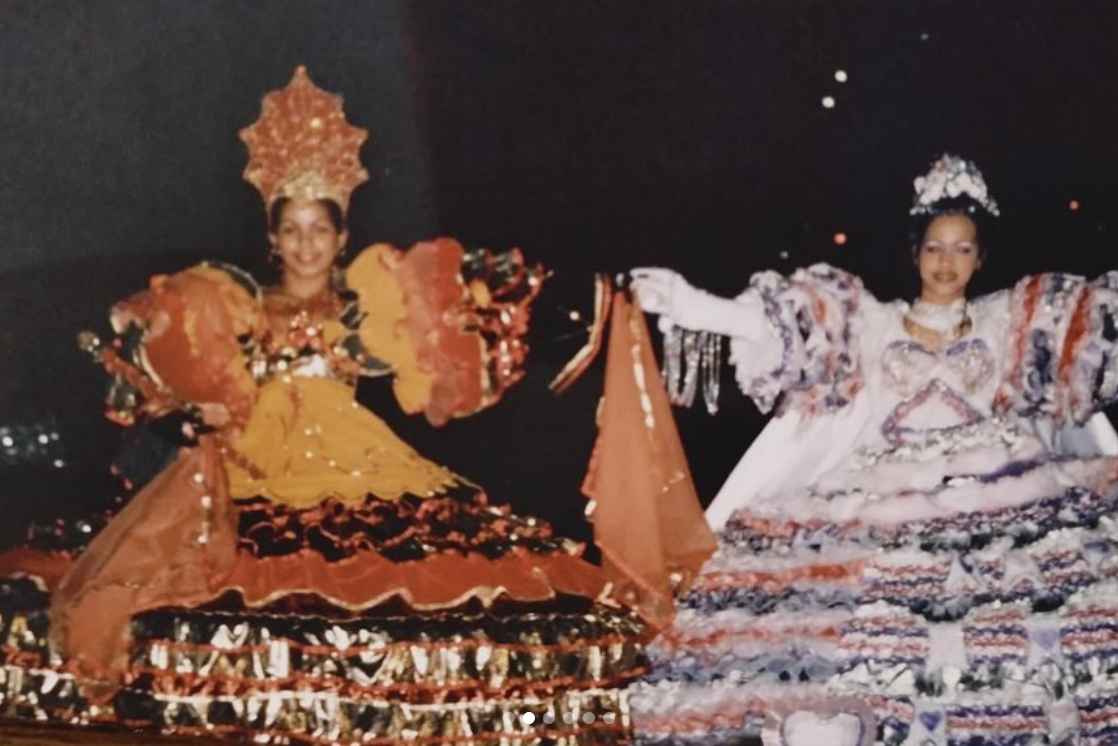
From rehearsals to performances, the community remains united in promoting junina culture both within and beyond its territory. João Danado overcomes obstacles to showcase its work at various junina events across the state of Rio de Janeiro.
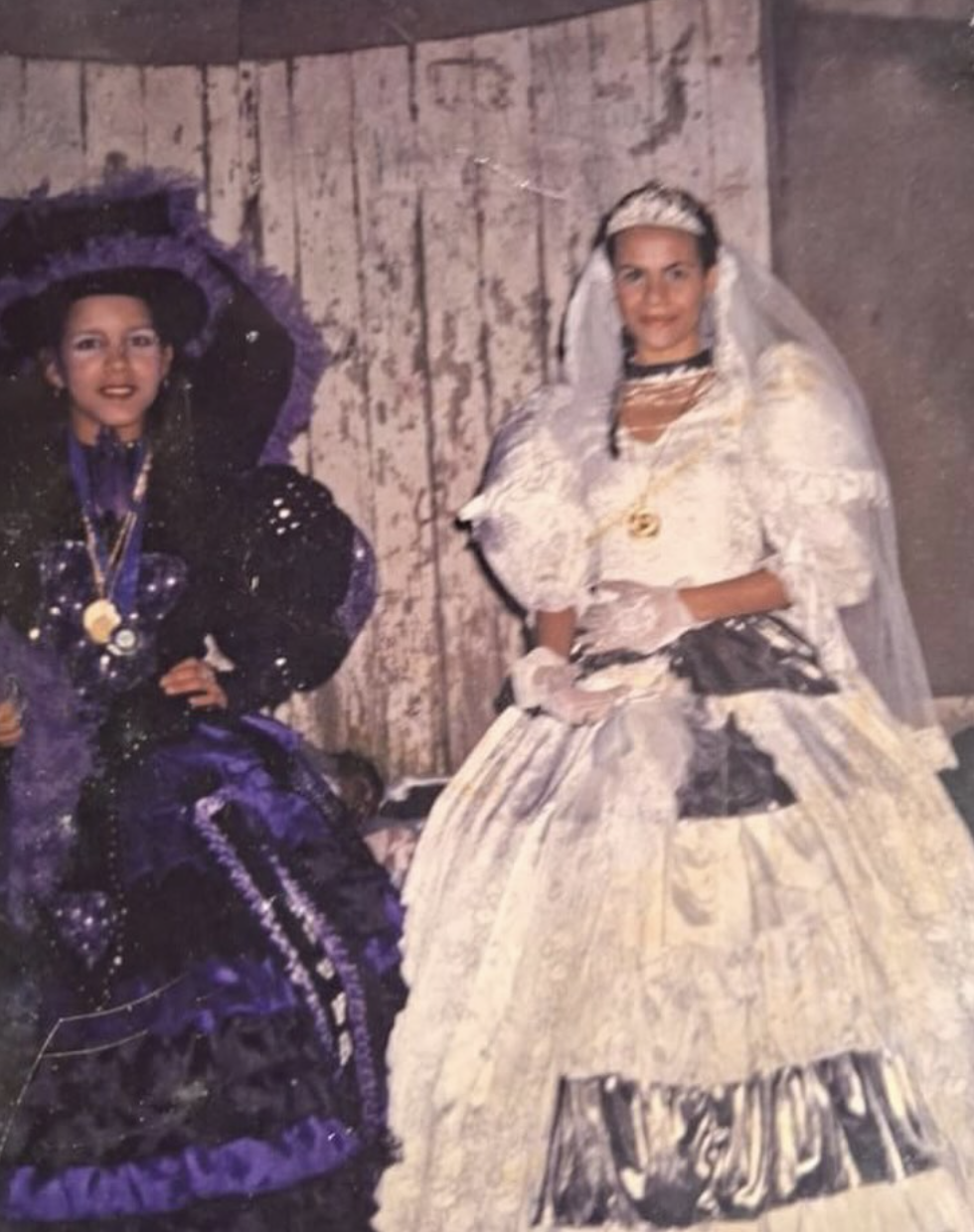
The support team plays an essential role—from offering encouragement during rehearsals to carrying costumes and helping with preparations for the performances.
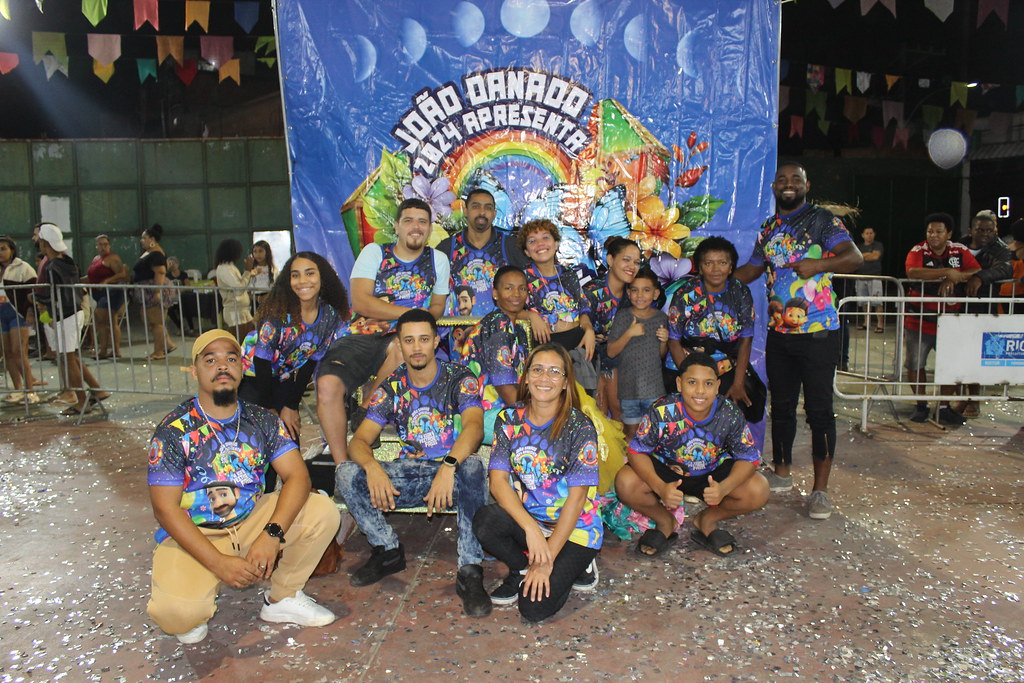
The João Danado team is made up mostly of families from Santo Amaro. It is an intergenerational tradition—mothers who danced in the 1990s now support their sons and daughters in carrying on their legacy.
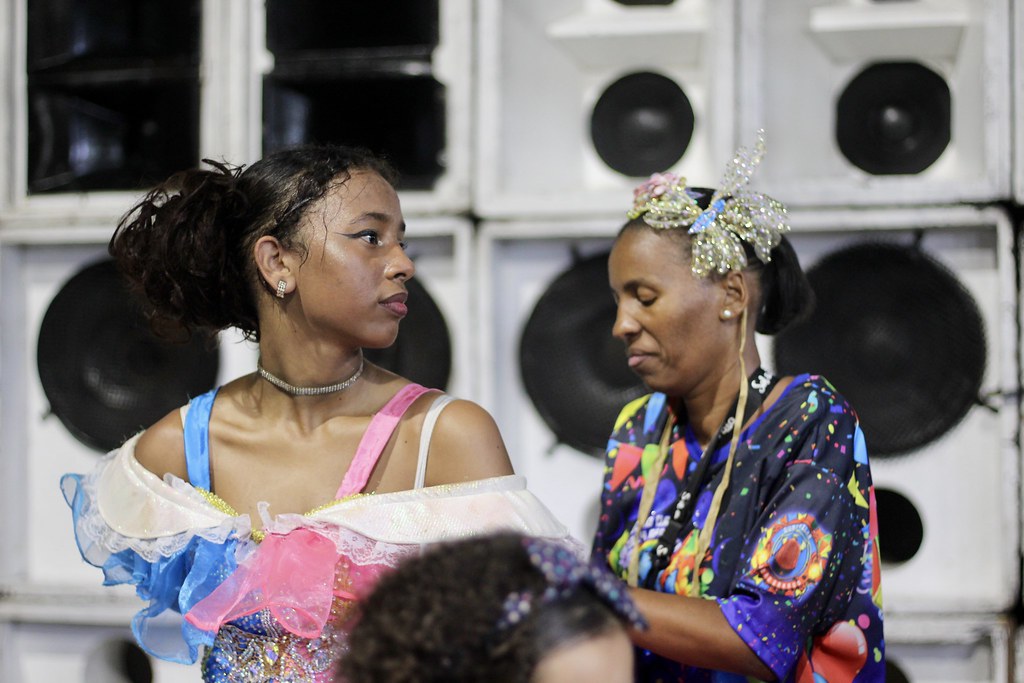
The group also attracts youth from different generations, who see dance as a form of expression and, in the João Danado quadrilha, a representation of their local culture.
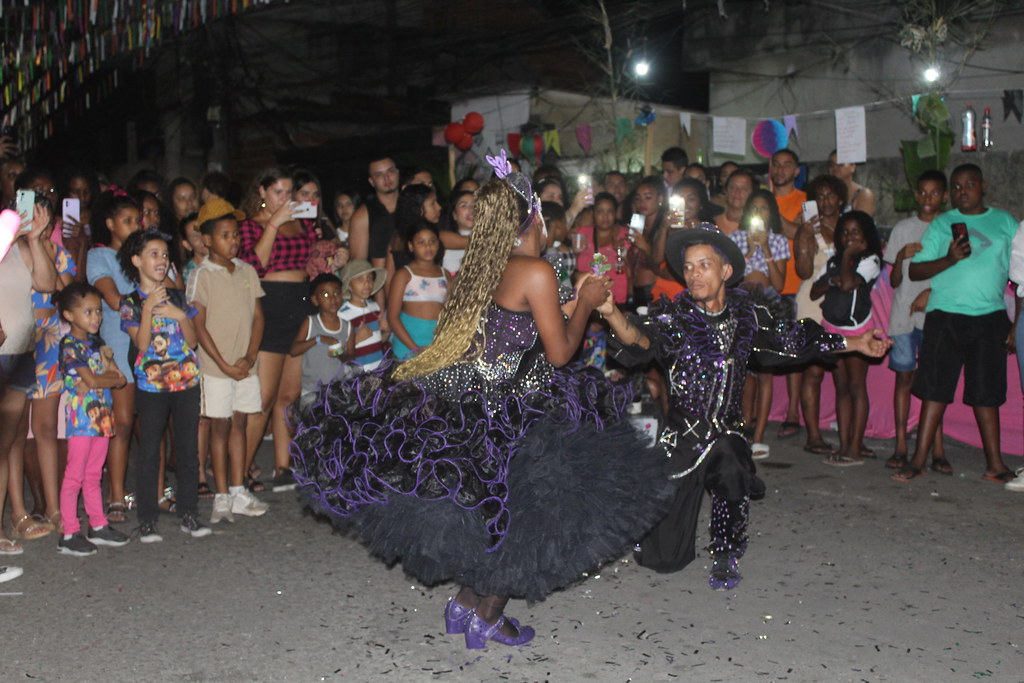
The richness of peripheral culture, often devalued, exists, resists, and persists. Today, João Danado is much more than a cultural group. It symbolizes affection, respect, care, unity, and collective resistance within popular culture. When asked what festa junina and João Danado mean to them, Santo Amaro residents responded with words like “culture,” “history,” “leisure,” and “traditional food” stood out.
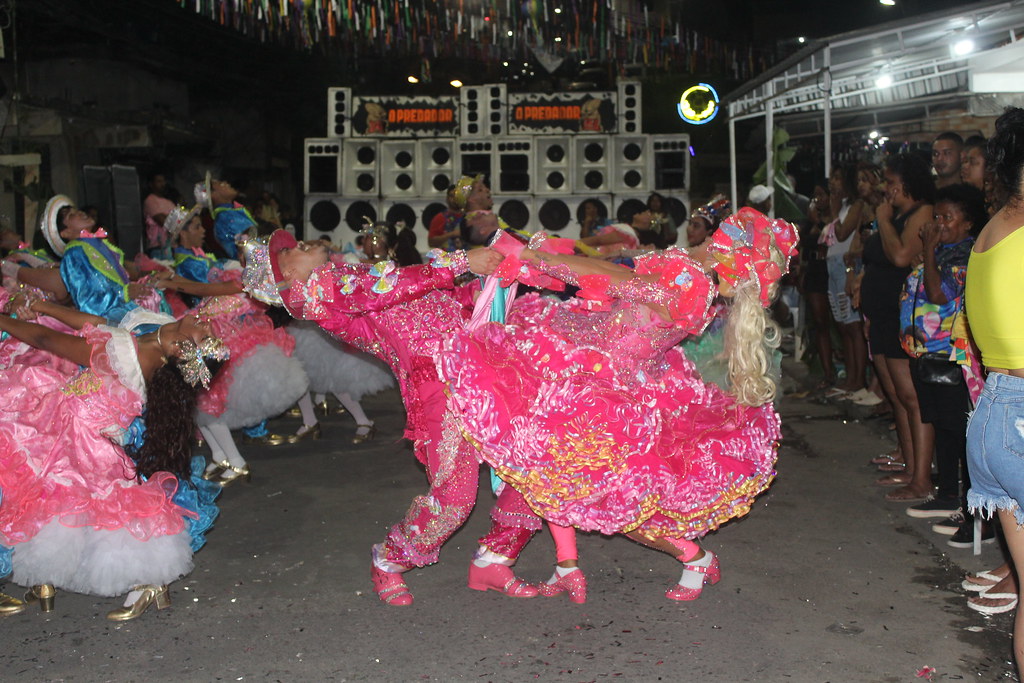
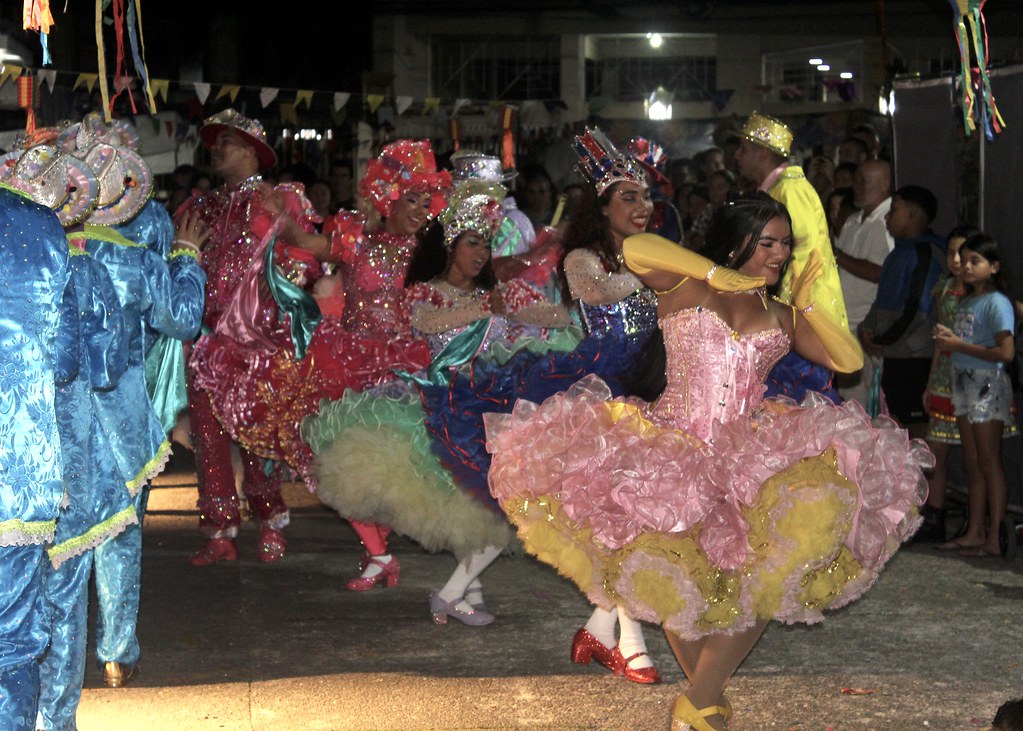
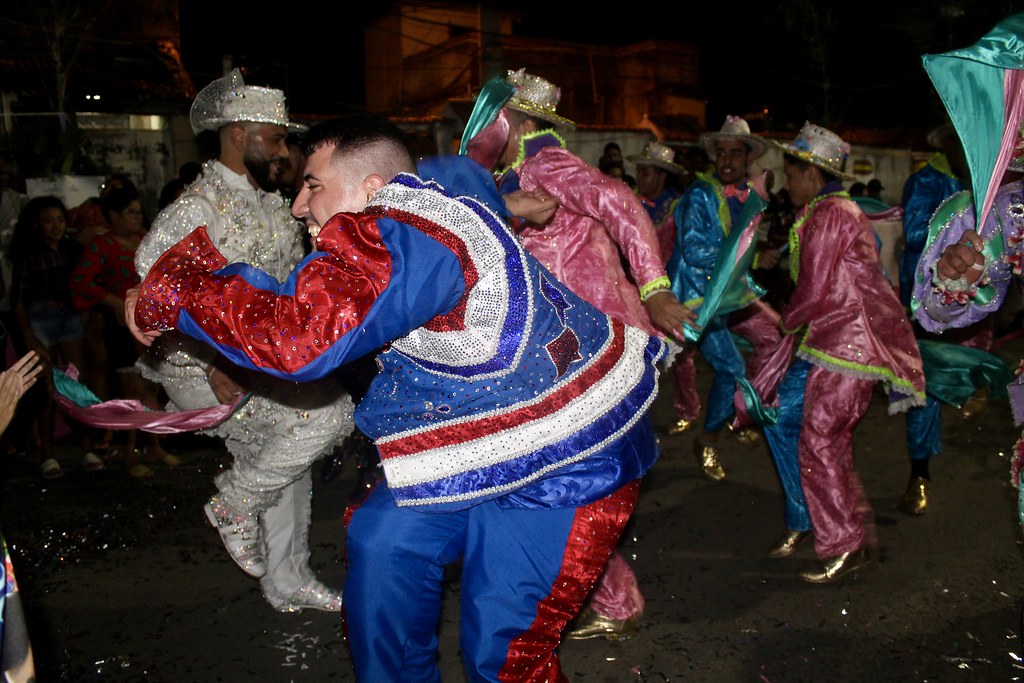
The entire artistic movement born in the favela through the quadrilha impacts residents’ daily lives throughout the year and offers younger generations positive role models.
About the author: Amanda Rocha is a journalist and cultural researcher, with experience in reporting, writing, and event production. Committed to sociocultural movements, Rocha believes in education and culture as tools for transformation. Rocha volunteers at the Love Santo Amaro Institute.
About the author: Nandara Mendes was born and raised in the Santo Amaro favela. She holds a degree in Architecture and Urban Planning from the Fluminense Federal University (UFF) and a Master’s in Urban Studies and Planning from Aalto University, Finland. Mendes is currently pursuing doctoral research in cultural anthropology at the University of Helsinki, focusing on urban regeneration through heritage-based methods. Mendes volunteers at the Love Santo Amaro Institute.