
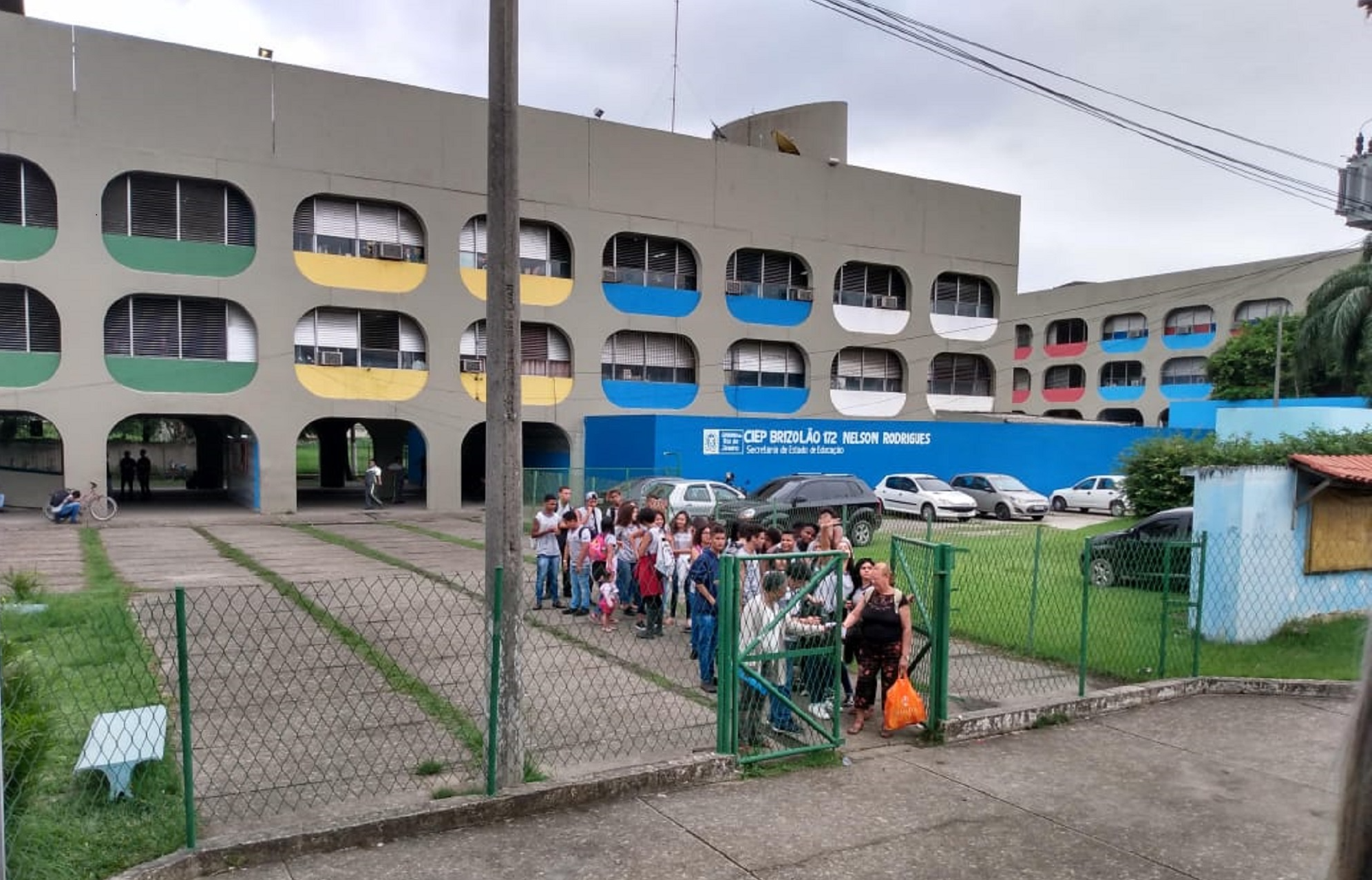

2025 marked four decades since the founding of the Integrated Centers for Public Education (CIEPs), which were created to revolutionize public education policy in the state of Rio de Janeiro. Criticized by the elite at the time for their “high cost” for offering quality full-time public education for Black, marginalized and low-income populations, CIEPs were accused of political populism. Originally conceived by Governor Leonel Brizola and educator and then vice-governor Darcy Ribeiro, with architectural design by Oscar Niemeyer, over time several CIEPs were dismantled, especially after being municipalized. Forty years after the project’s inauguration, what lessons and reflections can be drawn from their history?
Though CIEPs Impressed Governors and Presidents, the Original Project Was Stripped of Its Character
To grasp the importance of this public policy, numerous subsequent administrations—both right- and left-wing—drew inspiration from the management model of the “brizolões,” as these public education centers were known. CIEPs were even used to restore the credibility of a federal government that needed to recover from a grueling political crisis that dragged on for six months. This took place during the United Nations Conference on the Environment and Development (UNCED, also known as the Earth Summit), held in Rio de Janeiro in June 1992, which brought together representatives from 178 countries.
At the time, then president Fernando Collor de Mello—on a slippery slope that would ultimately lead to his impeachment—was visited by Governor Leonel Brizola and Darcy Ribeiro. On the agenda was the possibility of federalizing CIEPs and replicating their bold architectural design, which included a covered multi-sports court, a swimming pool and three meals served daily to students experiencing socioeconomic vulnerability.
This story has several versions. The most recent one appears in the documentary The Hunter of Marajás, which recounts the rise and fall that shaped the head of state’s brief administration. According to the film, Collor was reportedly impressed by the proposal but, as a representative of the right, could not move forward with a project of such magnitude—especially one put forward by Rio de Janeiro’s governor, who was openly aligned with left-wing politics.
In 1990, using the CIEP model as a reference, however, Collor’s government launched the federal Integrated Centers for Child and Adolescent Care (CIACs), a more “generic” version of CIEPs. The initiative sought to provide comprehensive support to primary school students experiencing socioeconomic vulnerability, including full-time elementary education, healthcare and introductory job training programs. Despite the ambitious goal of building 5,000 units nationwide, only a small number were completed. When Itamar Franco took office, the program’s name was changed to Comprehensive Child Care Centers (CAICs). Of the 5,000 originally planned, only 270 were ultimately built.
In 1995, President Fernando Henrique Cardoso suspended the construction of 178 CAIC units that had already been contracted. Cardoso argued that the CAIC program placed excessive emphasis on large-scale infrastructure and was grounded in a welfare-based model. He maintained that the construction cost of each unit was high—around R$2.5 million at the time—and that the focus should instead be on “funding, staffing and training” education professionals rather than on erecting buildings.
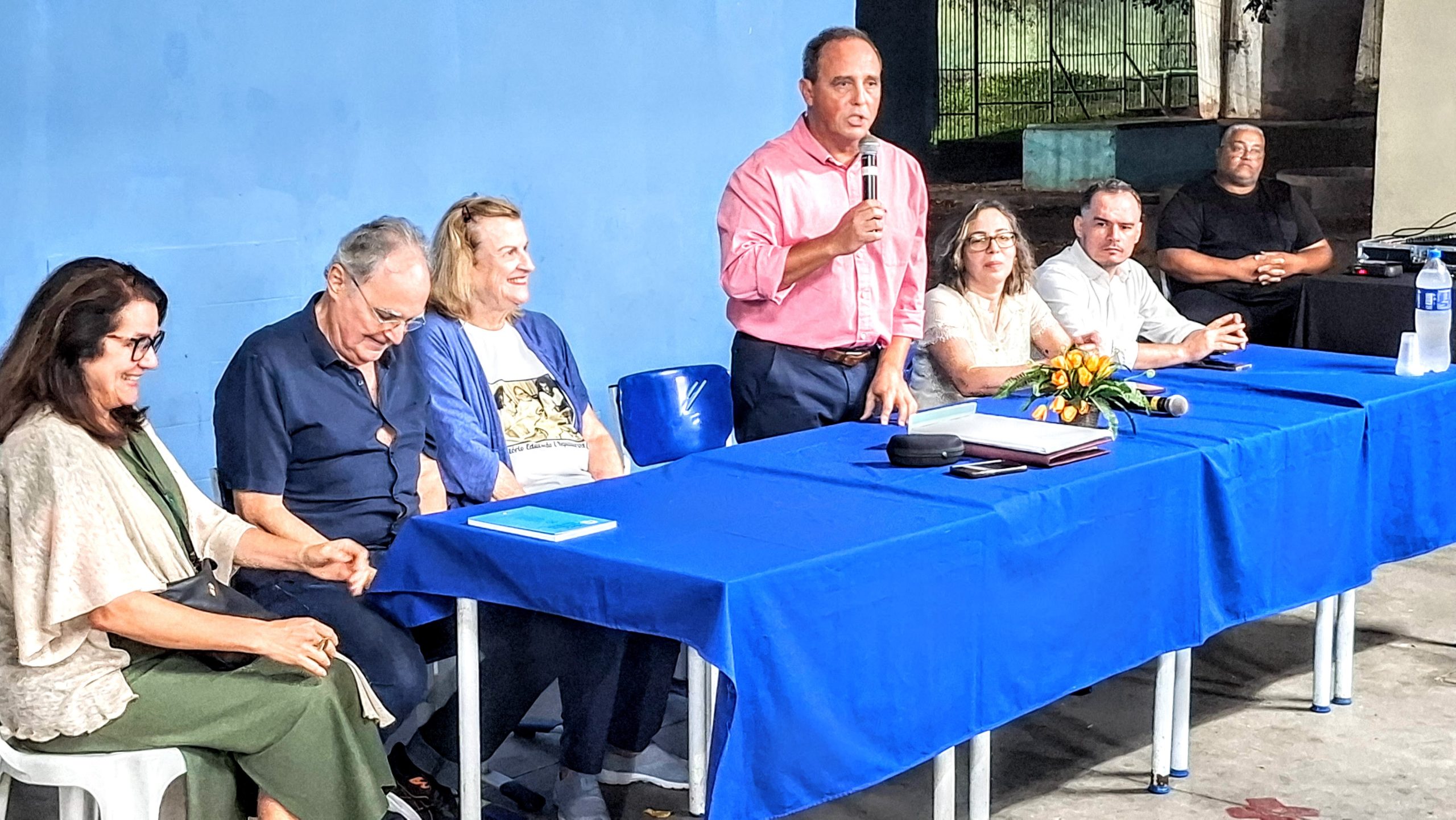
When asked about the ideological and party-political disputes that stripped the original CIEP project of its defining characteristics, Waldeck Carneiro, a professor of Education at the Fluminense Federal University (UFF) and general coordinator of the Rio de Janeiro State Education Front (FEERJ), said this reveals much about Brazil’s difficulty in maintaining and continuing to improve successful State policies.
“During the first year of Brizola’s administration, ten CIEPs were inaugurated each month. At that time, around 40 percent of the state’s budget was allocated to education.” — Waldeck Carneiro
Structuring Education Initiatives to Break the Cycle of Violence
The first CIEP opened on May 8, 1985, in Catete, a neighborhood in Rio de Janeiro’s South Zone, near the Santo Amaro favela. This was the same community where, on June 7, 2025, the Special Operations Battalion (BOPE) carried out a raid during a June June festival celebration, killing 24-year-old Herus Guimarães Mendes with two shots.
The report Education Under Siege: Schools in the Greater Rio Area Impacted by Armed Violence, released at the end of May 2025, presents detailed findings on this issue. Conducted collaboratively by UNICEF, the Fogo Cruzado Institute and the Fluminense Federal University’s Study Group on New Illegalities (Geni/UFF), it found that 58.6% of schools in Rio de Janeiro are located in areas controlled by armed groups. Over the course of one year, the survey recorded over 4,400 shootings in the vicinity of these schools.
William Cruz, one of the coordinators of the Baixada Fluminense Popular Education Network, emphasizes that public education can serve as a guiding force to break the cycle of poverty and give youth in favelas a better chance at employment opportunities.
“It’s important to say that breaking the cycle of criminality won’t happen through policing. The social mechanisms capable of changing levels of violence and crime lie in education, culture, healthcare and social services. In this sense, the last quality structural project in education in Rio de Janeiro were the CIEPs under Brizola. That, to me, is the path for those who want to break the cycle of violence.” — William Cruz
The First CIEP: Innovative Architecture, Robust Infrastructure and Food Security
Named CIEP 01 – Tancredo Neves, the first CIEP bears the name of the first civilian-elected president during Brazil’s re-democratization. The complex consisted of a main classroom block, built along the edge of the sidewalk, with the sports court to the left and the library set back to the right. Its imposing scale was striking, as was the openness of the ground floor, with pillars lifting the building off the ground. Unlike any other school building at the time, it asserted itself as a landmark in the cityscape.
Ver essa foto no Instagram
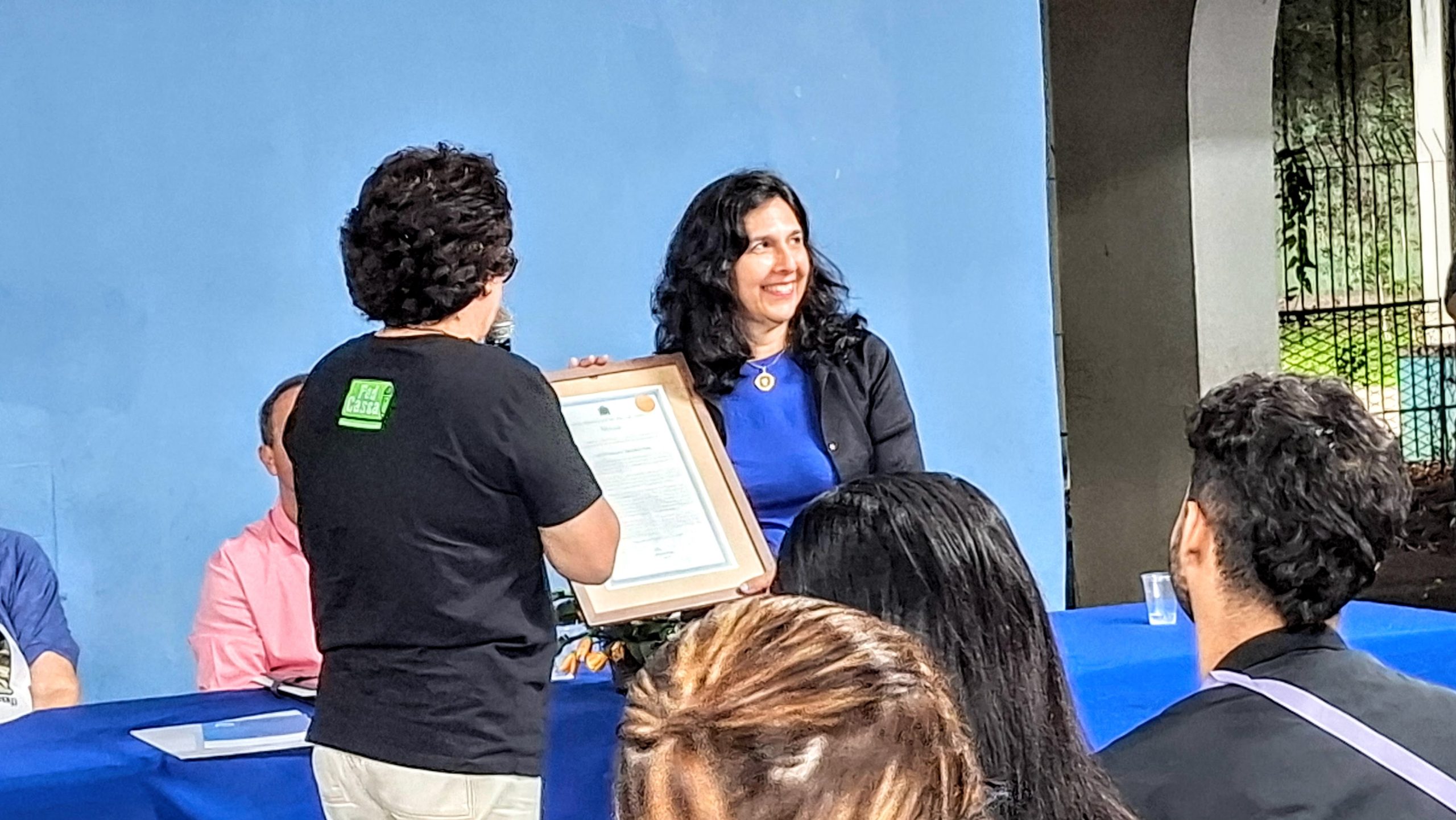
Ever since its inauguration 40 years ago, Rosana Cavendra Silva has taught at the school. Today, she is an early childhood education teacher at CIEP 01. She says that as soon as she learned about the pedagogical approach, teaching methodology and architectural design of the CIEPs, she was captivated. Rosana regrets the changes that have taken place in the CIEPs over successive administrations. For example, there is no longer a school meal program, which once consisted of three meals a day provided to ensure students received adequate nutrition—crucial in socially vulnerable communities. The goal was to provide around 2,500 calories per day, per student.
“The children, even the littlest ones, would hold on tight to those lunch trays, which were almost their size. I remember they even had a juice machine. It was a very balanced diet.” — Rosana Cavendra Silva
The educator recalls that the CIEPs supported economically vulnerable families, many of whom lacked adequate housing. The schools also provided daycare, allowing parents to work full time without having to worry about their children’s well-being. This service was also discontinued over the decades.
“That too was incredibly cruel. So many people from the periphery could have had the chance to compete for better jobs through education but had to give up on their dreams. It feels like poor people are forbidden from dreaming.” — Rosana Cavendra Silva
The Innovative Role of Cultural Animators, Victims of Job Insecurity
Another innovative strategy of the CIEPs now being dismantled, is the role of cultural animator. This is how Antônio Ribeiro Feitosa, a history teacher at CIEP 172 – Nelson Rodrigues, in Comendador Soares, a neighborhood in Nova Iguaçu in Greater Rio’s Baixada Fluminense region, describes the position. Created in 1986 during Brizola’s administration, these professionals helped energize cultural and community life within and around CIEPs, promoting complementary recreational, artistic and socially conscious activities. Cultural animators worked alongside teachers, depending on the subject and the day’s program.
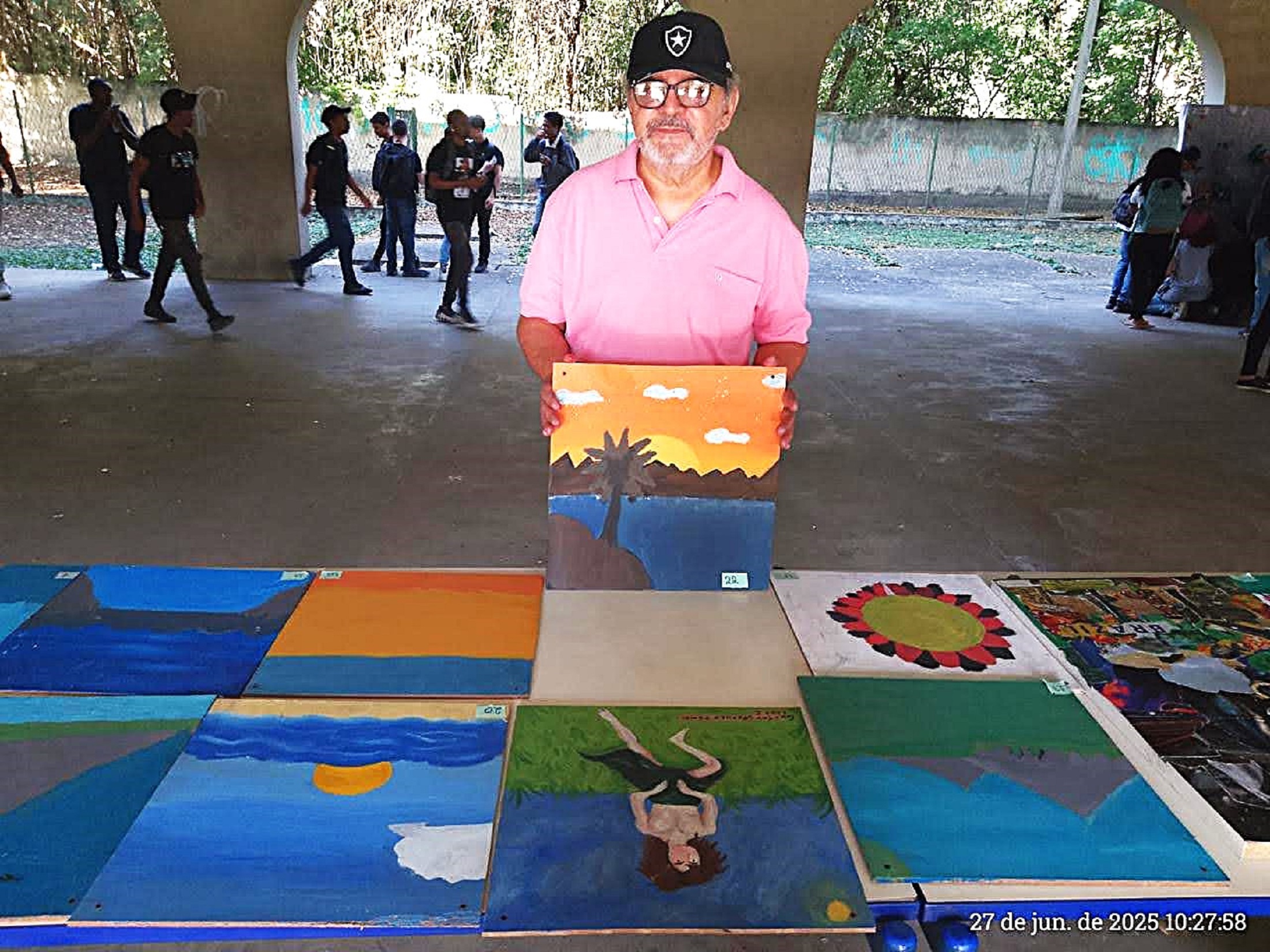
“We work with the concept of ‘the history of History.’ In other words: what does the community have that can be turned into historical material to work on with students? We always collaborate with the geography, Portuguese and mathematics teachers, among others. The work isn’t just about getting things done. It’s about recognizing the talents within the community and bringing them into the school.” — Antônio Ribeiro Feitosa
The cultural animator and teacher sadly recalls the dismantling he has witnessed over the years, which has prevented other innovative CIEP projects from moving forward: medical centers, dentists, special education, libraries with reading rooms, swimming pools and multi-sport courts.
“Since Brizola was always fighting for social justice, especially regarding police violence in the favelas, those who opposed his government claimed that cultural animators were ‘recommended by drug traffickers.’ They didn’t understand the selection process. Since [animators] were always working in favelas, suspicion stemmed [from prejudice] about these communities. The recommendations came from local residents, but to then claim that they were acting on orders from drug traffickers is completely unfair.” — Antônio Ribeiro Feitosa
Beyond the social prejudice against them, cultural animators also faced significant legal insecurity. Unlike teachers in municipal, state, and federal schools, who are hired through civil service exams, CIEP cultural animators were specifically appointed on a commissioned, at-will basis—a status often looked down upon by public administrators. In practice, however, many elected officials (councillors, deputies, mayors and governors) had advanced their political careers with the unofficial promise of placing commissioned staff in public institutions.
In 2010, the Rio de Janeiro Legislative Assembly (Alerj) unanimously approved a proposed constitutional amendment intended to regulate this role in the state. However, the Rio de Janeiro State Education Secretariat (SEEDUC-RJ) obstructed the recognition of cultural animators as education professionals, since the creation of these positions through state legislation had historically been deemed unconstitutional for establishing appointed roles without civil service examinations. This dispute ultimately led to a legal battle over the termination of their appointments.
High-Quality Public Education as the Path to a Brighter Future
Over the 40 years of the Integrated Centers for Public Education (CIEPs)—from their visionary conception in 1985 to the state of deterioration observed in 2025—a harsh and irrefutable portrait emerges of the chronic neglect and systematic lack of political will that permeate public education management in Rio de Janeiro. CIEPs were conceived as the backbone of comprehensive, high-quality public education in the state, yet the dismantling process they have undergone reveals a regrettable discontinuity.
This vicious cycle of creation, abandonment and dismantling is not restricted to Rio de Janeiro. It reflects the national political class’s inability to make education a true State priority, thereby guaranteeing the right to a dignified future for millions of children and youth from working-class backgrounds.
About the author: Fabio Leon is a journalist, human rights activist, and media advisor with Fórum Grita Baixada.