
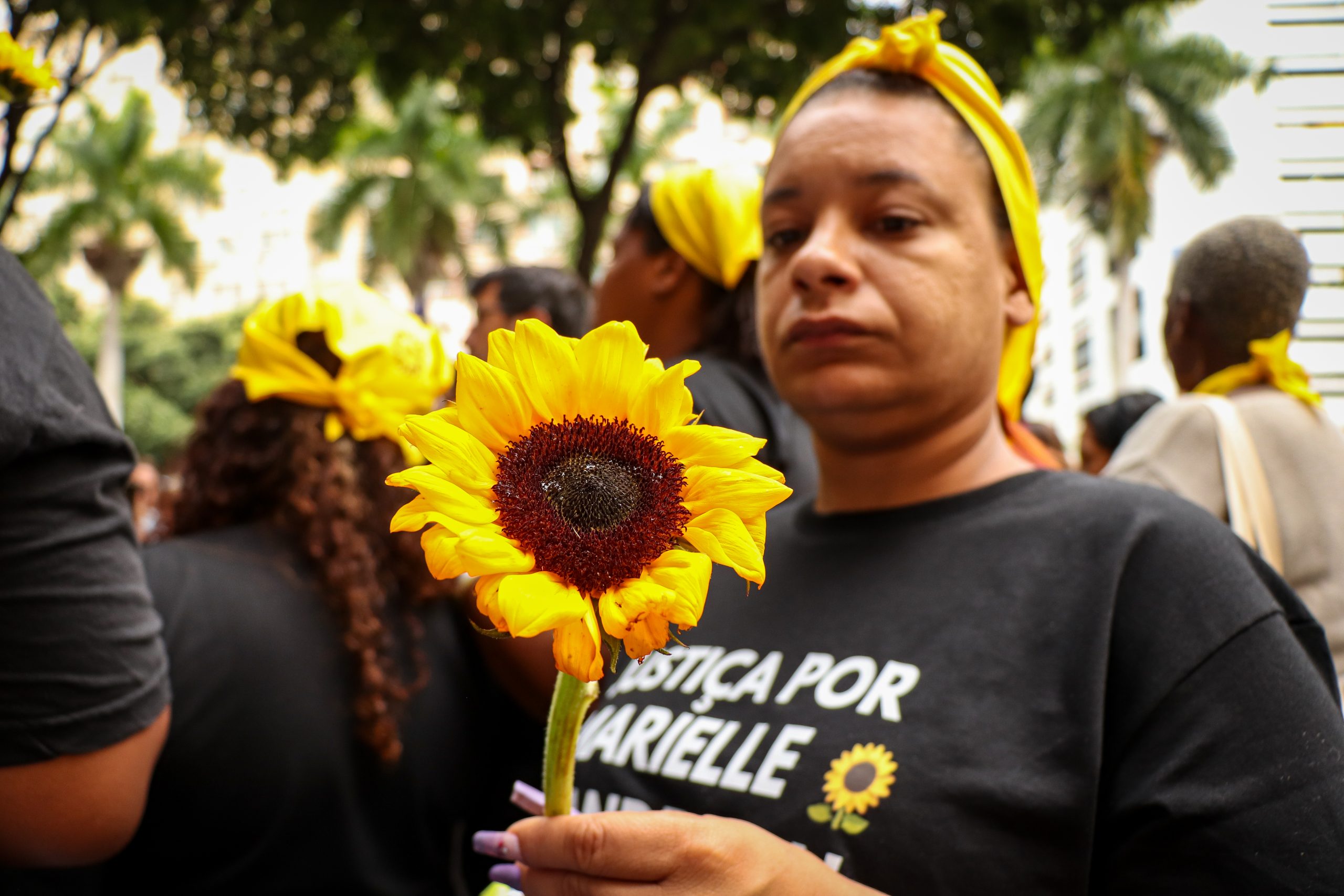

This article is part of a series on the 2026 Brazilian elections, focusing on the perspectives of Greater Rio’s favelas.
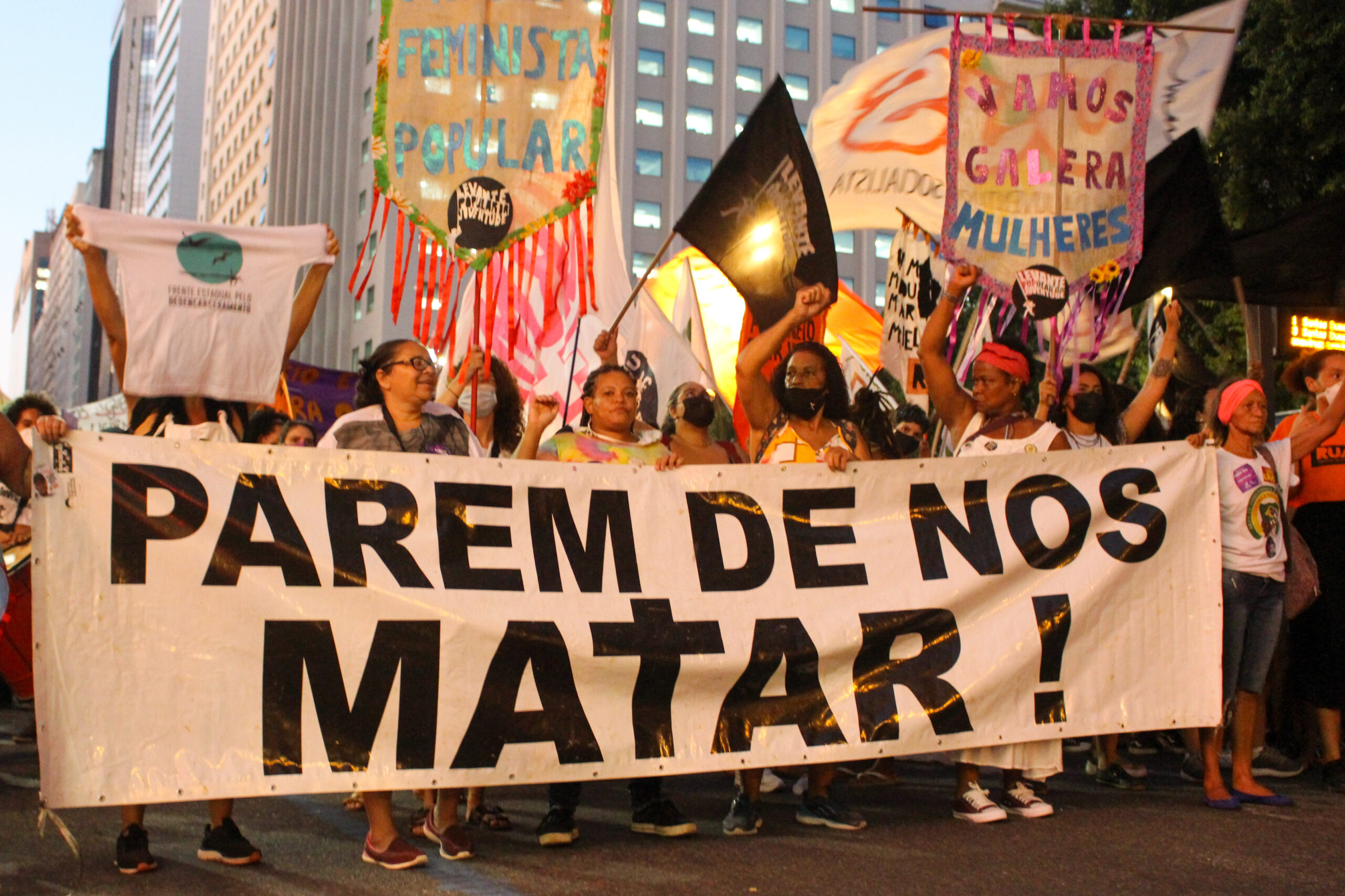
Brazilian democracy still suffers from deep-seated forms of exclusion that limit the full participation of certain social groups. Among the most urgent challenges is political violence based on gender and race directed at Black women—a practice that has become one of the most severe forms of silencing Black women in Brazil.
Despite some advances in representation, Black women continue to face structural barriers that cut across political parties, public institutions and the social fabric itself. These are not isolated incidents, but a systematic phenomenon rooted in the historical foundations of structural racism and misogyny.
Misogynoir: The Intersection of Racism and Misogyny
Recent data point to an alarming situation: Black women are disproportionately targeted by attacks in political spaces, both in person and on social media. The political violence directed at them is not occasional: it is ongoing, systematic and often made invisible.
This type of violence works through attacks on these women’s credibility, public image and legitimacy, with the aim of keeping them out of spaces of power and decision-making.
The concept of misogynoir, developed by researcher Moya Bailey, helps us understand the specific nature of these forms of violence. The term describes the unique ways in which Black women are simultaneously targeted by racism and misogyny.
More than the sum of these forms of oppression, it is a synergistic force that produces deeper and more violent consequences. In practice, misogynoir acts as a mechanism of political delegitimization and exclusion, reinforcing the idea that certain bodies do not belong in positions of power.
New Frontiers of Violence Beyond Politics
On social media, political violence has taken on new dimensions. Hate speech, coordinated disinformation campaigns, the exposure of personal data (doxing) and the use of technologies such as deepfakes (fake but realistic images) together form a hostile digital ecosystem.
The scope of these attacks has broadened and their impact has intensified, affecting not only these women’s public activities but also their private lives. The goal is clear: to intimidate them, wear them down emotionally and silence them.
The consequences of this violence are profound and multifaceted. Black women in politics report self-censorship, psychological distress and, in many cases, stepping down from office or withdrawing their candidacies. As shown in the Study on Political Violence Based on Gender and Race in the Digital Sphere, published in 2025 by the Marielle Franco Institute, digital political violence against Black women “is the norm, not the exception.”
Councilwoman Thais Ferreira’s journey is a striking illustration of this reality. A Black woman from Rio’s peripheries, she entered politics after experiencing obstetric racism—a form of violence that knows no bounds and resulted in the loss of her child at nine months’ gestation.
Today, as chair of the Commission to Combat and Prevent Political Violence Against Women, Ferreira uses her office to denounce the many forms of silencing faced by Black women and women from Rio’s peripheral areas. Her experience, however, also highlights the high cost of this work.
After enduring constant threats, the city councilwoman describes the direct impact on her personal and family life. The toll on the health of her mother, her partner and her son—who experienced instances of political violence at school even as a child—reveals how these attacks go beyond the institutional sphere and affect the most intimate aspects of her life.
In decision-making spaces, Black people are still seen as those who “don’t fit in.” This symbolic exclusion is reflected even in the difficulty in accessing campaign funding, widening existing inequalities between Black and white people and undermining the electoral prospects of Black candidates—especially Black women.
Ver essa foto no Instagram
Institutional Racism and Invisible Barriers: The Continuity of Violence
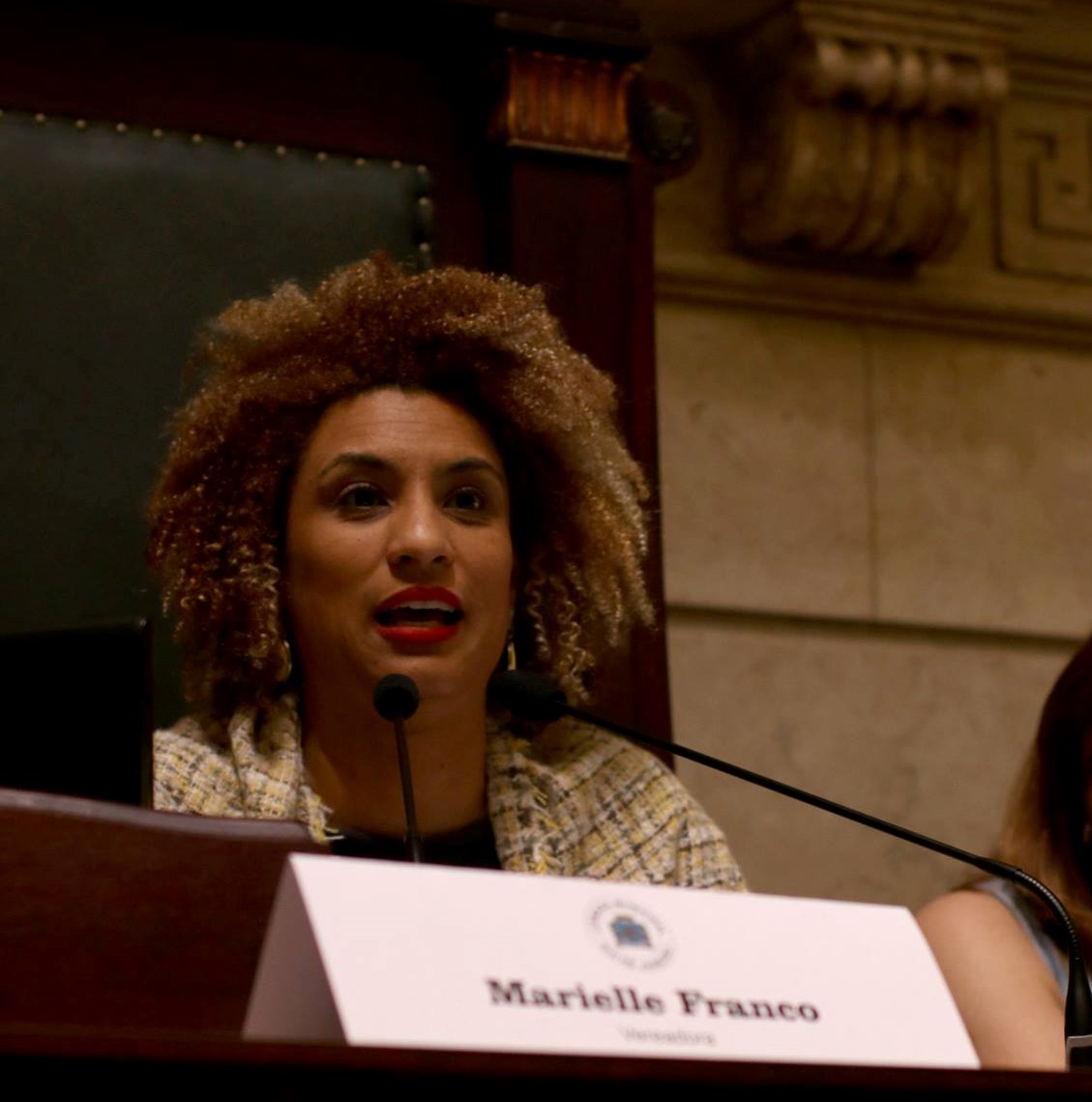
The 2018 assassination of Marielle Franco became an international symbol of political violence against Black women. The crime brutally exposed the risks faced by Black women in positions of power.
Other female lawmakers, such as Erika Hilton and Renata Souza, continue to be frequent targets of attacks, demonstrating that this violence has not ceased—it has merely taken on new forms and adapted to new contexts. Almost always, without support from the presiding officers and governing boards of the legislative houses, these female lawmakers find themselves on their own. This is what Federal Deputy Talíria Petroni denounced just days ago after losing her Legislative Police security detail. The justification given by the Chamber was absurd: according to the Congressional Police, favelas, such as Complexo da Maré, are extremely high-risk areas—as though they were not home to over 8% of Brazilian citizens. This amounts to saying that the congresswoman cannot carry out her duties in the favelas of the state she represents. Petroni appealed the decision to the Speaker of the Chamber, who upheld her appeal and reinstated her security detail.
Therefore, political violence manifests itself structurally: Black women often face limited access to financial resources, less campaign airtime and little protection against attacks. This reveals institutional racism, which normalizes inequalities and hinders effective efforts to combat these forms of violence.
Paths to Change: A Democracy That Remains Incomplete
Experts, such as the policy coordinators of Black Women Decide—a movement that monitors the underrepresentation of Black women in spaces of power and decision-making—point out that combating political violence based on gender and race requires coordinated, structural measures. Among the key measures are:
- Strengthening specific legislation;
- Establishing protection mechanisms for female candidates and elected officials;
- Holding digital platforms accountable;
- Democratizing campaign financing and party funding; and
- Internal reforms within political parties.
Unless these structural inequalities are addressed, Brazilian democracy will remain incomplete. There can be no full representation when voices are systematically silenced. Ensuring the safe participation of Black women in politics is not merely an issue of identity; it is essential to strengthening democracy. After all, no power is truly secure when it rests on exclusion and silencing.
About the author: Ana Tobossi is a Black woman born and raised in Complexo da Penha, in Rio de Janeiro’s North Zone. She is a human rights advocate, anti-racist activist, communicator, and popular educator. A member of the Sustainable Favela Network and of the Black Women for Climate Justice collective, coordinated by the NGO Criola, Tobossi coordinates the Anti-Racist Favela Womanist Front, working to advance the rights, care, and justice of Black women in favelas and peripheral areas.