

 This article is part of a series created in partnership with the Behner Stiefel Center for Brazilian Studies at San Diego State University, to produce articles for the Digital Brazil Project on environmental justice in the favelas through RioOnWatch.
Community leaders, educators and youth shared their experiences of community organizing, local mapping and environmental education to address the impacts of climate change and demand public policies.
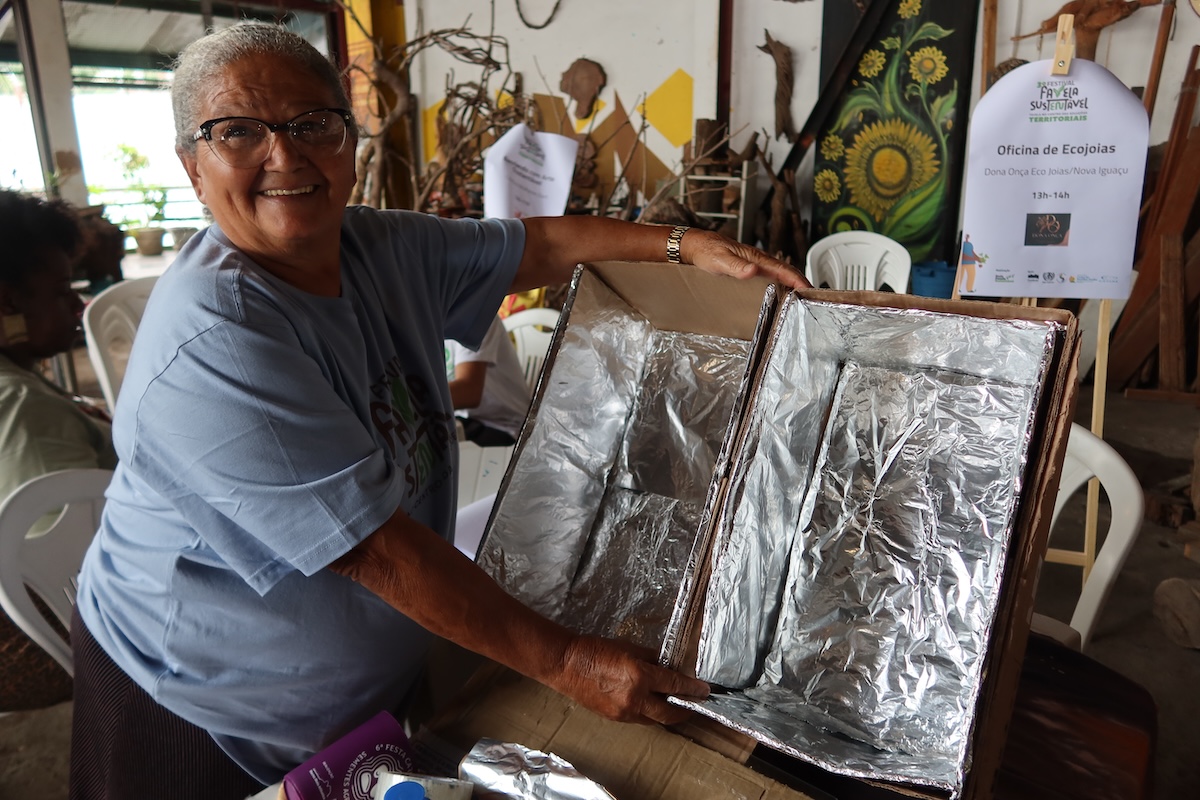
One of the recurring themes across the 180 activities at the 3rd Sustainable Favela Festival, held on October 17, was the impact of climate change on daily life of favelas and the need for solutions tailored to each community’s circumstances. Under the theme “Favela at the Center of Territorial Solutions,” the festival brought together over 1,200 community leaders, educators, youth and social movements at Fundição Progresso in downtown Rio de Janeiro to share experiences and methodologies and discuss paths toward climate justice.
The program addressed the inequalities that heighten the impacts of extreme weather events—such as floods and heatwaves—for people living in favelas and vulnerable areas. It also discussed how the lack of sanitation, difficulties accessing water, the decline in green spaces and precarious housing conditions reflect environmental racism.
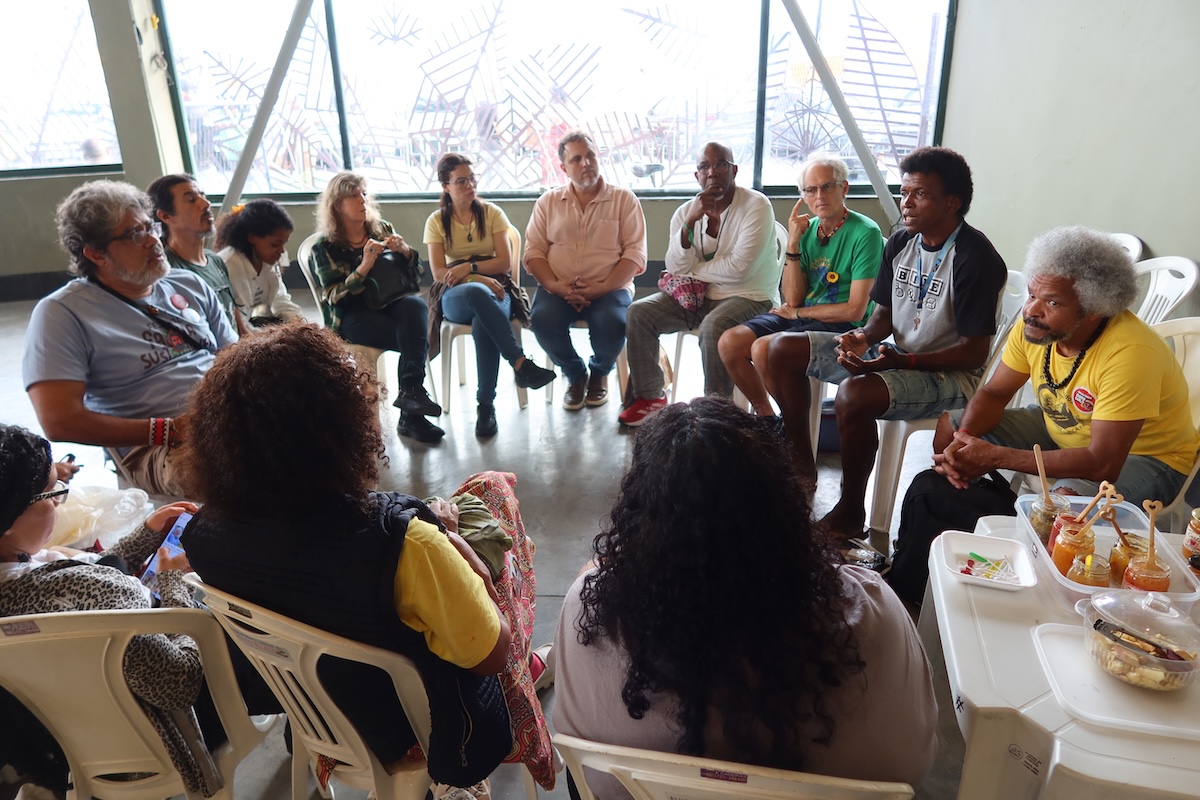
Through discussion circles, film screenings, exhibitions, cultural performances and workshops, the festival reinforced the leading role of communities in confronting the climate crisis and highlighted the role of environmental education, preserving memory and collective organizing in building solutions.
Vila Sahy Resident Warns of Climate Denial and the Importance of Voting
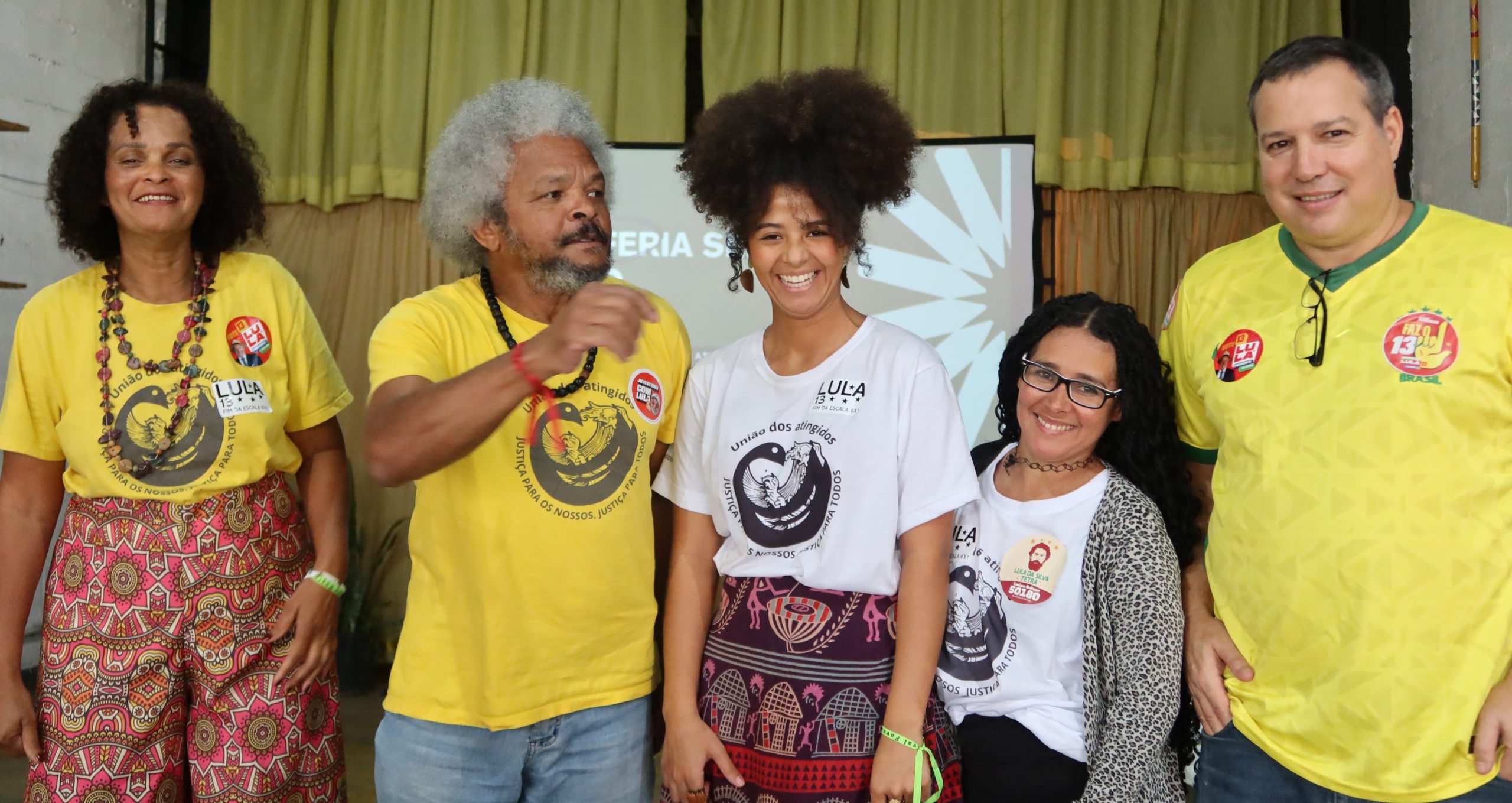
To raise awareness of the risks of further extreme weather events and the urgent need for preventive action, the Union of Those Affected, a movement from the city of São Sebastião, on the northern coast of São Paulo state, made a point of traveling six hours to attend the festival. There, three members of the group and allies screened their documentary, held a debate and presented a photo exhibition about the tragedy that struck the Vila Sahy neighborhood in February 2023.
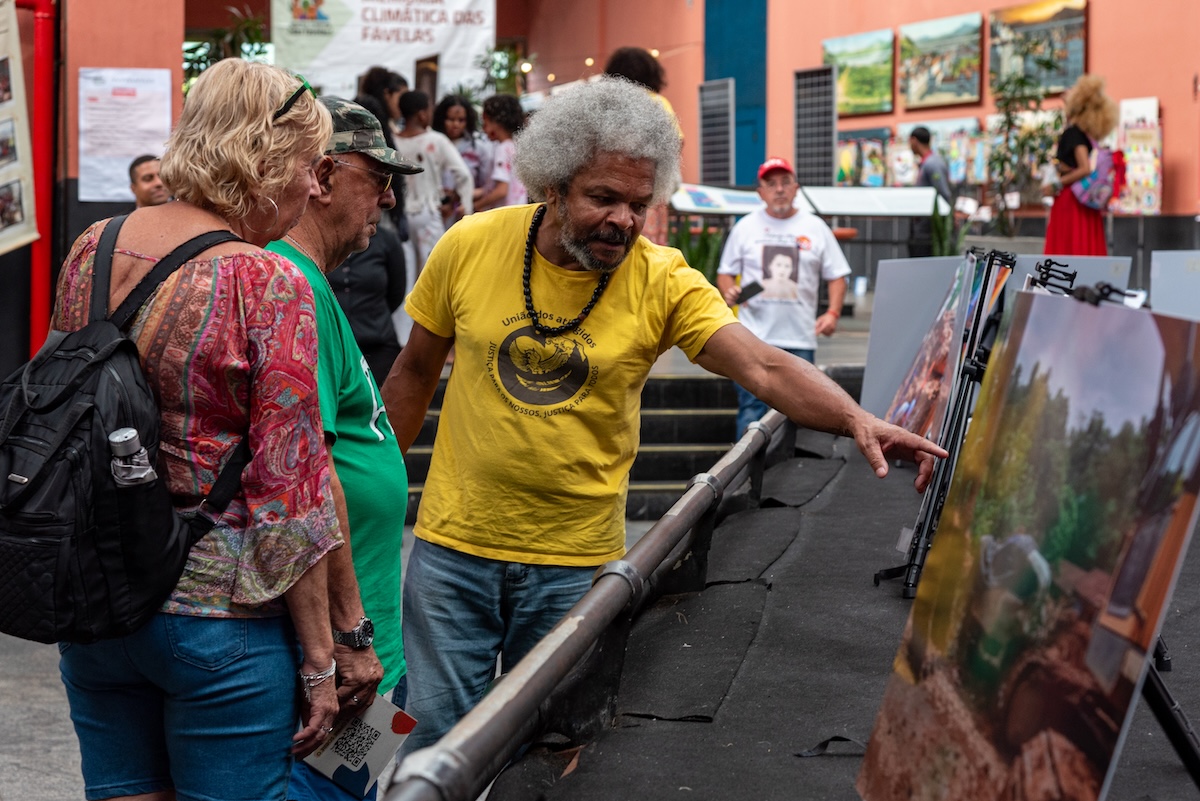
At the time, the region recorded a record-breaking 680mm of rainfall in just 24 hours. In total, 64 people died and over 1,000 were left unhoused. Since then, the movement has organized discussions and talks to raise awareness of climate risks and strengthen community organizing.
“We’ve been trying to warn people about El Niño, about climate justice and what will happen to the world. In São Sebastião, in the neighborhood of Vila Sahy, we lost 64 people. I knew every one of them.” — Rosilene de Jesus Santos, Vila Sahy resident and Union of Those Affected member
She also criticized climate change denial among government leaders and urged voters to consider this stance when casting their ballots:
“We have to be careful about who we vote for. Because if we vote for a climate change denier, what will happen to us? Nothing will be done!”
Santos recognizes that grassroots organizing requires coordination with public authorities and other partners to move forward. She highlighted the importance of involving younger generations in the discussion:
“More and more, everywhere I go, I see that we need to talk to teenagers.”
Community Mapping in City of God
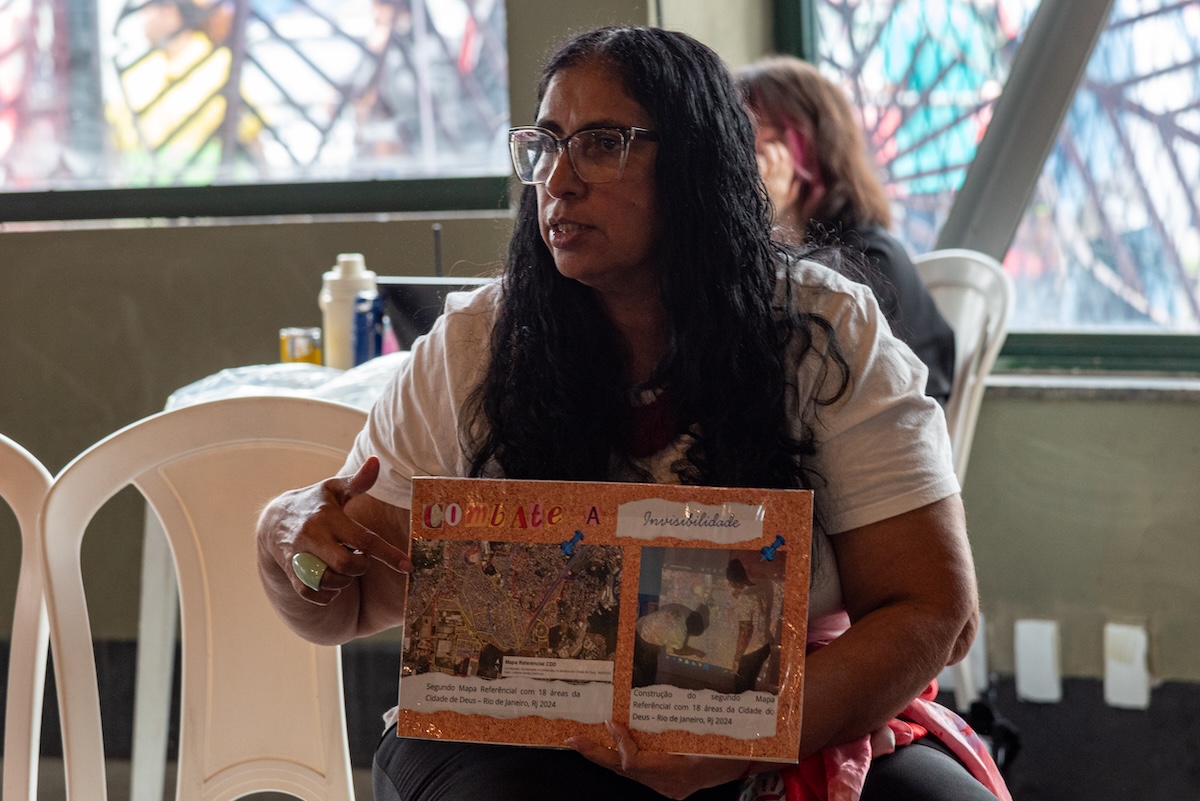
In City of God, in Rio de Janeiro’s Southwest Zone, this perspective guides the work of EcoRede, which is affiliated with community-based organization Alfazendo. Currently, a team of 70 youth is conducting socio-environmental mapping across seven areas of the favela. The aim is to collect data on housing structures, access to sanitation and drinking water, the availability of fans or air conditioning and the frequency of power outages to understand how these inequalities directly affect residents’ health and daily lives.
This field research draws on a tool that is already well established in the community. As teacher Iara Oliveira, a member of the organization, explains, Alfazendo has been using the reference mapping methodology for 28 years and has a long history of literacy initiatives, community-based college entrance exam preparation courses and teacher training.
“The reference map helps you find yourself within your own community. Sometimes, you have a great idea for a project, but you’re unaware of other initiatives already taking place there that you could partner with. There are also people who live in the same place but don’t know each other. So, the importance of the reference map lies in exploring ancestral knowledge and our relationship with the place we live in, because a community isn’t just a place—it’s also its people.” — Iara Oliveira, Alfazendo, City of God
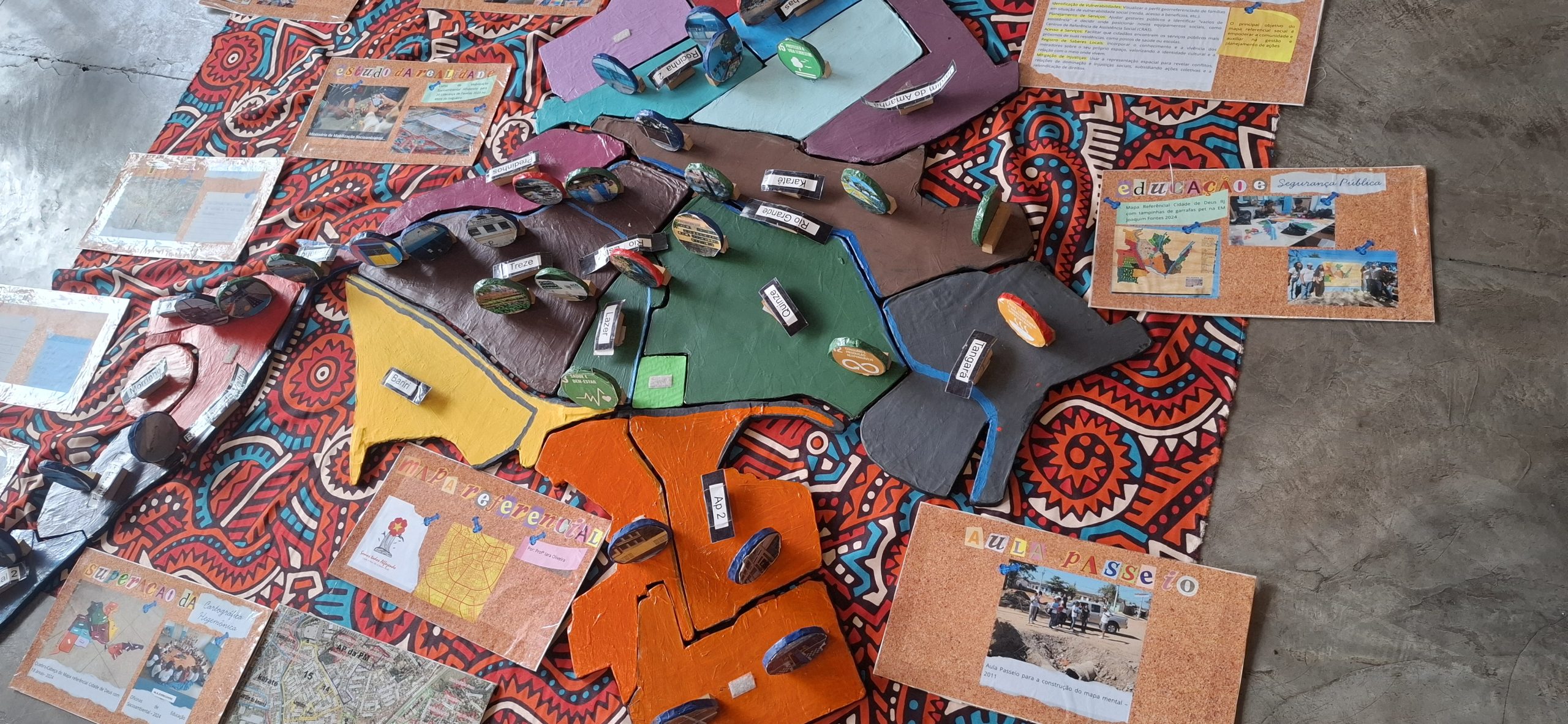
The methodology has been shared with other favelas, such as Morro do Salgueiro, in Rio’s North Zone, and can be adapted to the unique characteristics of each community.
Alfazendo also seeks to foster civic awareness and critical thinking among youth, encouraging them to reflect on inequalities in the places where they live, recognize opportunities and understand that the environment also encompasses adequate living conditions and community ties. In Oliveira’s words:
“Social relationships are also part of the environment. How I care for a place, how I care for people—all of this affects how I understand development. Favelas are built by people, but we still have homes without bathrooms or sewage systems and people living in shacks. How do we make sense of that relationship? That’s how we approach things.”
Education Is Fundamental to Climate Justice
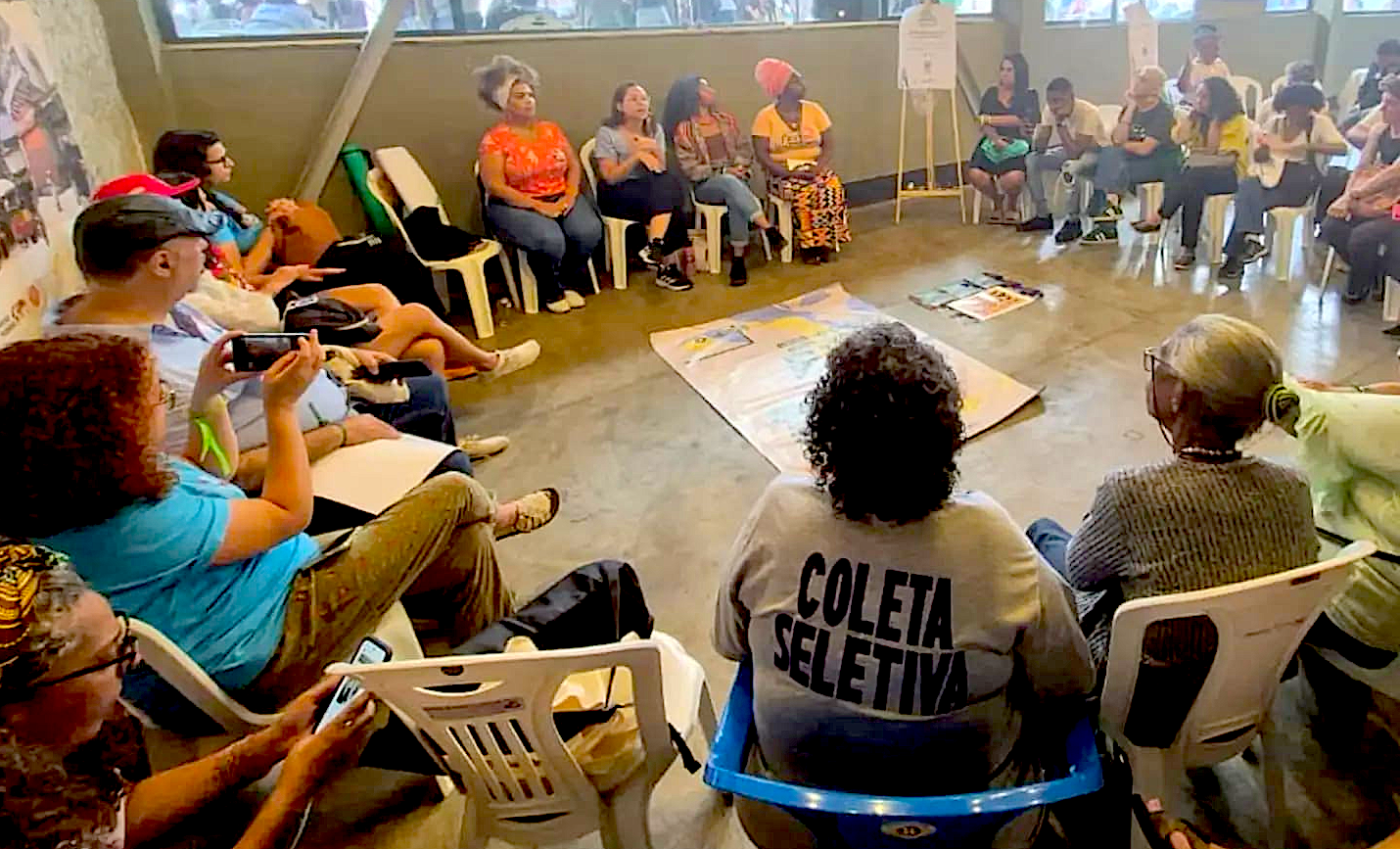
The central role of women came to the fore during the Black Women for Climate Justice discussion circle, organized by Ana Tobossi, of the Antiracist Favelas Women’s Front and Criola NGO, and grounded in Complexo da Penha’s perspective.
“We’re watching the planet collapse, imperialism pressing forward and the destruction of nations. In the face of rising fascism, Black women are always on the front lines and are the most affected by climate crises. The fight for climate justice is, above all, a fight for human dignity and a fulfilling life, with democracy and rights. There is no climate justice without confronting racism. We need to ensure that the planet we are fighting to preserve also guarantees our existence: that of Black, trans and LGBTQIAPN+ people. Our struggle is political. Preserving the planet requires guaranteeing dignity and rights. The only way out of this labyrinth of wars, hatred and destruction is through the left.” — Ana Tobossi, Ancestral Women Institute for Care and Memory and Criola NGO’s Network of Black Women Building the Future with Climate Justice
Education was also central to this discussion. In her remarks, one of the participants, Brazilian national health foundation (Fiocruz) educator and researcher Flávia Mendonça, highlighted how education, both inside and outside schools, helps preserve memory, strengthen community autonomy and equip people to recognize socio-environmental problems and propose solutions. Citing Irajá, a neighborhood in Rio de Janeiro’s North Zone, Mendonça addressed the relationship between the impacts of climate change and urban infrastructure. Increased construction, deforestation and the expansion of asphalt and concrete reduce permeable areas, hinder rainwater drainage and contribute to rising temperatures.
“This process of ‘cementification’ has meant that rainwater cannot drain and that excess heat cannot dissipate. Education, the classroom—whether in college exam prep courses, schools or informal spaces such as this one—can’t stop thinking about solutions. Planting strategies, green roofs, etc. In more peripheral areas, there’s also a lack of water. It’s the same old ‘all or nothing’: when it rains, it floods, and when it’s hot, you get no water.” — Flávia Mendonça
For Mendonça, understanding the climate crisis requires examining the inequalities that determine how each area is affected. A storm, for example, does not have the same impact on a favela with inadequate infrastructure as it does on a street with proper drainage systems.
Students Demand Rights for the Anil River in a School Letter
Environmental preservation and the involvement of younger generations were highlighted during the reading of the Anil River Letter, drafted by students from a school in Jacarepaguá, in Rio de Janeiro’s Southwest Zone. The initiative is part of environmental education activities carried out since 2022 in partnership with the Jacarepaguá School Observatory.
Teacher Jaqueline Guerreiro explained that work on the letter began in 2023, when some of the students were still in sixth grade. In 2026, the initiative reached a new milestone with the publication of the document, which calls for recognition of the river’s rights.
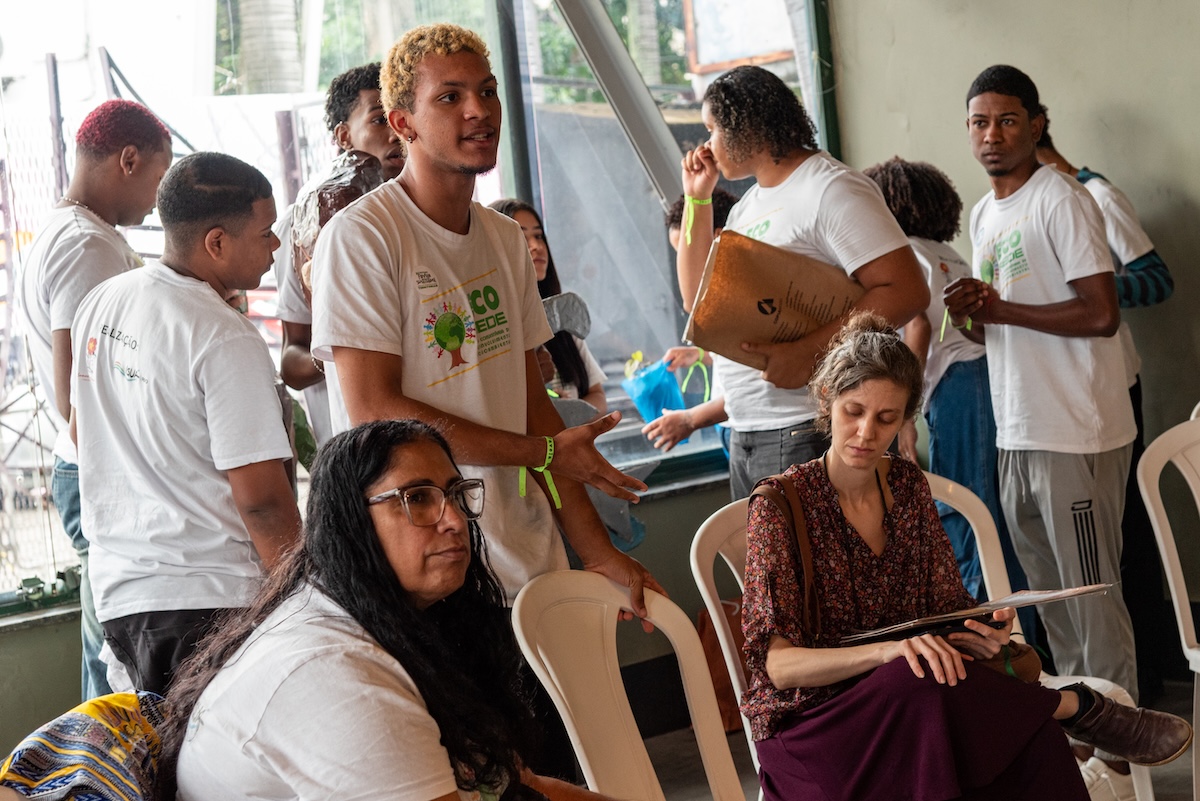
During the festival, the students themselves read out the proposed commitments, which include preserving the river’s waters and banks, combating pollution and involving residents and public authorities in caring for the river.
One passage in the letter reads, “The Anil River has the right to flow.” The document also calls for the river to be protected for future generations and kept free of trash and pollutants.
Guerreiro emphasized that the students themselves led the drafting process, without any adults at the school writing the content. They were also responsible for the final revisions to bring the text into line with standard Portuguese language conventions.
The discussion circle brought together the Rio de Janeiro Education and Environment Study Group (from Praça Seca), the Cunha Canal Watershed Observatory, part of Fiocruz’s Social Cooperation initiative, and the Popular Network for Sanitation and Health Monitoring.
Community Organizing and Flood Contingency Plans
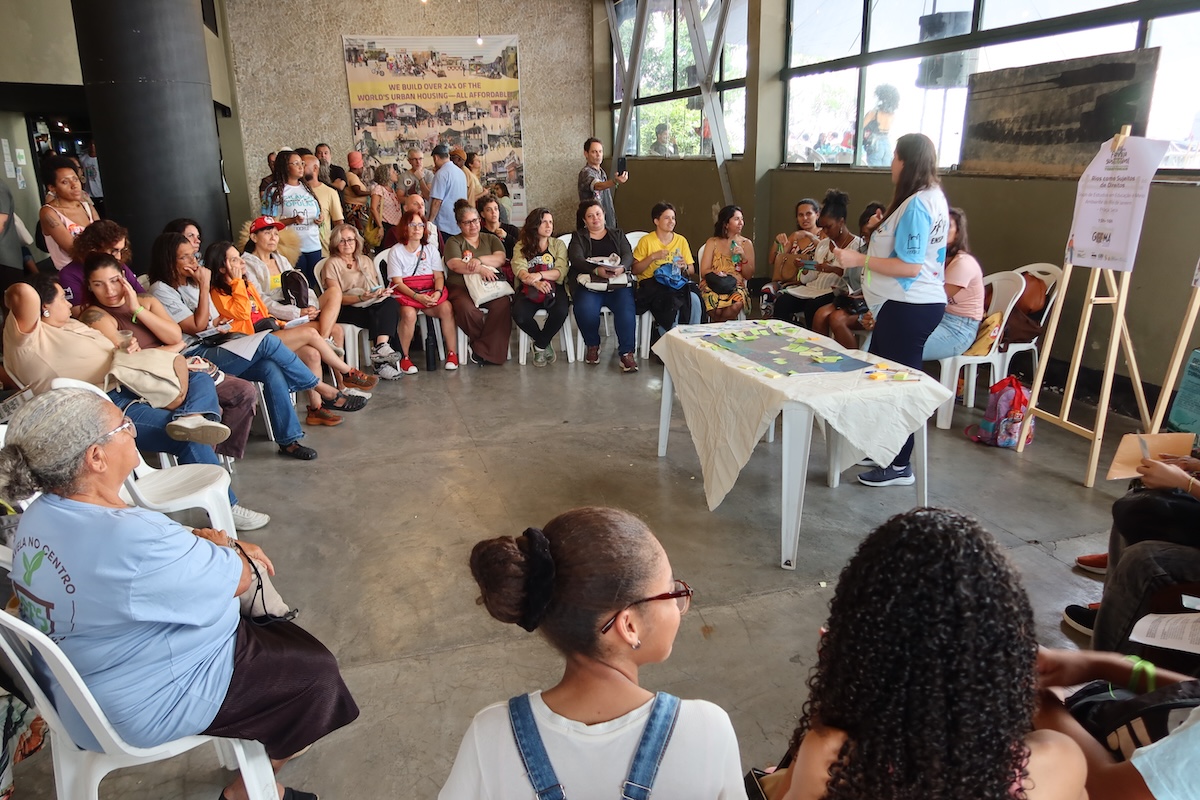
During the plenary session, participants questioned how organizations were mobilizing in response to the risks associated with El Niño.
In response to the discussion, Rejany Ferreira, a socio-environmental leader and member of the Guanabara Bay Watershed Committee, discussed the development of a contingency plan for flooding and a risk management plan within the committee. According to Ferreira, this planning also depends on contributions from municipal governments and coordination among different levels of management.
“We have limitations because we need to comply with the law, but we’ll do whatever we can as a committee.” — Rejany Ferreira
The bulletin released by the National Institute of Meteorology (Inmet) indicated a 95% probability that the phenomenon would reach very strong intensity between October and December 2026, with forecasts of above-average rainfall and a risk of flooding in southern Brazil, as well as drought and an increased risk of wildfires in parts of north-central Brazil. Temperatures were also expected to remain above average across almost the entire country.
The experiences presented throughout the festival demonstrate that addressing climate change requires action at different scales: from knowledge produced by residents themselves to environmental education in schools, as well as social mobilization and demands for public policies.
Kelly Ribeiro is a journalist and screenwriter with experience covering culture, gender, race and human rights from an intersectional perspective, as well as producing audio and audiovisual narratives. She holds a postgraduate degree in Data Journalism from IDP Tech School and a degree in Screenwriting.