

This article is part of our series reflecting on the impacts of mega-events on Rio de Janeiro 10 years after the 2016 Olympic Games.
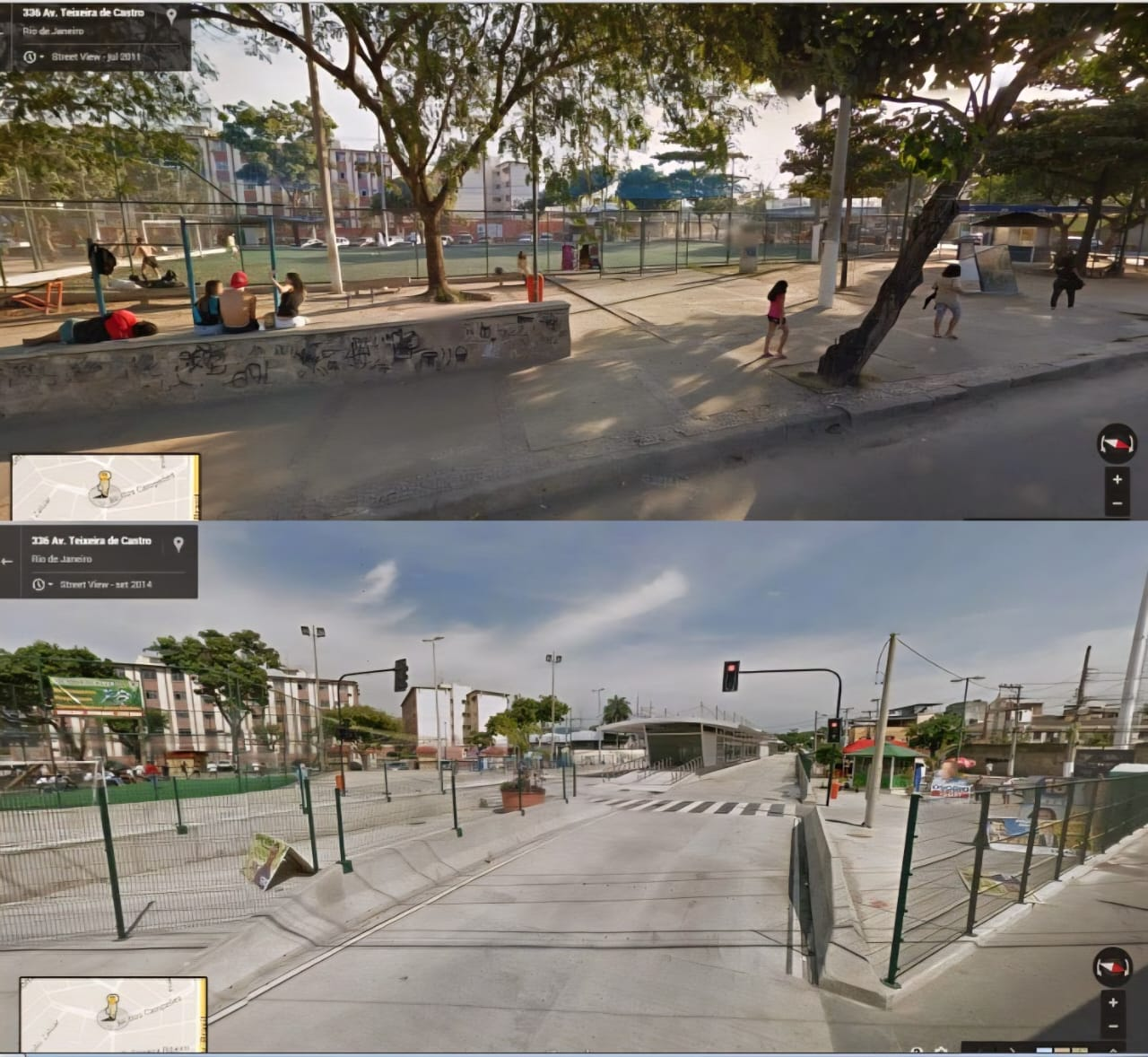
When I published my first article on RioOnWatch in July 2016, my intention was very simple. I wanted to capture the outrage of a father who saw his children lose one of their few recreational areas in Ramos, a formal, working-class neighborhood in Rio de Janeiro’s North Zone, to the construction of a road related to the Olympic Games. At the time, I believed I was writing about one square. I never imagined that that story would turn into a nearly ten-year investigation into who was truly included, and who was excluded, from the city’s Olympic legacy.
In that same period, I had an experience that would completely change the way I see Rio de Janeiro. During the Olympics, I hosted, in Ramos, journalists from various countries who were interested in getting to know a side of the city different from the one shown in international broadcasts. Many were looking for stories that went beyond postcard images and sports arenas. Some of these encounters ultimately led to reports in the foreign press about a Rio that was virtually unknown to the rest of the world, a city where working-class neighborhoods grappled with the deterioration of their public spaces and an Olympic legacy that seemed to ignore their needs.
They knew the Rio of beaches, mountains and the lush scenery of the South Zone. They also knew the Rio of favelas, which had received extensive international coverage in the years leading up to the Games, driven by the Pacifying Police Units (UPPs), public safety policies and countless documentaries. But virtually none of them knew Rio’s formal outskirts—the historically and culturally rich subúrbio carioca.
This realization struck me deeply. For decades, Rio de Janeiro’s international image was built almost exclusively on two very important realities, but ones that were insufficient to represent the city as a whole. On one hand, there were the neighborhoods of the South Zone, where only 9% of Rio’s population lives. On the other, the favelas, home to over 25% of the city’s residents. Caught between these two narratives was precisely the area where the majority lives: working-class, formal communities in the unseen outskirts outside the South Zone.
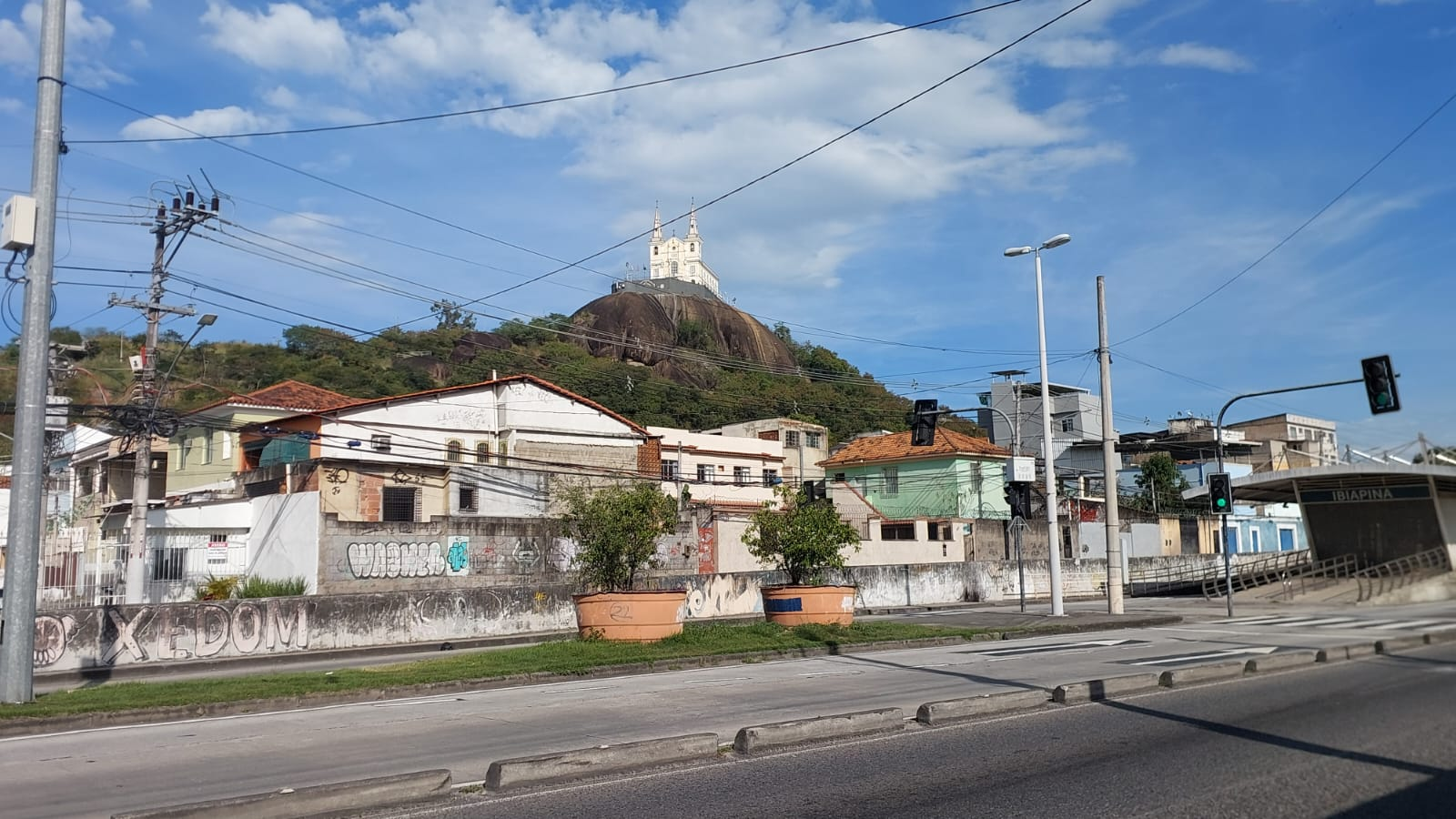
Journalists were surprised to discover entire working-class neighborhoods that developed along the railway, with bustling local businesses, century-old clubs, hospitals, universities, schools, churches, train stations, former industrial areas and an urban life completely different from the one shown to the world. It was a vibrant, diverse, densely populated Rio that was completely unknown to those arriving from elsewhere.
But another aspect caught their attention even more. As they walked through these neighborhoods, they quickly realized that this invisibility also had tangible consequences. It wasn’t just an absence from news reports or tourist itineraries. It was an absence from the city’s priorities: dilapidated public squares, few green spaces, insufficient tree cover, deteriorated sidewalks, aging public infrastructure and a scarcity of common spaces revealed a slow, almost silent process of neglect that seemed to go hand in hand with the invisibility of the outskirts. While other regions attracted sustained public investment, this part of the city was aging without its deterioration drawing the same level of political or media attention.
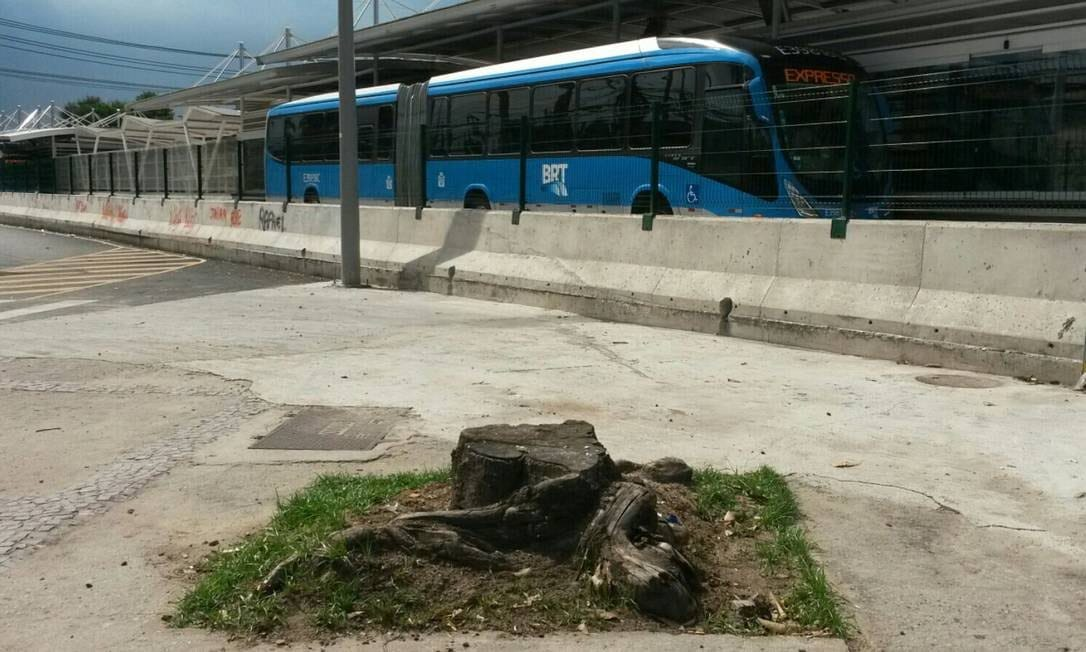
At the time, I still believed that this neglect was merely the result of successive municipal administrations that had been unable to distribute investments equitably. Today, I realize there was something much deeper at play. The destruction of the small square where my children used to play led me to investigate not just a single construction project, but the very logic that guided the planning of the Olympic Games.
This investigation led to a second article published by RioOnWatch. The more I researched, the more evident it became that working-class neighborhoods in Rio’s subúrbios, such as Ramos, Bonsucesso, Olaria and Penha, remained virtually absent from the official narrative of the Olympic legacy. They experienced the impacts of construction projects, lived with changes to the road network and urban interventions, but were rarely mentioned among the areas that would receive lasting benefits.
A few years later, I came across an article published by O Globo that helped answer a question that had been on my mind since 2016. The newspaper revisited the history of Rio’s earlier 2004 bid and featured accounts from members of the team responsible for planning the Olympic project. There, a revealing piece of information emerged: the original proposal called for the main sports hub of the Rio 2004 Games to be located on Ilha do Fundão, in the city’s North Zone nearby. Surrounded by low-income neighborhoods, served by major transportation corridors and home to the country’s largest federal university, the Federal University of Rio de Janeiro (UFRJ), the site had the potential to drive investment into a part of the city historically neglected by the government. This proposal was, however, abandoned.
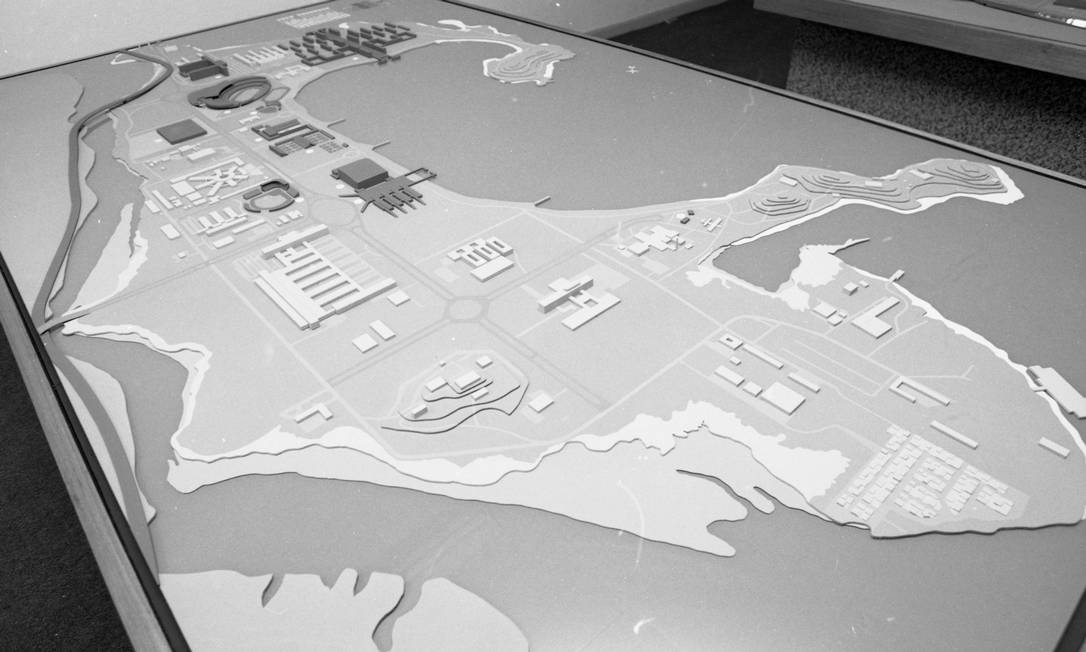
According to the interviewees themselves, the North Zone’s outskirts could not serve as the city’s “showcase.” The Olympic hub shifted to Barra da Tijuca, completely altering the geography of public investment.
As I read that article, I realized that the exclusion of the outskirts had not been an unexpected consequence of the construction projects. It was part of the very vision of the city that was intended to be presented to the International Olympic Committee (IOC) and the rest of the world. The Rio showcased during the Olympics had been carefully selected. The city where most of the population lives was simply not part of that showcase.
My neighborhood ended up stuck in limbo. It was close enough to feel the impacts of the event, but too far away to reap its benefits. This realization prompted another article published by RioOnWatch, showing Ramos among the areas affected by the interventions but virtually excluded from the distribution of the promised legacy.
The following years would add another dimension to this story. Operation Car Wash investigations revealed that a significant portion of the Olympic construction projects was tainted by corruption schemes. The conviction of the municipal secretary of public works demonstrated that funds intended to transform the city had been diverted by a criminal network operating precisely during the period of major urban development projects.
When the courts authorized the Rio City Government to use tens of millions of reais recovered from these diverted funds, I thought there was finally an opportunity to repair some of the damage caused to the neighborhoods that had lost public facilities in the name of the Olympics. I thought those funds could finance new green spaces, restore public squares, expand tree cover, or build sports facilities precisely in the areas that had been left out of the legacy. But that never happened. The recovered money never made its way back to the neighborhoods that had footed the bill.
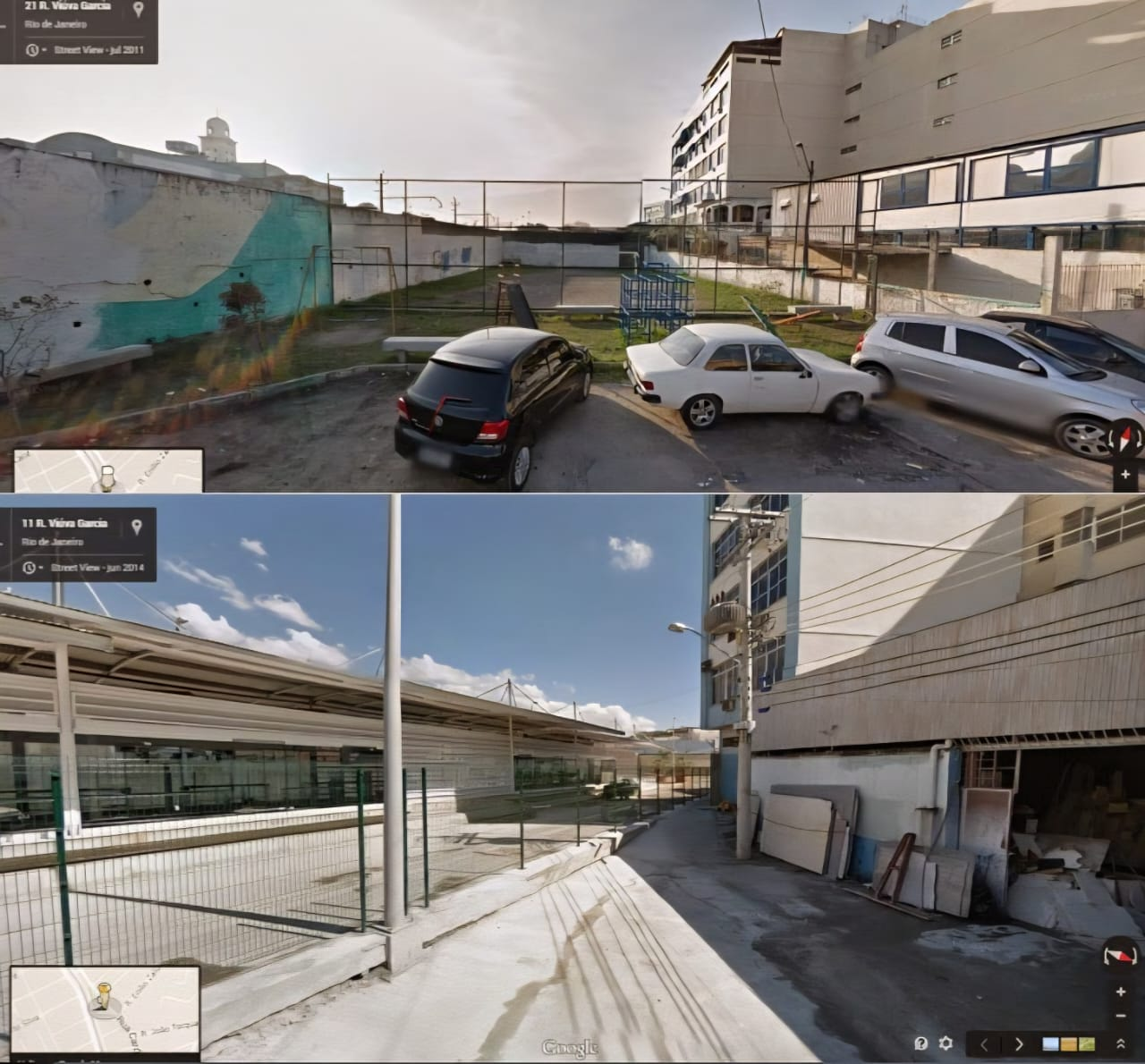
At the same time, it was becoming increasingly clear that the Olympic legacy was taking a different path from the one that had been promised. Even before the Games, there were warnings that most public investment would end up benefiting large real estate developments and private interests, especially in Barra da Tijuca. Ten years later, that prediction has come true.
The Olympic Park, built on a vast public site and presented as a legacy for Rio residents, is on its way to becoming a large technology and entertainment complex geared toward commercial use, surrounded by private condominiums and intended primarily for those who can afford the experience.
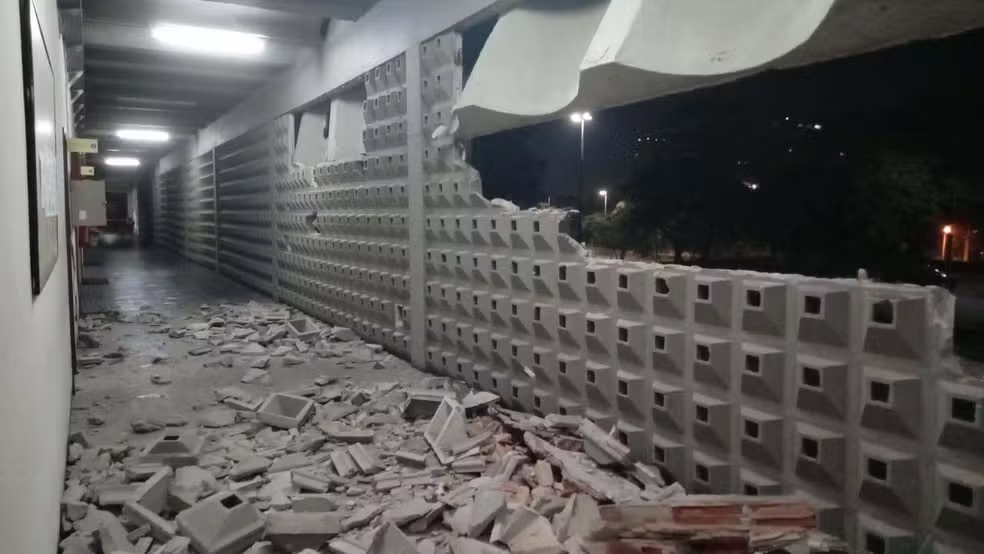
The irony is perhaps even greater when looking at Fundão today. The site that was originally intended to house world-class sports facilities now sees students from the federal university’s School of Physical Education struggling to attend classes due to a lack of infrastructure, jeopardizing even projects aimed at neighboring communities.
Meanwhile, nearby, Ramos continues to rank among the least green and hottest regions in Rio de Janeiro, as shown by the city government’s own environmental maps. Despite recent announcements about the creation of new parks, the reality is quite different, falling far short of expectations, and investment in and the distribution of green spaces continue to perpetuate historical inequalities and do little to change the reality in precisely those neighborhoods where such investments would make the greatest difference to health, thermal comfort and quality of life. This discrepancy has been highlighted by various analyses of the city’s environmental policy.
The Rio Olympics were often compared to the experience in Barcelona, where the Games were promoted as serving as an opportunity to invest in historically neglected areas and revitalize the city. In Rio de Janeiro, however, the opportunity ended up reinforcing a pattern the city has long been familiar with: the concentration of investment in already highly valued areas, while the outskirts remain outside the official picture.
Over the course of the past decade, I came to understand that the square where my children played was never just a square. It represented a choice between cities. A choice that determined which areas would be shown to the world and which would remain invisible; which neighborhoods would receive ongoing investment and which would continue to accumulate decades of neglect; which regions would be considered international showcases and which would continue to serve merely as places people passed through. Today, I realize that the greatest legacy of the Olympics may not lie in the arenas or the construction projects. It lies in the city that the world never saw.
About the author: Hugo Costa holds a degree in Geography from the Fluminense Federal University (UFF). He is a blogger and a resident of Ramos.