
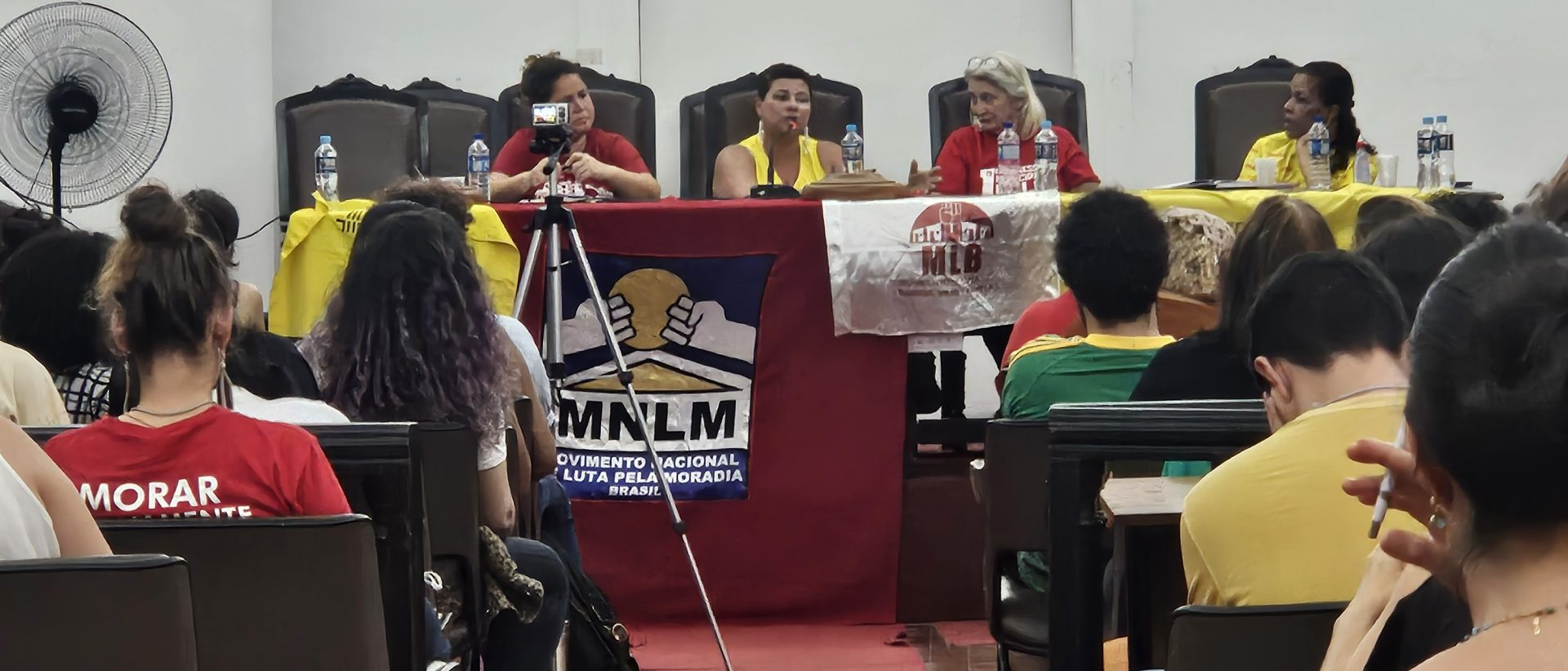

Between November 11 and 14, 2025, the 1st National Meeting of Community Architecture (ENAC) took place at the Federal University of Rio de Janeiro’s (UFRJ) School of Architecture and Urbanism (FAU) and Institute of Philosophy and Social Sciences (IFCS). Amid memories, reports and resistance, ENAC brought together women, architects, quilombolas and favela residents from across Brazil, showing how these groups are shaping the country’s architecture.
I myself, an architect born and raised in Maré—a group of 16 favelas in Rio de Janeiro’s North Zone—grew up watching the city (the favela) built little by little: in the improvised brick and mortar, in the Sunday collective actions, in the scrappy solutions that appear where the State is absent, in the wet rooftops that close the day. Before I studied architecture, I was the girl who watched the walls go up and who walked through the streets noticing every detail on façades. Whole families who realized, and still realize today, the dream of having a roof over their heads through their very own hands.
In college, I found out that this had a name: self-build. But I also discovered that this grassroots knowledge was rarely treated as technical expertise. At the 1st National Meeting of Community Architecture, I rediscovered my roots—and realized that my path was not an exception.
Women Who Build Favela Territories
The opening panel, “Community Architecture: From Theory to Practice,” was entirely composed of women—something deeply symbolic. Especially because they are the ones who, historically, organize occupations, coordinate care networks, keep favelas alive and sustain the fight for dignified housing. They are also the ones fighting for more inclusive and accessible spaces for all.
Among these women was Iara Falcade, an autistic architect from the state of Paraná in southern Brazil and a member of the Union of Architects and Urban Planners of Paraná (Sindarq-PR). She highlighted the importance of women being involved in community architecture projects, as it allows them to gain autonomy and stop depending on men to make small adjustments to their homes.
Falcade was invited to help organize ENAC after presenting a paper at the 2024 Latin American Meeting of Community Architecture (ELAC). She recalls the “surreal” experience of being part of the opening panel with such inspiring women and feeling embraced by the room—a space where she was able to have, as she put it, “an honest conversation.” For her, ENAC has “a temporality of its own”: four intense days that reflect an entire year of collective construction, whose reverberations will live on.
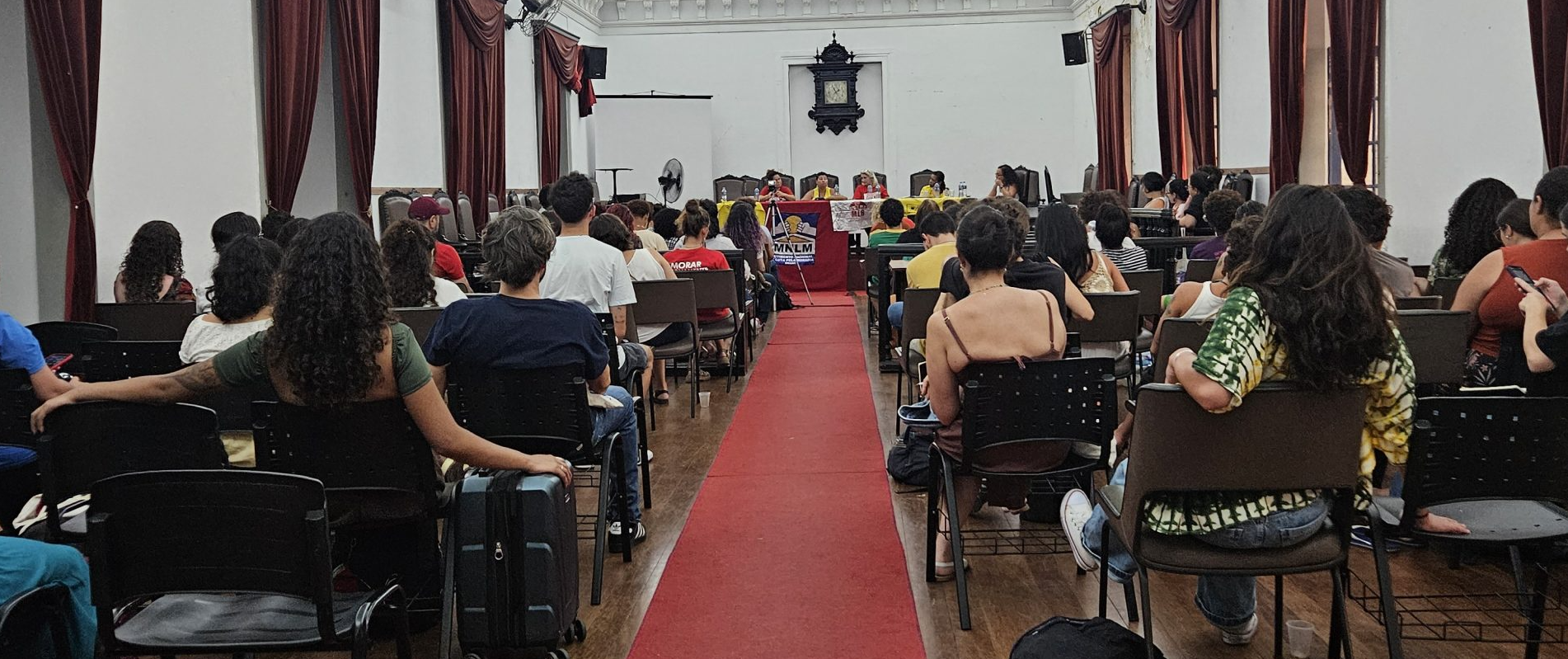
During the discussion, reports emerged about the insufficiency of Technical Assistance for Social Housing (ATHIS), the distance between technicians and territories, the mismatch between teaching and practice and the institutional violence that cuts through communities in Rio, in other Brazilian states and around the world.
Community Architecture As a Way to Overcome the Denial of Rights
Over the course of the event, the concept of Community Architecture consolidated into four key elements:
- Real and intersectional resident participation in processes;
- Respecting territorial and cultural dynamics;
- Recognizing grassroots practices and the community’s collective memory; and
- Projects born from listening, not from technical imposition.
The event emphasized the importance of Technical Assistance for Social Housing (ATHIS), established by Federal Law 11,888/2008, which guarantees that families earning up to three minimum wages (in 2025, the equivalent of R$4,554, or ~US$857) can access, free of charge, technical support and project assistance for the construction, renovation and regularization of their homes.
However, ENAC emphasized that what exists on paper is still far from reaching the communities where social vulnerability is greatest. Without municipal funding, accessible grant calls or political will, the right to ATHIS is lost before it can translate into doors, roofs, walls and safer structures.
For those, like me, who grew up in a self-built area, this reality isn’t surprising: where the State is absent, it’s up to the people to react and create, using their own power, social technologies and ancestral knowledge.
This grassroots power, however, should not be confused with overcoming State neglect. It is important to make clear that public policies, budget and legislation are essential and work alongside the local power of the favelas and other marginalized communities.
Experiences That Transform Communities
Amid the diversity of experiences presented at ENAC, three reinforce the idea that architecture goes far beyond technical ability. It is, above all, about: care, politics and life.
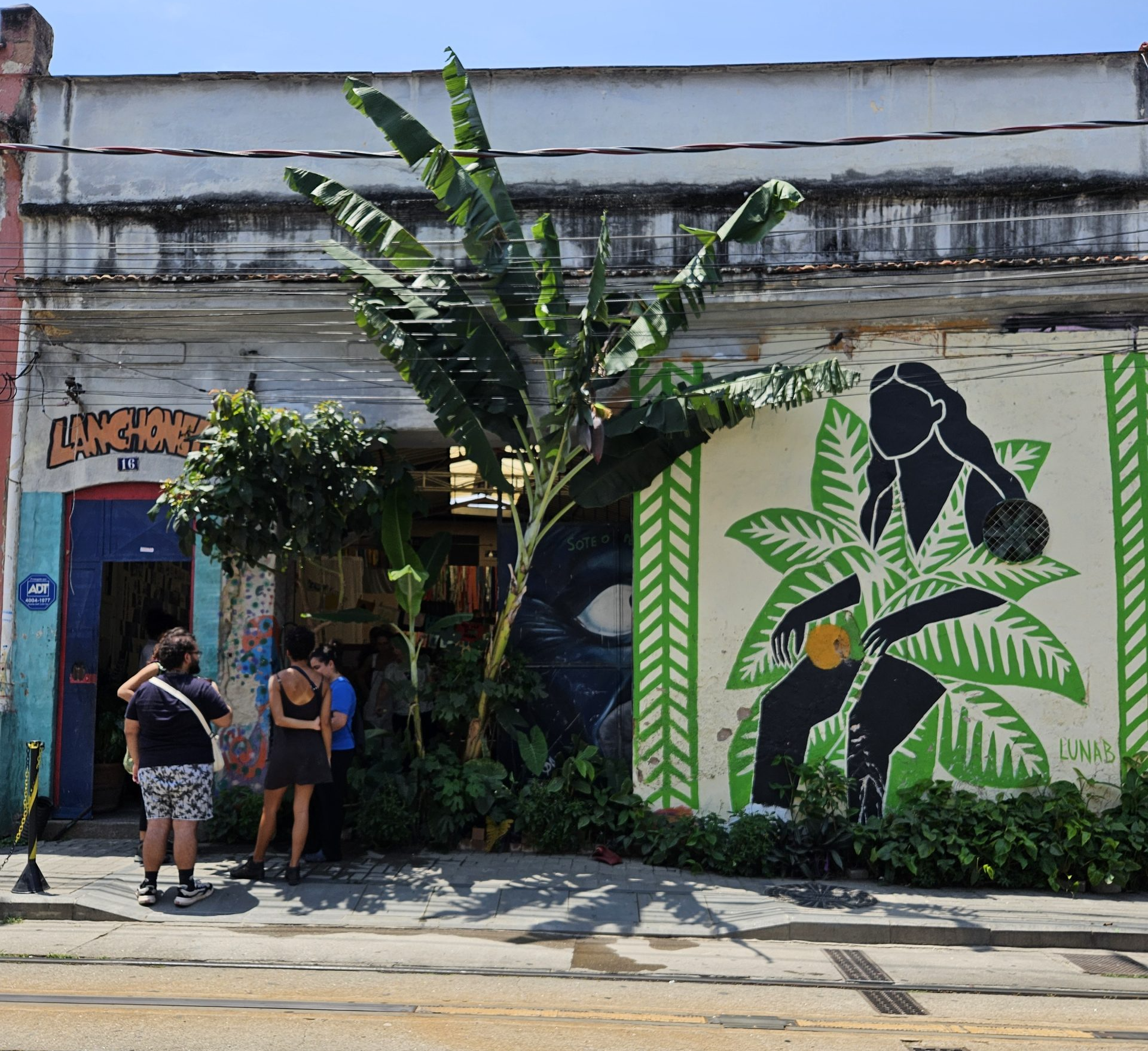
The first is called Lanchonete-Lanchonete (which means Café-Café), located in Gamboa, in downtown Rio, which works with children and young people outside school hours. Amanda Arcuri, a member and spokesperson for Lanchonete-Lanchonete, highlighted the importance of care and support spaces within communities. The experience of Lanchonete-Lanchonete revealed how food, culture, care and community are deeply interconnected. The space functions as what urban planners call a “third place” (the first being the home, the second the workplace, and the third being community space). This is a type of architecture focused on coexistence and on creating and deepening social ties.
The panel also opened space for powerful discussions about the reconfiguration of families, homes shared collectively by friends, housing for trans people, gender-inclusive public restrooms, and the need for architects to free themselves from the outdated model of the “traditional family,” questioning cisheteronormative urbanism and opening space for new ways of living.
The third initiative to be highlighted was that of technical advisory teams. During the panel dedicated to this topic, Heloisa Marques, from the Rio Grassroots Advisory Collective, emphasized the work of multidisciplinary teams—mostly composed of women—in underinvested areas throughout the state. Marques stressed the importance of methodological exchanges with groups from across the country and the need to strengthen technical work to ensure the dignified reproduction of life.
Female Protagonism as ENAC’s Common Thread
A variety of women spoke: quilombolas, single mothers, architects, students, favela organizers and leaders of housing movements. All of them discussed recurring—and urgent—themes such as exhaustingly long commutes, the lack of basic public facilities, the overload of care work, life sustained by a community network, the various forms of violence and harassment experienced by favelas and housing as the backbone of existence.
These narratives resonate with the book Feminist City: Claiming Space in a Man-Made World, by Leslie Kern, which explains how the modern city was designed for an “average man,” not for women who carry children, experience harassment, reconcile care and work and depend on their communities for survival.
When Collective Memory and Knowledge Become a Blueprint
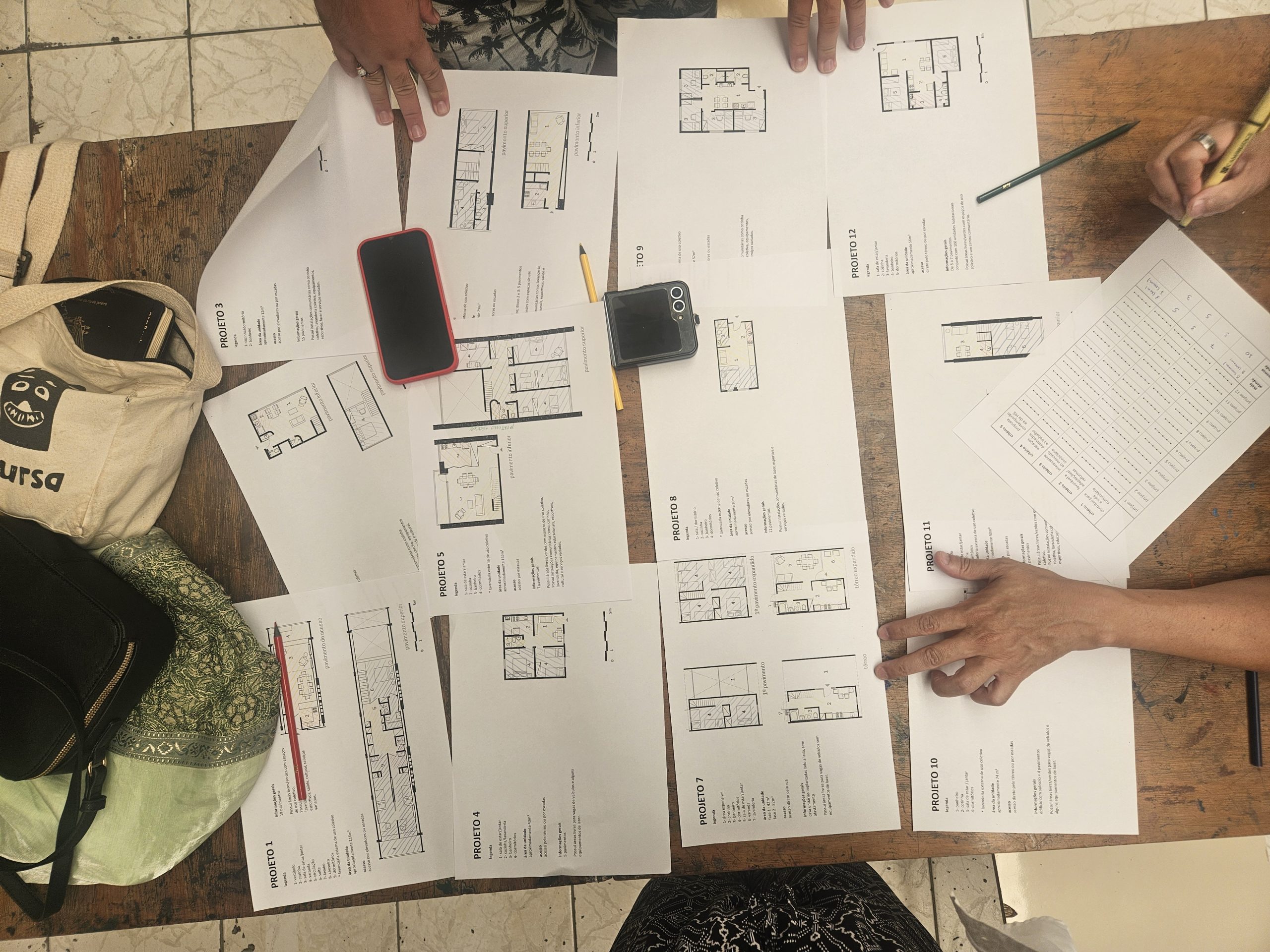
One of ENAC’s workshops was the “Little House of Purpose.” Participants analyzed different floor plans (drawings of houses, as seen from above) in order to understand how specific drawings encourage isolation, while others favor coexistence.
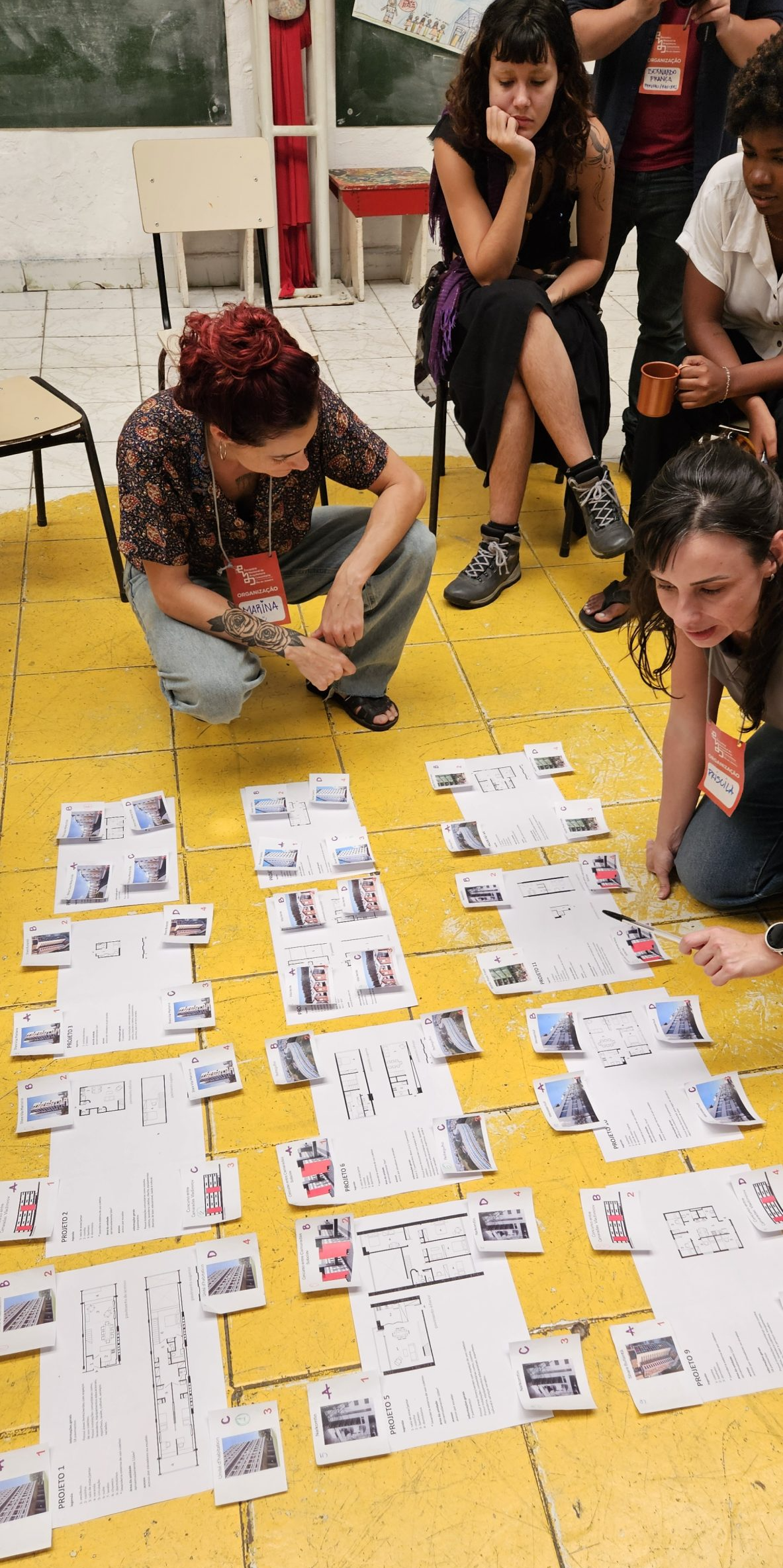
The contrast was evident: standardized floor plans were closed, cold and individualistic. Plans drawn with community participation were open, affectionate and connecting.
Open Mic, Collective Megaphone
The last day of the event was dedicated to the women representing housing movements across Brazil. The idea was an open mic, but the result was more like a collective megaphone. Testimonials touched on topics like State negligence, forced evictions and institutional violence, historical erasure, the need to occupy and live in city centers, and the urgency of direct participation in the creation of housing policies.
“We don’t need them to speak for us. We need them to listen when we speak.” — Lurdinha Lopes, National Movement for the Fight for Housing (MNLM)
In addition, the perspective of the new generation came through in the words of Thalles Amaral, a student at FAU and member of UFRJ’s Model Office of Architecture and Urban Planning (Abricó). He sees ENAC as essential for sharing methodologies and learning strategies to translate the “technicalese” of architecture into accessible language.
According to Amaral, Brazil is a country of primarily self-built architecture, and this needs to be recognized, valued and technically supported by the State. His hope is that ATHIS becomes a mandatory part of architects’ training.
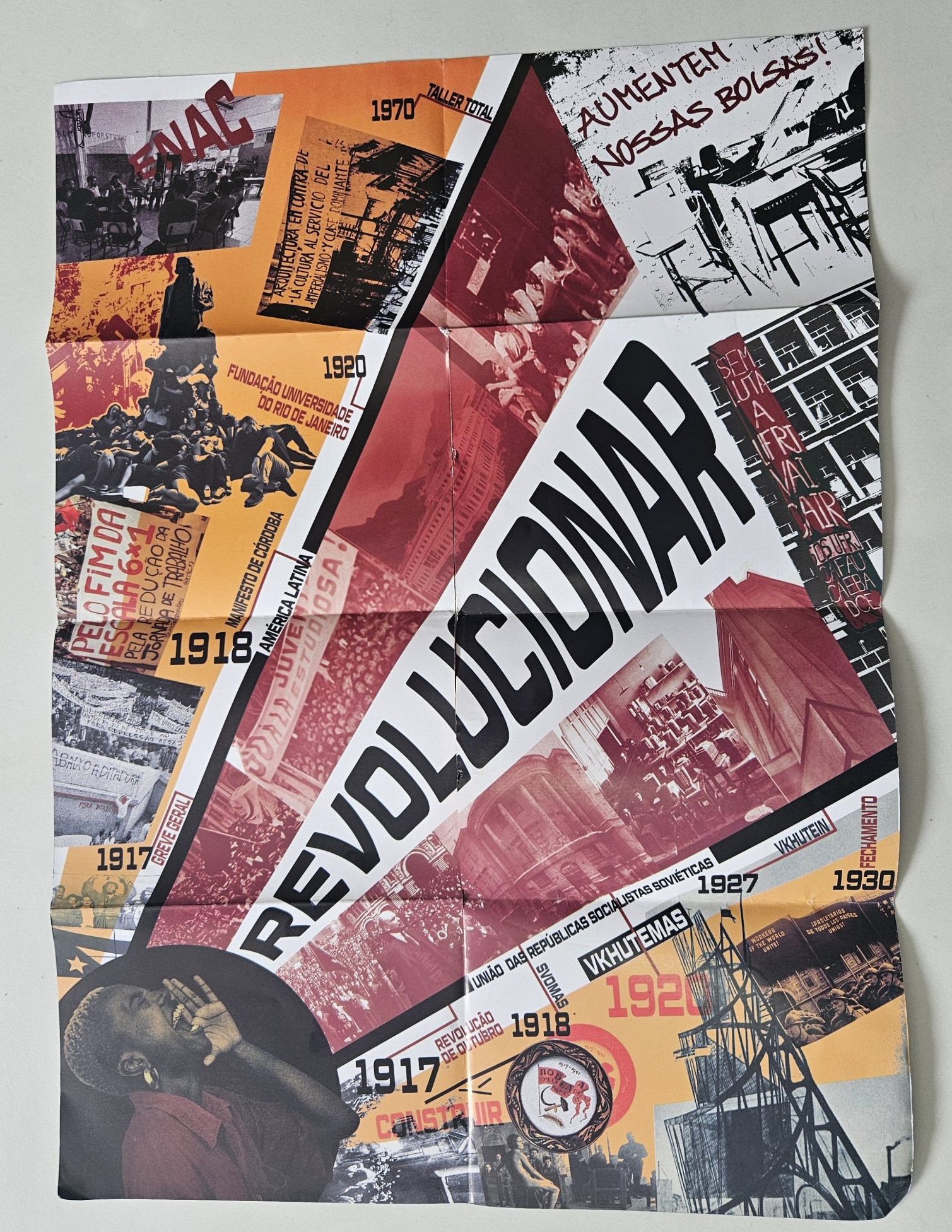
As an architect born and raised in a favela, I left ENAC feeling like I was carrying an entire city within me. I went home understanding that my history—marked by the self-built nature of Maré—is not an exception and is completely compatible with my academic trajectory as an architect.
My favela ground, our social knowledge and social technologies are both tools and foundations. The Community Architecture I encountered there is neither philanthropy nor a romanticization of precariousness. It is collectivity as an architectural practice. It is collective action and wet rooftops finally making their way into academia. It is a recognition of peripheral architectural thought. It is technique, politics, struggle and care.
About the author: Aline Marieta is an architect and a native of Maré. She grew up among alleys, rooftops and self-built homes that shaped her perspective on the world—a perspective that understands the home as shelter, healing and resistance. Balancing technique and care, she writes for RioOnWatch from lived experience: a body that feels the city, a voice that demands dignity, and a heart that believes everyone deserves to live with respect, beauty and a sense of belonging.