

 This photo-essay is part of a series created in partnership with the Behner Stiefel Center for Brazilian Studies at San Diego State University, to produce articles for the Digital Brazil Project on environmental justice in the favelas through RioOnWatch.
Headlines since the 30th Climate Conference (COP30) in Belém have focused on the diplomatic exchanges among heads of state and global authorities in the Blue Zone, particularly the lack of an agreement on fossil fuels, deforestation and climate adaptation financing. Some important, isolated advances in discussions on the climate crisis were reported, maintaining direction from the Paris Agreement—yet these are not enough to prevent the escalation of climate change and, consequently, the climate emergency.
Meanwhile, what may have been COP30’s most significant impact was scarcely reported by national and international media: the largest participation of civil society in the history of COPs and the significance of its cascading effects, clearly perceived by those across the event and its offshoots. For two intense weeks, Belém pulsed under the influence of a vibrant, colorful diversity of organizations from every corner, people and region of Brazil.
Movements from the peripheries of power—including a plurality of Indigenous peoples—with 5,000 Indigenous participants, 400 of whom had access to the Blue Zone, the highest number in history—quilombola communities, traditional fishing communities and informal urban settlements were engaged in constant, intense dialogue. They shared stories rooted in their origins and lived experiences, organizing strategies, citizen-generated data, letters and manifestos, contacts and inspiration—all crucial for sustaining and urgently advancing an agenda that will determine the quality of life of all beings on Earth, now and in the future.
“The UN climate conference in Belém went down in history as the edition with the largest Indigenous participation ever recorded… Indigenous peoples are guardians of the territory, the environment and life… Recognizing this leadership is essential to advancing global measures for climate change mitigation and adaptation.” — Sônia Guajajara, Minister of Indigenous Peoples
Spaces Across Belém Were Filled With Movements and Collectives Seeking Climate Justice
Civil society was primarily concentrated at the People’s Summit, launched on November 12, as well as in several houses occupied by thematically aligned groups to host their own discussions and events, spread across the capital of Pará (including the COP Indigenous Village, Chico Mendes House, City House, Black Amazon House, Amazon Media Ninja House and the House of Socio-environmental Journalism). Many groups also had the opportunity to hold events and actions in the Green Zone, made available by Brazil’s federal government as part of the official COP30 space, starting on November 10, which received over 500,000 visits.
View the Album: Green Zone, People’s Summit Boat Parade Launch and Indigenous Village:

The People’s Summit is an autonomous civil society movement that has taken place in parallel with the climate conferences since the 1992 Rio Earth Summit, serving as a counterpoint to official negotiations by giving voice to traditional communities and social movements, while demanding climate justice and grassroots-driven solutions—countering the primarily market-based proposals put forth by public officials at the COPs. As stated in its Principles Charter, signed by 1,100 organizations, planning for the COP30 People’s Summit began in 2023 with the aim of guaranteeing a space for grassroots struggles and coordination in pursuit of sustainable and just alternatives to the climate crisis.
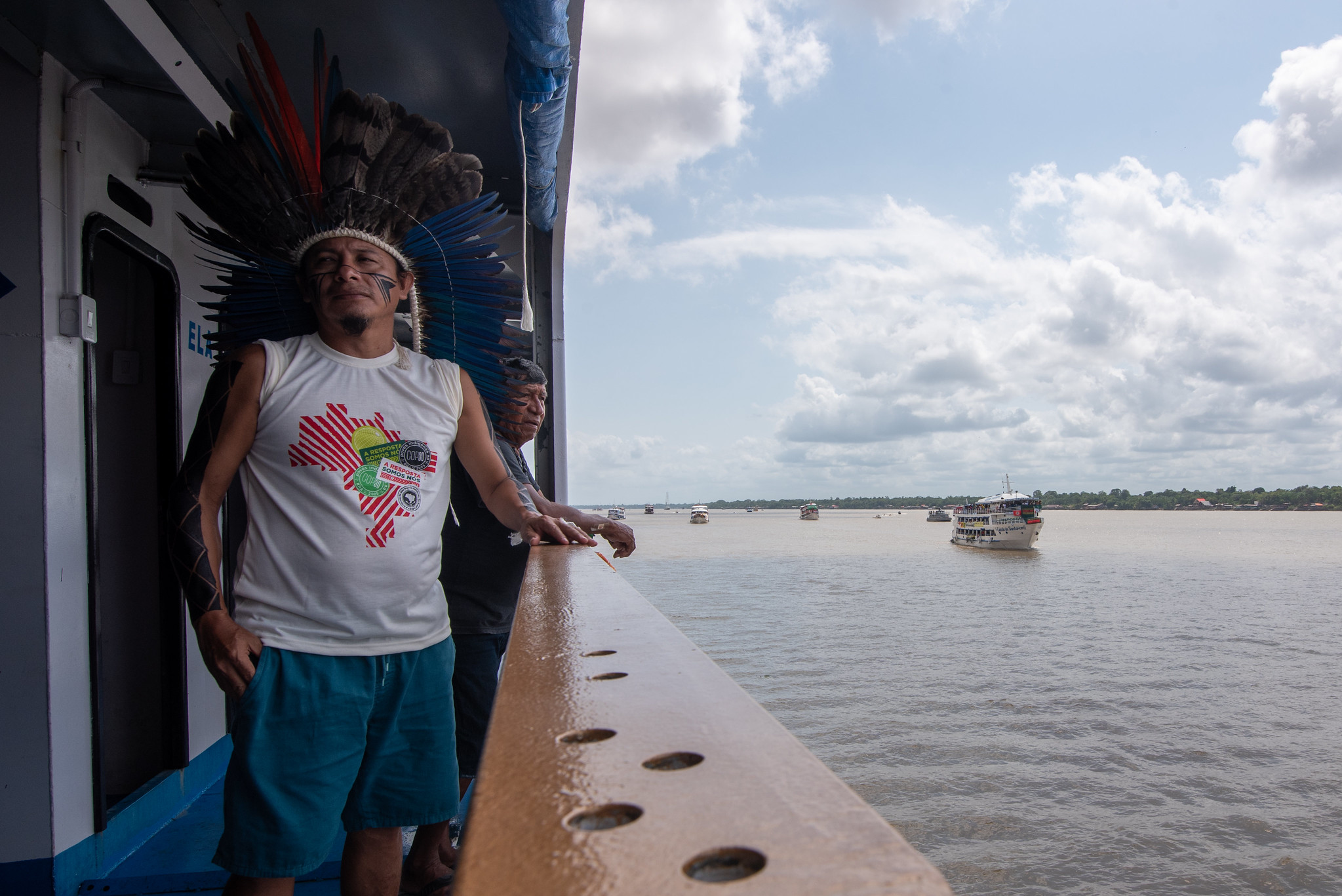
The Boat Parade for Climate Justice marked the opening of the COP30 People’s Summit, bringing together over 200 vessels in Belém’s Guajará Bay. Some 5,000 people joined the historic demonstration on November 12 in defense of the Amazon, ancestral territories, traditional communities and climate justice.
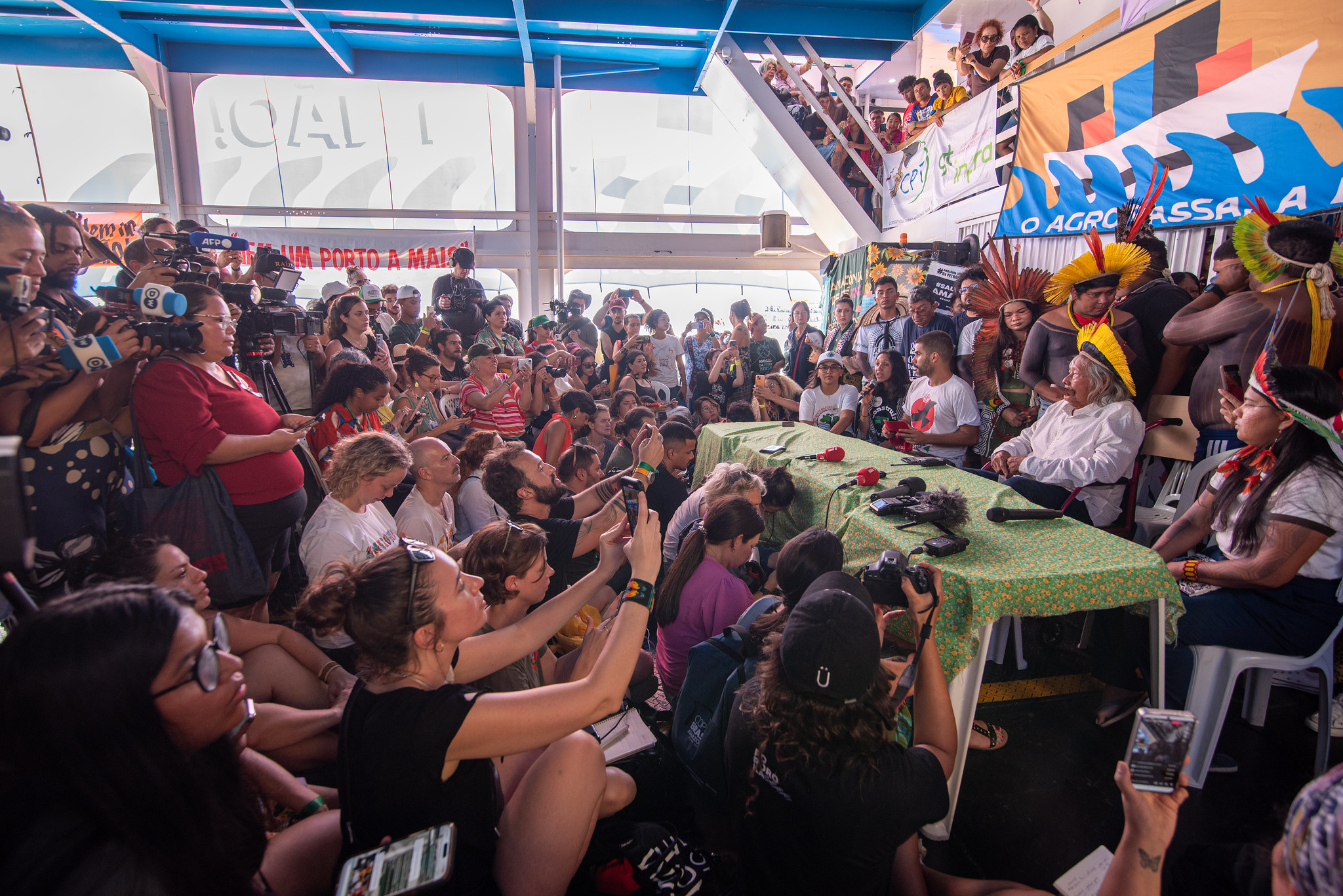
With commanding speeches delivered in several Indigenous languages, Indigenous movements made themselves heard. On the vessel opposing the Ferrogrão railway, media outlets from around the world listened to Chief Raoni, a historic leader of Brazil’s Indigenous movement and a member of the Kayapó people, who spoke in Mebêngôkre, his mother tongue, and was translated into Portuguese by his nephews.
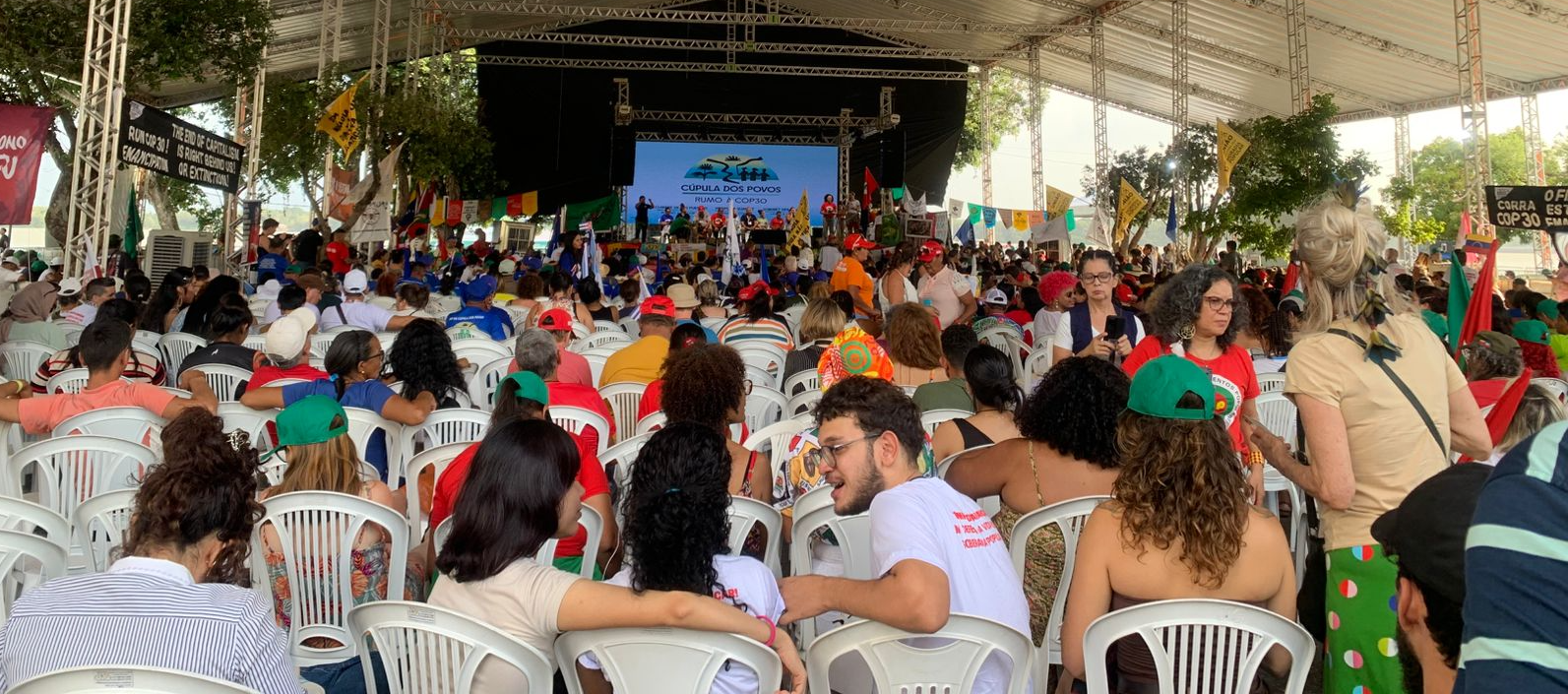
On that same day, in the late afternoon, the opening of the People’s Summit took place at the Federal University of Pará (UFPA), where several days of thematic deliberations followed to collectively draft the People’s Summit Declaration, which was presented to national authorities on the final day of the Summit.
Meanwhile, the Children’s Letter, produced by the Children’s Summit over the course of the People’s Summit, brought together around 600 youth for its drafting.
Over its four days, representatives from 65 countries attended the Summit, including 25,000 credentialed participants and around 20,000 people circulating daily on the UFPA campus, taking part in activities, performances, discussions and plenaries. Over 300 national and international media outlets covered the event, one of the largest global mobilizations for climate justice in history.
At the People’s Summit, a historic solidarity kitchen was set up which, in the largest public procurement of Brazil’s Food Acquisition Program (PAA) in over 20 years, served between 9,000 and 12,000 meals per day. It also took the initiative to distribute thousands of meals to Belém’s favelas during the People’s Summit—around 7,000, according to the state of Pará’s Landless Workers’ Movement (MST) leaders.
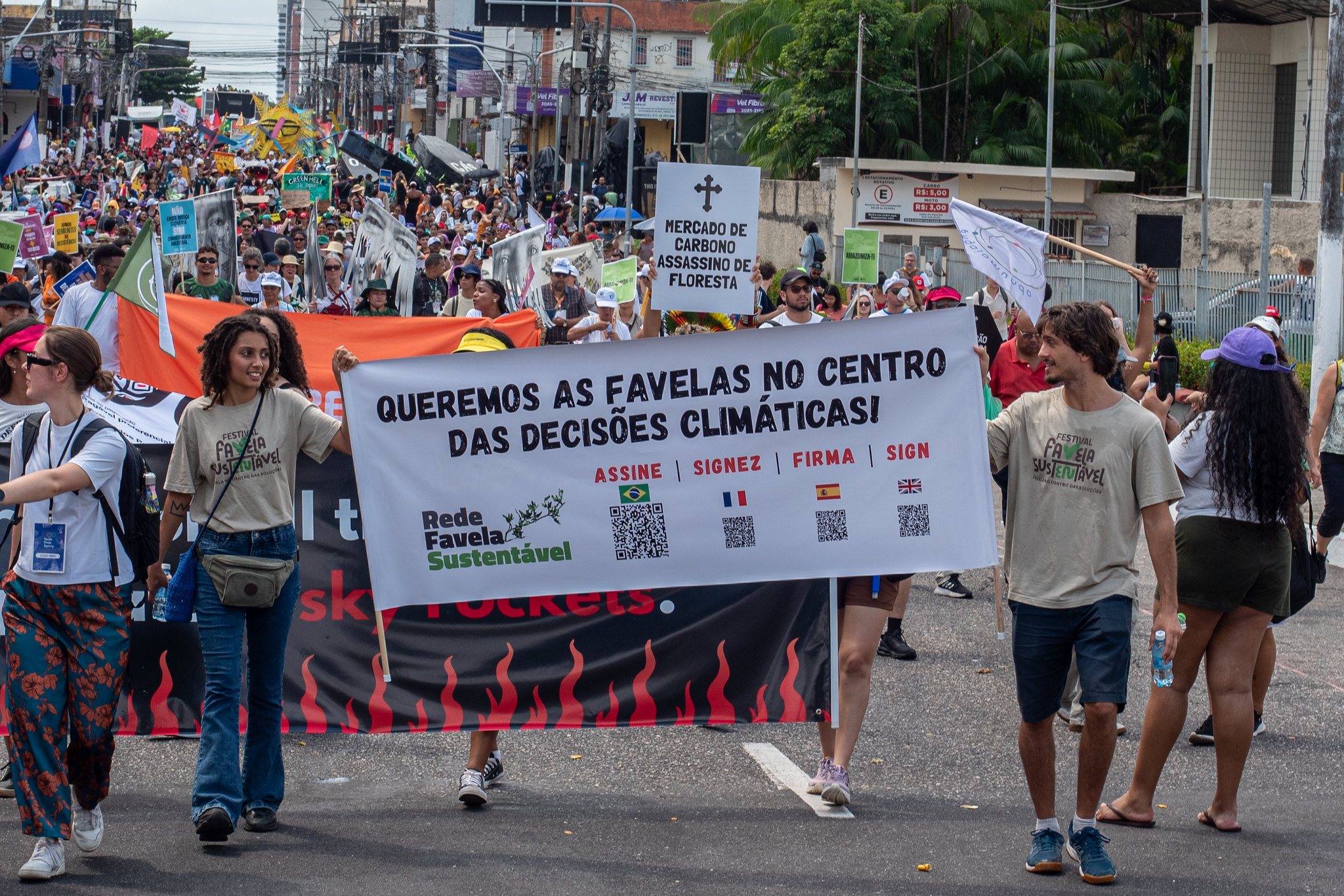
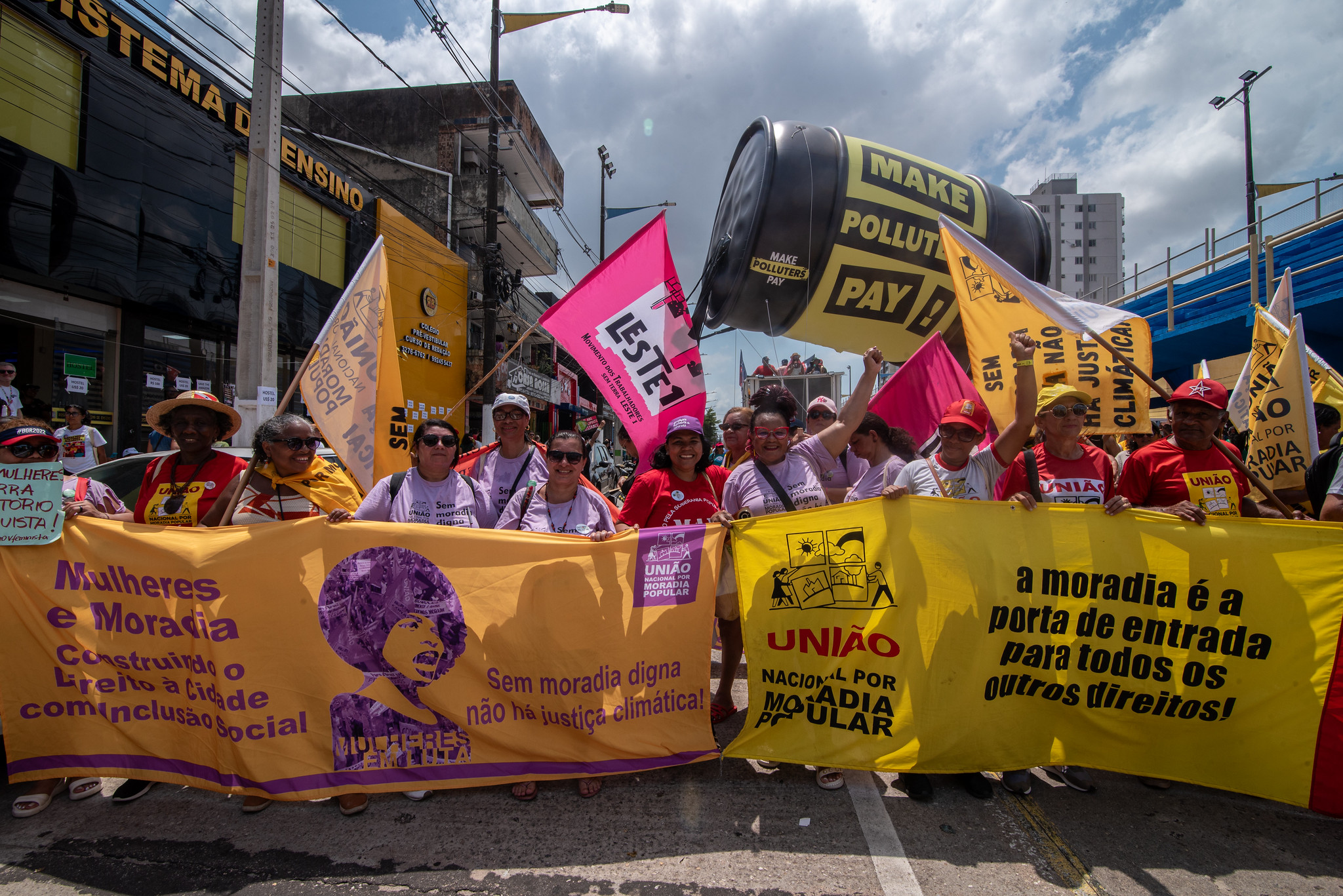
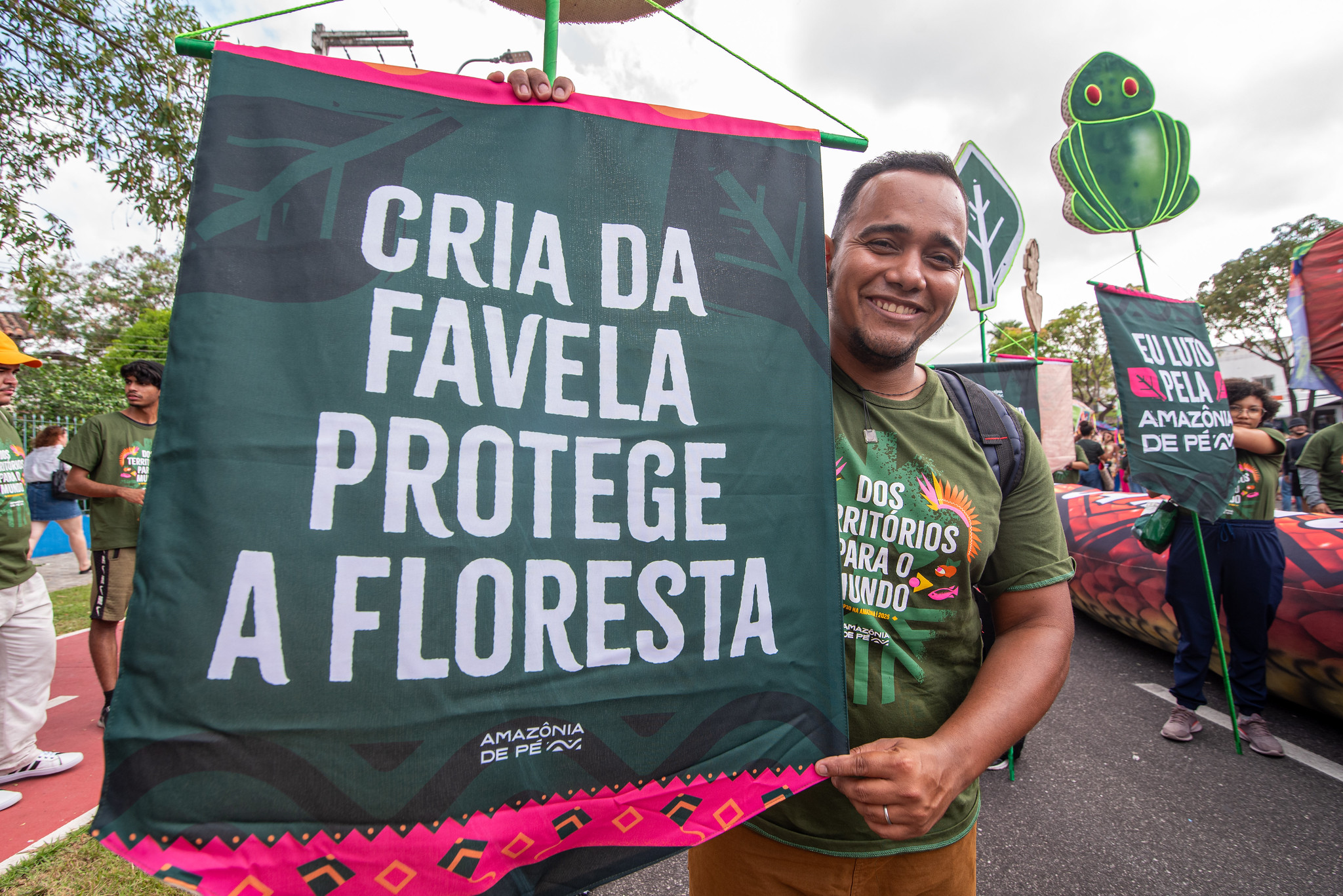
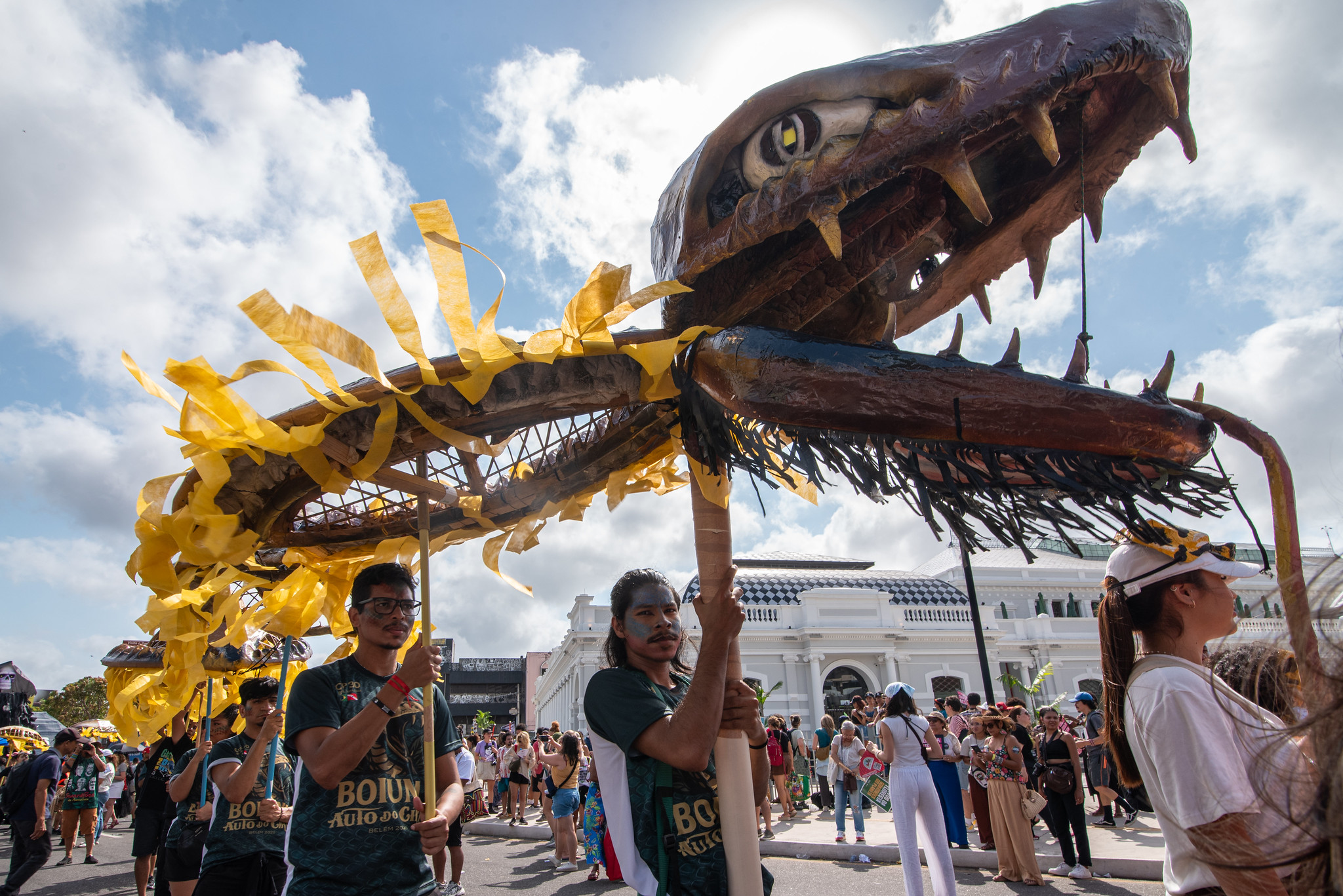
The peak of the mobilizations was the Global Climate March, organized by the People’s Summit and the Baixadas COP (“baixadas” are the local term for favelas in Belém). The march took place on the morning of November 15 and brought together 70,000 people, covering four and a half kilometers through the streets of the city with floats, performances, banners, speeches and a staunch sense of community.
View the Photo Album from the Global Climate March:

Marching from São Brás Market to Aldeia Cabana, where Belém‘s samba schools parade during carnival, participants demanded the right to land, food sovereignty, an end to the climate crisis and to the use of fossil fuels, zero deforestation, the demarcation of Indigenous and quilombola lands, as well as taxation of the super-rich.
“Workers from all over the world are walking through the streets of Belém to say that the true republic we believe in is one that guarantees the rights of workers, cares for nature with future generations in mind and knows how to defend our country’s sovereignty. We are here protesting around the environmental agenda, but also around other urgent agendas.” — Ayala Ferreira, Landless Workers’ Movement (MST) and Political Committee of the People’s Summit
Advocacy Letters from Peripheral Movements Proliferate at COP30
In addition to the Policy Charter that guided the People’s Summit and the Summit Declaration and the Children’s Letter built over days of deliberation in Belém, numerous other movements from the peripheries of power and their allies launched their own letters with demands for climate justice. There were institutional letters of support, such as [Brazil’s national health foundation] Fiocruz’s Open Letter: health as a guiding axis of global climate action and [Brazilian Collective Health Association] ABRASCO’s Manifesto Letter “The Struggle of Collective Health in the Face of Ecological Collapse,” as well as grassroots letters, such as the COP30 Letter From the World’s Informal Settlements*, which drew interest from around the world and was presented at COP30 with 236 institutional signatories and 710 individual signatories from 22 states and 43 countries, and the various Climate Rights Charters produced across Brazil.
These latter initiatives—the Climate Rights Charters—were organized by the Climate Reality Project in partnership with local groups, bringing together community letters from across the country. Among them, from Rio de Janeiro, are letters from Morro da Providência and Little Africa, Complexo da Maré and São Gonçalo. From other regions, they include letters from Aldeia Mãe Terra in the Cachoeirinha Indigenous Territory, in the state of Mato Grosso do Sul; the District of Palmas, in the municipality of Bagé, Rio Grande do Sul; Caratateua Island in the Icoaraci District, Pará; the quilombos of Sítio Araçá and Jatobá II, in the northeastern state of Pernambuco; the communities of Terra Ronca, in Goiás; Morro do Papagaio, in Belo Horizonte, capital of Minas Gerais; and Tarumã, a neighborhood in Manaus, capital of the state of Amazonas.
“The history of our region—Morro da Providência, Saúde, Gamboa and Santo Cristo—is a port history, shaped by water. We live in an area that has long suffered from frequent flooding. It is no coincidence that the name Gamboa comes from ‘small flooded areas near the edge of the river or sea.’ This vast port area was once covered by beaches and lagoons, back when Indigenous peoples still lived here—the first to be expelled. Images by [18th century French painter Jean-Baptiste] Debret and other painters from the past depict the settlements of the peoples who first inhabited this place.” — Excerpt from the Morro da Providência and Little Africa Letter
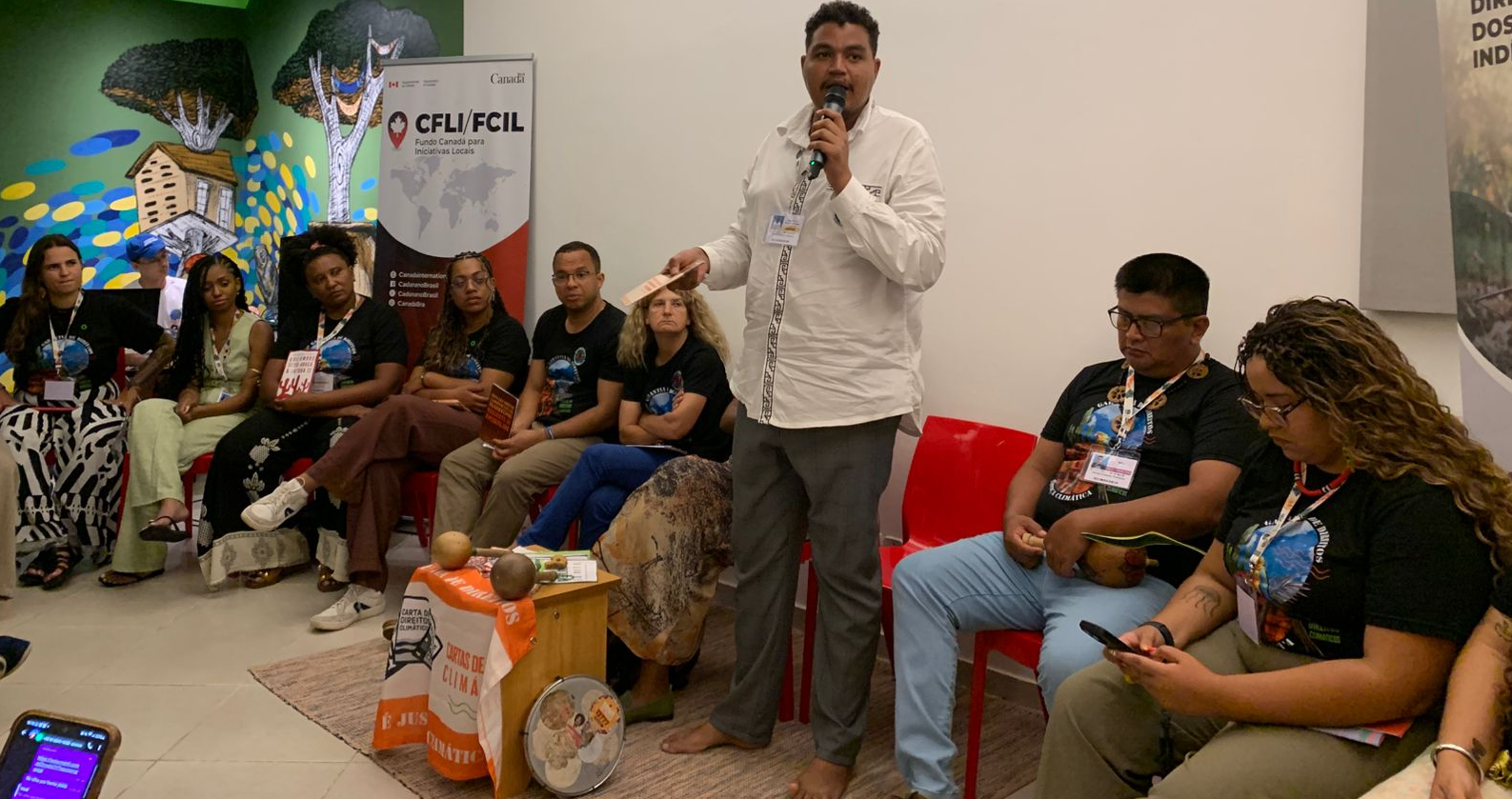
Peripheries Present Data Exposing Environmental Racism and Strengthening Demands for Climate Justice
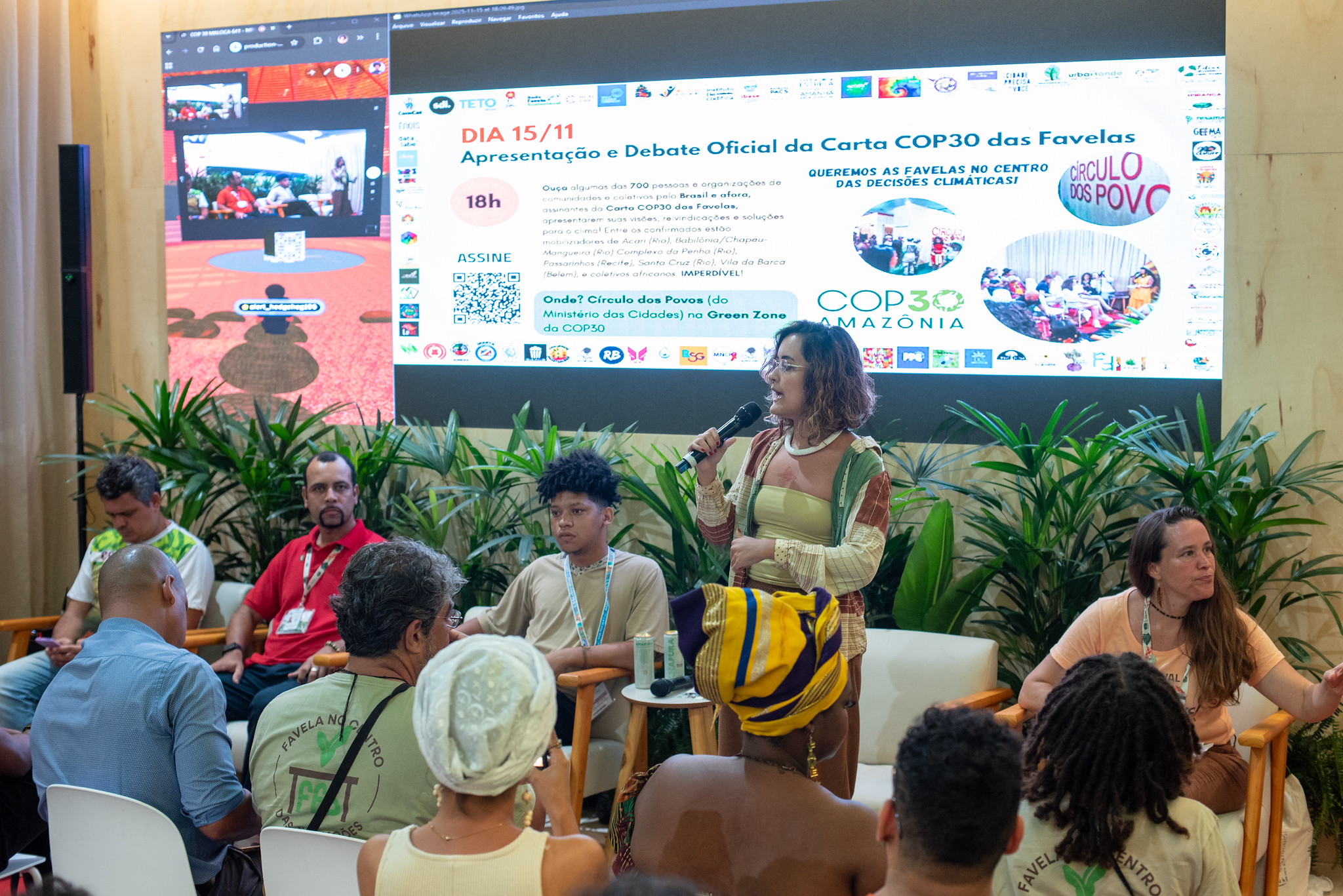
Another singular expression of favela civil society organizing at COP30—compared to previous COPs—was the presentation of rigorously produced data generated on a “by us for us” basis. The Decodifica Institute presented its unprecedented study, “Portraits of Floods: Preliminary Data on the Impact of Rainfall on Brazilian Favelas and Peripheral Areas.”
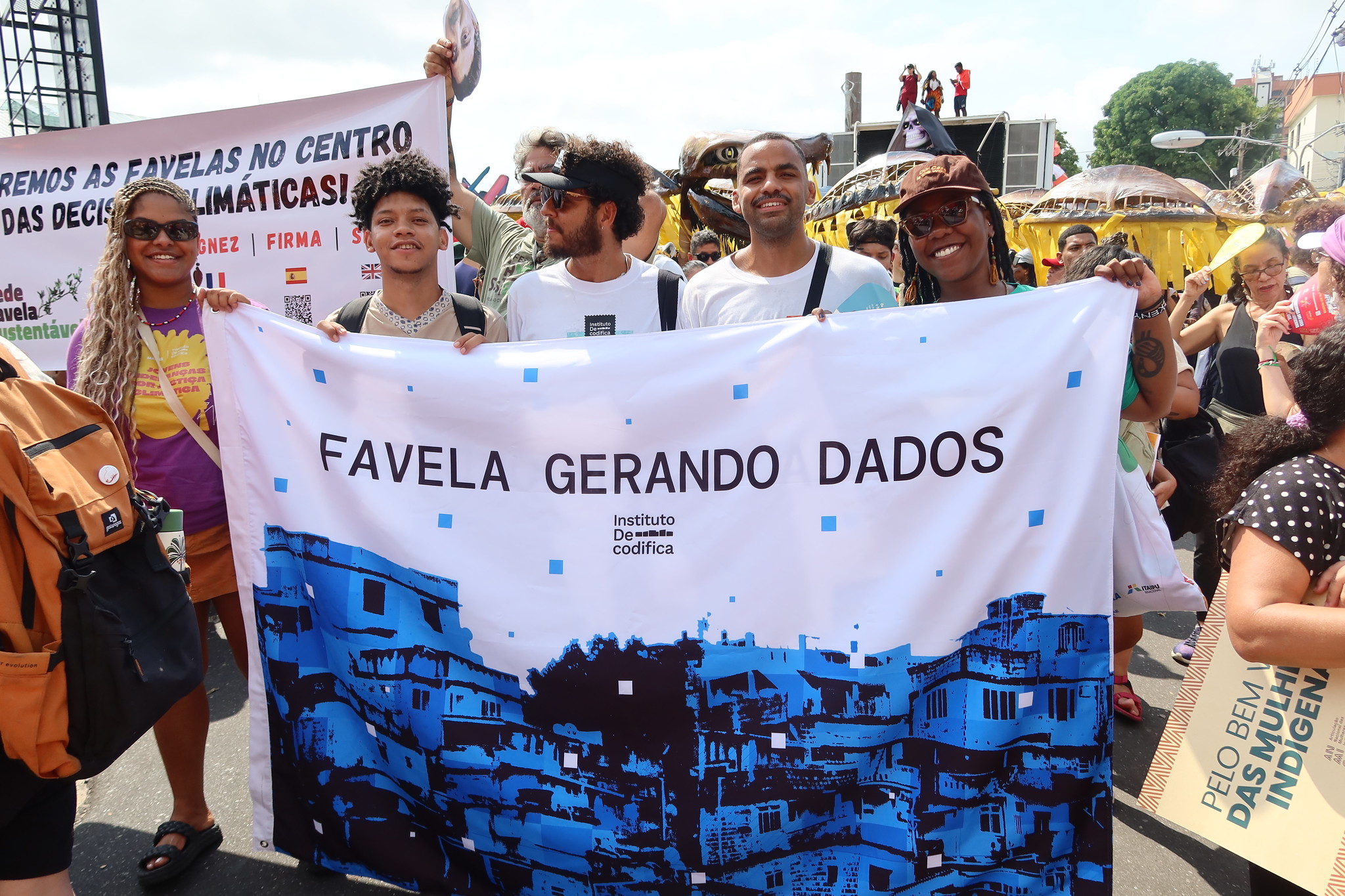
At the same event, held in the space provided by the São Paulo Council of Architecture and Urbanism in the Green Zone, TETO Brasil presented its “Climate Overview of Favelas and Invisibilized Communities,” and Catalytic Communities shared a brief history of the qualitative study “Favela Climate Memory,” conducted by the Sustainable Favela Network*.
Hundreds of Thousands Return, Empowered, to Their Communities
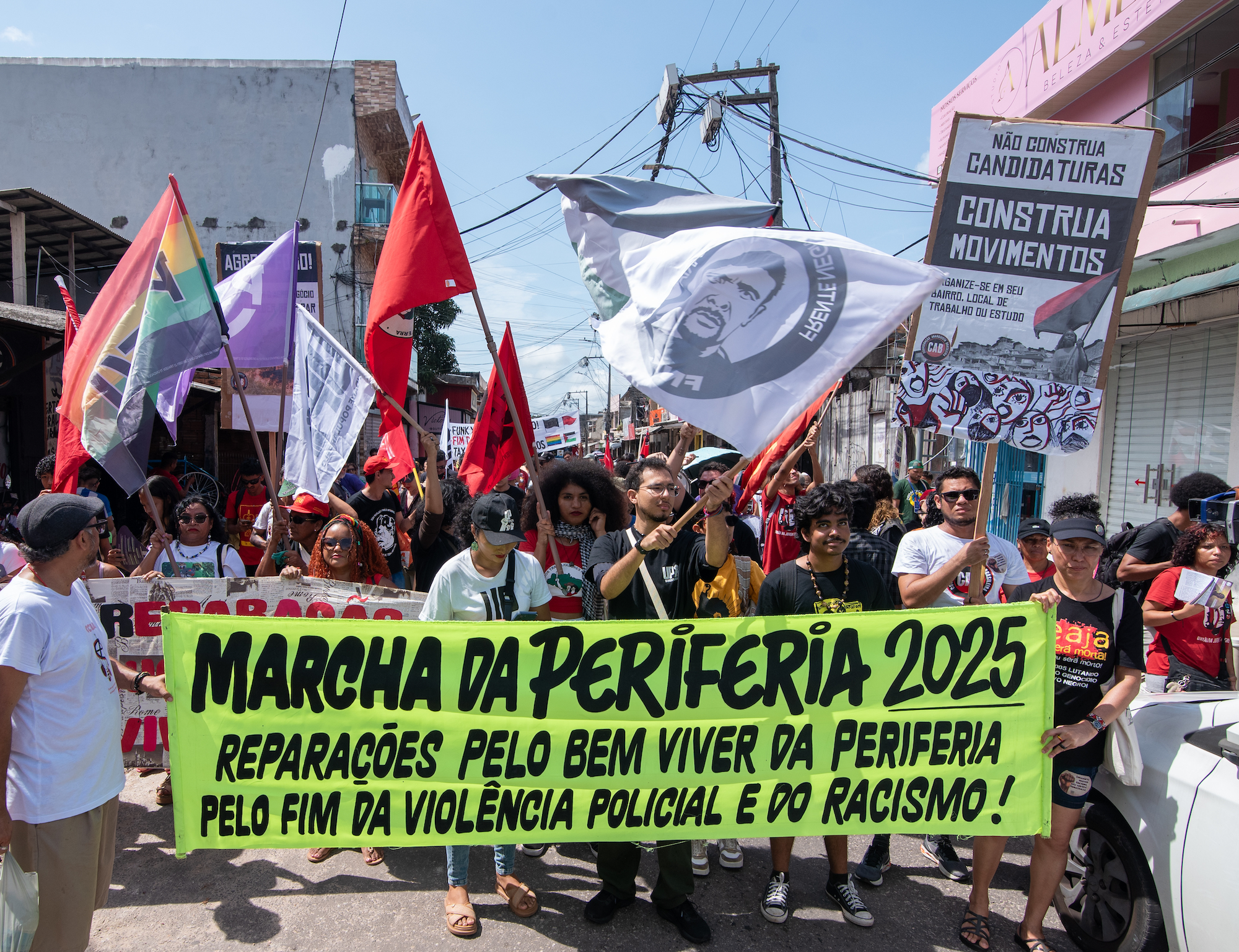
On November 20, Brazilian Black Awareness Day, after the conclusion of the People’s Summit and as the official COP30 was coming to an end—with media attention diverted almost exclusively to what turned out to be a small fire reportedly caused by an illegal microwave oven—peripheral movements continued the fight. On that day, organizing took the form of the March of the Periphery, which brought together 400 people in the streets of Belém’s largest baixada, Terra Firme.
Over the course of COP30 activities in Belém, whether covered by the press or not, hundreds of thousands of people became more aware, asserted their rights, drew strength from one another and built connections, then returned to their homes and communities with a surge of collective power. They were renewed with the conviction that solutions will come through a reconnection with nature and with one another—which is nothing more than a return to ancestral and popular wisdom.
*The Sustainable Favela Network—which drafted the COP30 Letter From the World’s Informal Settlements and organized the panel on Citizen Generated Data in favelas—and RioOnWatch are initiatives of the NGO Catalytic Communities (CatComm).