

From 2013 to 2023, RioOnWatch ran the Best and Worst International Reporting on Rio de Janeiro’s Favelas series. It began, quite symptomatically, with the Worst International Reporting on Rio’s Favelas: 2013, where our conclusion was stark: many articles were “not only inaccurate but dangerous in reinforcing a stigmatized, unidimensional view of Rio’s favelas and their residents.” Over the years, the series documented a slow yet meaningful shift—not only in the portrayal of favelas and their residents in international media but also in the choice of topics and the growing nuance in reporting. This evolution culminated in the 2023 edition, which celebrated only the best of international coverage, launching the annual Top International Reporting on Rio’s Favelas series in 2024. Written by guest collaborators, this new series highlights recommended stories on favelas, continuing our commitment to amplify authentic and nuanced narratives on favelas and their residents. This 2025 piece shows a strong shift towards solutions journalism reporting on climate justice and grassroots responses by Rio’s favelas.
Sustainability and Community Response to the Climate Crisis
Cooling Green Roofs Seemed Like an Impossible Dream for Brazil’s Favelas. Not true!
From NPR by Jill Langlois
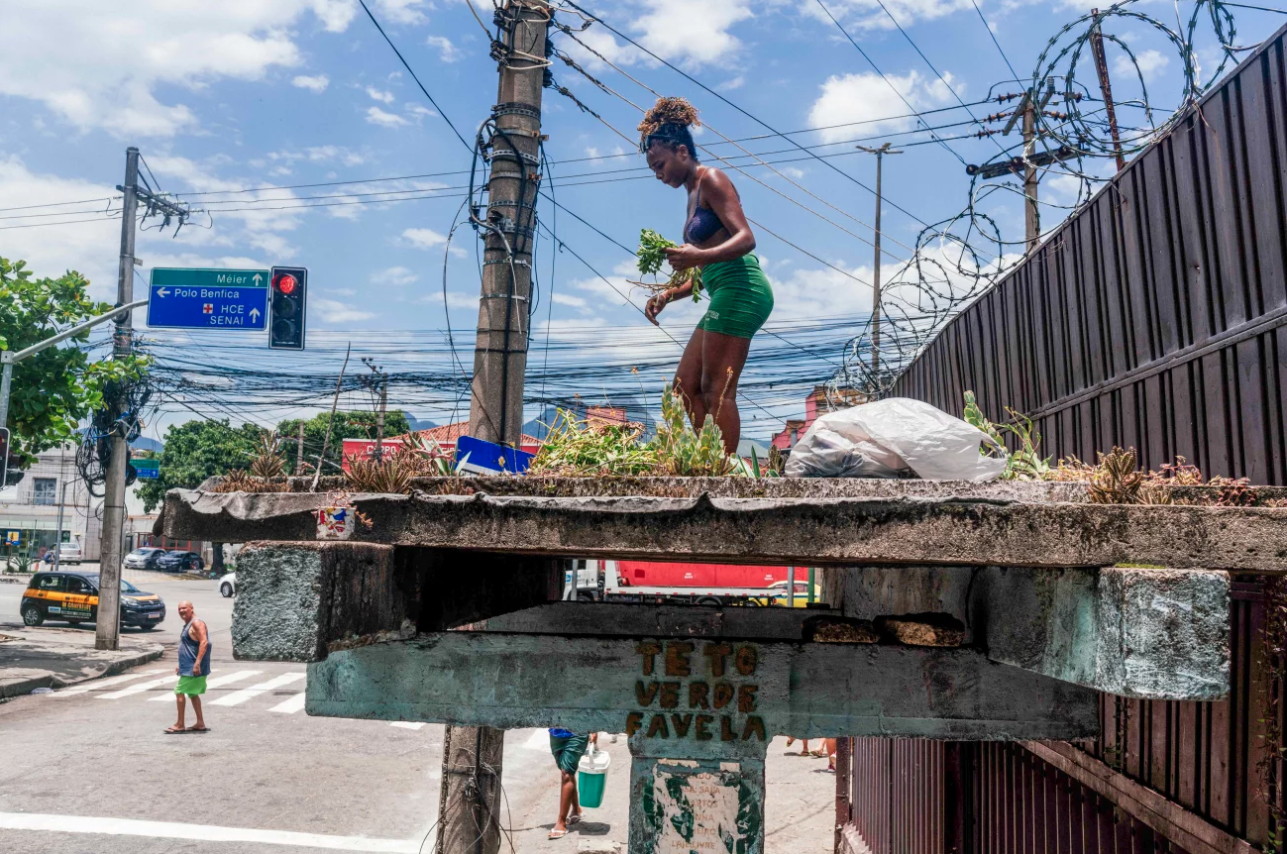
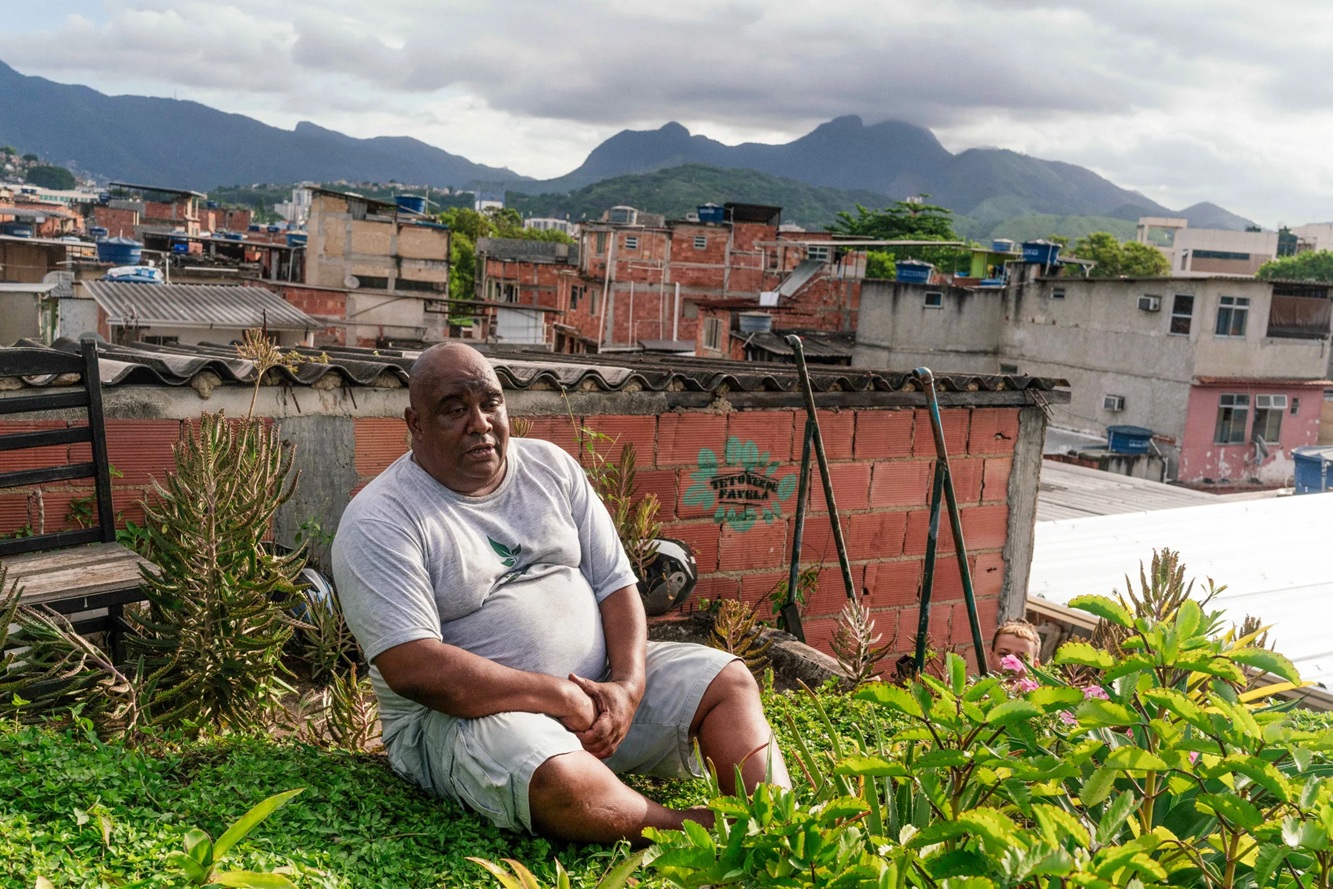
In this radio and written piece by Jill Langlois on NPR, residents of the Parque Arará favela, in Rio de Janeiro’s North Zone, are greening their roofs to mitigate extreme heat exacerbated by climate change. Under the leadership of community-based Teto Verde Favela (Green Roof Favela), founded by Luís Cassiano Silva, residents learn how to plant on their rooftops in a lightweight way that is safe for favela houses while maximizing cooling. “It used to be unbearable when it was really hot out,” says resident Reginaldo Gomes da Silva. “But now it’s cool enough that I can relax. Now, I can breathe again.”
The story shows how such an initiative reflects local culture passed down through generations. Gomes da Silva says his passion for plants was born at home: “My mother taught me all about how to take care of plants: when to water them, how much sun they need, what to do if they start to wilt.” The green roof project not only lowers the temperature in the favela but also brings the community together through collective actions.
How Memories of Clean Water, Frogs and Fresh Air Could Help Save Rio’s Favelas from Future Climate Disaster
From The Guardian by Julia Dias Carneiro
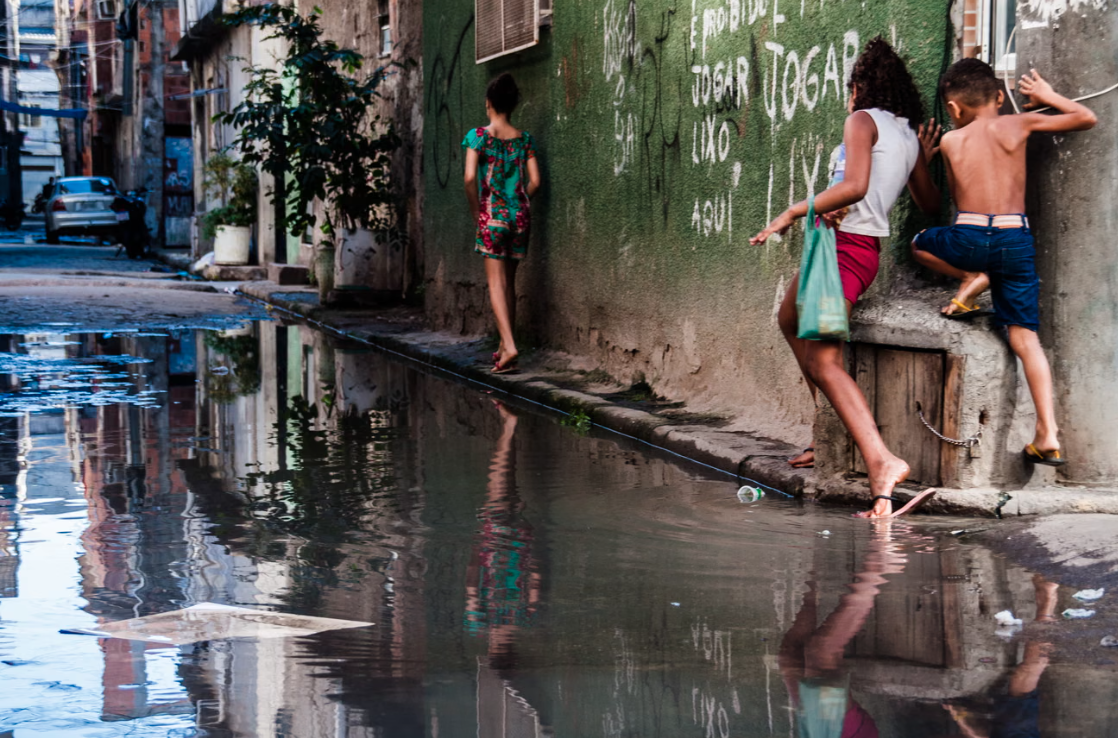
While reporting for The Guardian on the opening of the Favela Climate Memory exhibition in Maré, a group of 16 favelas in Rio’s North Zone, Julia Dias Carneiro contextualizes how, despite historical environmental racism stemming from State neglect, residents have preserved memories of a time when nature was an intrinsic part of the lives of favela residents, as well as memories of climate catastrophes that resulted in lost lives and grassroots problem-solving. By safeguarding these memories, they assert a future of climate and environmental justice for their communities. This sensitive and in-depth piece makes clear how collective memory is a form of resistance. It also shows that solutions to the climate crisis are emerging precisely among those most vulnerable to its impacts.
Community Solar Lights Up Homes and Businesses in Rio’s Favelas
From Dialogue Earth by Kashfi Halford
The mini-documentary by Kashfi Halford published on Dialogue Earth features an inspiring story of a community solution in the favelas of Babilônia and Chapéu Mangueira, in Rio’s South Zone. Paying high prices for electricity, residents decided to address the issue collectively. Revolusolar is “a grassroots, community-run initiative to bring the benefits of solar energy to residents across Babilônia and Chapéu Mangueira.” The piece documents Brazil’s first favela solar cooperative as a sustainable community solution and highlights the important role of creative technology, determination and agency in these communities.
‘I Had No Idea It Would Snowball This Far’: Why a Brazilian Favela Facing Eviction Decided To Go Green
From BBC by Lottie Watters
A text article by Lottie Watters on the BBC tells the remarkable story of the Vila Nova Esperança favela, in São Paulo, which saved its community from eviction through a green transformation. When in 2006 authorities decided to remove 600 families, alleging the area would become a park, resident Maria de Lourdes Andrade Silva (known as Lia Esperança) decided to act. “I thought, ‘I have to do something not to lose my home nor anybody else’s,” she recalls.
Along with her neighbors, Silva began cleaning up garbage piled at the edge of the favela to show authorities that “people from favelas can take care of the environment too.” Thanks to their efforts, the São Paulo State Prosecutor’s Office suspended the evictions. Thanks to their organizing, authorities evaluated that a community that cares for its land deserves the right to stay.
Unfortunately, the BBC report retains use of the erroneous translation of “slums” in reference to favelas, a label that reinforces harmful stereotypes. That said, this important report highlights the exclusion of local communities from decision-making and informs readers how community actors can influence those in power and effectively change decisions in favor of popular demands.
Favela Project Battles Hunger With Urban Fishery and Farming
From Reuters
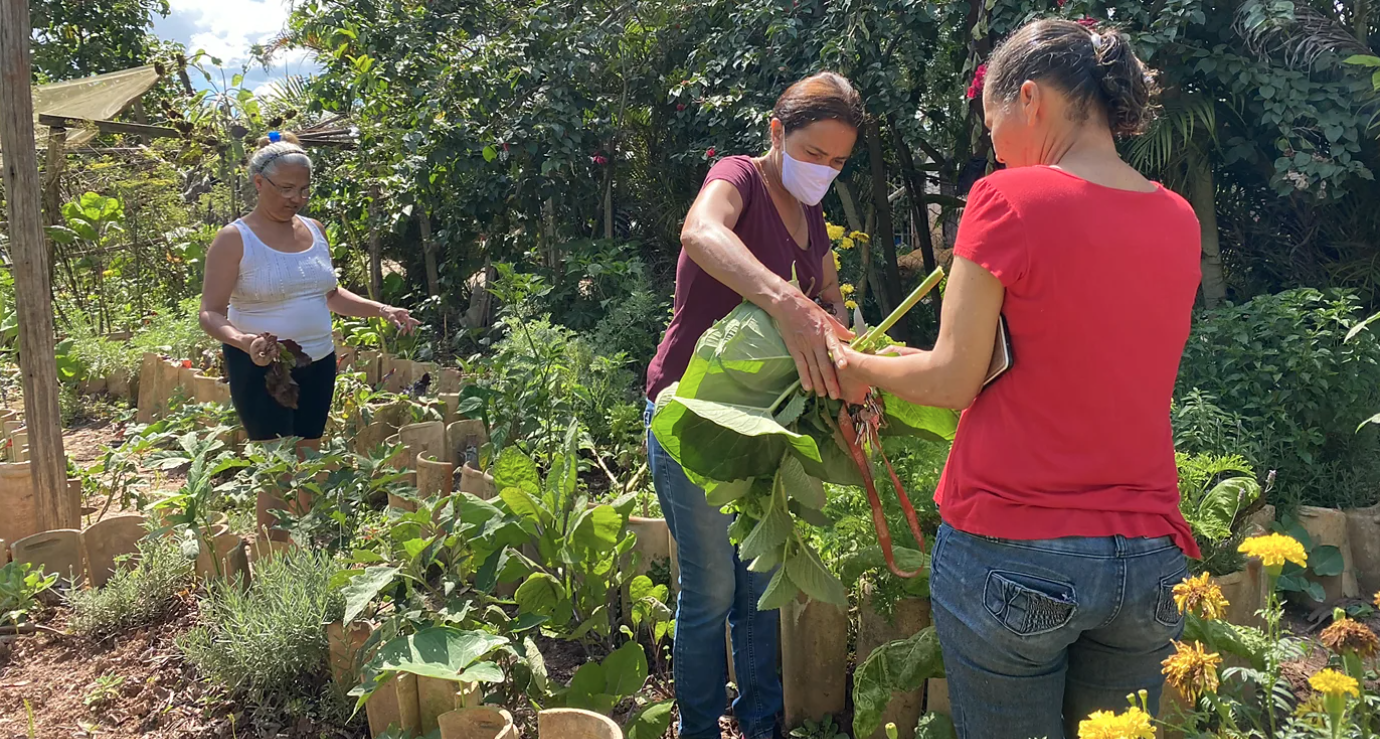
This video report from Reuters takes viewers to the rooftop of a building in Rocinha, in the South Zone of Rio de Janeiro. In response to food insecurity in Brazil’s second largest favela, Flávio Gomes launched Horta na Favela (Garden in the Favela), an urban farm with a vegetable garden and fishery. The story tells how residents produce their own food, helping ensure food security in the community and increasing locals’ protein intake.
In Rio’s Largest Favela, Used Oil Becomes Soap and Social Change
From Mongabay by André Aram
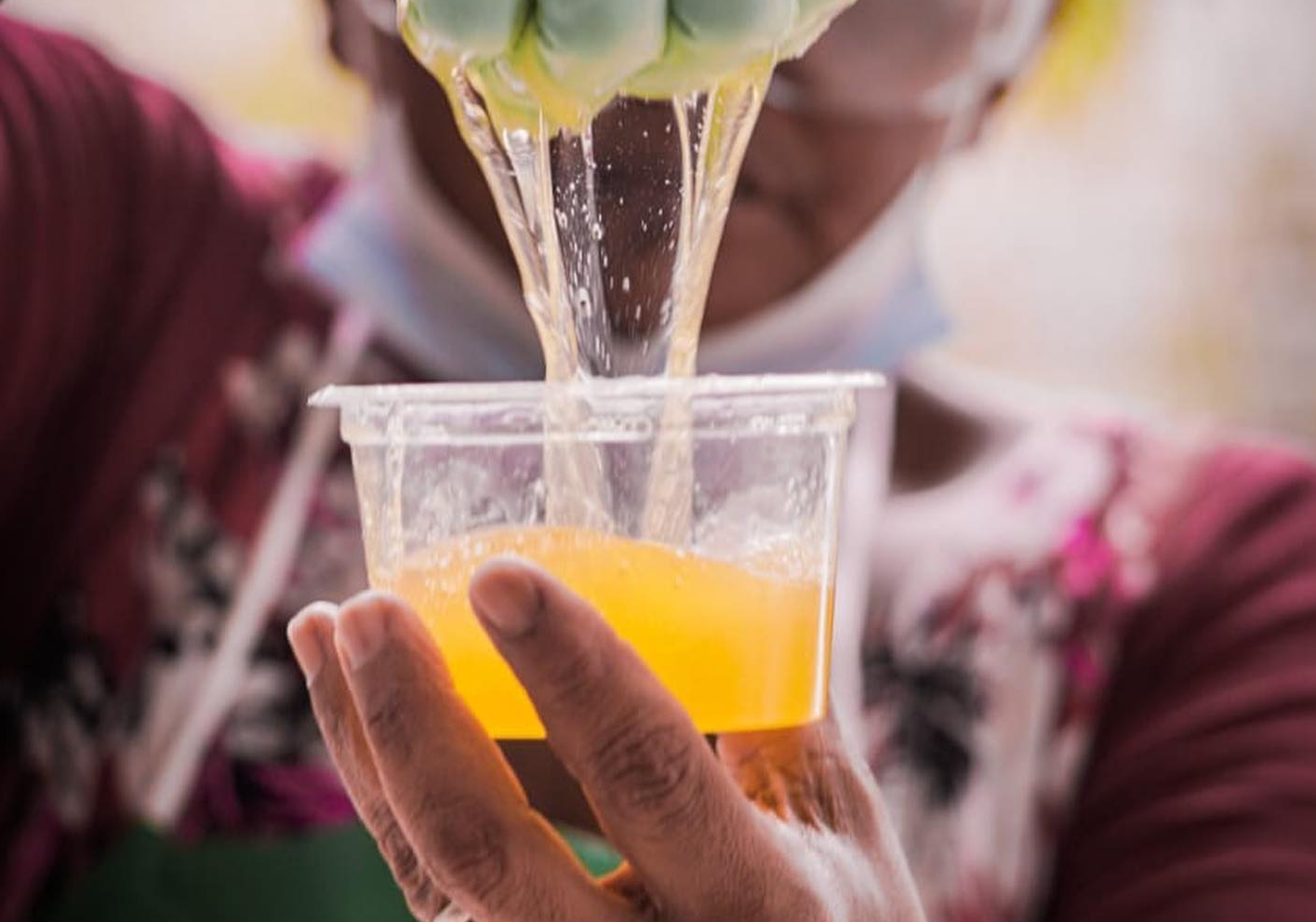
This Mongabay feature by André Aram also presents a community solution taking place in Rocinha. Improperly disposed-of cooking oil can be a significant cause of pipe clogging and damage, especially in favelas. This led Marcelo Santos, a community organizer and main interviewee of the story, to “set out to understand the degree of oil contamination, the level of health risks, and the environmental issues” involved. To mitigate the environmental and health impacts of improper disposal, Santos began collecting oil and turning it into soap and cleaning products. The story shows Rocinha’s Óleo no Ponto as an innovative, ecological technology, from the favela and built on solidarity and sustainable principles. The only limitation in this rendering of the story is that while the article states that the project aims to empower “local women living in socially vulnerable conditions,” with the exception of Santos’s wife, Adriana Moura, readers did not hear from these women as to how the initiative is transforming their realities.
Favelas Expose the Controversies Behind COP30
Belém’s ‘People of the Tides’ Battle COP Project That Dumps Waste of The Rich in Their Backyards
From Sumaúma by Guilherme Guerreiro Neto
This investigative piece by Guilherme Guerreiro Neto in the relatively new, bilingual Amazonian news site Sumaúma describes the struggle of the Vila da Barca favela, located on the banks of Guajará Bay, in Belém, capital of the Amazonian state of Pará, against environmental racism in the lead-up to COP30. As the story shows, a sewage pipeline built for the climate conference infrastructure carried waste from a wealthy district and routed it through the waters surrounding Vila da Barca. Readers learn how 4,000 “people of the tides”—as the residents of the palafitas (stilt houses) on the Guajará Bay call themselves—fought against environmental racism while reclaiming their dignity and the preservation of the natural heritage of their community. The report exposes decades of State neglect: Vila da Barca has existed for over a century but still lacks formal sewage or treated water (only now being implemented). Sumaúma’s report shows that, for communities like Vila da Barca, COP30 did not come without violations and fear—fear that their voices would be drowned in the waste of wealthier districts. It also highlights how residents are key actors in preserving their history: they have created the Vila da Barca Memory Museum to demonstrate that their cultural heritage has value and deserves protection. This is their way of resisting erasure and displacement: rooting the community deeply in the land where they have the right to live.

Brazil’s Favela Residents Are Demanding a Say in Climate Talks
From NPR by Júlia Dias Carneiro
Another piece by Júlia Dias Carneiro, this one audio featured on All Things Considered on NPR, sheds light on favela leaders who demanded an influence over COP30 negotiations determining the world’s future. Despite heavy barriers and the lack of formal access to the negotiations, favela leaders organized their own parallel spaces, such as local festivals, collective letters and community summits, ensuring their perspectives and demands reached COP30—even if they personally could not.
Community Response to State Terror and Police Violence
Autistic Children Bear Hidden Cost of Violent Police Raids in Brazil’s Favelas
From The Guardian by Tiago Rogero
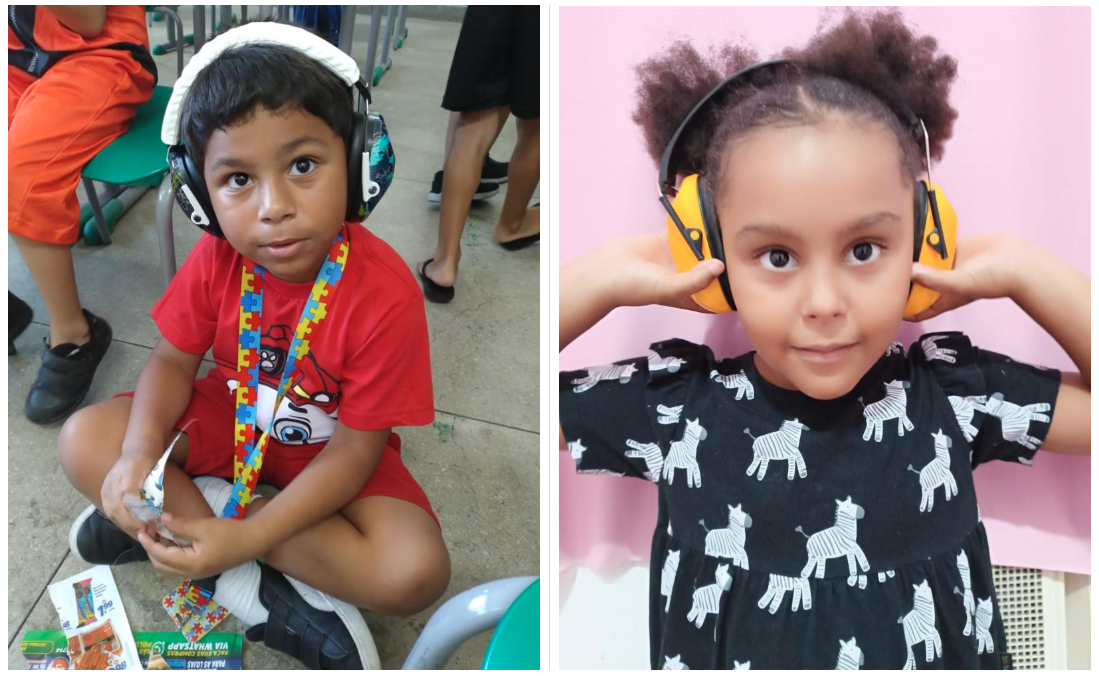
In another The Guardian story, journalist Tiago Rogero shows how Rafaela Figueiredo de França, a resident of Complexo do Alemão, a favela complex in Rio’s North Zone, and mother of a six-year-old girl on the autism spectrum, found a way to protect her daughter from the stress caused by a 15-hour shoot-out in January, inside her community. The article describes how the State fails to provide public safety and security to families, showing the lack of psychological support or recognition of the specific needs of atypical families living in the favela.
The story also highlights these families’ initiative in improving their children’s health outcomes. After talking with other mothers of autistic children, França founded the Estrela de Maria (Mary’s Star) community organization. This grassroots initiative created a Stimulation Center for neurodiverse children and started distributing special noise-cancelling headphones to families to protect atypical children from the disturbing sounds of shots during police raids. In two years, they have distributed hundreds of headphones in dozens of Rio favelas. Rogero’s piece sheds light on these groups of mothers who have taken on a role the State has failed to fulfill. It also shows these families as local leaders, organizing fundraisers, training and lobbying authorities to ensure safer conditions for children (advocating for limiting shooting hours near schools, for example).
‘They’re to Put The Brakes On Cops’: Rio Barricades Turn Favelas Into Fortresses
From The Guardian by Tom Phillips
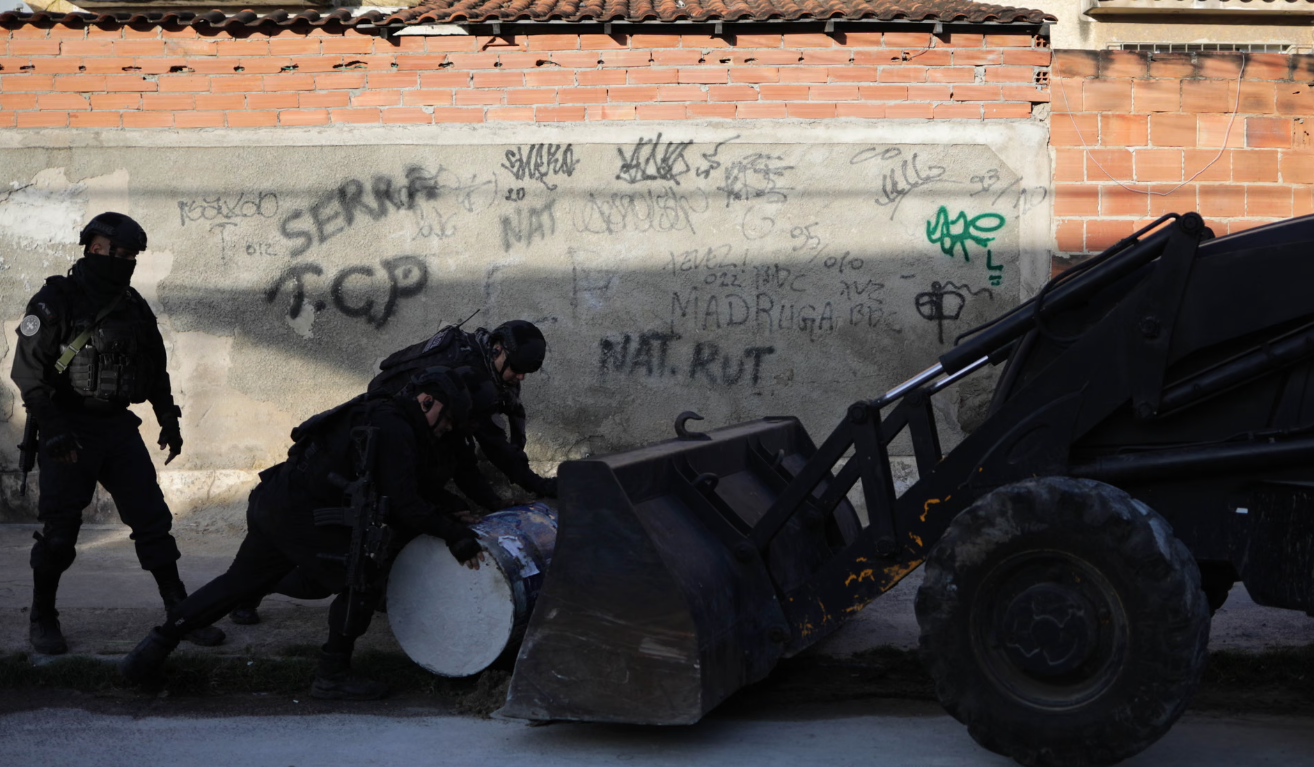
This Guardian article by Latin American correspondent Tom Phillips starts by describing the story behind some barricades in Rio’s favelas that are set up by drug gangs to put the brakes on police operations, then sharing police strategies to destroy them. However, to offer a different angle on the issue, the article also shares the story of Tainan Cabral, a young resident who grew up surrounded by concrete barricades and, through his art, is transforming a landscape often associated with violence and fear. Instead of adapting to a landscape of war, Cabral chose to beautify it. Six years ago, he began painting abandoned barricades in bright colors. “Barricades transmit a climate of war… I try to turn them into sculptural monuments… I started to see this place as a sculpture park,” the painter explains.
View this post on Instagram
Brazil: At Least 64 Reported Killed in Rio’s Worst Day of Violence Amid Police Favela Raids
From The Guardian by Tom Phillips
Terrifyingly, in October 2025, Rio de Janeiro experienced the bloodiest police operation in its history, with over 120 people killed by the Military Police in the Alemão and Penha favela complexes. Some international media showed the reality through the eyes of residents, focusing on the highly complex factors that lead to violence in communities: systemic racism, social inequalities and State neglect.
This story, also by The Guardian‘s Tom Phillips, presents the community’s critical perspectives on the police assault. After the brutal operation in Alemão and Penha, far right Governor Cláudio Castro announced that the city is at war against organized crime. Many favela residents, however, hold a radically different perspective, questioning whether this is a war on crime or a war on the poor. One interviewee, internationally recognized favela organizer and journalist René Silva, from Complexo do Alemão (and founder of local news site Voz das Comunidades), had been reporting on the event since the early morning following the operation. “Rio’s crime problem needs to be combated in other places—not just in the favelas. We don’t have plantations of marijuana or cocaine here. We don’t have gun factories here. This isn’t a fight against crime, it’s a fight against poverty,” he said. Through testimonials like Silva’s, the story highlights the serious controversy surrounding a public security strategy focused on repressing favelas rather than targeting the real sources of the problem. The story also echoed the opinion of another internationally-known favela activist from Alemão, Raull Santiago, who noted that these war-like raids are nothing new to favelas “but they leave profound marks on those who live in the favelas… Once again, the favela is bleeding, once again we are counting an ever-increasing number of bodies.”
Thousands Join Protests in Rio Favela After Deadliest Ever Police Raid
From The Guardian by Tom Phillips
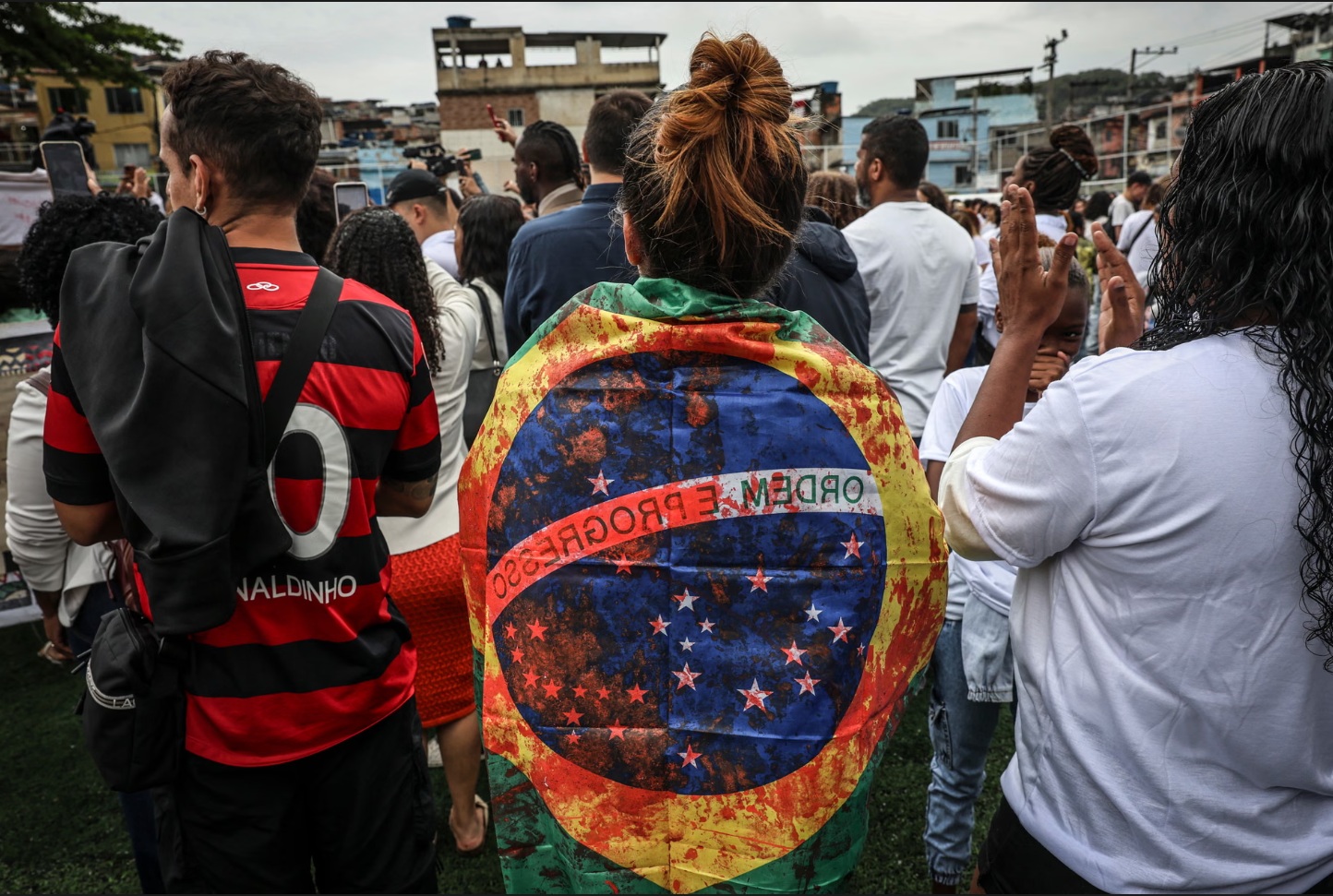
This third piece by The Guardian‘s Tom Phillips depicts the deep polarization among Brazilians regarding the controversial and deadly police operation in Alemão and Penha. Silvia Ramos, coordinator of Rio’s Center for Studies on Public Security and Citizenship (CESeC), described it as an “international disgrace,” while others, supporters of Rio’s governor, considered it a success. The article exposes the tension between two conflicting narratives: authorities claiming the operation’s success versus demonstrators and residents agonized by the lives, rights and dignity destroyed by State terror. This article provokes readers to think that behind the statistics of the “war on drugs” are victims of violence whose families and dreams have been irreversibly destroyed. Following the group of protesters as they walked through Penha’s Vila Cruzeiro, their words of pain and indignation were carefully collected. “No mother wants to see her son splayed out on the ground, riddled with bullets,” said protester Raimunda Leone to news portal Voz das Comunidades, which The Guardian reproduced. By amplifying these voices, the piece upholds nuanced, responsible and empathetic journalism, showing the current schism in Brazilian society.
Life and Death in the Favelas: What Brazil’s Latest Police Raids Reveal
From Catalyst by Lou Didelot
Departing from the mega-operation, the piece by Lou Didelot in Catalyst provides socio-historical and sociopolitical context to analyze what’s behind police violence inside the favelas, putting the bloodiest police operation in Rio’s history into a broader perspective. An explainer rather than a news report, the article also sheds light on resistance strategies and community organizing, showing residents not as passive victims but as citizens who take action and advocate for structural change. This piece informs readers who are unfamiliar with State violence and its consequences for Rio communities marginalized from power and deprived of their rights. While often overshadowed by news stories, structural factors are a crucial element for reporting on violence and informing readers on how it affects favela realities.

Culture as a Provocative Mirror to Reality
Brazil: Outcry After Funk Singer Arrested for Allegedly Inciting Crime in Lyrics
From The Guardian by Tiago Rogero
This final top recommendation, another from The Guardian by Tiago Rogero, discusses the controversy surrounding the case of trap and funk artist MC Poze do Rodo. He was arrested because of alleged connections to a crime ring and for “inciting crime” through his lyrics, an attempt, many argued, to silence an inconvenient voice from the favela. The Guardian questions the way Poze do Rodo—a Black artist from a favela, with millions of fans—was arrested: he was detained at his home and taken to a police station handcuffed, barefoot and shirtless.
However, as argued by interviewee and criminal law professor Pierpaolo Bottini, there is no direct link to violence in Poze do Rozo’s songs. As the story clarifies, Poze do Rodo raps about the realities of the favela and the everyday experiences of residents. He neither encourages the repetition of violence nor glorifies life in crime.
The article also cites anthropologist Mylene Mizrahi, who describes how funk musicians are not considered “fully fledged artists”—in contrast, for example, to film directors. Lawyer Joel Luiz Costa notes the historical continuity in the repression of funk, noting that samba and capoeira were similarly banned in the past. While MC Poze do Rodo was eventually released from jail, the story encourages a necessary debate: did the State cross a line by punishing and criminalizing an artist who depicts the reality he lives in a way that is inconvenient for the ruling elites and the status quo?