
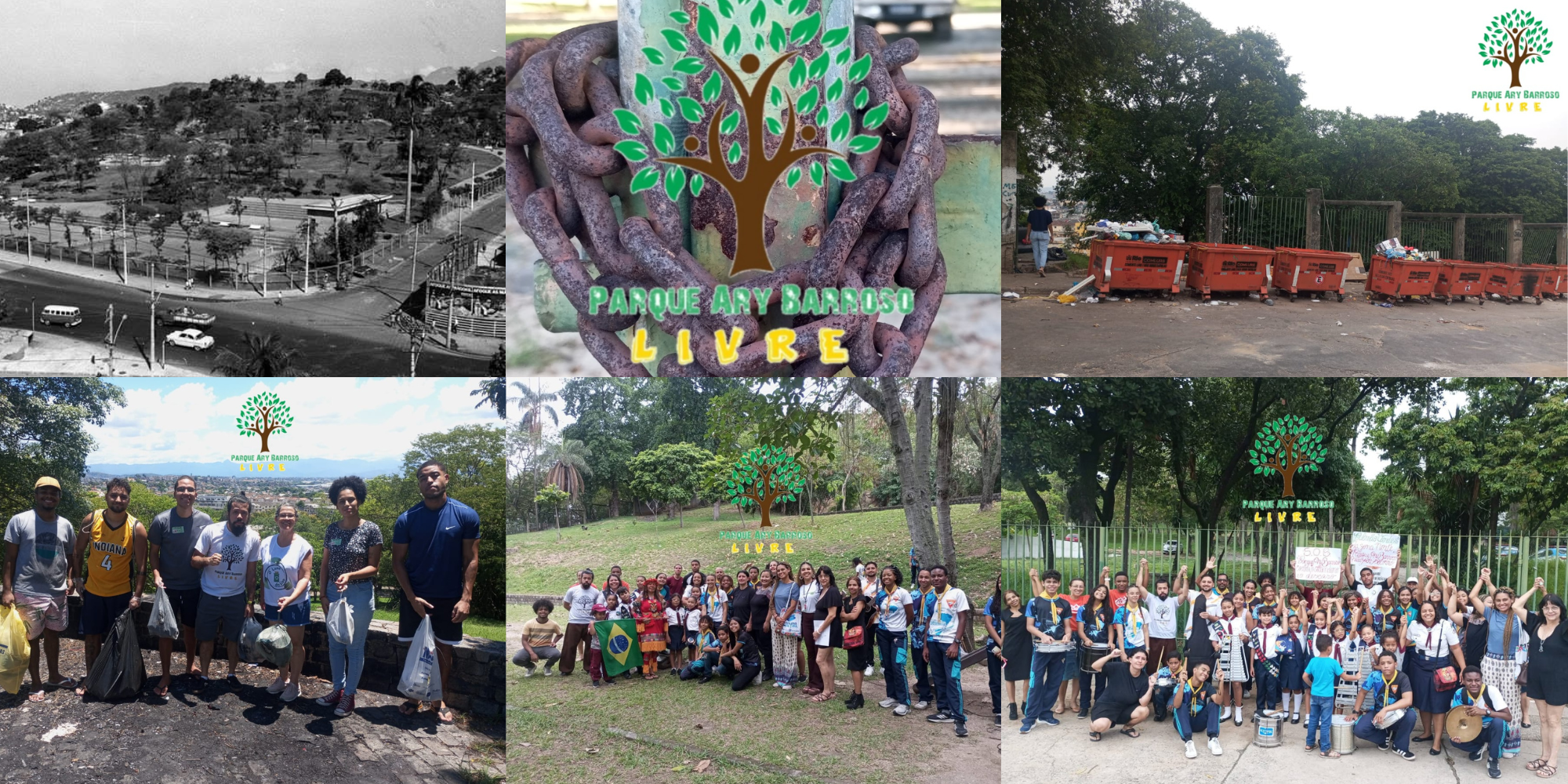

 This article is part of a series created in partnership with the Behner Stiefel Center for Brazilian Studies at San Diego State University, to produce articles for the Digital Brazil Project on environmental justice in the favelas through RioOnWatch.
Ary Barroso Park is an important green recreational space and the only park dedicated to serving the Leopoldina region in Rio de Janeiro’s North Zone. However, due to a lack of government attention, the park risks disappearing completely, which would further worsen the intense heat affecting the region.
Inaugurated on December 13, 1964, in the Penha Circular neighborhood in the North Zone, Ary Barroso Park was built on the former grounds of Chácara das Palmeiras, which at the time belonged to Francisco Lobo Júnior, an influential Portuguese entrepreneur.
Penha, then occupied by upper-middle-class homes, was chosen to receive what was considered a “replica” of Quinta da Boa Vista, which until then had been the city’s most widely visited green leisure space.
It is worth noting that Penha sits within the Leopoldina region, which in the past was an important industrial and residential hub precisely because it was crossed by the former Leopoldina Railway, currently the Gramacho Branch of the city’s train system. After opening to the public, Ary Barroso Park became the first and largest park in the Leopoldina suburban area and was listed as a historic landmark of the state of Rio de Janeiro on October 8, 1965.
Ary Barroso Park’s Golden Years
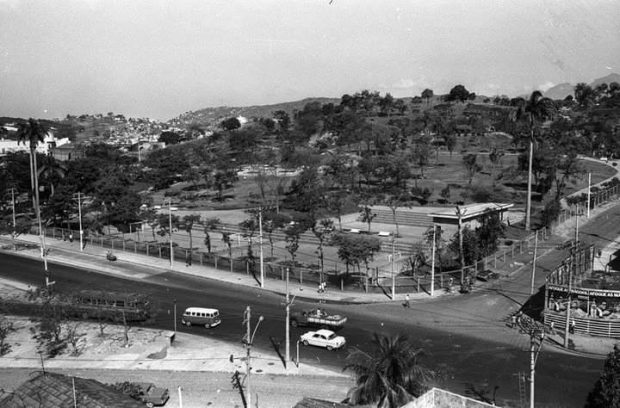
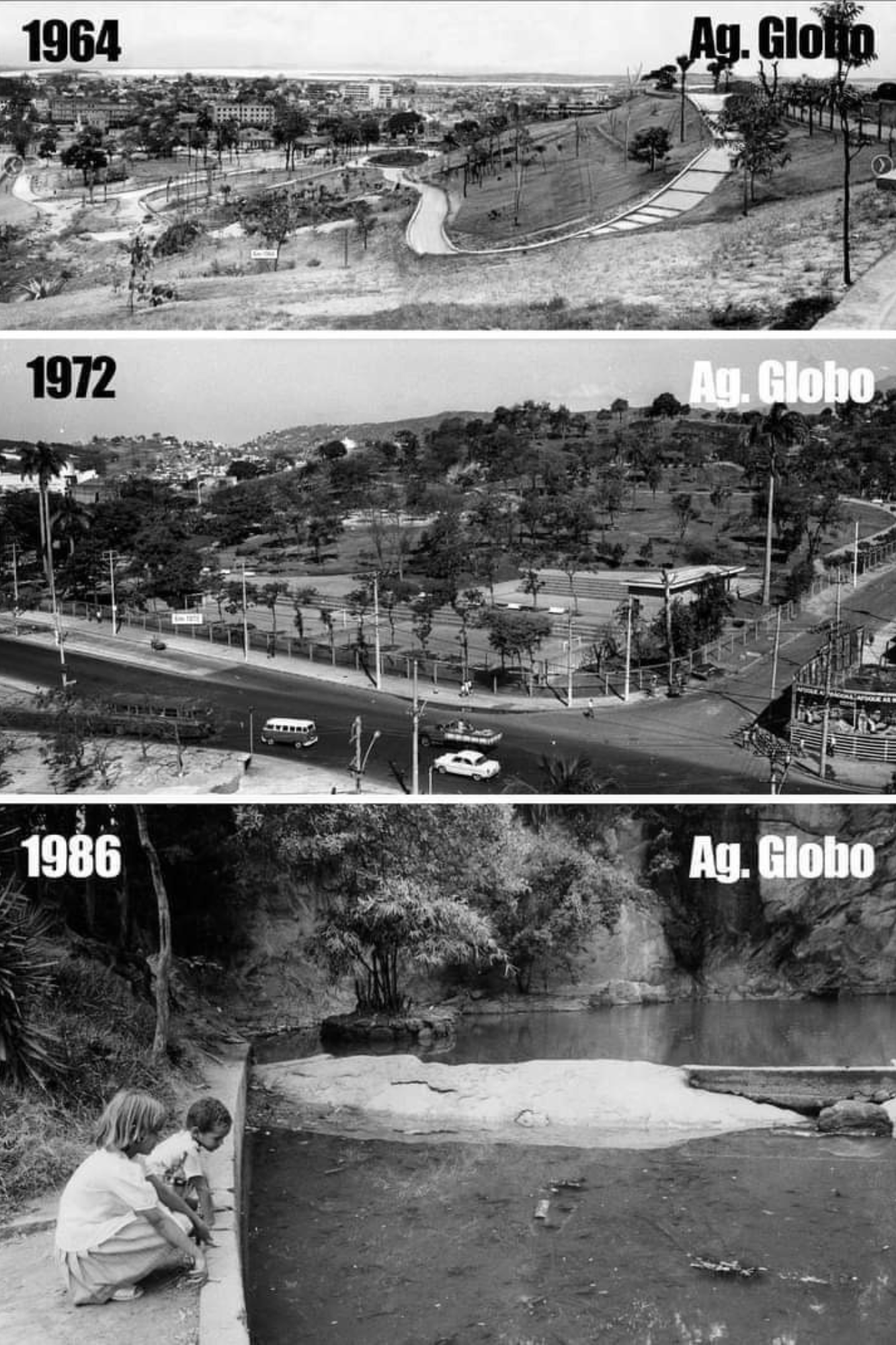
The park was designed with a lake at its center, surrounded by two small waterfalls, a playground, three sports courts and other structures linked to Lobo Júnior’s former home, all laid out over a sloping 50,000-square-meter plot. To give a sense of scale, city government data equates the area to seven official soccer fields.
Ary Barroso Park was conceived to resemble a woodland, a green space defined by shade-giving trees. Its original green reserve held over 300 plant species, including purple and pink quaresmeiras, purple, yellow and white ipê trees, mulungu trees, African tulip trees, red flamboyants and yellow and purple cassias.
Its artificial waterfalls were powered by pumps that supplied a ten-centimeter-deep flow of water over a three-meter stretch. Water was pumped up to the source from a pump house at the highest point of the park, from where it flowed down in the form of a waterfall over two lakes before being collected and recirculated.
In the sports area, three courts were used for soccer, basketball and other sports and physical activities, such as capoeira and tai chi. They featured bleachers and a locker room that once served as the home base for Portinho Futebol Clube. The playground was also popular with both local residents and people from across the city.
The park’s name honors Brazilian singer and composer Ary Barroso, who died in February of the same year it opened. Barroso was chosen because he was a devoted attendee of the Penha Festival, a traditional religious celebration honoring the neighborhood’s patron saint, and even composed a song that mentions the area.
The park’s heyday was short-lived, however, undermined by a series of factors including exclusionary housing policies and deep social inequalities.
From Oasis to Abandonment: A Timeline of Environmental Racism at Ary Barroso Park
As early as the 1960s, the city of Rio de Janeiro underwent major demographic and urban changes, among them the forced removal of favela residents from the South Zone to areas in the North and West Zones. In this traumatic chapter of the city’s history, an estimated 140,000 people were forcibly displaced. That number today would be equivalent to the entire population of Complexo da Maré.
The Penha area, like the entire Leopoldina region, which had previously been home to the elite, became home to low-income residents displaced from other areas through housing projects, becoming a site of intense and unplanned urban expansion. During this same period, Rio de Janeiro ceased to be the federal capital, contributing to the economic decline of both the city and its industrial complex. The Leopoldina region felt those effects as well. Land was subdivided and sold to middle-class buyers, with no provision for green or recreational areas, only residential units.
This drove even greater urban expansion into an area that already had little tree cover, turning the Leopoldina region into a heat island. Neglect became part of daily life at Ary Barroso Park, which entered a long and painful process of deterioration.
By 1979, for example, the park’s facilities were already obsolete due to abandonment, with water that was no longer very clean and little security. Just five years earlier, in 1974, the situation had been different: the park had served as an important source of water security for the area during a severe water shortage in the city. It was Ary Barroso Park’s lake that allowed Penha residents to meet basic hygiene needs, such as bathing and washing clothes.
Despite this, neglect became routine, and the park became defined by the loss of its original character and precarious conditions. In July 2024, the park was left without a manager, and since then, day after day, residents have worried about the possibility that the area’s only park could disappear entirely.
Ary Barroso Park Today
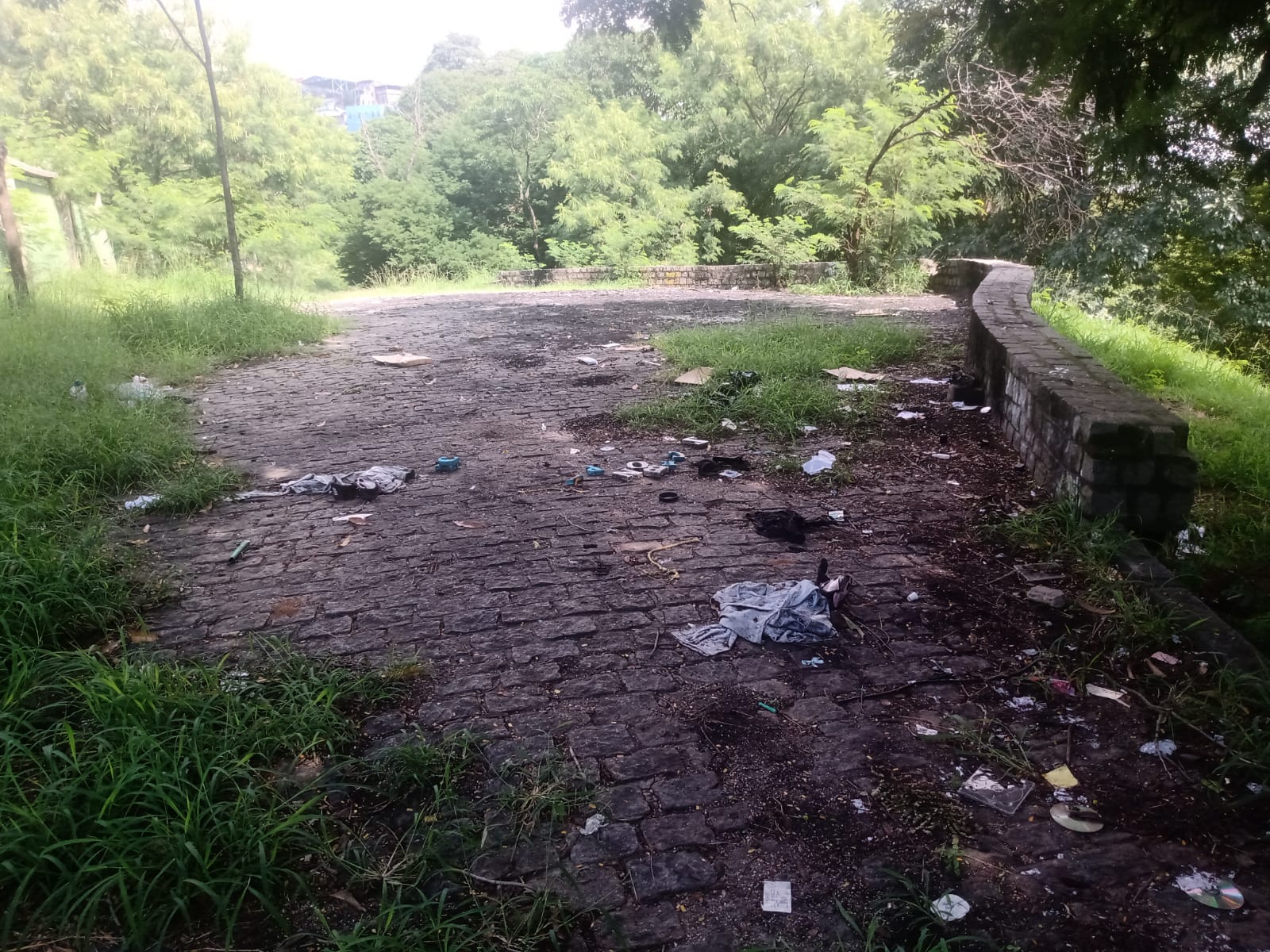
According to a survey conducted by the Society of Friends of Ary Barroso Park (SAMPAB) in 2019, the park, which once had around 3,000 trees, now has only 500, with no care, maintenance or replacement of what has been lost. And there are other problems. The lakes, for example, have been dry for years, full of water and life only in memory.
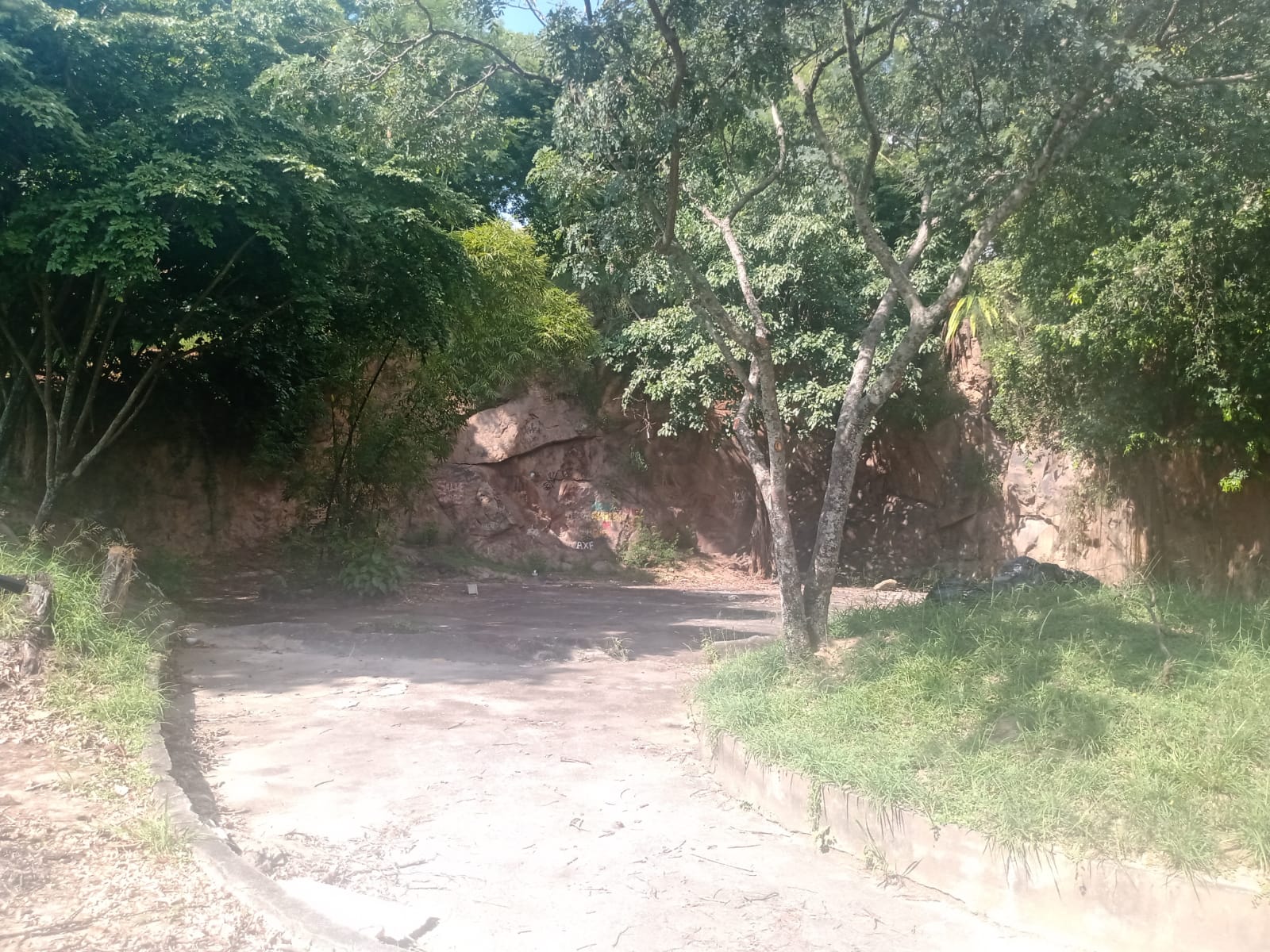
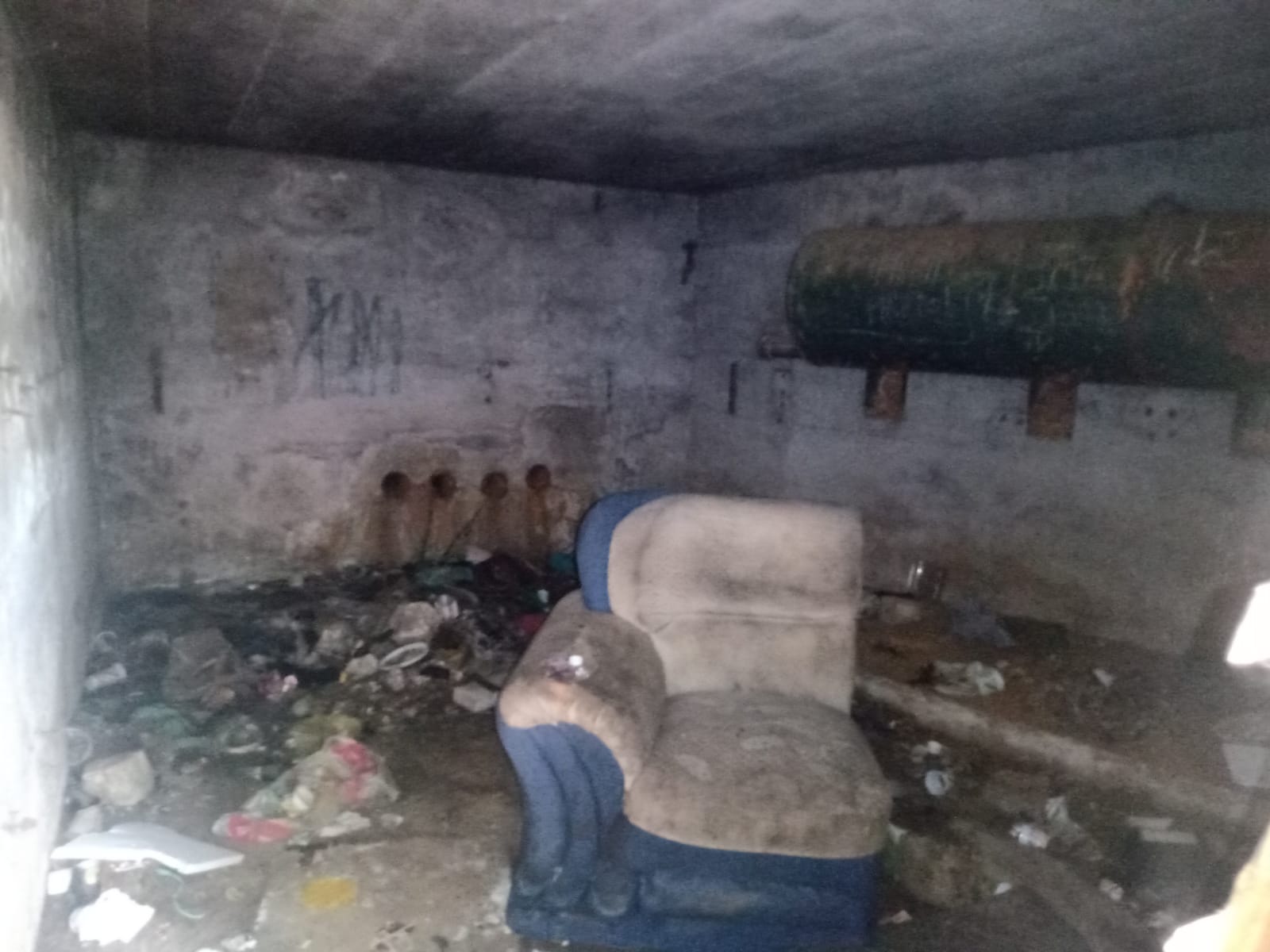
The former pump house stands vandalized and abandoned, with large amounts of garbage inside.
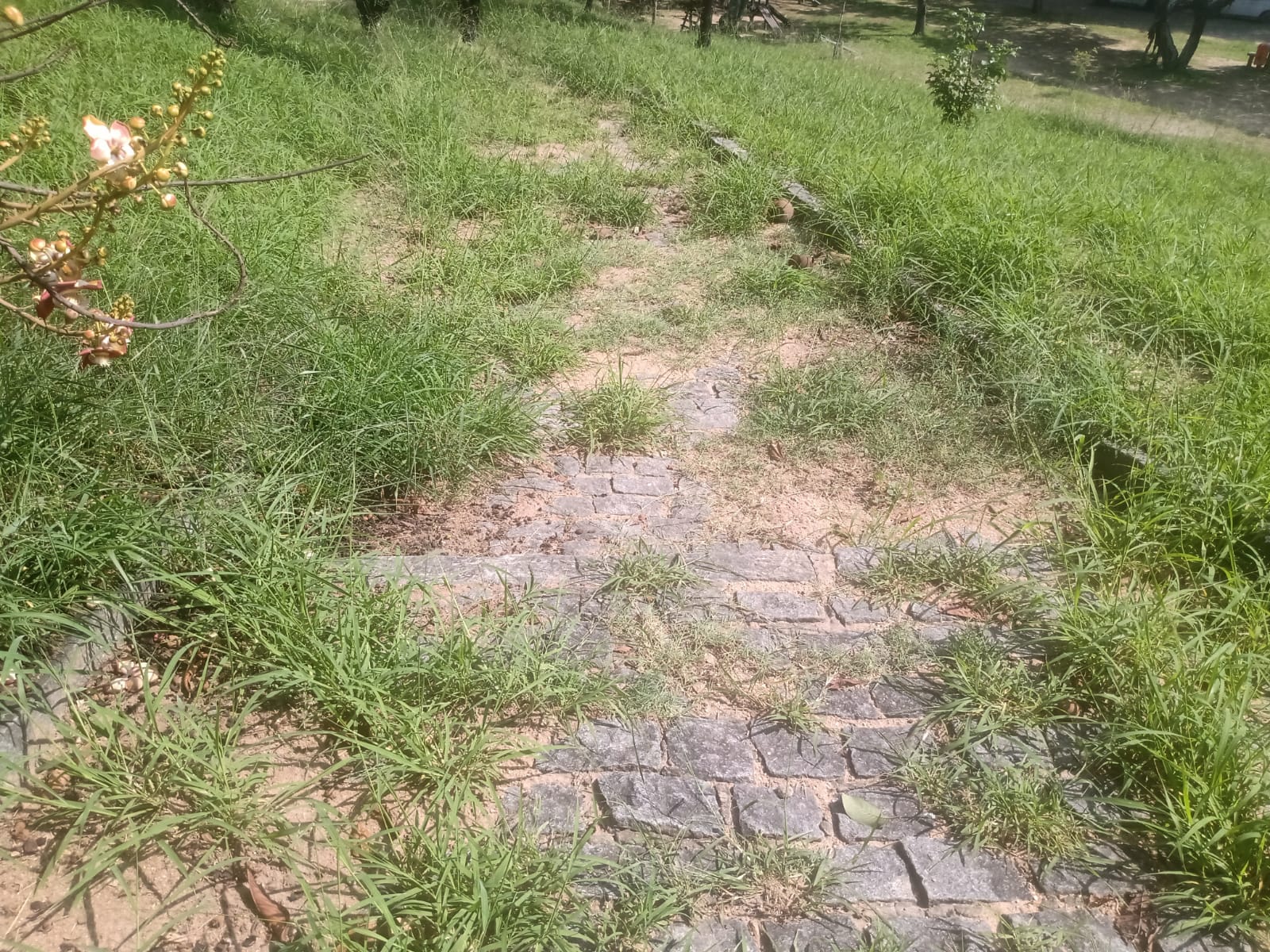
Large amounts of dead and overgrown vegetation cover the park throughout, even blocking pedestrian pathways.
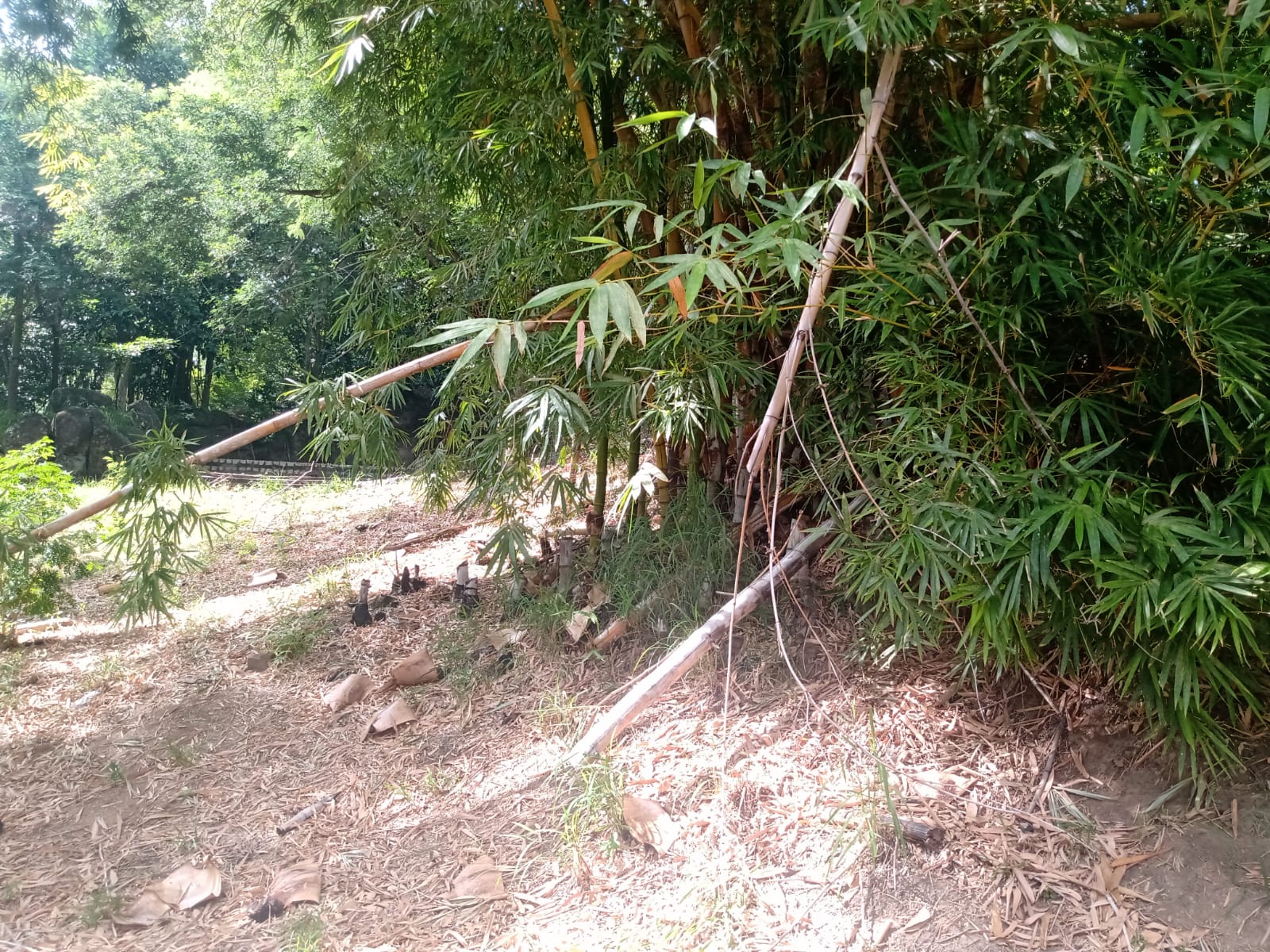
Trees also require pruning to keep their health.
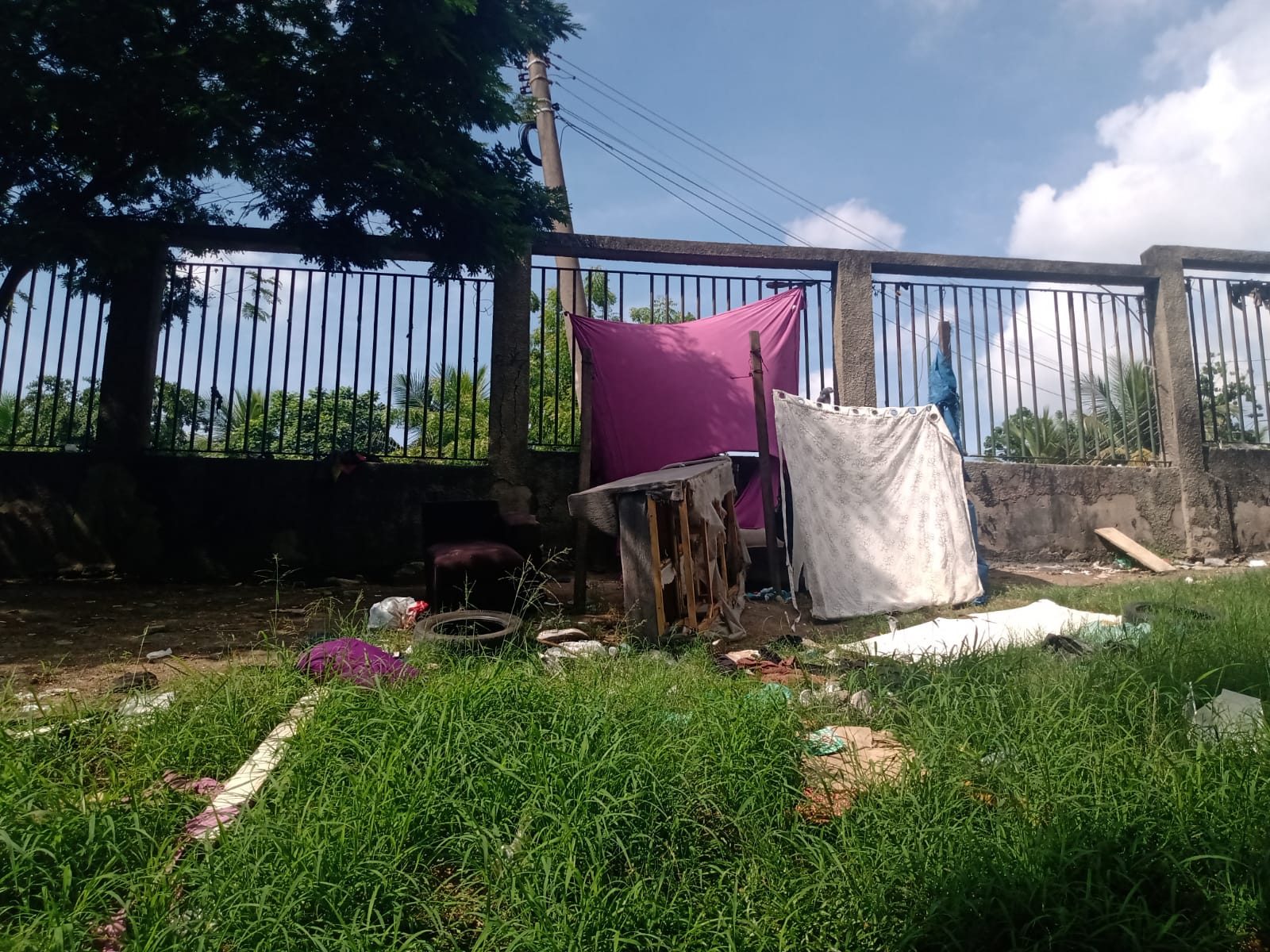
The park has become a site of drug use, with the frequent presence of people struggling with addiction, increasing visitors’ sense of insecurity.
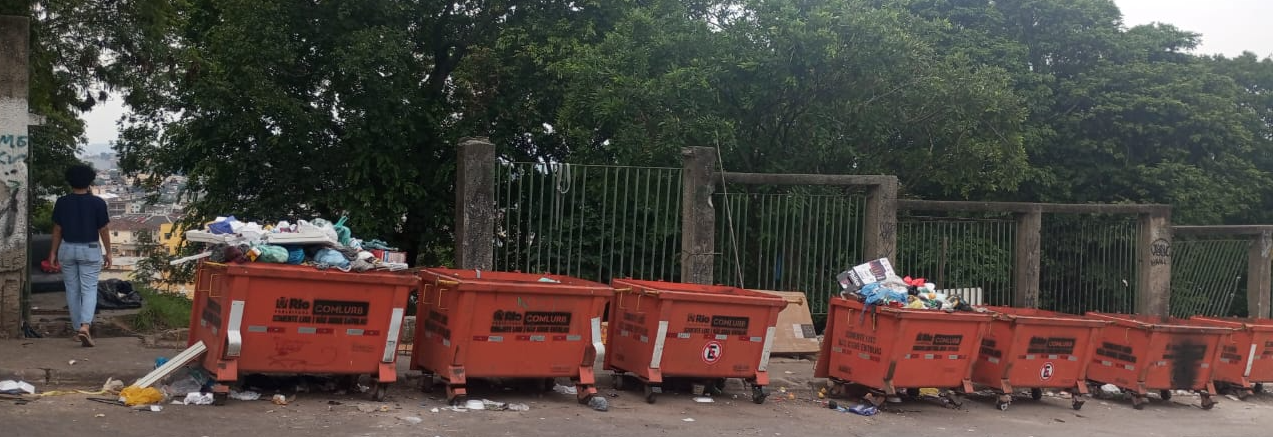
The accumulation of waste and the park’s state of degradation have also been the subject of scientific research. In an article titled “Accumulation and Improper Disposal of Urban Solid Waste: A Case Study of Ary Barroso Park (RJ),” Pammela Primo de Oliveira Silva, a doctoral researcher in Environmental Engineering at the State University of Rio de Janeiro (UERJ) and a local resident, analyzes the park’s situation. Examining the relationship between accumulation and improper disposal of solid waste, racism and environmental injustice in the Leopoldina region, the study identifies a higher concentration of improperly discarded waste in the upper portion of the park, near the entrance to the Caixa d’Água favela, including plastic, construction debris, sharp objects, consumer electronics, wood and organic waste, highlighting gaps in waste management, urban cleaning and environmental oversight systems.
Areas where rainwater puddled were noted to contain larvae, creating favorable conditions for the proliferation of Aedes aegypti mosquitoes. Furthermore, the study highlighted the deteriorating condition of the archaeological areas within the park, which have been suffering from a lack of conservation, the recurring dumping of waste and the risk of losing historical materials, all of which point to impacts on the site’s archaeological heritage.
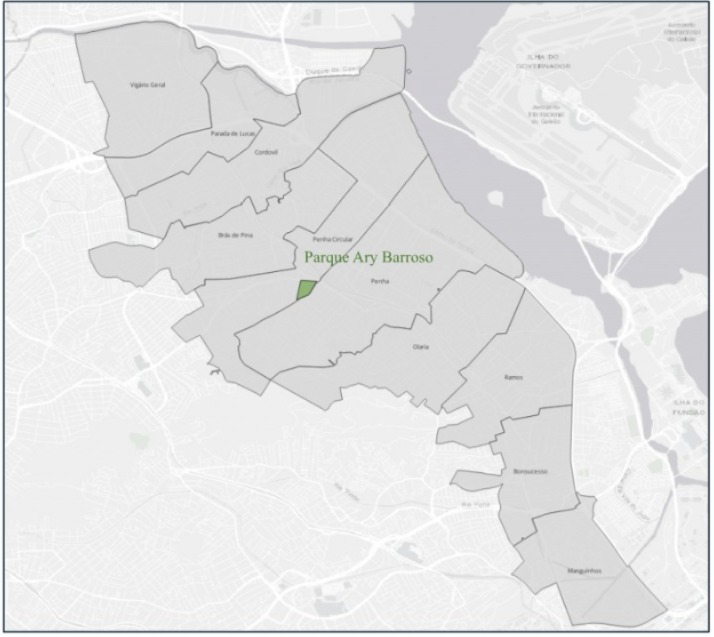
Ary Barroso Park faces the difficult task of being the only green space serving the suburban population of the Leopoldina region, made up of dozens of neighborhoods totaling approximately half a million people. According to geographer Hugo Costa:
“When Rio City Hall developed the Sustainable Development and Climate Action Plan (PDS), it concluded that the Leopoldina region is the area of the city with the fewest green spaces. At one point during the 2024 mayoral campaign, Eduardo Paes declared himself the ‘Park Mayor’ because of the attention he says he gives to the issue. Since the construction of Madureira Park, located along the main suburban train lines that leave from Central Station, other parks have been built in neighborhoods across the North and West Zones, but with the exception of Pavuna Park, no other park has been built where the PDS or the Heat Map indicated it was most needed.”
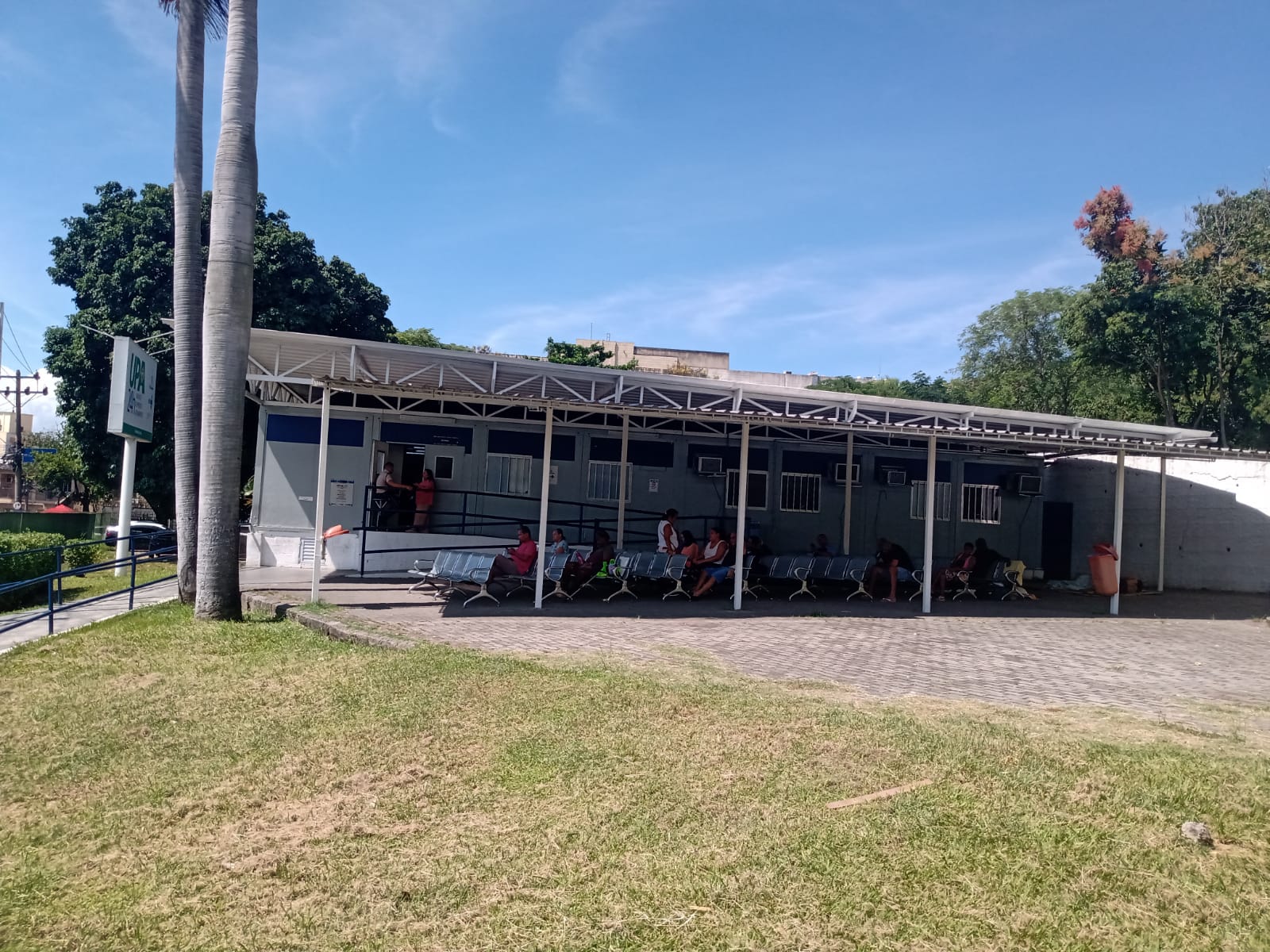
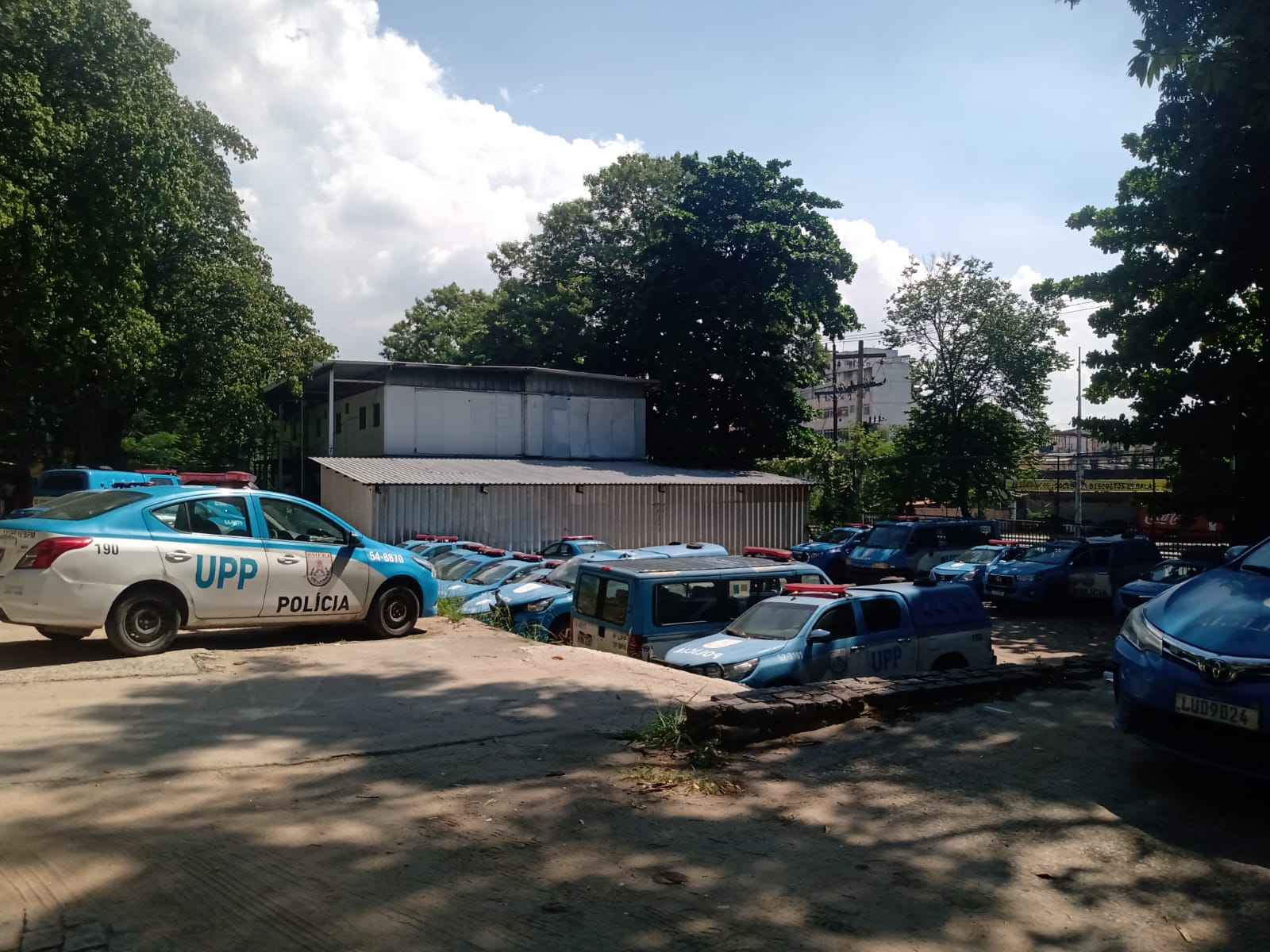
As if all of this were not enough, community groups and neighbors are also fighting to relocate the Penha Emergency Care Unit (UPA) and the Parque Proletário Pacifying Police Unit (UPP), both installed on park grounds in 2008 and 2012, respectively.
Built during the administration of then-governor Sérgio Cabral and promised as temporary installations, the UPA and UPP were authorized by the State Institute of Cultural Heritage (INEPAC) precisely because they were meant to be temporary.
The space where the UPA now stands was previously the playground. The UPP was set up where the three sports courts once stood. The promise was that the UPA would be transferred to the adjacent block, occupying the site of the former Getúlio Vargas State Hospital laundry, and that the UPP would be relocated to a space designated by Rio City Hall, which did not happen.
Due to these impasses, community leaders and movements organized on behalf of the park, and the situation became the subject of proceedings by the Public Prosecutor’s Office following a lawsuit filed by the Society of Friends of Ary Barroso Park in 2012, which only resulted in a brief agreement in 2019. Through an official letter, the Rio de Janeiro State Government finally recognized the park’s historical significance and established the transfer of the UPA and UPP to other locations, in addition to the park’s revitalization.
However, despite brief improvements afterward, such as cleaning efforts by municipal waste collection utility Comlurb, nothing was done regarding the UPA and UPP transfers, as Arthur Lucena, a leader of the Free Ary Barroso Park Movement, explained:
“Talking to the UPP commander [at the time], he mentioned that [they were] offered a space there… but the police didn’t accept it because the place was in terrible shape. So they waited for City Hall to provide a new spot [which never happened]. In one of the press reports about the park, the city said that there was absolutely nothing wrong with the park, that everything was accessible and clean and [that the neglect] wasn’t true. The state government [argued] that the Military Police and the UPA were important for the area [for security and health reasons]. But how can you put those structures in a public park? There are other spaces for that. Otherwise, every time there is a public need, you’re going to end up [serving the population by] taking over a space [replacing its previous, equally necessary, use]?”

Only in 2026 did the 4th Public Prosecutor’s Office for the Collective Protection of the Environment and Cultural Heritage of the Capital request that the defendants (the state and municipal governments) be required to demolish all structures installed irregularly, including the Social Assistance Reference Center (CRAS), the UPA and the UPP.
The Public Prosecutor’s Office also requested the development and implementation of a restoration and revitalization project that respects the site’s original landscape, architectural and urban design features.
In March of this year, the courts ordered that the state and municipal governments adopt emergency measures regarding Ary Barroso Park within 60 days to ensure that it is adequate and sanitary for public use. Among the required measures are the removal of trees or vegetation at imminent risk of falling and the suspension of unauthorized construction work taking place within the listed heritage site.
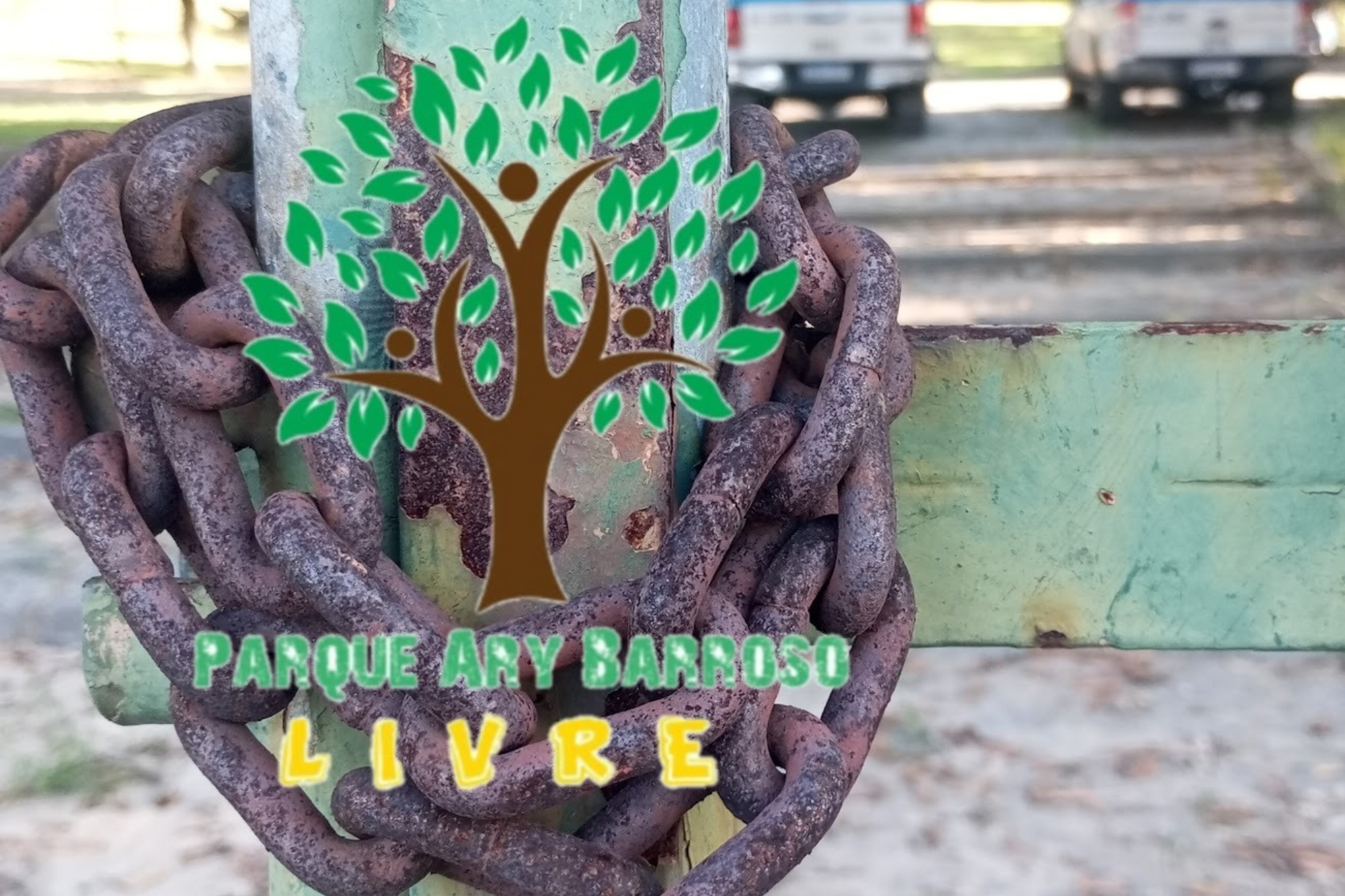
According to the Rio de Janeiro Public Prosecutor’s Office, the park, a historical and recreational landmark for local residents, is currently in a state of degradation. Its gardens have been turned into parking lots, its former lakes have dried up, its internal pathways have deteriorated and the grounds are filled with unauthorized occupations.
In its ruling, the 13th Public Finance Court established a daily fine of R$1,000 (~US$200) for noncompliance, initially capped at R$100,000 (~US$20,000). Despite the Public Civil Action (January) and the court ruling (March), the long-awaited revitalization has yet to begin, increasing the anguish and concern of local movements and residents who continue to witness the park’s progressive loss of character without knowing what its future will hold, as explained by lawyer Andréa Neves, a member of the Leopoldina Poets Society:
“Those of us who use the space don’t know to what extent the ruling really [covers] what we’re demanding for residents, or whether it only means keeping the space clean. This place was heavily used by families from the area. We used to spread our picnic blankets [here]. Unfortunately, [the park] was completely neglected, and not just over the last 20 years. It’s been much longer than that. The whole situation has only been [visible to the public] for 20 years. It’s not just about cleaning. We need to restore the lakes, get control over how the space is used, because it’s become one huge parking lot. If you want to use the restroom and Arena Dicró [a cultural space within the grounds] is closed, there’s nowhere to go. We’re not asking for anything special. Just what’s necessary. It’s not only about cleaning [the park], or planting [new] trees. We also need the park to be [a place] for leisure and a public amenity.”
According to Arthur Lucena, the lack of communication and effective support is another problem:
“The Municipal Secretariat of Environment and Climate (SMAC) said that the renovations of Ary Barroso Park had already gone out to tender and that work was set to begin in March. So, where’s this work? In an election year there’s always this: ‘Oh, we’re going to do it’… The one thing we’ve got to have here is a park manager, which we’ve been without since July 2024. That person should be the mediator. We should have someone here to help.”
Free Ary Barroso Park: Standing Up for Nature in the Leopoldina Region
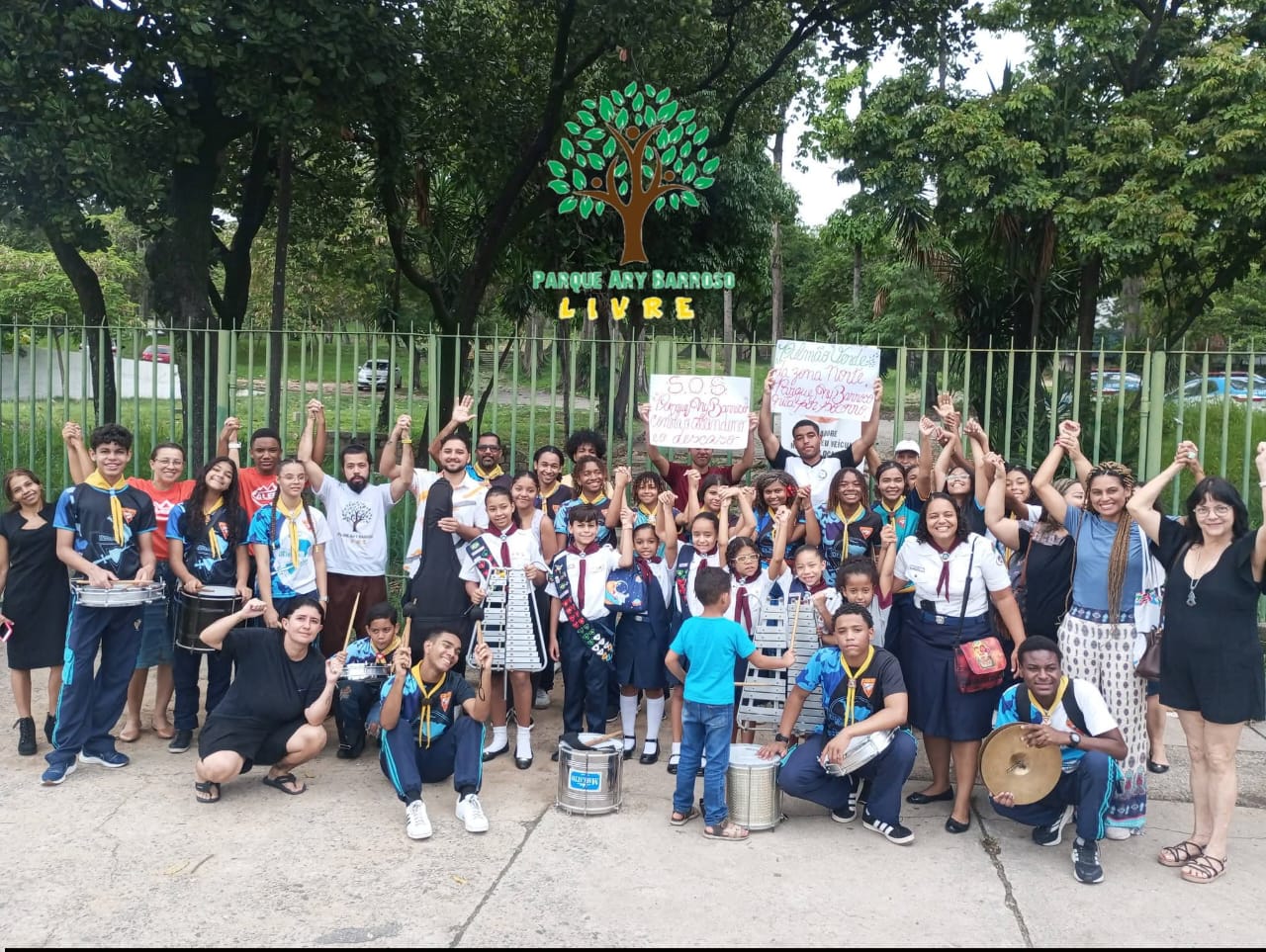
In response, the Leopoldina Poets Society and the Free Ary Barroso Park Movement, both made up of local residents, have been carrying out a series of activities in the space, seeking to reconnect the park with the community in the true “by us for us” spirit. Through these groups, over 20 events have already been held, including collective cleanups and artistic and cultural initiatives.
Allan Melo, a martial arts instructor and Penha native who participated in the mobilization, has taught classes in the park for ten years and shared his hope that the space will be for the next generation what it was for him in childhood.
“My first memory of the park is coming here with my mom for a picnic [in the early 2000s]. The lake already had some sludge, but there were giant water lilies. There were marmosets here. I’ve heard people say there were even sloths here once. This is an open-air space for the community, for individual or group activities, and to enjoy nature. What we are increasingly trying to do is bring quality activities here and also push for improvements in the park. We live very busy lives, and here in the North Zone, we don’t have a space as good as Ary Barroso Park.”
The groups also organized events marking the park’s 61st anniversary (December 13, 2025) and a school holiday gathering for children (January 17, 2026), featuring a variety of activities for all ages including poetry, environmental education, Indigenous dance, Kung Fu classes, musical performances and painting workshops using recycled materials. Through these initiatives, the project has so far attracted around 500 people to Ary Barroso Park.
Lucena emphasized that, even amid the difficulties, holding on to hope is an act of resistance for the park and for Penha:
“Most of the people who signed the petition for the park’s recovery are from this area. [Beyond that], the environmental movement as a whole has grown in popularity [helping our work]. 15 years later, many people no longer believe [that the situation will change], because if nothing happened before, why now, right? But we have to keep pushing and keep hoping.”
Check Out the List of Demands from the Free Ary Barroso Park Movement:
- Return of a park management team.
- Effective visual communication: signage in front of the park and at its original main entrances indicating access points. Improved communication with the surrounding area through the reopening of the main gates (following urgent repairs), as well as the reopening of side entrances and the construction of a new access point in the upper section of the park, all with visible signage. Without signage, many people believe the park now belongs exclusively to the UPA and the UPP. There is a local disconnect: many residents, practically neighbors of the park, are unaware of its existence.
- Restoration of the historical plaque: re-establishment of signage that recounted the park’s history, along with a QR code to connect new generations to the history of the “Green Lung of the Leopoldina Region.”
- Complete and regular cleaning: removal of garbage and excessive vegetation, including in the upper section of the park, where garbage bins placed against the wall encourage all kinds of illegal dumping.
- Outreach to people struggling with drug addiction by multidisciplinary health and social work teams, so they receive adequate support, shelter and opportunities to cease experiencing homelessness, thereby reducing drug use in the park.
- Park security and surveillance, with the 24-hour presence of the Municipal Guard and Military Police to prevent nighttime trespassing and other crimes, ensuring the safety of visitors.
- Full accessibility: construction of pathways that allow wheelchair users, older adults and others with mobility limitations to move throughout the park.
- Reactivation of the pump house, fountains, waterfalls and lakes.
- Restoration of original spaces: transfer of the UPA to the former laundry site at Getúlio Vargas State Hospital, relocation of the UPP to locations designated by City Hall, and renovation of the sports courts and children’s playground.
- Renovation of the entrance in the upper section of the park, where gates and railings have been destroyed and torn out.
- Bathrooms, locker rooms and night-time lighting.
- Encouraging positive use of the park: activities for residents, with weekly schedules of sports and cultural workshops, concerts, events and other local programming.
- Evening hours until 10pm, allowing greater leisure use at night, given that this is when most residents are free.