
This article is part of our series reflecting on the impacts of mega-events on Rio de Janeiro 10 years after the 2016 Olympic Games, republished with permission and in collaboration with the International Center for Community Land Trusts.
From LA to Toronto, Community Land Trusts in World Cup host cities are protecting neighborhoods from real estate speculation. The month before FIFA 2026 kicks off, they’re asking: who benefits from this tournament?
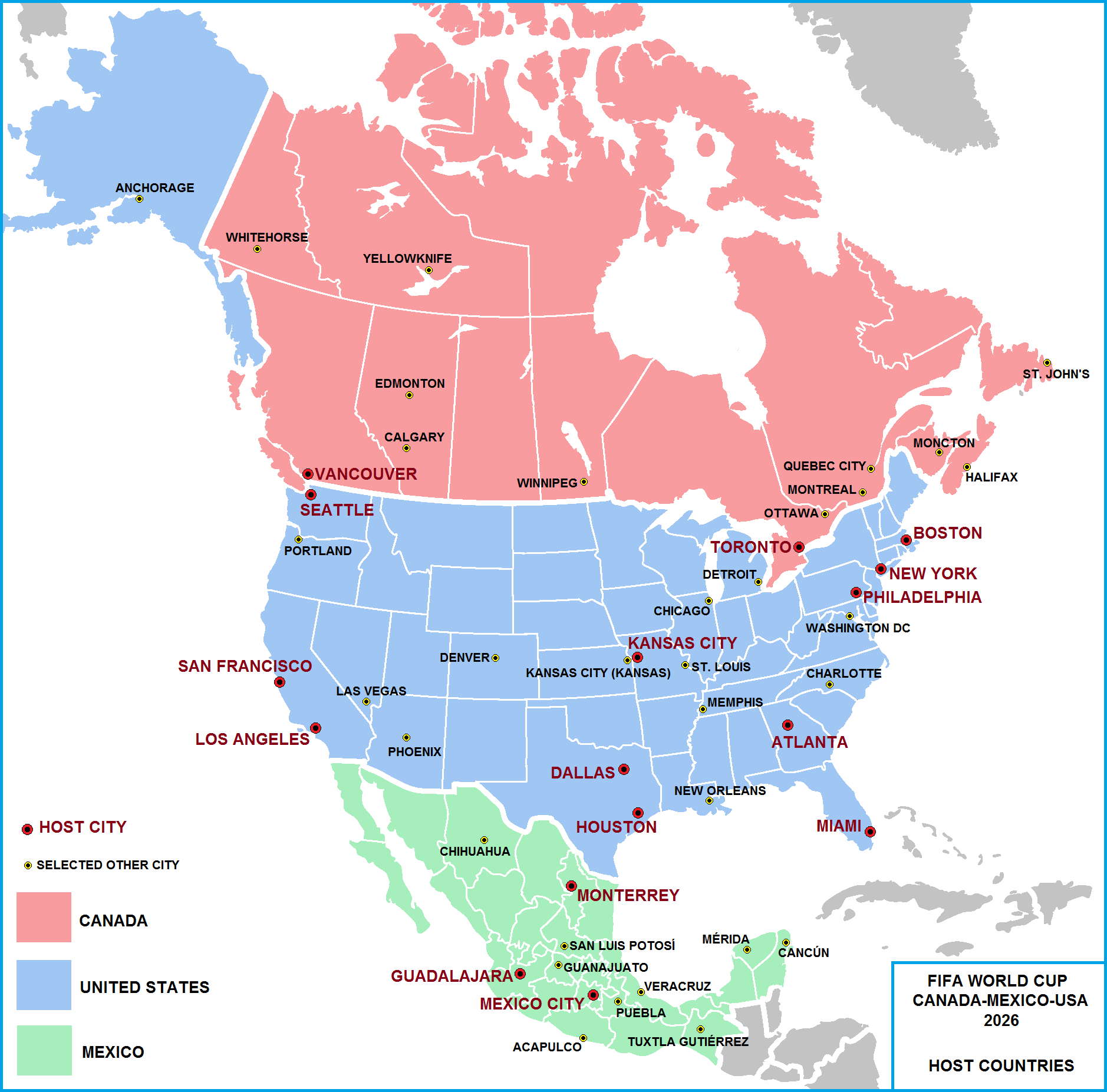
May 26, 2026 — Weeks before the 2026 FIFA World Cup kicks off across 16 North American cities, something predictable is happening in the host communities: rents are climbing, investors are circling and longtime residents are watching their neighborhoods get repriced for someone else’s celebration.
Hotel rates are projected to spike by as much as 300% around opening matches. Airbnb nightly rates in some host city neighborhoods are topping US$6,000. An estimated 6.5 million visitors are expected across North America over the six-week tournament—a windfall for property speculators and a stark warning for everyone else.
But in city after city on the host list, communities aren’t just watching. From Los Angeles to Toronto, Community Land Trusts in World Cup host cities are showing what it looks like when neighborhoods take the land question off the table entirely—permanently and collectively.
What Is a Community Land Trust?
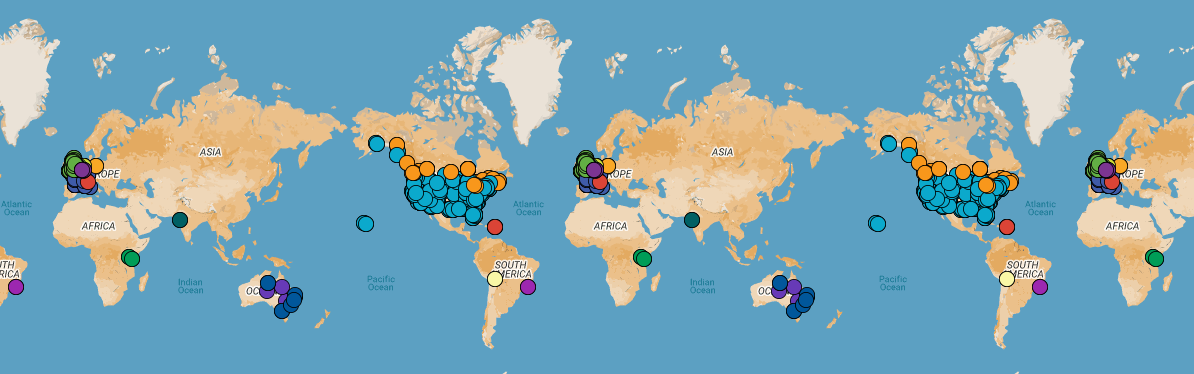
A Community Land Trust (CLT) is a not-for-profit, community-governed organization that acquires land and holds it in trust—permanently. Homes on that land can be bought and sold, but the land beneath them stays in community hands, keeping homes affordable through long-term ground leases. The result is no investment surge, no speculative buyout, no displacement. The model was born in 1969 out of the US Civil Rights Movement by New Communities, Inc. in Albany, Georgia—a single organization, founded by Black farmers and organizers, that needed land no one could take away. Today, there are over 600 CLTs operating across the globe, according to the International Center for Community Land Trusts’ Global CLT Map and Directory. The four organizations featured in this release are among them: each rooted in a World Cup host city, each doing this work long before the cameras arrived.
Houston: Houston Community Land Trust
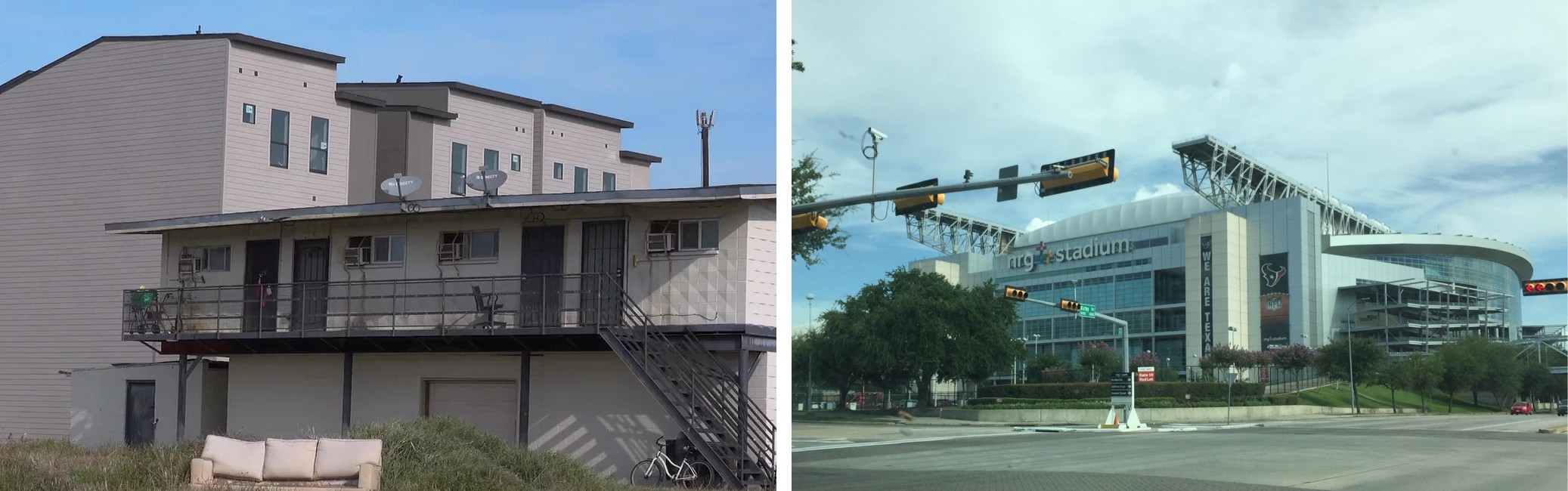
Houston’s relationship with the World Cup has been complicated from the start. While the city embraced the tournament with genuine enthusiasm—soccer is deeply woven into Houston’s culture and their home team the Dynamo have a passionate local following—the reality of hosting is now coming into focus. Public and philanthropic dollars have flowed toward major infrastructure and commercial development in preparation for the games, but much of that investment is concentrated in areas where gentrification and displacement were already underway. For Houston’s most vulnerable residents, who are already cost-burdened by housing, those developments will contribute to rising costs long after the final whistle blows. Meanwhile, many low-income homeowners who had hoped to benefit financially by renting their homes during the tournament found themselves unable to manage the cost and complexity of listing their homes, leaving the windfall largely to investors.
“Houston Community Land Trust homeowners are in a good position. Their home costs are stabilized, so they’re fairly protected against displacement from World Cup-driven development. But a single home or homeowner does not make a community. If others are at risk of being pushed out of their neighborhood for a short-term event, we have to ask: is it really worth it for anyone?” — Ashley Allen, Executive Director, Houston Community Land Trust
Los Angeles: LA Community Land Trust Coalition
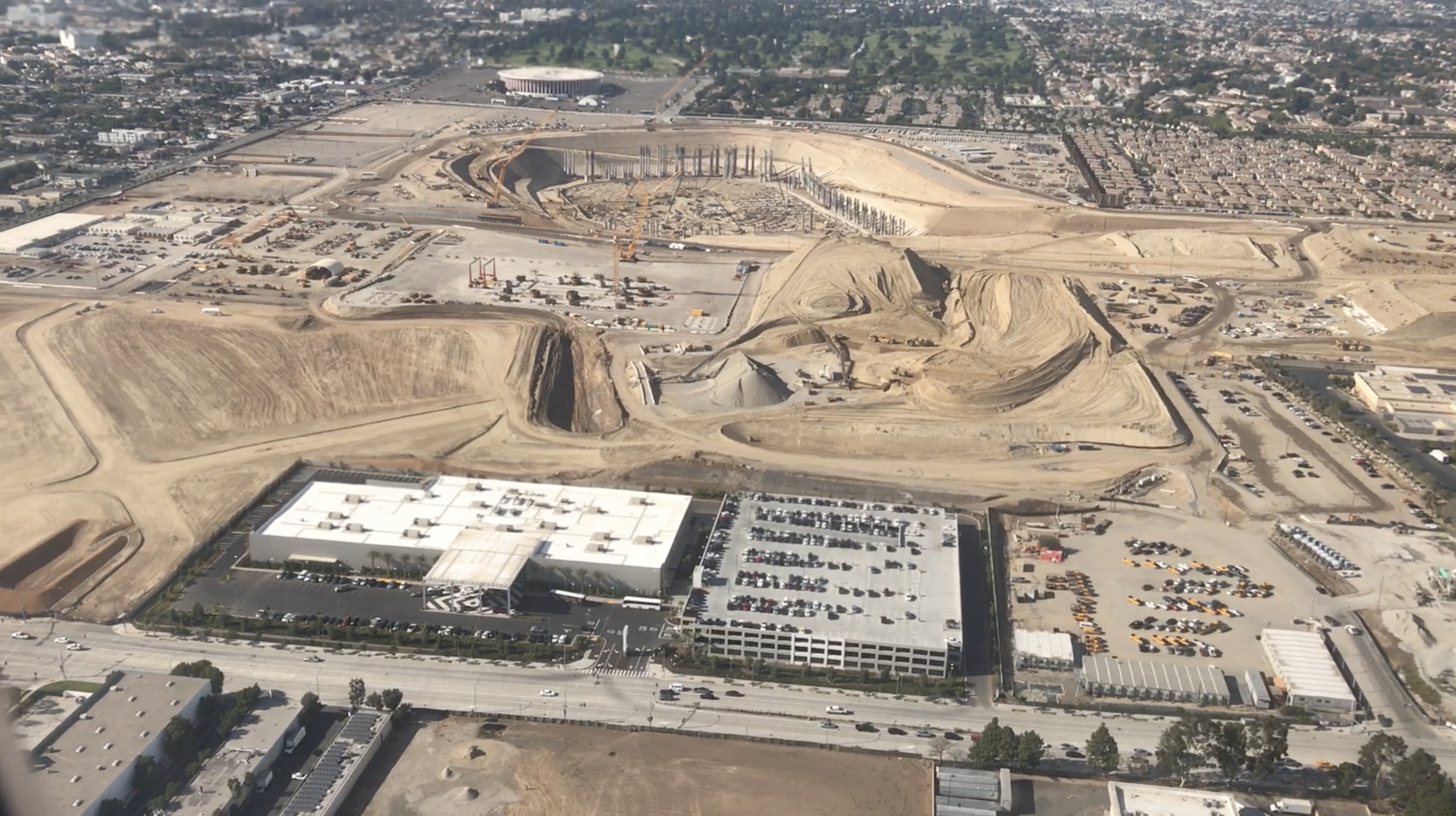
Communities across Los Angeles neighborhoods, long-shaped by redlining, disinvestment and exclusion, are now on the frontlines of displacement driven by speculation tied to the World Cup and the 2028 Olympics. For decades, Community Land Trusts in LA have worked to acquire land, develop permanently affordable housing and protect tenants from displacement, anchoring community stability in places like South LA, Boyle Heights and beyond. In response to intensifying market pressures that have pushed rents and homeownership out of reach for many Angelenos, the coalition is building a broader social housing and community ownership ecosystem rooted in collective stewardship and long-term affordability. Following the recent wildfires, they have also advanced policies to curb speculative buying during recovery, including advocating for TOPA/COPA, a public land bank and restrictions on corporate home purchases to keep land in community hands. These efforts reflect a proactive strategy to ensure that disaster recovery and global investment do not come at the expense of the very communities that have sustained Los Angeles through generations.
“Permanent affordability means that no matter how many mega-events come to Los Angeles, our communities are not pushed out to make way for profit—it means residents can stay, build and pass on stability, even as global investment reshapes our city.” — LA CLT Coalition
Toronto: Kensington Market Community Land Trust
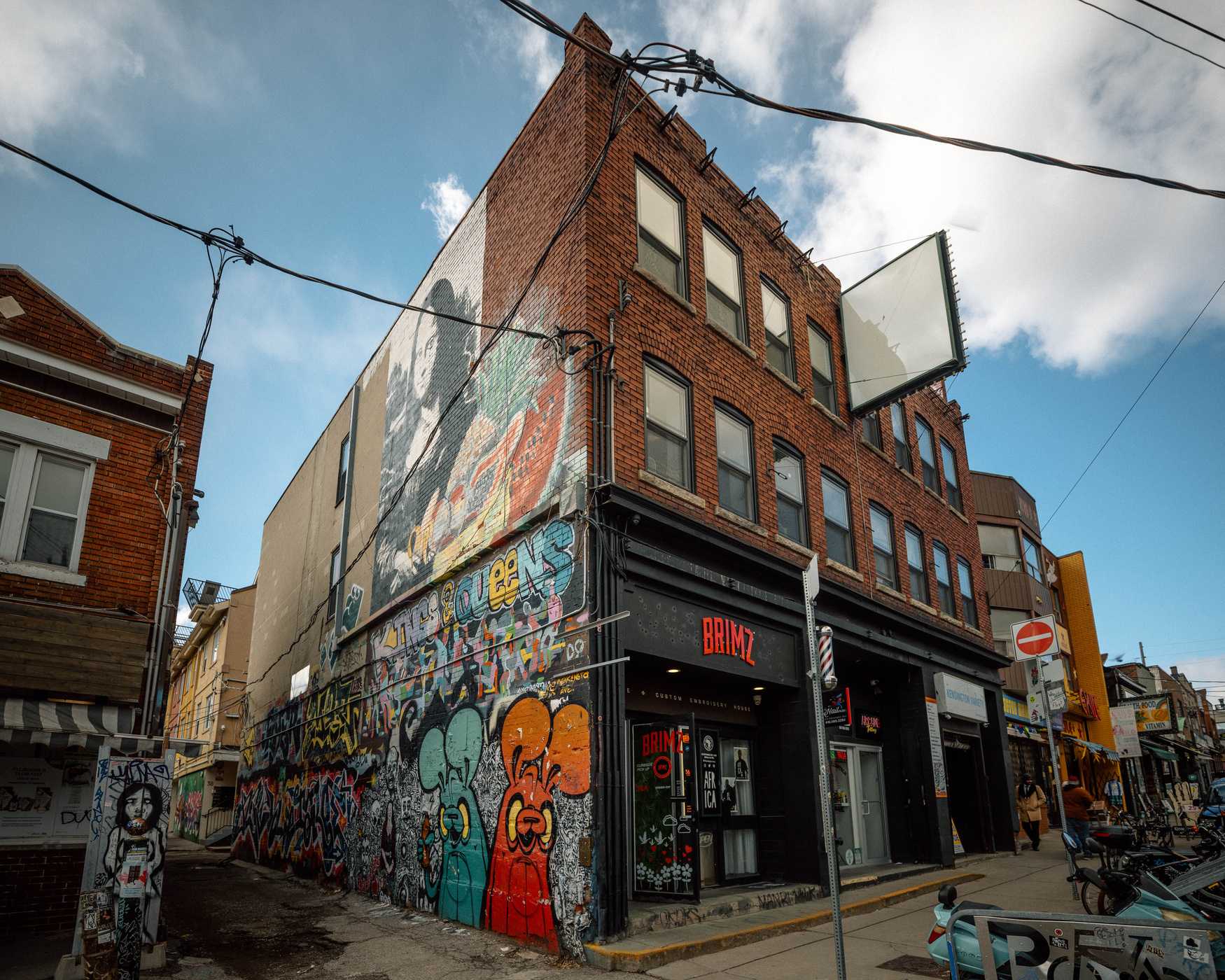
Toronto is among the most unaffordable housing markets in North America, and the arrival of the World Cup has accelerated short-term rental speculation in neighborhoods already under severe pressure—like Kensington Market, an eclectic, mixed neighborhood that has long been a landing place for new immigrants. A vibrant community of renters, an entrepreneurship incubator, a destination for creatives and tourists, Kensington Market is exactly the kind of place that speculation threatens to hollow out. In the midst of ever-increasing displacement of working-class tenants, Kensington Market Community Land Trust is giving residents and small businesses an anchor: the CLT collectively owns three mixed-use buildings with 40 residential and 17 commercial rental spaces, and is currently constructing 78 units of deeply affordable housing.
“KMCLT has fought against unregulated ghost hotels for years. A special place like Kensington Market is a delicate balance between destination and community. While unregulated short-term rentals and mega-events threaten to tip the balance, KMCLT stands firm for community.” — Dominique Russell, Co-Director, Kensington Market Community Land Trust
Vancouver: Hogan’s Alley Society
Hogan’s Alley Society is a dynamic, Black-led nonprofit named after Vancouver’s first Black neighborhood, “Hogan’s Alley”—which was destroyed in the 1970s through urban renewal and the construction of the Georgia and Dunsmuir viaducts. HAS leads efforts to advance the well-being of people of African descent through inclusive housing, culturally informed programming and community-driven development—guided by a heart-centered commitment to reviving Hogan’s Alley and connecting with other communities working toward collective justice.
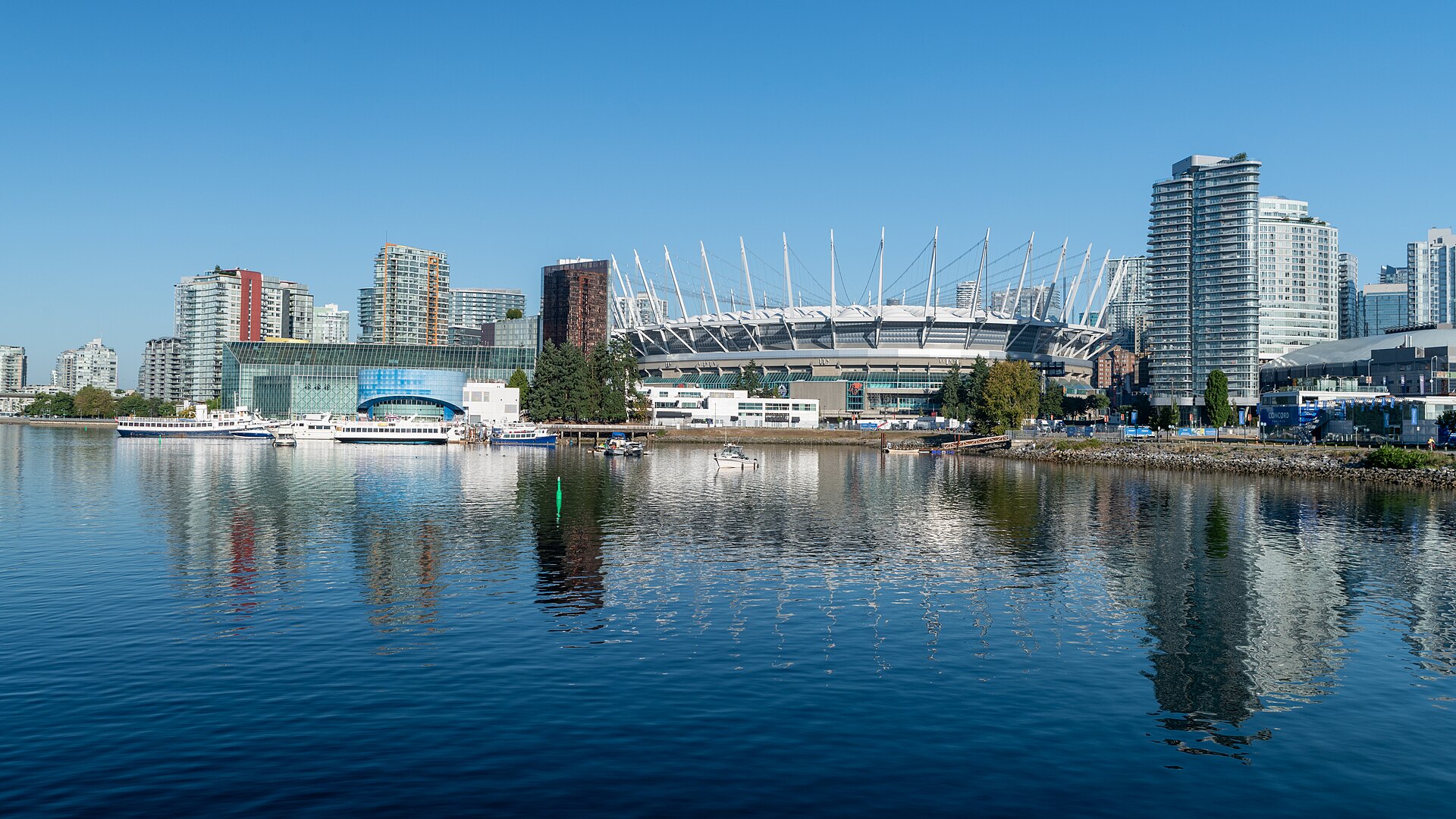
While the Hogan’s Alley Block remains its flagship project, HAS is expanding this work through the Hogan’s Alley Society Community Land Trust (HASCLT), an initiative focused on creating culturally-rooted housing and community spaces with long-term affordability across Metro Vancouver. Through public education, walking tours and community care initiatives such as its housing support program, HAS works to ensure Black communities have a lasting place within the city’s future. In a city where strict short-term rental regulations have already pushed accommodation prices sharply upward ahead of the World Cup—compounding a housing affordability crisis years in the making—these efforts have never been more urgent.
“At HAS, efforts against further displacement go far beyond fighting the loss of physical structures alone. When communities are pushed out, we lose gathering places, relationships, cultural memory and the social fabric that allows people to feel rooted and supported. In a city like Vancouver, especially in moments of rapid development tied to global events like the World Cup, community land stewardship is essential because it creates pathways for communities to remain present, connected and self-determined for generations to come. The Hogan’s Alley Society Community Land Trust is one way we move from temporary survival towards building long-term belonging.” — Djaka Blais, Hogan’s Alley Society, Vancouver
This Is Not the First Time
The cities featured in this release are not the first to face this pressure. When Rio de Janeiro hosted the 2014 FIFA World Cup—followed just two years later by the 2016 Summer Olympics—communities in the city’s favelas faced intense displacement as real estate speculation accelerated ahead of both events. In the years that followed, NGO Catalytic Communities (CatComm) worked alongside favela residents to adapt the CLT model to Brazil’s informal settlement context, helping launch the country’s first CLT initiative. That experience is now a touchstone for CLT practitioners worldwide. Mega-events provide speculators with a unique opportunity that in some cases generate and in others exacerbate housing crises.
“80,000 people were evicted from their homes due to the ‘state of exception’ that was created by Rio’s hosting the World Cup finals and Olympic Games, even in communities with 99-year leases provided by the state government. This in addition to those with titles that experienced Rio’s first-ever processes of favela gentrification. In both cases, established, consolidated and well-functioning favela neighborhoods were denied their land rights and ability to remain in the communities they built themselves. After witnessing this alongside our favela partners, we began the Favela Community Land Trust Project. Today, five Brazilian cities recommend CLTs in their Master Plans. We hope to launch the nation’s first CLT in the coming years. ” — Theresa Williamson, urban planner and Executive Director, Catalytic Communities

A Movement 57 Years in the Making
What began with one organization in Albany, Georgia in 1969 now spans over 600 CLTs across dozens of countries—and new ones are forming every month, particularly in cities facing rapid gentrification and climate vulnerability. On May 15, the global CLT community celebrated its fifth annual World CLT Day, a global moment dedicated to celebrating Community Land Trusts, connecting communities across the movement and raising visibility for the work happening in neighborhoods like the ones featured here.
World CLT Day this year was anchored by the first-ever 2026 Global CLT Virtual Summit, a free six-week series now taking place of online events running from May 5 to June 10. Conceived to reclaim and honor the Black and Indigenous leadership traditions that gave rise to the CLT model, the Summit brings together practitioners, residents, organizers, researchers and allies from across the movement to share experiences, reflect on practice and advance community land stewardship globally. Co-hosted by the International Center for Community Land Trusts and Rondo Community Land Trust, with support from the Robert Wood Johnson Foundation, the Summit is free and open to all. Join events of the six-week series here.
The International Center for Community Land Trusts, which maintains the Global CLT directory and supports CLT development worldwide, connects practitioners across regions and coordinates the movement’s growing global infrastructure. The organizations featured here did not wait for the World Cup to start doing this work and they will not stop when it is over.
Learn more about Community Land Trusts
This release may be republished freely. We encourage media to reach out directly to CLT contacts in their city for local angles, additional quotes and resident stories
Press Contacts:
Houston: Ashley Allen, Houston Community Land Trust | Email: ashley@houstonclt.org | Phone: +1 (832) 638-6763
Los Angeles: Jessica Melendez, T.R.U.S.T. South LA | Email: jessica@trustsouthla.org | Phone: +1 (323) 233-4118
Toronto: Dominique Russell, Kensington Market Community Land Trust | Email: dominique@kmclt.ca
Vancouver: Djaka Blais, Hogan’s Alley Society | Email: djaka@hogansalleysociety.org| Phone: +1 (778) 200-1003
Brazil context: Theresa Williamson, Catalytic Communities — press@catcomm.org | WhatsApp: +55-21-991976444
International context: Ben Harris, International Center for Community Land Trusts — ben@communitylandtrust.net | Phone: +1 (706) 536-8603