
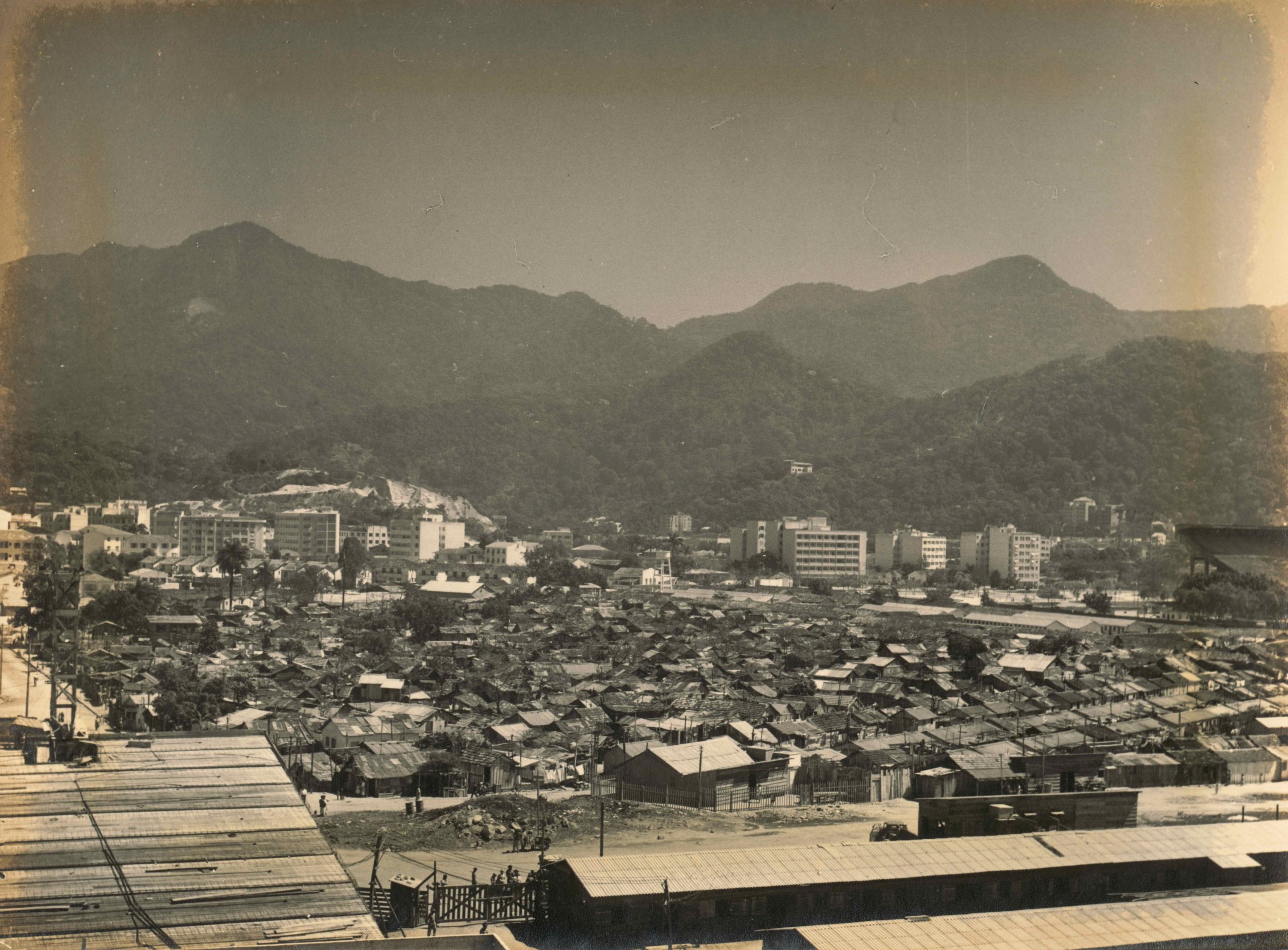

For much of the 20th century, between the shores of the Rodrigo de Freitas Lagoon and Rio de Janeiro’s Leblon neighborhood, stood one of the largest favelas in the city’s upscale South Zone: Praia do Pinto. Around 9,000 people lived there until 1969, when a fire destroyed many of the homes, marking the end of the community. Most residents worked in construction, domestic work and local factories—men and women who, despite living in precarious conditions, actively contributed to building and sustaining the city’s daily life.
In addition to Praia do Pinto, several favelas lined the lagoon’s shores at the time: Pedra do Bahiano (where Leblon shopping mall stands today), Catacumba, Ilha das Dragas, Piraquê, Macedo Sobrinho and Largo da Memória.
Praia do Pinto, in particular, clearly expressed the deep social inequality that characterized Rio de Janeiro in those days. Wooden shacks without basic sanitation or urban infrastructure stood alongside private clubs, residential buildings and upscale areas that multiplied with Leblon’s real estate expansion. However, the favela’s precariousness was socially constructed by the Leão XIII Foundation‘s Social Services unit that exercised strict control over what could be built, prohibiting expansions and brick-and-mortar structures. According to historian Rafael Soares Gonçalves of Rio’s Pontifical Catholic University (PUC-Rio), this amounted to a kind of perilous tolerance: the favela was tolerated, but not recognized as part of the city. It was expected to keep its precarious and temporary character and was fated to disappear. The favela could not be allowed to consolidate.
Frequently portrayed by newspapers of the era as a space of “illness,” “disorder” or “danger,” Praia do Pinto was a place of intense collective life and strong social networks: lines at the communal water taps, washerwomen working along the shores of the lagoon, small shops, bars, terreiros [sacred temples of Afro-Brazilian worship], social clubs, parties, a school and blocos [street carnival parades] were all part of the favela’s social landscape. There, bonds of solidarity, survival strategies and distinct ways of organizing daily life were built. Far from being merely a place of deprivation, the community was a space of belonging and identity for thousands of families.
This context gave rise to intense debates around affordable housing and the future of Rio de Janeiro’s favelas in the 1950s. Among the initiatives that sought to address this “urban problem” was the creation of Cruzada São Sebastião. Conceived in 1955 by Dom Hélder Câmara, then Auxiliary Bishop of Rio de Janeiro, the Cruzada was an institution linked to the Catholic Church that sought to confront the so-called “favela problem” through a project combining urbanization, social assistance and moral guidance.
As a program, Cruzada São Sebastião was rooted in the three principles of “urbanizing, humanizing and Christianizing.” The initiative sought to promote urban improvements in the favelas while fostering community organization and values inspired by the Catholic Church’s social doctrine. It also pursued an ambitious goal: to upgrade Rio de Janeiro’s favelas by the city’s quadricentennial in 1965. The institution relied on public subsidies, private donations and land concessions granted by the State.
Among the various initiatives promoted by the Cruzada, the best known was the construction of Bairro São Sebastião [Saint Sebastian’s Neighborhood] in Leblon. The housing complex, now widely known simply as Cruzada, broke ground in 1955 and was completed in 1962. The project called for the construction of ten seven-story buildings totaling around 900 apartments intended for the resettlement of families from the favelas surrounding the Rodrigo de Freitas Lagoon, especially Praia do Pinto.
The project had a characteristic that set it apart from many urban policies implemented later on in the city. Instead of relocating residents to areas far from the South Zone, the Cruzada advocated for these families to remain in the same area where they had already built their lives and worked. According to Dom Hélder Câmara, bringing together different social classes was a way to address urban inequalities and reduce the social tensions that marked the city.
Families were selected to live in the apartments by the Cruzada’s Social Services Program in partnership with the Leão XIII Foundation. Once settled in the new housing complex, residents were accompanied by social workers and community initiatives promoted by the Cruzada. The social work carried out there sought to guide the organization of domestic and community life, encouraging standards of behavior considered appropriate by the institution.
In this sense, the Cruzada housing project was not limited to the construction of homes—it also reflected an attempt to promote the social and moral transformation of residents. Inspired by Catholic values and the discipline of the working world, several educational initiatives were implemented in the housing complex. Rules for coexistence and guidelines aimed at men, women and children were part of an effort to encourage new habits considered compatible with formal urban life: the Decalogues of the Legionaries of Saint George for women, the Knights of Saint Sebastian for men and the Little Saints Cosmas and Damian for children.
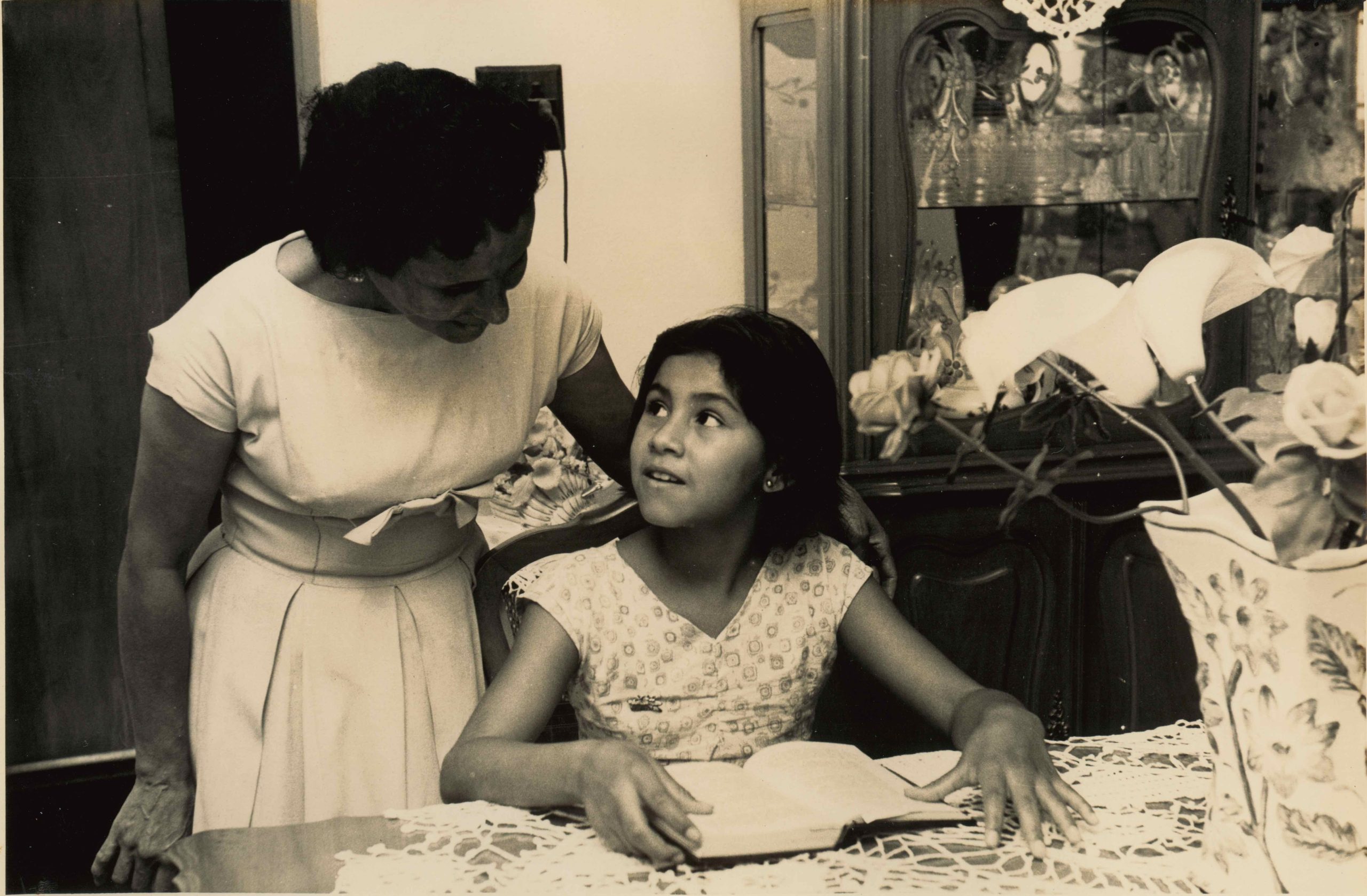
The apartments built in Bairro São Sebastião were sold to families through monthly installments ranging from 8% to 15% of the minimum wage. Payments were to be made over 15 years, at the end of which residents were to receive title to their apartments. For many families, the possibility of becoming owners of an apartment in one of the city’s most sought-after neighborhoods represented a significant change from their previous housing circumstances.
However, the promise of property ownership did not materialize within the expected timeframe. After paying off their installments, residents found they could not register their apartments with the land registry office because the land on which the housing complex had been built had never formally been transferred by the federal government to Cruzada São Sebastião. This legal uncertainty persisted for decades. The situation only began to be resolved in the 1980s, when the state government of Rio de Janeiro included the housing complex in the land regularization program Cada Família um Lote (One Plot per Family) during Leonel Brizola‘s administration. The initiative finally allowed property titles to be issued to residents, guaranteeing legal recognition of their homes.
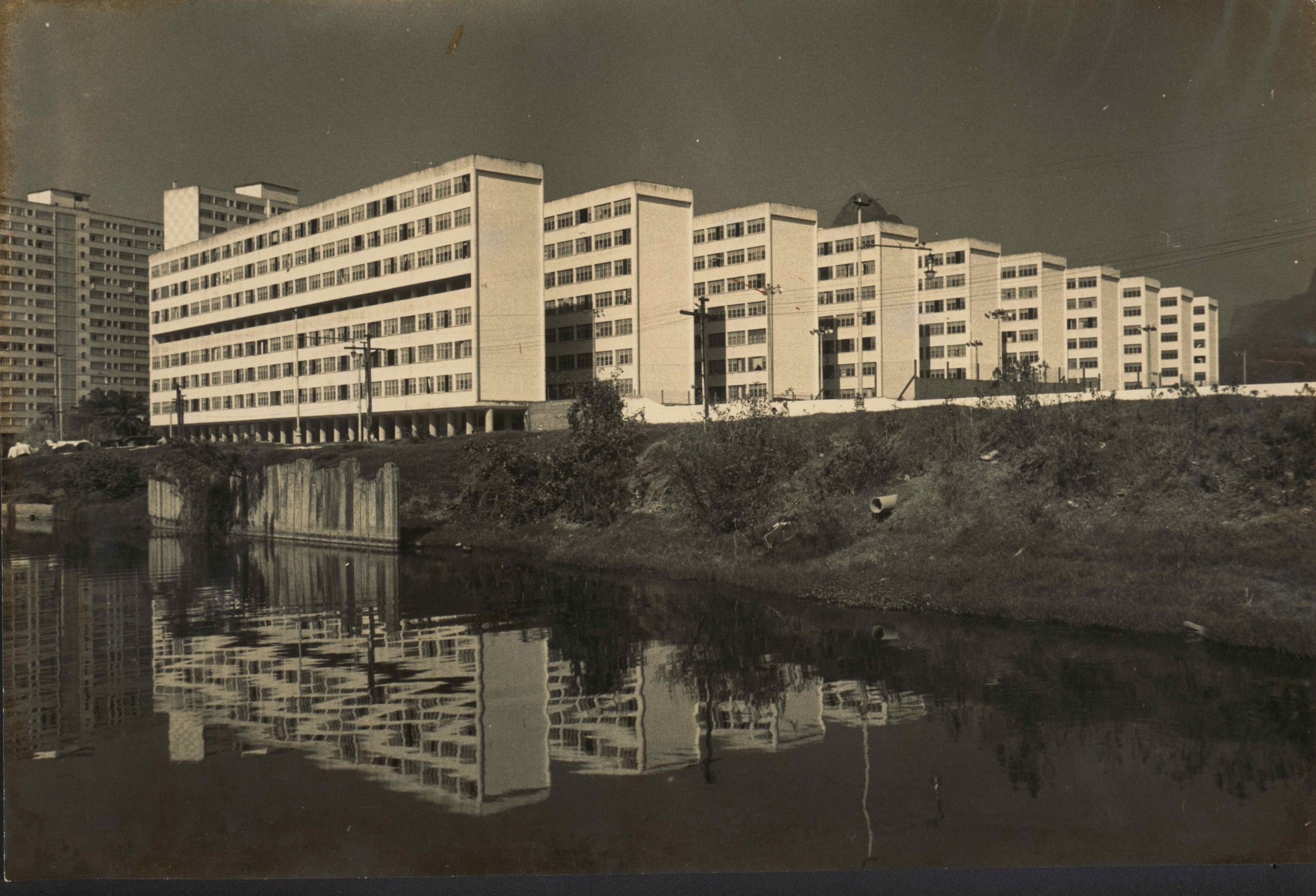
Currently, around 4,000 people live in Cruzada. Alongside residents from the first generation of families relocated from Praia do Pinto, new families have moved into the neighborhood over the decades. Some apartments are rented to foreigners attracted by the complex’s prime location and relatively affordable rents for short-term stays. According to Joel Luiz Nonato, president of the Bairro São Sebastião do Leblon Residents Association (AMORABASE), rents in the complex currently range from R$1,200 (~US$240) to R$1,800 (~US$360). Purchasing an apartment currently costs between R$200,000 (~US$40,000) and R$400,000 (~US$80,000), depending on the size and characteristics of the property. Even so, the majority of residents are still former Praia do Pinto residents and their families.
It is also common to see residents move within the housing complex. Those who initially lived in studio apartments later purchase one- or two-bedroom apartments in other buildings.
In the context of social change and the community’s continued presence in the area, the AMORABASE neighborhood association organized a celebration in November 2025 to mark the 70th anniversary of Cruzada São Sebastião. The event lasted three days and featured a variety of cultural and community activities. It opened with a procession and the installation of a wooden statue of Saint Sebastian in a shrine built at the entrance to the complex on Borges de Medeiros Avenue, across from the Jardim de Allah park.
Keeping in mind that one of AMORABASE’s main goals was to preserve and celebrate its residents’ social and housing history and pass it on to younger generations—who are not always familiar with it—a series of memory initiatives focused on the history of Cruzada São Sebastião were carried out in partnership with PUC-Rio’s Department of Social Work. Researchers Flavia Leone, Lohana Campos and Rafael Soares Gonçalves first selected photographs of Cruzada São Sebastião and Praia do Pinto from the PUC-Rio Memory Center collection. Photo collection drives were then organized to gather historical photographs preserved by residents themselves, in collaboration with visual producers and community residents Alex Brito and Giulia Marinho. This effort to reconstruct community memory through photography resulted in 12 panels displayed at the entrances to the complex’s ten buildings.
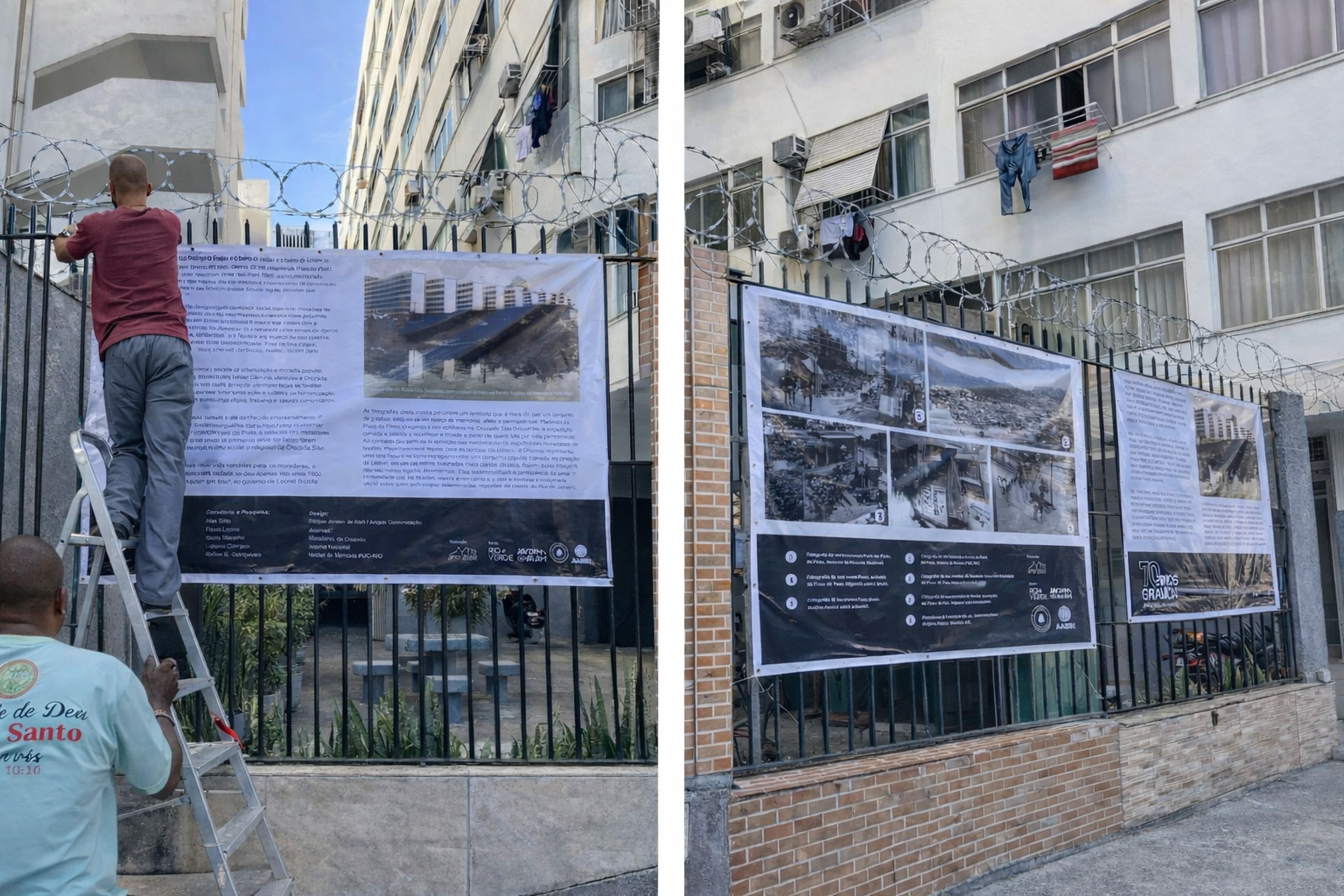
Throughout the celebration, longtime residents were moved as they recalled their life stories, while younger residents were struck by the changes in the neighborhood and images of the former Praia do Pinto favela. In addition to the exhibition, a seminar organized by the LEUS research lab at PUC-Rio’s Department of Social Work brought together researchers and Cruzada residents in a space for exchange about the complex’s history, housing experiences and the challenges of preserving the community’s memory and ensuring its future.
Even 70 years after its construction, Cruzada São Sebastião remains a singular case in Rio de Janeiro’s urban history. Unlike the removal policies that historically pushed mostly Black favela residents to peripheral areas increasingly distant from the city, Cruzada represents a rare fissure in this segregationist logic: a public housing complex located in the heart of Leblon, one of the country’s most expensive neighborhoods.
The mere presence of Cruzada where it stands bears witness to a community’s right to remain and the daily reinvention of urban life. The memory initiatives and celebrations organized by residents show that the history of Cruzada São Sebastião is not confined to the history of the city’s housing policies. It remains alive in the lives of those who call it home and continues to challenge prevailing notions about who can occupy certain spaces in Rio de Janeiro.