

This article is part of our series reflecting on the impacts of mega-events on Rio de Janeiro 10 years after the 2016 Olympic Games.
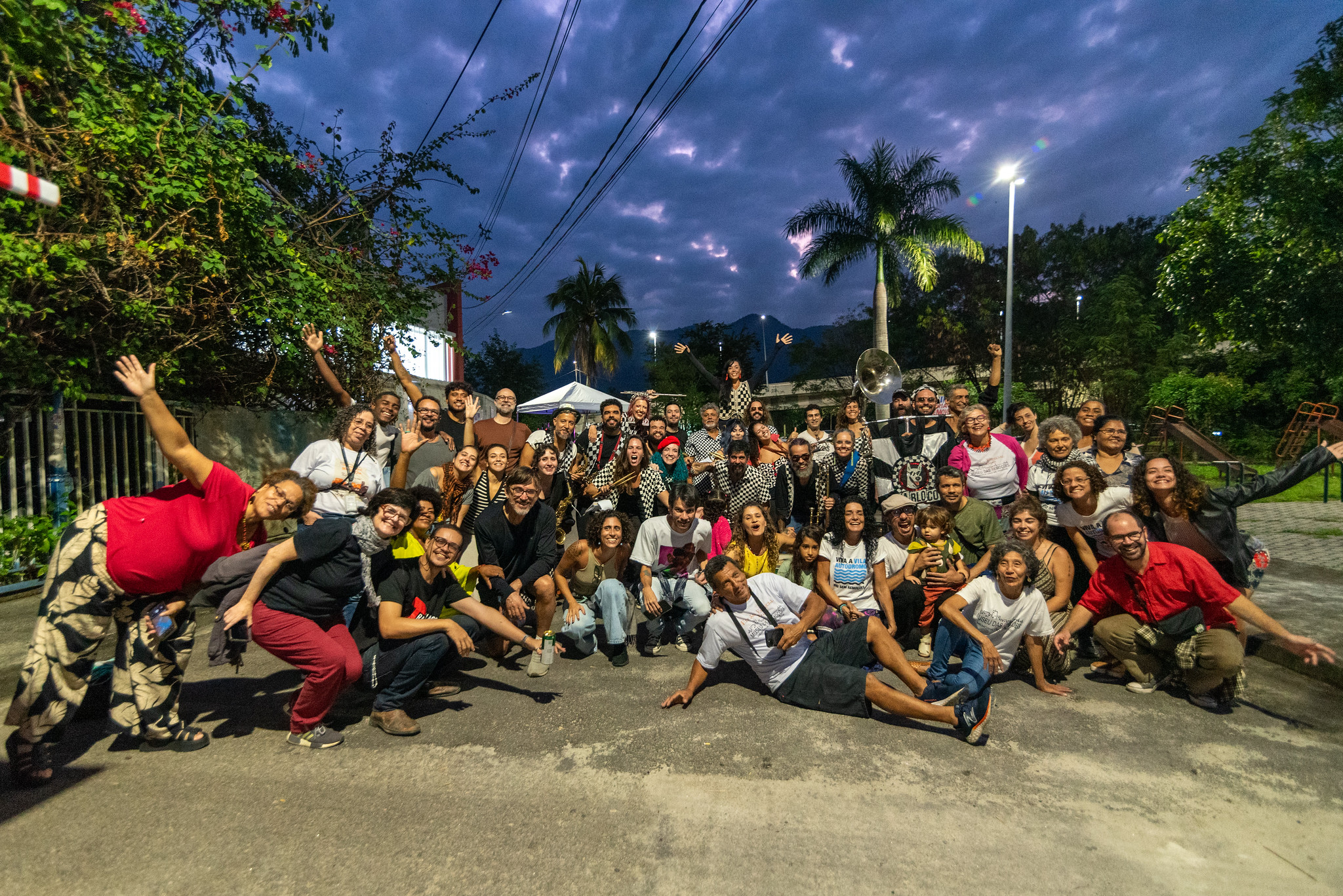
This Museum Month, Vila Autódromo marked ten years since resisting the violent forced evictions that Rio de Janeiro’s City Hall justified as necessary for the 2016 Olympic Games, when only 3% of residents managed to stay. A favela in the city’s speculative Southwest Zone, residents recently celebrated the tenth anniversary of their Evictions Museum and the victory of those 20 families who remained. The event brought together residents, artists, activists and supporters for a day of memory, culture and a reaffirmation of the right to the city.
The program began with the monthly gathering of Rio’s Social Museology Network (REMUS), which brought together representatives from community-based museum initiatives to discuss approaches to preserving collective memory from within their own territories. Mario Chagas, professor and director at the School of Museology of the Federal University of the State of Rio de Janeiro (UNIRIO), delivered a powerful message during the gathering:
“This year marks the tenth anniversary of the Museum of Tomorrow [Rio’s most-visited museum] and the Evictions Museum, and twentieth of the Maré Museum. I’m happy to be here and not at the Museum of Tomorrow, because tomorrow is actually here [in the community museum movement]. The possibility of transforming the world of museums is here, not there. That one is the Spectacle Museum. Is there space for the Museum of Tomorrow? Sure, there is. But what we want to guarantee is our place: we want this space to have a place.”
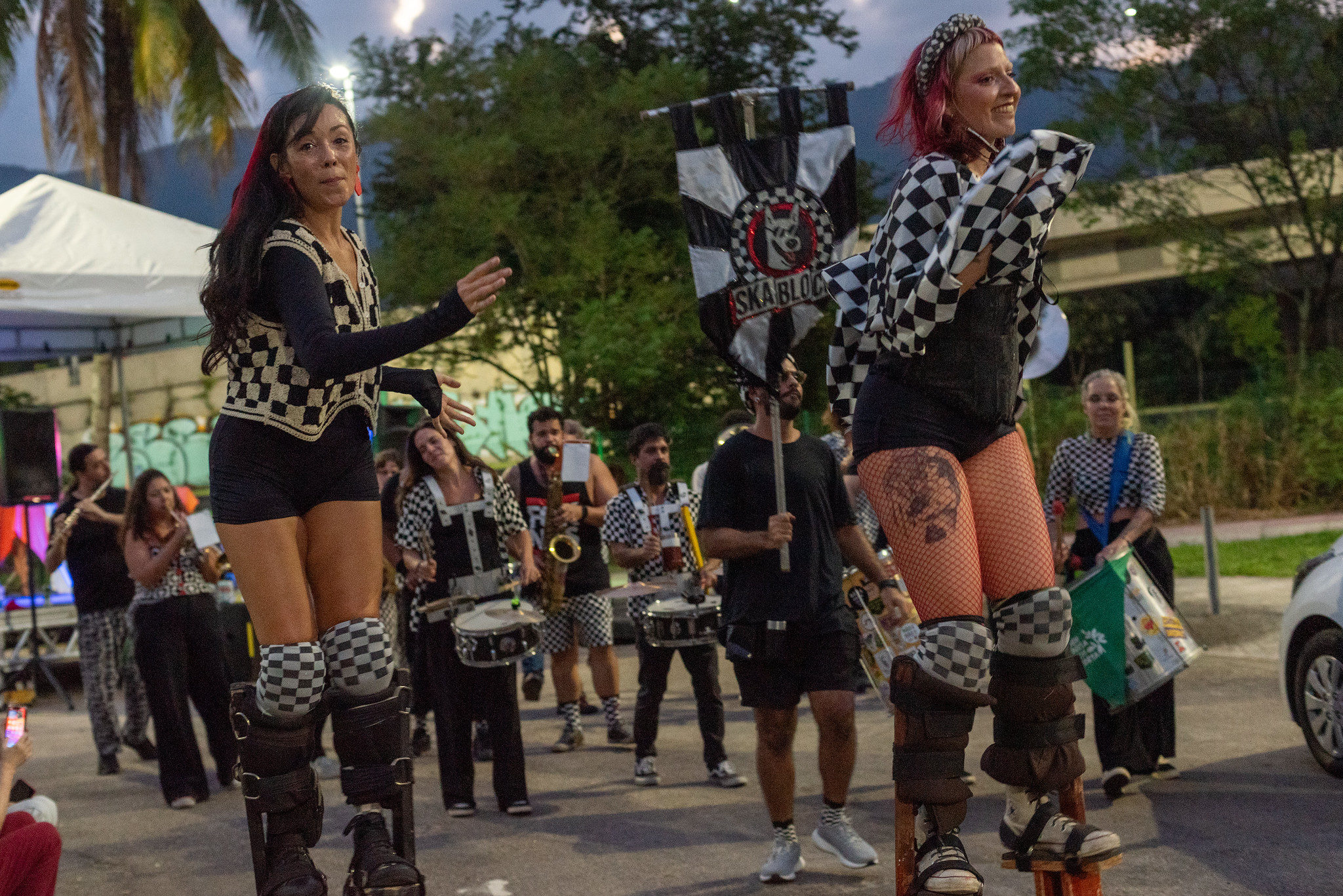
Rapper Jef Rodriguez then took the stage with a performance that moved the crowd with lyrics full of protest and defiance, invoking the resistance of Vila Autódromo. The high energy carried into the afternoon with Skabloco, that energized the crowd with a ska-infused brass-and-percussion fanfare, blending rhythms and drawing residents and visitors into the celebration.
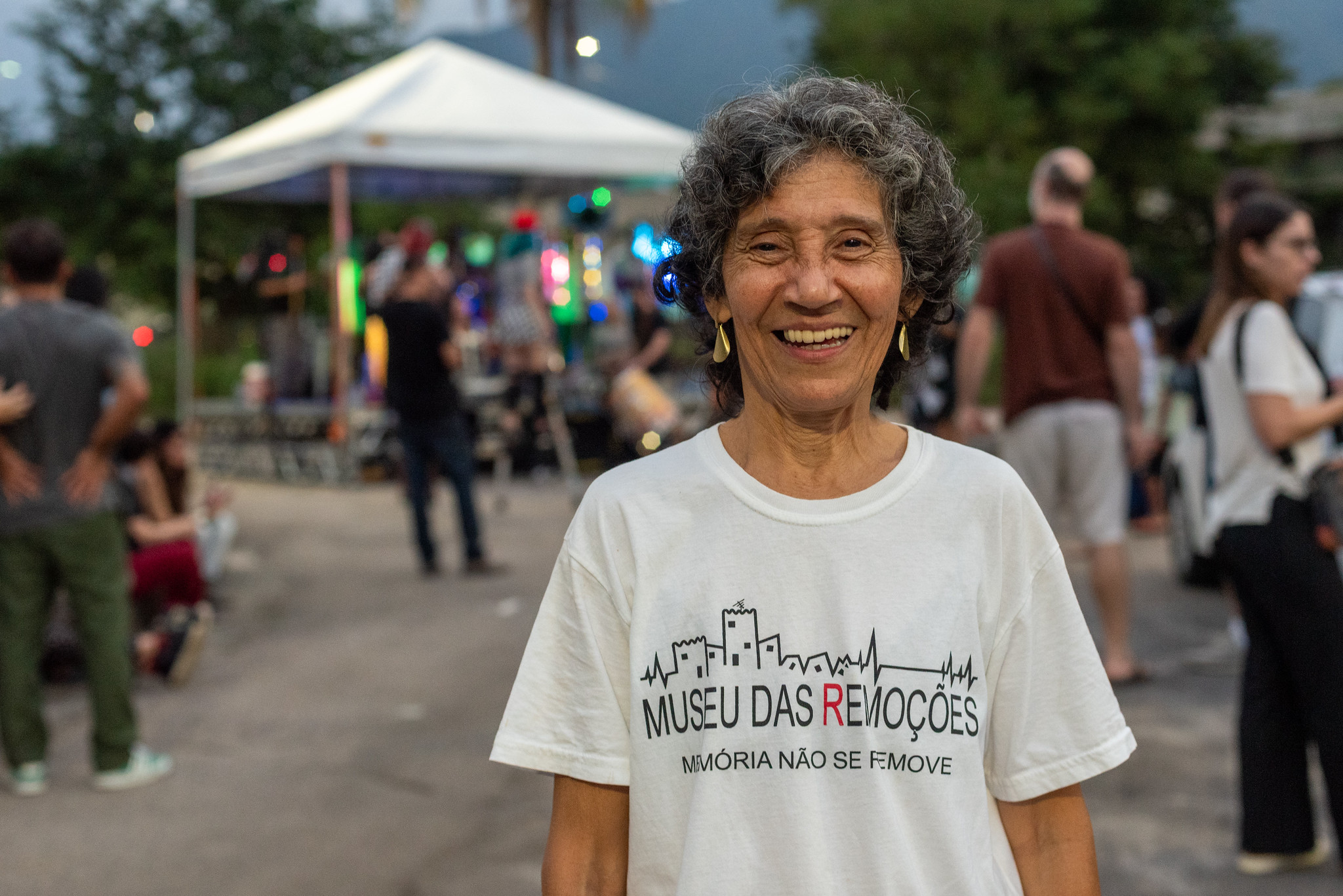
Sandra Maria, a thirty-year resident of Vila Autódromo, active participant in the resistance against evictions and co-founder of the Evictions Museum, spoke about the importance of the museum’s tenth anniversary:
“We are celebrating ten years of the Evictions Museum, which was born out of the fight against Vila Autódromo’s forced eviction. The Evictions Museum was founded as an instrument of resistance, a real tool for us to fight against the evictions that were happening at the time and against the threat of forced evictions in other communities. Today, we’re also celebrating ten years of Vila Autódromo’s victory [in keeping some residents here and the community alive]. Around 700 families were removed, but 20 managed to stay. That was enormously important. The permanence of these 20 families means that this area, this land, this community, continues to be a Special Zone of Social Interest, which is land designated for low-income housing. So this is very important in the fight for the right to housing, for the right to the city, for the right of low-income people to live in serviced portions of the city and to put an end to this pattern where, whenever speculation arrives, the area gets upgraded, the region’s property values increase, and the first thing [City Hall] does is take away the poor. So, Vila Autódromo’s survival is a major, fundamental reference point in the fight for the right to housing, for the right to a home, for the right to the city. And the Evictions Museum is yet another tool in that fight.”
Maria da Penha, a key figure in the fight against Vila Autódromo’s forced evictions and co-founder of the Evictions Museum, also reflected on the struggle and highlighted the joy of having remained in her community:
“It’s turning out to be a wonderful day, full of hope and with so much love in our hearts—when you do the right thing, when you fight for your rights, may those rights always be respected. And this is a day of celebration… It’s a privilege to be here today with so many friends, with so many wonderful people and with the residents who once lived here. I feel very privileged to have stayed and to be continuing this fight, because it never ends. You never know what tomorrow will bring, but as long as we’re here, we’ll live with joy, and I’m very happy because I’m in the place I love. And happiness can’t be bought!”
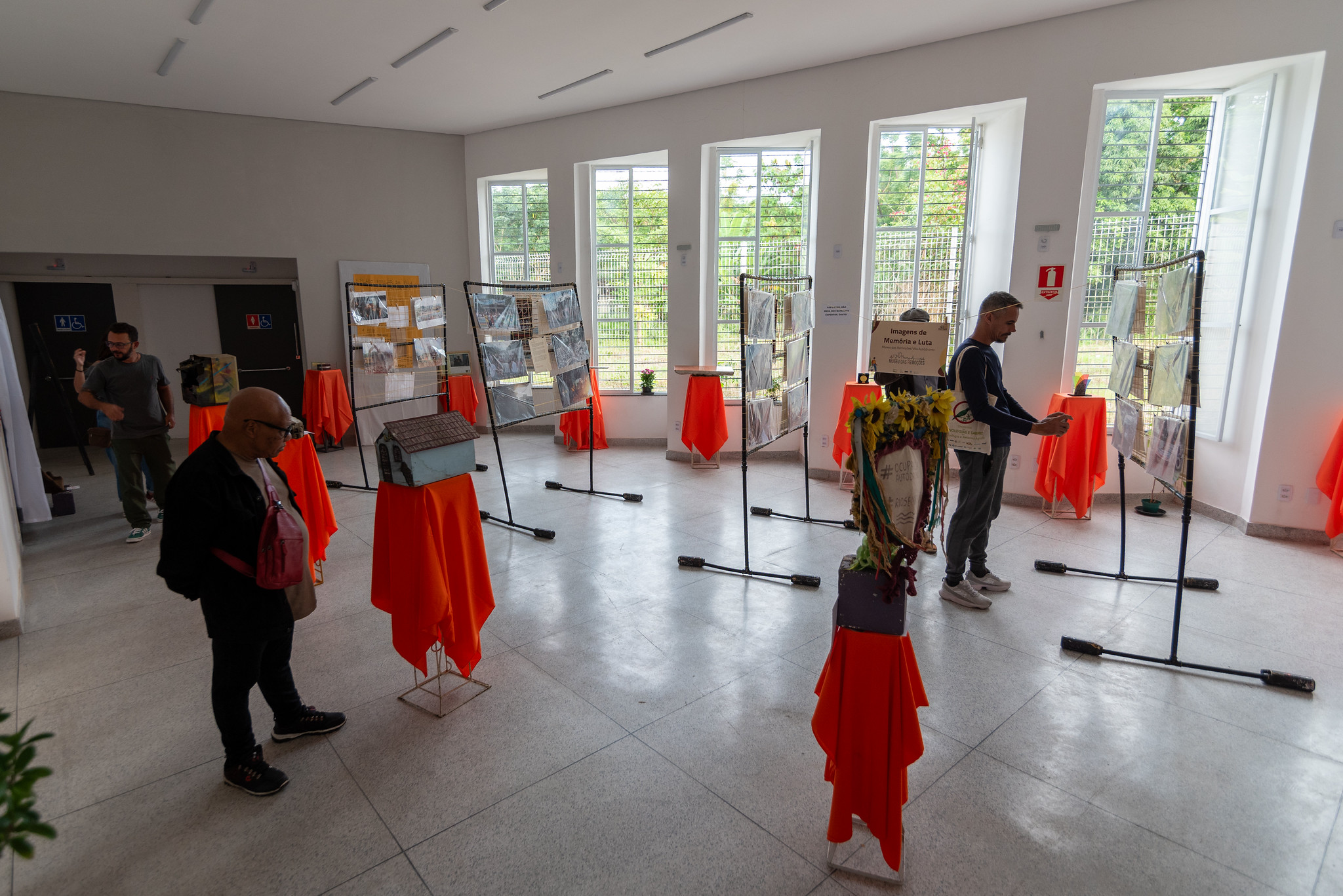
The exhibition ‘Memory and Struggle’ by Luiz Claudio and Ana Priscila was on display at Vila Autódromo’s Cultural Center, which residents had long demanded and thanks to their pressure City Hall finally delivered. The exhibition featured photographs and objects that reconstruct the history of the community’s eviction. Luiz Claudio, a resident since 1994, reflected on the importance of the Evictions Museum as a response to City Hall’s violence, and its transformation into something beyond a museum—an instrument of popular struggle.
“It’s a museum that emerged in the midst of a violent attack by the State against what was a legalized community, which is why we’re still here today, and managed to stand up to an oppressive system. We carried that struggle all the way to the eve of the Olympics, when they had to give in and respect the rights [of those of us who were still here resisting]. So, for us, the celebration of these ten years means a great deal, because we waged a fight that no one believed we could win. It was unprecedented, you know? We had supporters who strengthened us at every difficult moment. The Evictions Museum is deeply significant not only for Vila Autódromo; it holds great importance in the broader popular struggle: there are many communities facing the threat of eviction when major development projects come in.”
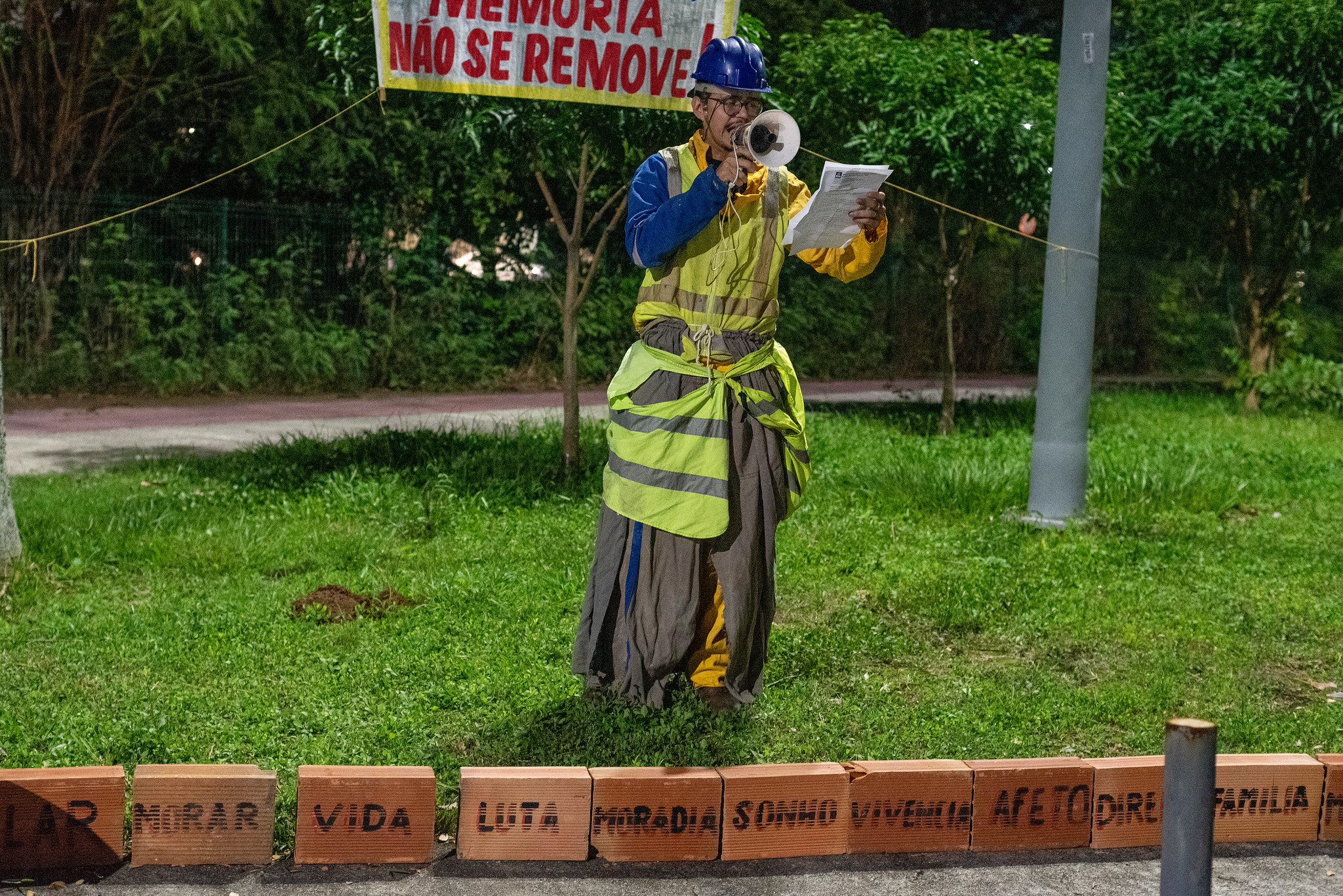
The theatrical dimension of the event carried a sharp political edge, with activities like a peteca workshop, led by Elihas di Jorge, that brought together children and adults to make the traditional Indigenous toy from simple materials. Afterwards, Maria Madeira performed a storytelling piece accompanied by animated puppet theater. And lastly, João Maturo’s performance ‘Evictions’ artistically recreated the memories of the violence experienced by residents, giving form to pain through art. In one moment during his performance, Maturo raised a megaphone to the crowd and declared:
“This is why we must resist, so that what happened here never happens again. More than resisting, we must occupy! The fight is not yet won… We must resist! So that attacks like this may never repeat themselves. Memory cannot be evicted!”
The history of Vila Autódromo bears the scars of the arbitrary forced eviction of approximately 700 families. It was an attempt by City Hall to destroy an entire community and its memories. The permanence of the 20 remaining families and the tenth anniversary of the Evictions Museum speak for themselves: without struggle there is no victory, and memory cannot be evicted.
See More Photos in the Album:

About the author: Bárbara Dias was born and raised in Bangu, in Rio’s West Zone. She has a degree in Biological Sciences, a master’s in Environmental Education, and has been a public school teacher since 2006. She is a photojournalist and also works with documentary photography. She is a popular communicator for Núcleo Piratininga de Comunicação (NPC) and co-founder of Coletivo Fotoguerrilha.