


This article is part of our series reflecting on the impacts of mega-events on Rio de Janeiro 10 years after the 2016 Olympic Games. It was produced in partnership between RioOnWatch and Grupo CASA: Social Studies on Housing and the City, based at the Institute of Social and Political Studies at the State University of Rio de Janeiro (IESP–UERJ), comprising their university extension program and launching IESP effort to share results of the academic research conducted by members of Grupo CASA with a broad audience. Through this collaboration, the group hopes to build an archive that will enable it to continue critically monitoring the implementation of public policies in the Rio de Janeiro metropolitan area.
According to data from the Association of Rail-Based Passenger Transport (ANPTrilhos), in 2024, 2.57 billion passengers used rail-based transport in Brazil, an increase from the previous year. However, within Rio de Janeiro’s Metropolitan Region, trains have yet to recover from the downturn experienced during the Covid-19 pandemic. Based on researchers’ analysis, high fares and problems with transportation security have become central to SuperVia’s narrative of shirking responsibility. SuperVia, the train service provider for the state of Rio de Janeiro, stopped operating the system in May 2026, after 30 years. The consortium now in charge is Nova Via Mobilidade (New Route Mobility).
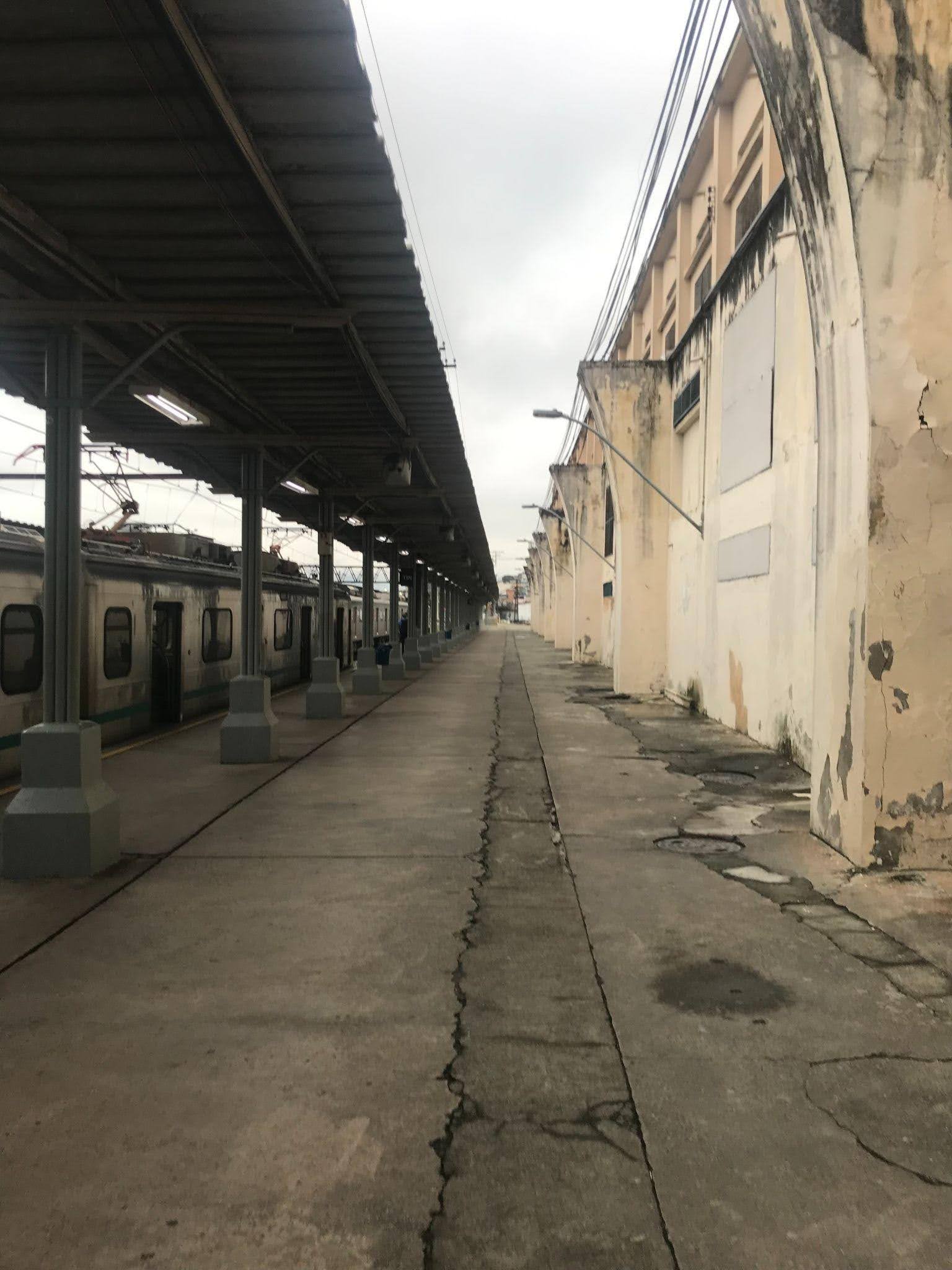
The neglect, however, is long-standing. According to researcher Marcos Vinícius Lopes Campos, a postdoctoral researcher at the Brazilian Center for Analysis and Planning (Cebrap), Rio’s suburban rail system has been facing a process of decay since the 1950s: “Ever since trains stopped being an indicator of economic development, of modernity and of progress in the city.” He says that the decline of Rio’s train system is not just connected to one bad contract, but part of a long-term process.
Campos says that “the last major cycle of investment in trains was in 2010, when SuperVia’s contract was renewed early for another five years.” In the period leading up to the Olympics, there were upgrades to signaling, stations and train cars. “The Olympics were a time when the number of daily passengers increased significantly,” he says.
According to the researcher, the trains were the transportation infrastructure that received the least amount of investment for the Olympics, in comparison to the BRT (bus rapid transit) and the subway. Gume (a shareholder in SuperVia) expected to increase the number of passengers to levels similar to those seen in the 1970s: around one million passengers per day. However, with the drop in revenue during the social isolation period in 2020, the crisis worsened and persists to this day:
“Since the pandemic, trains have been at an impasse, with no way of being renovated, no way of being profitable and no way of being deactivated and replaced. Most of the solutions are tentative and temporary, postponing confronting the ongoing contradiction between revenue and the cost of continually renovating the rail system.”
The deterioration of Rio de Janeiro’s trains interferes daily with passengers’ freedom to come and go, as they are forced to face structural problems, lack of comfort and insecurity during their rides.
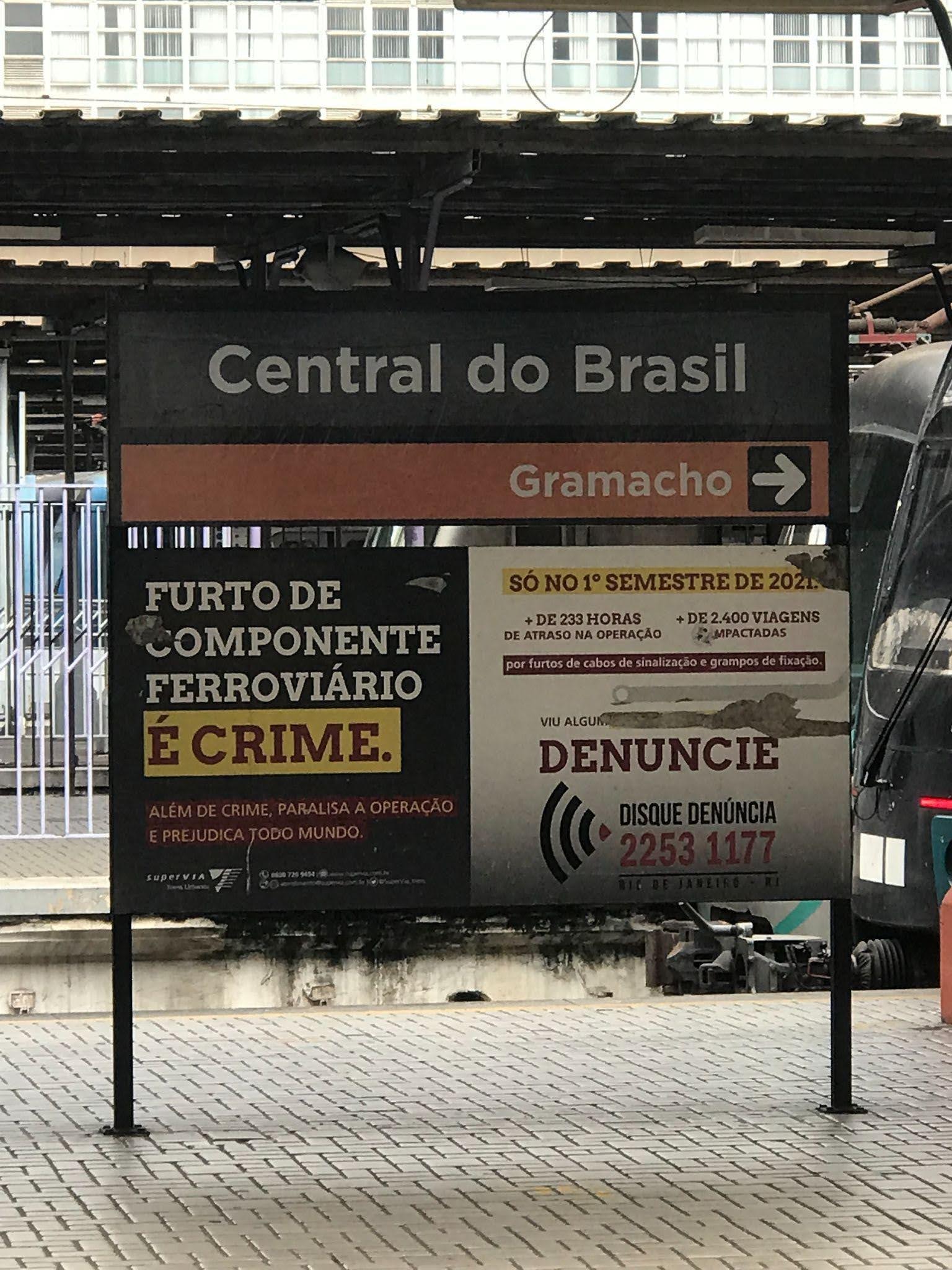
The book It Was Not in Vain: Mobility, Inequality and Safety on Rio de Janeiro’s Metropolitan Trains brings visibility to a daily reality marked by accidents and SuperVia’s negligence. It tells the story of Joana Bonifácio, a young Black woman from Rio’s peripheral areas who commuted by train every day to attend university. Her commute started in Coelho da Rocha, a district in the municipality of São João de Meriti, in Greater Rio’s Baixada Fluminense region, where she lived, and took her to Campo Grande‘s West Zone State University Center Foundation (UEZO). One day, her leg got trapped in the train door. She was dragged, thrown under the moving train and run over. Like so many others, the young woman had her dream of becoming a biologist cut short.
According to the research conducted for the book, 68% of the people who died on trains between 2008 and 2018 were Black and 26% were white. In 2018, 83 cases of involuntary manslaughter resulting from railway accidents were recorded. Between 2008 and 2018, there were 368 cases in total, 48% occurring in the North Zone, 28% in the Baixada and 24% in the West Zone.