
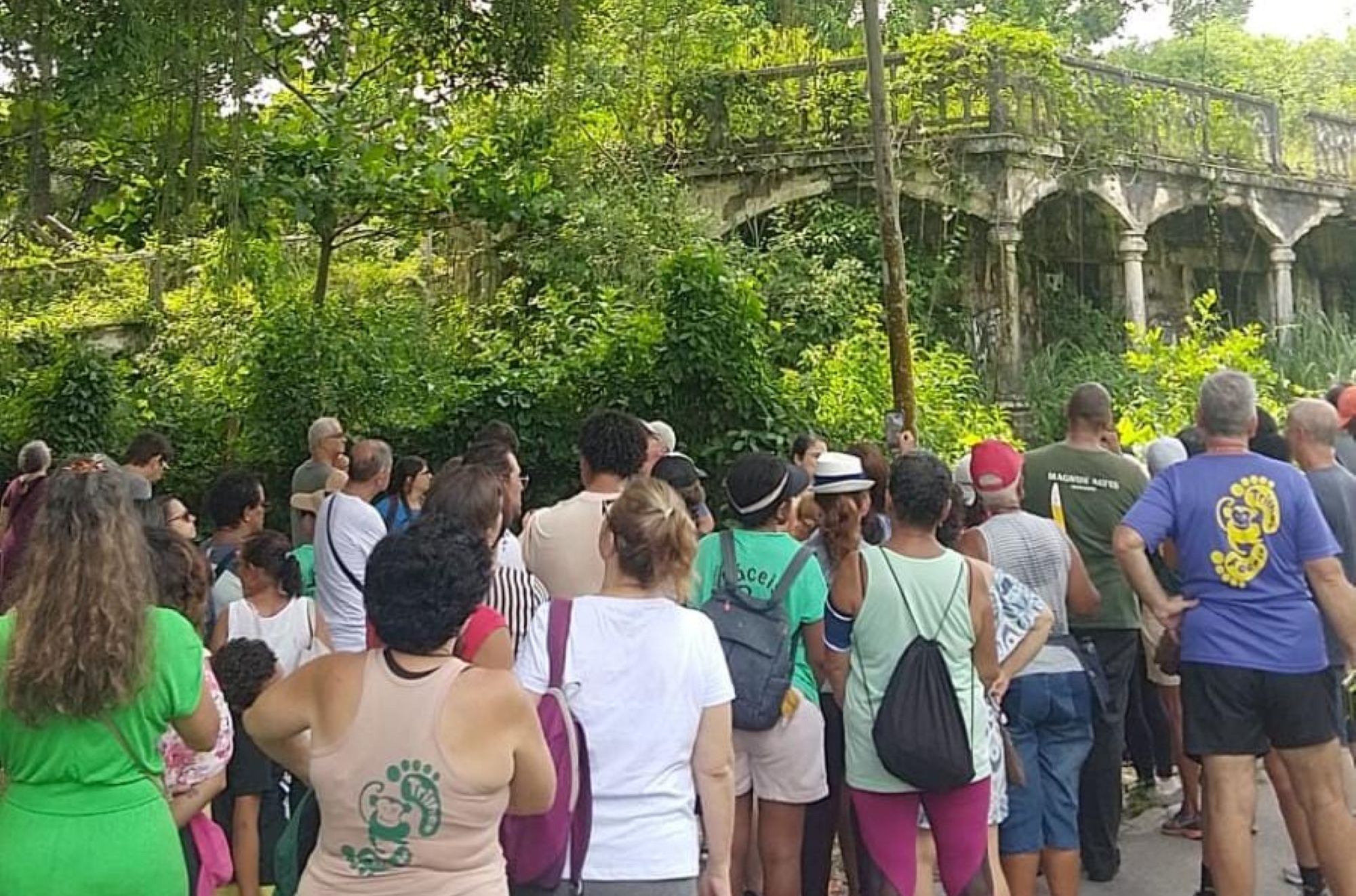

In the Southwest Zone of Rio de Janeiro, an initiative by the Jacarepaguá House of Culture has been turning local residents into key players in the preservation and promotion of the area’s history, culture and heritage. Through the Community-Based Tourism project, the Charms of the Sertão Carioca Collective has been training local guides and mediators to research, interpret and present Jacarepaguá‘s memories, creating new itineraries and ways to explore a region whose historical richness remains, for the most part, unknown even to its own residents. More than just training tourism professionals, the initiative focuses on the (re)recognition of the region as a tool for fostering a sense of belonging, cultural appreciation and local development. The movement now seeks to consolidate the Jacarepaguá Cultural and Tourism Corridor, linking heritage, memory, income generation and community leadership.
Charms of the Sertão Carioca Trains Local Guides and Fosters a Sense of Belonging to the Region
Long before Jacarepaguá, a neighborhood in Rio’s Southwest Zone, became one of the most populous areas in Rio de Janeiro, these lands were inhabited by Indigenous peoples. For centuries, they lived among lagoons, rivers, forests and mountains, forging a deep connection with the territory that today we know only through fragments of their memory.
With the arrival of the colonizers—first the French and then the Portuguese—that history began to change. Portugal consolidated its presence in the region, and Indigenous peoples began to be captured for forced labor. Many died in battles, but an even greater number fell victim to the diseases brought by the Europeans, to which they had no immunity.
Colonial expansion required labor, and as Indigenous populations collapsed, thousands of enslaved Africans were brought to work on the large plantations springing up in the Baixada de Jacarepaguá. Plantations inclusing those in Taquara, Engenho d’Água in Gardênia Azul, Engenho Nossa Senhora dos Remédios, located between what is now Curicica and Colônia Juliano Moreira—later known as Engenho Novo da Taquara—and Fazenda do Camorim, where the Camorim neighborhood and much of the Pedra Branca Massif are located today, helped change Jacarepaguá into one of the areas with the largest enslaved populations in the city of Rio de Janeiro.
But this history was not shaped solely by the Portuguese crown’s economic exploitation. There was resistance. The violence of the slave system led to escapes, revolts and the formation of quilombos—communities established by people who escaped enslavement to resist the system—on the slopes and in the valleys of the Pedra Branca Massif. The Camorim Quilombo, the Cafundá Astrogilda Quilombo and the Aquilah Quilombo are some examples of this legacy of resistance that remains alive and continues to be claimed.
These stories have been passed down through oral tradition and are also preserved in historical heritage sites that have withstood the test of time and are now recognized and protected by preservation agencies: churches, farms, historic routes, archaeological sites and cultural landscapes. They continue to bear witness to a past that needs to be known, recounted and preserved.
But for a long time, much of this wealth remained invisible to those who lived in and traveled through the region. It was precisely this invisibility that caught the attention of Alexandra Gonzalez, founder of the Charms of the Sertão Carioca Collective and one of the organizers of the movement that today seeks to turn memory into an opportunity for the region’s development. Made up of people who believe that knowing the past is a way to build the future, the project has been unveiling a Jacarepaguá that does not appear on traditional tourist maps but remains alive in the memory of its people.
“It all began when I discovered the extraordinary historical and cultural heritage of Jacarepaguá and realized that cultural tourism was a way not only to promote and preserve that heritage, but also to create opportunities for the community itself.
From that point on, we began to view the region not only in terms of its challenges, but primarily in terms of its potential. And community-based tourism makes a lot of sense in this context because it places the community at the center of the process: it’s the people who live here who research, interpret, present and help preserve their histories and heritage.” — Alexandra Gonzalez
In 2022, the Jacarepaguá House of Culture took its first steps structuring a project to promote local tourism, with guidance from Sebrae, which was essential in lending credibility, providing mentorship and offering support to the initiative at that time.
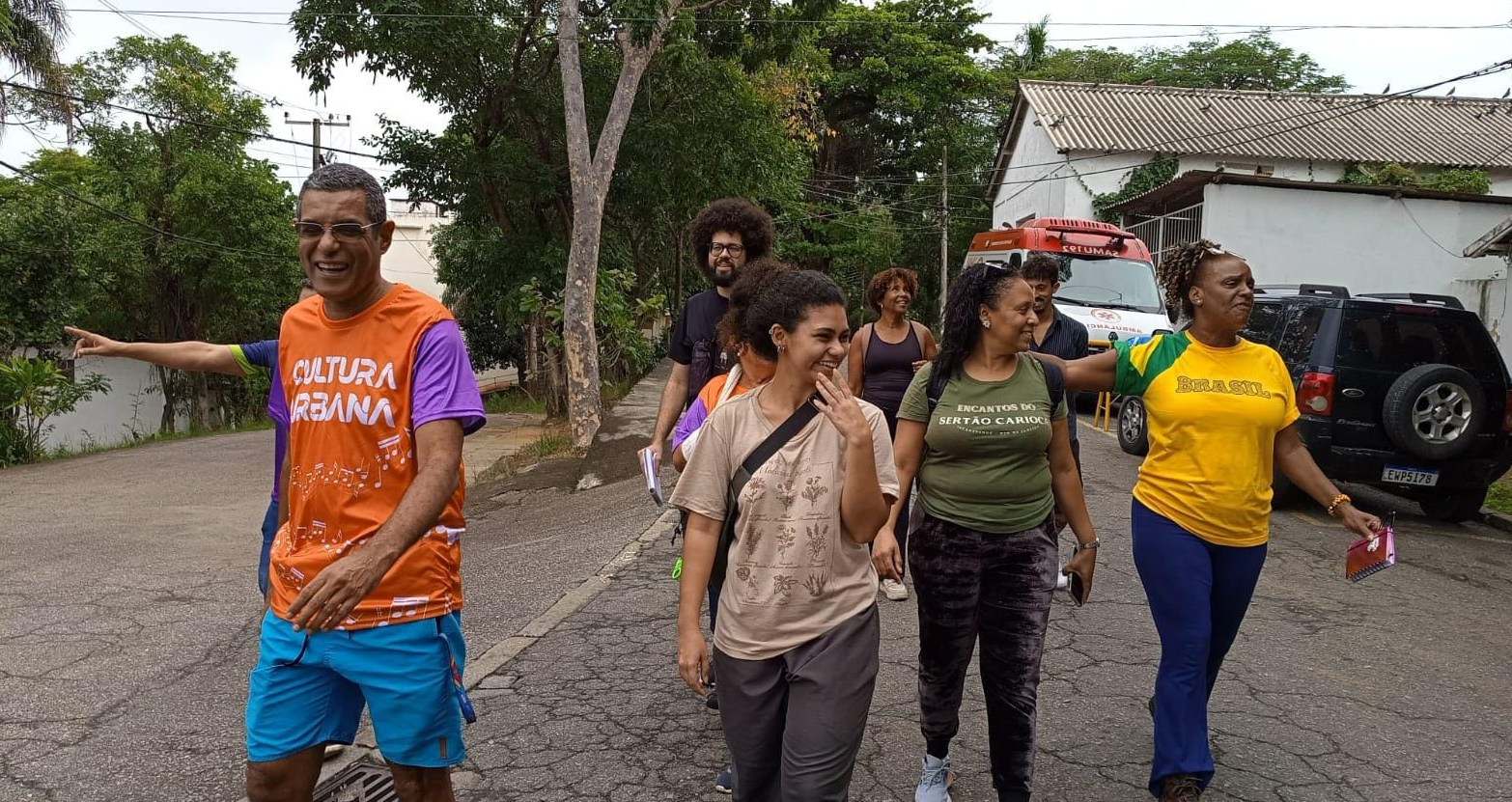
Other major attractions in the area, such as the Quilombo Aquilah and the Bispo do Rosário Museum of Contemporary Art, were also invited. At the same time, local guides underwent training to gain a deeper understanding of the region’s history, heritage and memories.
After two training sessions held in 2022 and 2023, it became clear that creating itineraries and training people was just the beginning. The real challenge would be to open up the market, build partnerships, promote Jacarepaguá as a tourist destination and engage with government officials and the tourism sector. That was when the Charms of the Sertão Carioca Collective was formed, bringing together local guides and mediators who share a strong emotional connection to the region and believe that its riches can create opportunities for the community. Under the leadership of the Jacarepaguá House of Culture, the group began to operate in an organized manner, conducting research, developing itineraries and carrying out training, communication and institutional coordination initiatives.
In 2025, the House of Culture organized a new training program, this time aimed at residents of the region itself. Eighteen local mediators from eleven communities in the area were trained: Boiúna, City of God, Colônia Juliano Moreira, Covanca, Curicica, Dois Irmãos, Mangueirinha, Meringuava, Pechincha, Santa Maria and Rio Grande. New ways of presenting Jacarepaguá’s history were also created, including a traveling exhibition and three skits inspired by the region’s historical events. For Gonzalez, the difference made by local mediators is profound: “Residents don’t just come as professionals who have learned the material. They bring memories, connections, experiences and a sense of belonging.”
And that is precisely what makes cultural mediation a living, authentic experience. Gonzalez believes that cultural heritage is only truly protected when it becomes part of people’s lives. When residents research, share and champion the history of the place where they live, they cease to be mere spectators and become active participants in the preservation process.
The Cultural and Tourism Corridor
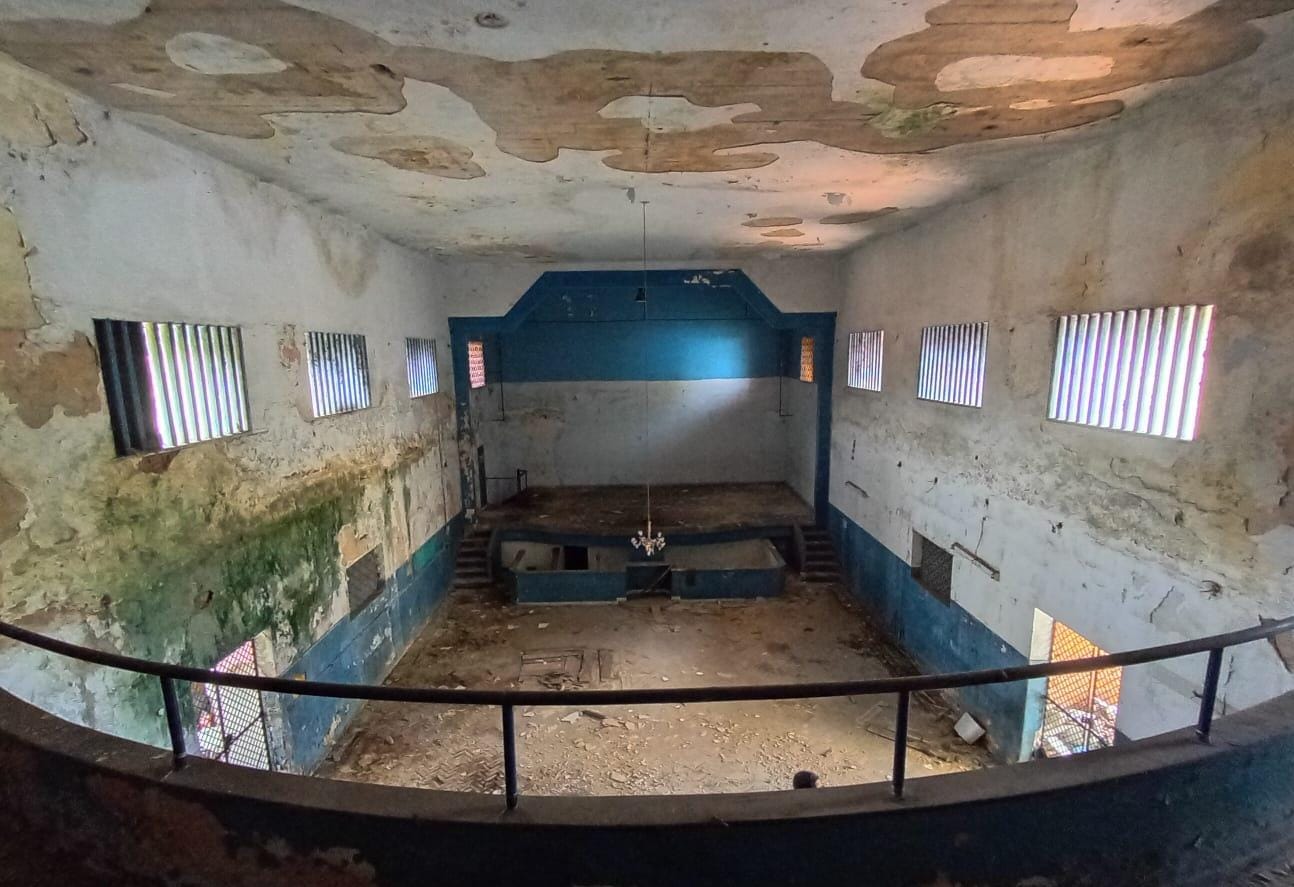
The next step in this initiative is the consolidation of the Jacarepaguá Cultural and Tourism Corridor. The proposal arose from the observation that, along a stretch of approximately four kilometers between Taquara and the Rodrigues Caldas Historic Center, lies one of the largest concentrations of historical, cultural and environmental heritage sites in the city of Rio de Janeiro. Indigenous, Afro-Brazilian, religious, environmental and cultural legacies coexist within it, enabling the creation of diverse visitor experiences and interpretations of the area.
For Gonzalez, the biggest challenge remains in the infrastructure needed to consolidate the destination as a tourist attraction: signage, heritage preservation, lighting, the inclusion of itineraries in official tourism promotion strategies and permanent public policies, as well as the regulation of the Jacarepaguá Cultural and Tourism Corridor. More than just preserving heritage sites, the goal is to establish a public policy capable of generating knowledge, jobs, income and opportunities without losing local identity and while keeping the community at the center of this process.
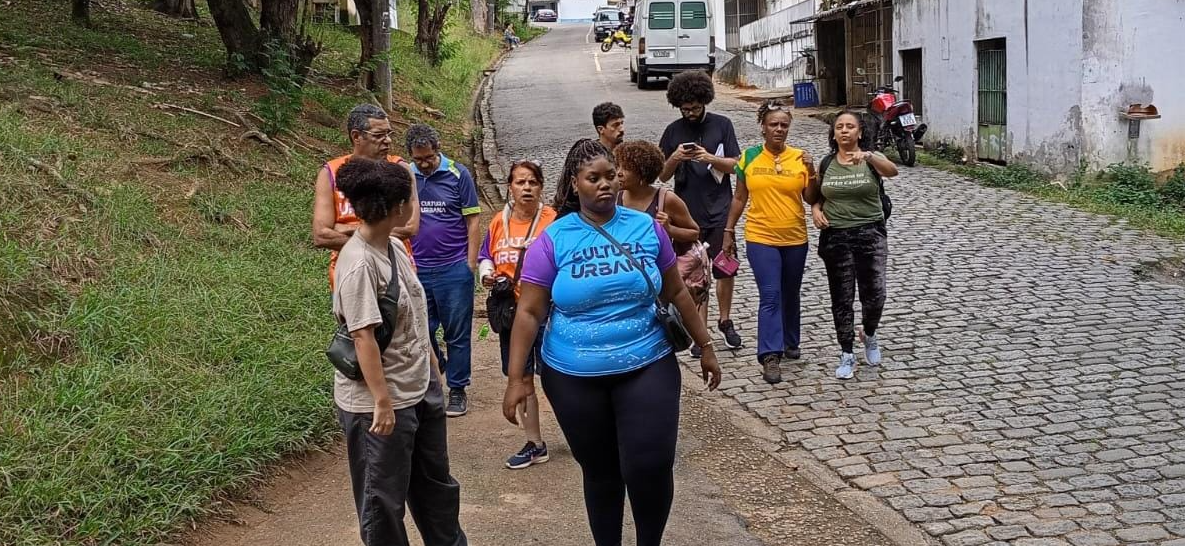
Maria Lucia dos Santos, better known as Malu, a tour guide, businesswoman and member of the Charms of the Sertão Carioca Collective, was already seeking to uncover itineraries beyond the traditional ones even before she learned about the project. She received training through the programs in 2024 at the Jacarepaguá House of Culture and began leading tours.
“In 2024, I heard about a call for applications from the House of Culture for a training program for tour guides focused on a project to develop historical and cultural itineraries in the Baixada de Jacarepaguá. I applied, and since then, I’ve been part of the Charms of the Sertão Carioca Collective… The potential for tourism is no doubt enormous. Many residents have no idea of the cultural and historical value that is around them. It’s surprising to realize that, right here in our own neighborhood, there are heritage sites like the Bispo do Rosário Museum and a colonial-era aqueduct, among so many other treasures that deserve to be discovered and appreciated.” — Maria Lucia dos Santos
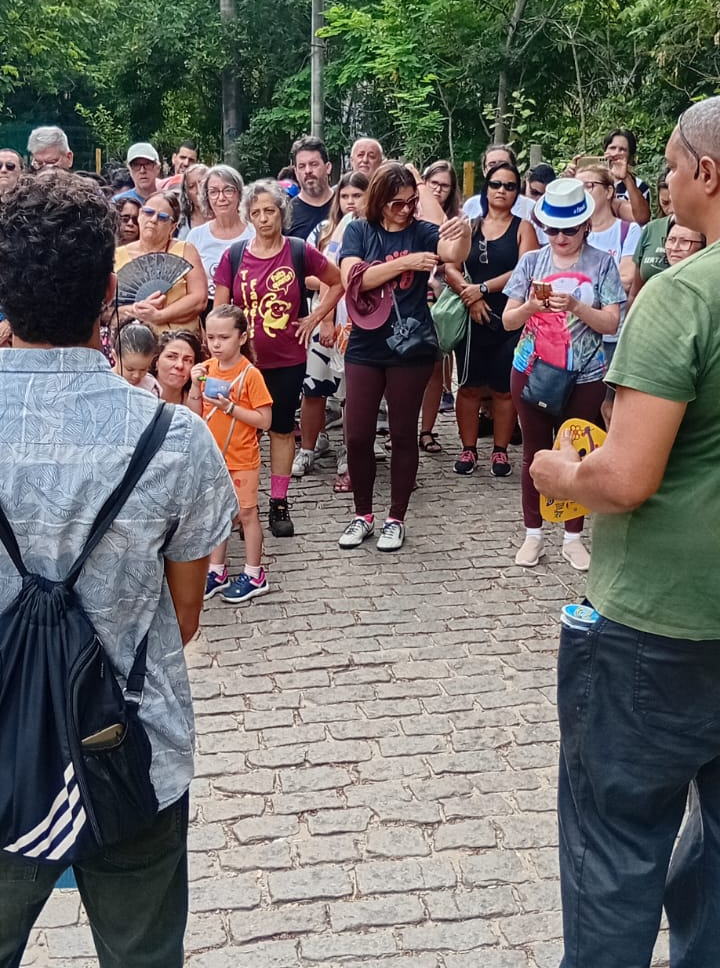
According to her, this training was a rich and collaborative process, featuring theater workshops, storytelling activities, study groups and various experimental itineraries. Each stage contributed to better-developed itineraries that were more connected to local identity.
“Colônia Juliano Moreira was certainly one of the greatest discoveries for me. Its history brings together the ancestral knowledge, memory and resistance of Indigenous peoples and the Black population, revealing fundamental aspects of the region’s cultural and social development… It was an extremely rewarding experience. Many young people who initially knew little about the history of their own community are now deeply committed to the project; they participate actively, offer suggestions, engage in dialogue, conduct research and help collectively shape the group’s initiatives. This involvement is fundamental to strengthening community-based tourism. Community engagement is essential to the success of tourism in Jacarepaguá.” — Maria Lucia dos Santos
Community-based tourism is founded on the principle of resident leadership; it seeks to ensure that the economic benefits generated by tourism remain and circulate within the community itself. For Malu, residents cease to be mere spectators and become active participants in the creation and presentation of their stories, knowledge and heritage.
“I dream of seeing Jacarepaguá welcome a steady stream of visitors eager to learn about its history, culture and landscapes. And, who knows, perhaps seeing a little tourist train traveling along Estrada Rodrigues Caldas, connecting residents and visitors to the region’s main attractions.” — Maria Lucia dos Santos
Another new guide with the Charms of the Sertão Carioca Collective, Pedro Carvalho, who holds a degree in history and works as a gardener and heritage mediator, is part of the new generation helping to research, preserve and share the stories of the Baixada de Jacarepaguá. His journey began with the training program for heritage mediators organized by the Jacarepaguá House of Culture and has evolved into direct involvement in the collective’s activities.
“My interest came from participating in activities related to museums and heritage sites. Before the program, I knew only the basics about the history of Jacarepaguá and Colônia Juliano Moreira. Once I began to delve deeper into this subject, I couldn’t stop researching. The program gave me direction as I started out and opened doors to new studies and reflections on the region. What struck me most was learning to look at the area in a different way. Learning about the historical, cultural and environmental heritage further fueled my desire to preserve these memories and fight for the protection of these areas. Issues related to Indigenous peoples had a profound impact on me, making me imagine what Jacarepaguá was like before colonization and sparking an enormous curiosity about this part of our history.” — Pedro Carvalho
According to him, this experience transformed his relationship with Jacarepaguá:
“Learning about local history completely changed the way I see this area. I began to notice heritage sites, memories and historical processes that had previously gone unnoticed. This new perspective naturally led me to the Charms of the Sertão Carioca Collective, where today I can contribute to research, cultural mediation and the promotion of the region’s history alongside other residents, researchers and local guides… I felt a mix of emotions. On the one hand, I felt a certain indignation at historical injustices, especially those related to the enslavement of Black people and Indigenous peoples. On the other hand, I developed a strong desire to research, understand and share these stories so that they are not erased. Learning about the past is also a way to build a more conscious future.”
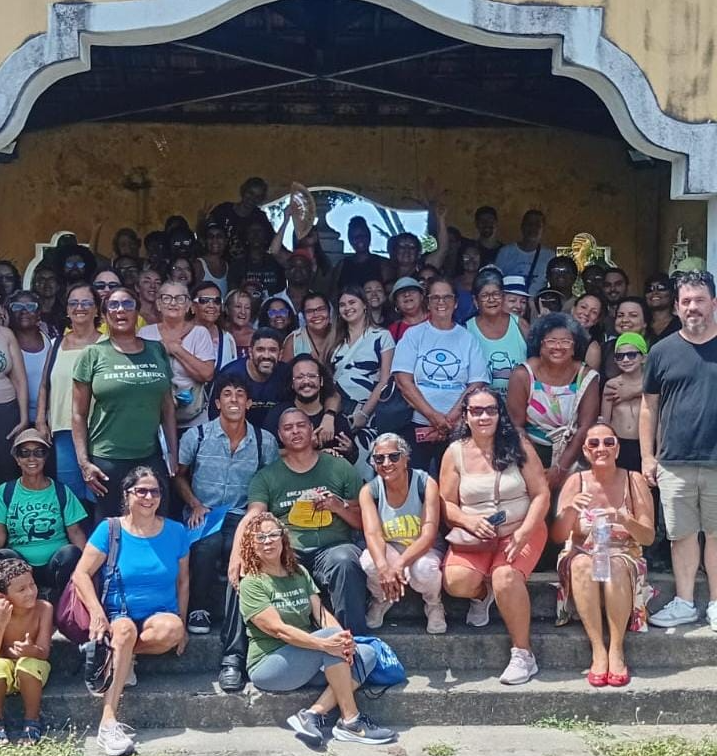
Victor Correia de Vasconcellos Luiz, 26, who also studied history, is currently pursuing a master’s degree in the Social History of Culture and works as a teacher. He is now also a member of the Charms of the Sertão Carioca Collective and praises the project’s transformative potential.
“Before the training, I mainly thought of Jacarepaguá as a large agricultural area. As for Colônia Juliano Moreira, my understanding came largely from my family’s oral histories and the image of the [old psychiatric] hospital. During the course, I went far beyond those references. I discovered a world of tangible and intangible heritage I hadn’t known before and came into direct contact with people who hold knowledge about cultures that have long been marginalized. What left the deepest impression on me were the Afro-Indigenous stories, such as those of Taba Taquaruçutibá and Quilombo do Camorim, as well as the stories of the balloon makers, the charcoal workers and the many cultures that have passed through Jacarepaguá.” — Victor Correia de Vasconcellos Luiz
In his view, the project is very necessary, above all because there are people, including long-time residents, who have never had the opportunity to learn about the history of their own neighborhood:
“During the tours, residents share family stories, which have often been told differently, and the tours take on a new depth, as memories and oral history are placed in dialogue with the official history of the area. This mediation creates a bridge between heritage, memory and people. It’s a tool for listening, exchanging knowledge and ensuring that each person leaves the tour with a greater appreciation for the place where they live.”
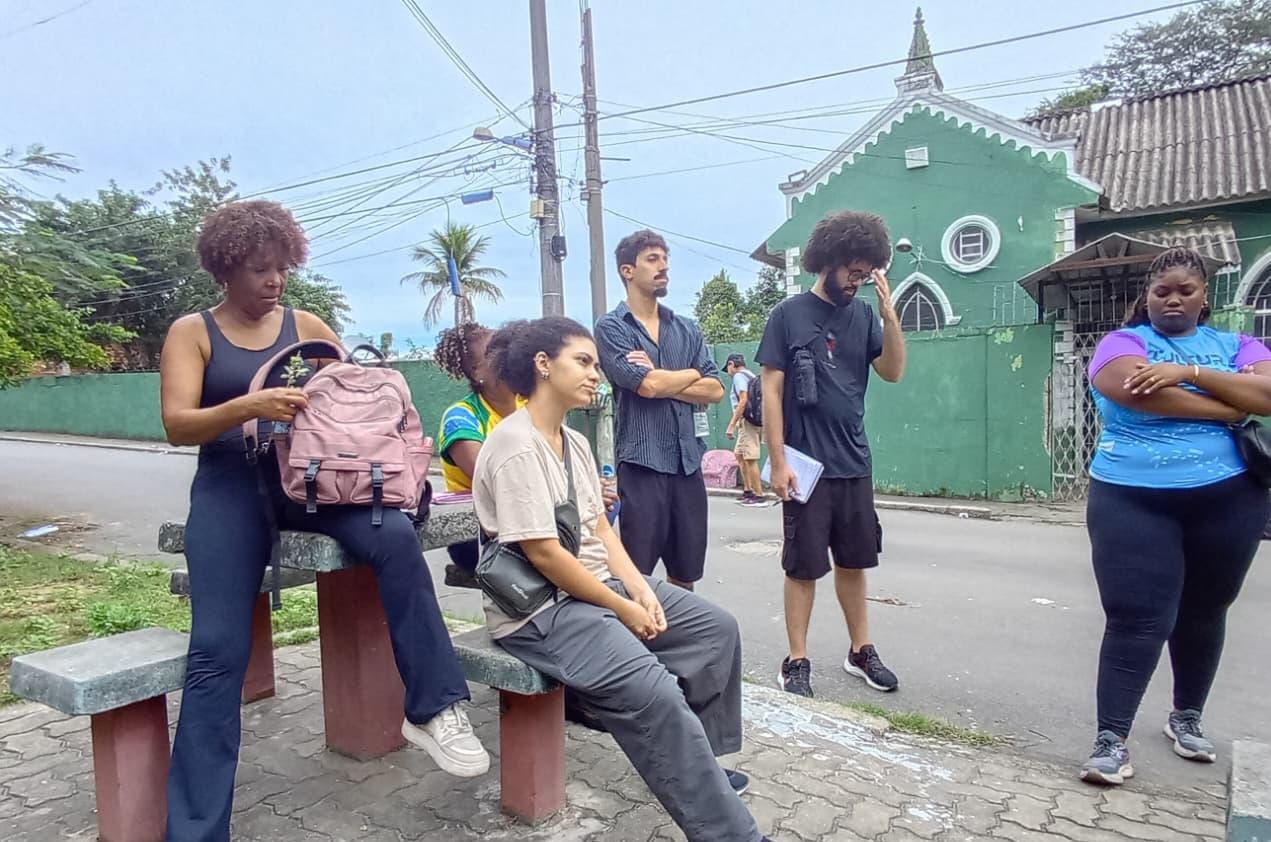
According to Vasconcellos Luiz, one of the project’s main assets is the role young people play in preserving the history of Jacarepaguá. And he calls on his generation to take on that responsibility.
“We are part of keeping these memories alive, and we have a responsibility not only to preserve history but also to open up new horizons. When you learn the stories behind the streets, places and people, the way you walk through this area changes as well. Learning about the history of our area has changed the way I walk through Jacarepaguá. I no longer see just streets and buildings: I see memories, acts of resistance and stories that must remain alive. Being part of the Charms of the Sertão Carioca Collective also means helping to share this perspective with others and showing that understanding the past is a way to build new paths toward the future.” — Victor Correia de Vasconcellos Luiz
About the author: Magnun Alves is a writer and grassroots communicator. He is author of the children’s book “The Adventures of Arthur in His Mom’s Belly.” He is also mediator of the Encanto do Sertão Carioca collective and a contributor to the newspaper Jornal Abaixo Assinado, reporting on Rio de Janeiro’s West Zone.