


For the original article by André Ilha, published in O Eco on March 9, click here.
Upon taking office for his fourth term as Rio de Janeiro’s mayor [in January 2025], Eduardo Paes announced a team that would bring a “shock of capitalism” to the city. Now, as he prepares to step down to run for state governor, we know he was not bluffing.
And we could not have imagined that his Secretary of the Environment and Climate, Tainá de Paula, appointed by the Workers’ Party (PT), would become complicit in an ultraliberal project designed to help construction companies and other business interests advance into the city’s public green spaces, both inside and outside conservation units, for their own benefit. All of this has unfolded under the pretext of “modernization” or “revitalization” of areas deliberately left neglected, making it easier to convince the unwary of the supposed inefficiency of public authorities—an inefficiency that, the narrative claims, only the private sector’s supposedly redemptive competence could remedy.
Rio as One Huge, Endless Party
There is certainly nothing new about construction companies working behind the scenes in a bid to occupy green areas with new building projects. Neither is it surprising that businesspeople from a wide range of sectors offer “gifts” in the form of large-scale projects that undermine these areas’ original purpose as spaces for biodiversity preservation, contemplation of nature and refuge from the tensions of big-city life, as envisioned by John Muir, the creator of the concept of national parks. But what is happening in Rio de Janeiro today is on an entirely different scale—enough to leave even the most battle-hardened environmental defenders perplexed by the sheer number of simultaneous abuses on display.
The goal seems to be to turn all of Rio de Janeiro into one giant, nonstop party, with celebrations, concerts, events, rides and installations everywhere, all to benefit the businesses of a favored few. This policy stands in stark contrast to what is happening in major cities such as Berlin, Madrid and Seoul, to name just a few, which are renaturalizing areas once transformed by human intervention. In practice, though not in its empty rhetoric, it ignores the fact that Rio de Janeiro is a city whose greatest charm, and one of its main economic assets, as the Secretary herself acknowledges, is precisely its exuberant nature. Eduardo Paes has not only allowed, but actively encouraged, the massive occupation of the city’s remaining open spaces and parts of Rio’s beaches by buildings, installations and countless events, thereby simultaneously undermining the landscape, biodiversity and residents’ quality of life in pursuit of a frantic influx of visitors. As a result, the mayor reaps strong economic indicators, but fails in his basic duty to safeguard residents’ well-being, including emotionally.
In fact, numerous studies have shown the importance of green spaces, including urban ones, for people’s physical and mental health. A March 2025 article in Jornal da USP noted that contact with greenery led to a “reduction in anxiety, stress and irritability, while improvements in cardiovascular health stood out among the physiological effects. Another aspect frequently mentioned in the studies were the restorative effects that green spaces can provide, such as helping people recover from mental fatigue and improving mood.”

This assault on residents’ space and tranquility reaches its peak in Copacabana. The beach, already overrun by the excesses of the kiosks and countless volleyball nets, goalposts, beach vendors and the like, has now effectively lost a large stretch of sand to a gigantic stage and its support area, used for increasingly frequent mega concerts. The sidewalks, already partly occupied by the palisade of apartment building railings, have now also been taken over by tables, chairs, merchandise and signs, like an enormous open-air bazaar, while in the narrow strip that remains, pedestrians must dodge bicycles and now motorcycles as well, in a state of total traffic disorder. At night, during what should be residents’ time to rest, the din from bars and restaurants continues into the early hours of the morning and is the leading complaint reported to the city’s hotline.
While all this buzz may be great fun for those who come to spend a few days in Rio and for those who profit from visitors, it is deeply draining for those who actually live in the city. Leaving home has become an ordeal, an exhausting exercise in survival, and little remains of the world-famous, tree-lined, tranquil Rio de Janeiro. This may help explain why 75% of Rio residents would move away if they could, according to a February 2025 survey by the Instituto Cidades Sustentáveis. In 2011, that figure was just 27%.

The Dismantling of the City’s Environmental Structure
The onslaught against Rio’s greenery began with the weakening of the Municipal Secretariat of Environment and Climate (SMAC), created by the late Alfredo Sirkis in 1994, and, by extension, the Parks and Gardens Foundation. Both institutions now have drastically reduced and demoralized permanent staff. The city has not held a civil service entrance exam in many years and the few, insufficient hires have been made through political appointments, meaning they are, on average, less likely to displease their superiors.
Under Eduardo Paes 3.0 and 4.0, SMAC underwent numerous structural changes that undermined its proper management, and in early 2021 suffered the biggest blow of all: environmental licensing was stripped from the agency and transferred to the Secretariat for Economic Development, Innovation and Simplification (SMDEIS, now SMDU), just as urban licensing had been removed from the Secretariat of Urbanism and sent to the same destination. Even though some technical staff from both agencies were transferred along with the responsibility, license applications are now reviewed in an entirely pro-business environment—the electric chair where the promised “shock of capitalism” is administered. The clearest proof of how misguided the measure was is the large number of dubious licenses that have been approved, some not merely questionable but blatantly irregular, and several already challenged in court.
SMAC’s weakening is not merely quantitative, but also qualitative. Although SMAC still has excellent technical staff, holdovers from better times, they are often ignored, and crucial decisions are made behind closed doors in the secretary’s office by people with no real knowledge of the matters at hand. One striking example was Tainá de Paula’s January 2024 announcement that she would combat the effects of climate change on the city by reforesting its hillsides with seeds dropped by French drones. Anyone with any understanding of how difficult it is to reforest steep slopes overrun by Guinea grass and other invasive grasses knows what a sham this was. Had the secretary’s proposal actually been put into practice, it would have amounted to a “seedicide,” but since, as expected, not a single tree sprouted from the publicity stunt, it at least earned her favorable media coverage and good Instagram posts.
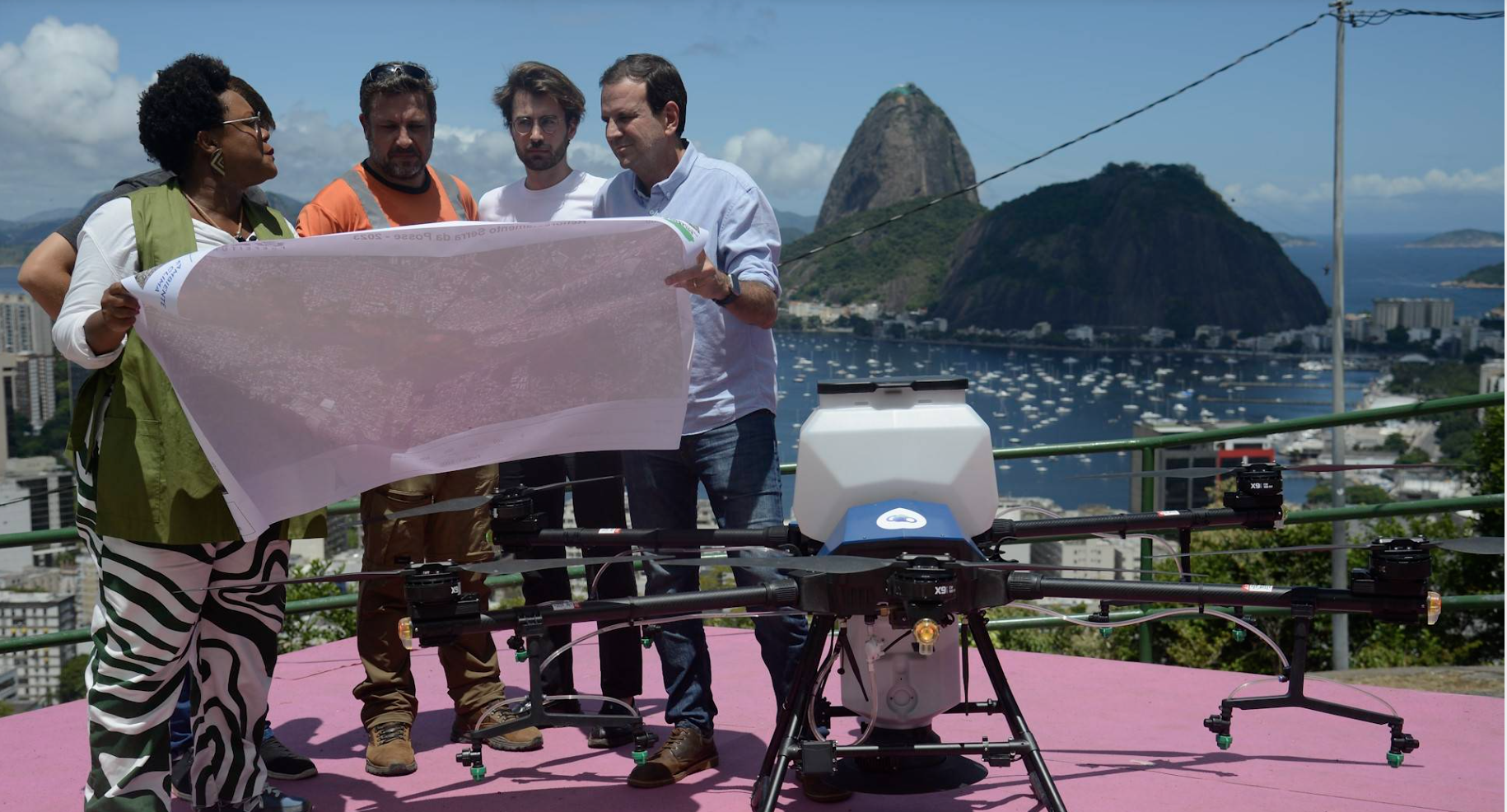
Tainá de Paula’s tenure at SMAC was marked by complete neglect of the agency’s real problems, especially those related to the remarkable network of conservation units under its stewardship. It was also defined by incessant self-promotion on social media, where she blocked critics and deleted their posts. A lack of transparency regarding the Secretariat’s actions, and above all its omissions, was another hallmark. She was, of course, fully aligned with the mayor’s projects, even when they entailed large-scale tree removals, disregard for protected heritage sites, damage to conservation units, and the gutting of the city’s environmental protection structures.
The chemistry between the mayor and the secretary is clearly illustrated by her shift in position regarding a proposed amendment to the City Charter introduced by a neoliberal city council member that would allow Rio’s parks and squares to be granted as concessions or otherwise transferred to private interests.
Initially, when the bill’s author was a member of the NOVO Party, the Secretary, then a city council member herself, released a video attacking the initiative, saying she would vote against it and calling on viewers to attend the City Council hearing to pressure lawmakers to do the same. Once she joined the administration, and the neoliberal council member switched to the mayor’s party (PSD), she fell silent. She even issued her Secretariat’s “no objection,” ensuring the proposal could move forward with the full backing of the municipal executive.
The celebrated, award-winning Mutirão Reflorestamento project, which celebrates 40 years of success in 2026 [by training and hiring favela-based environmental agents who reforest surrounding hillsides], survived rumors that it would be shut down—although it has been drastically scaled back. The Environmental Patrol, the city’s only municipal channel for cracking down on environmental violations, has remained completely paralyzed for about six months at the time of writing—a victim of administrative incompetence. The Parks and Gardens Foundation, once a model institution and a training ground for skilled professionals, has been completely hollowed out—responsibilities for pruning and tree removal have been transferred to Comlurb, the municipal waste collection utility. The result has been a systematic mutilation of the city’s trees—in which Light (the local electricity provider) has also enthusiastically participated—leaving the city drier, hotter and grayer.
Although she had given up a typical function of her own office, Tainá de Paula then chose to encroach on Comlurb’s responsibilities with the unbelievable “Drain Guardians” project, hiring people from favelas among her constituents to clean the city’s drains and storm sewers. She spent around R$1.5 million (~US$288,000) in compensatory funds on the initiative, money that would have been better used in the city’s conservation units. Since this is an activity that falls squarely within Comlurb’s responsibilities, which it performs efficiently in many respects, it is fair to ask why these workers were hired in the first place. As for the joke about the destination of those funds, the project’s name practically supplied the punchline.
Parques Cariocas – “Give It All Away!”
The city government’s troubling Parques Cariocas program, which proposes concessions for municipal urban parks and municipal natural parks (PNMs), was so riddled with problems from the outset that it remains on hold to this day, despite having been launched in April 2024. It is managed not by SMAC, but by the Carioca Partnerships and Investments Company (CCPAR), with support from the Brazilian National Development Bank (BNDES). The program covers 26 parks and squares divided into lots. No one is opposed to the concession of services in these spaces, especially those supporting visitation, but there is a deliberate conflation between urban parks, where a greater presence of facilities aimed at serving the broader public is acceptable, and strictly protected conservation units, whose primary purpose is to preserve ecosystems, fauna and flora. Visitation is welcome—but on nature’s terms, with as little human intervention as possible.
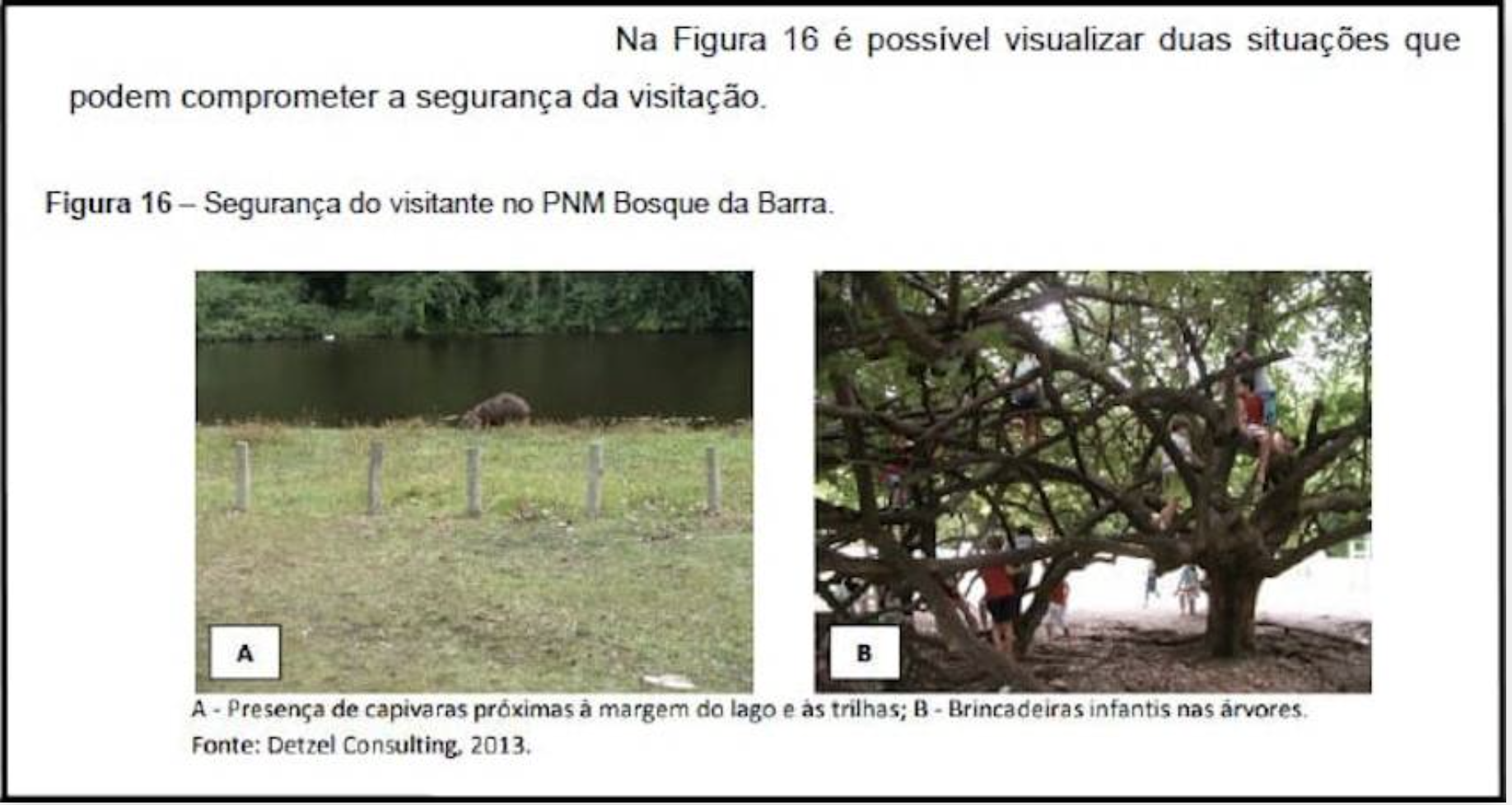
As proof of the ignorance of those involved, SMAC released an initial draft of the terms of reference for the concession of Bosque da Barra Park and Chico Mendes Municipal Natural Park that identified images of children climbing trees and observing wildlife as “situations that may compromise visitor safety.” Yet these are precisely the kinds of activities one would hope to find in conservation units in the park category, where very little else is needed to accommodate visitors. Even so, the same bidding document provides for the construction of a vast number of buildings, rides and event facilities—as if the two parks were a Quinta da Boa Vista with alligators [Quinta da Boa Vista being an immensely popular and heavily visited landscaped urban park]. The list is enormous and the terms of reference nevertheless made clear that the winning bidders could propose even more interventions.
Even if this has since been corrected, Parques Cariocas’ first attempt revealed the ideology behind it: the surrender of all public spaces to private interests, with the possibility of excessive, or even senseless, interventions to attract more people, generate more revenue and boost the venture. Unfortunately for its proponents, a pilot project of sorts now underway at the Catacumba Municipal Natural Park and held up as a model by CCPAR’s president, is in fact a disaster. The winning bidder, Lagoa Aventuras, has widely failed to comply with deadlines and contractual clauses, except the one that allowed operations to begin the day after the contract was signed. Under normal circumstances, this concession should have been void and the contract rescinded long ago, as it is a glaring example of private sector inefficiency, to the detriment of the public.
A Festival of Irregularities
Beyond the day-to-day felling of trees in the city’s squares and streets by Comlurb, Light and clueless residents who face no enforcement, the list of larger-scale attacks on Rio de Janeiro’s greenery–whether due to omission or, more often, with the city government’s active participation–seems endless. It includes protected heritage sites, strictly protected municipal conservation units, beaches, mangroves and more. Nothing is immune to the mayor’s privatizing, urbanizing zeal, so we shall conclude with just a few examples.
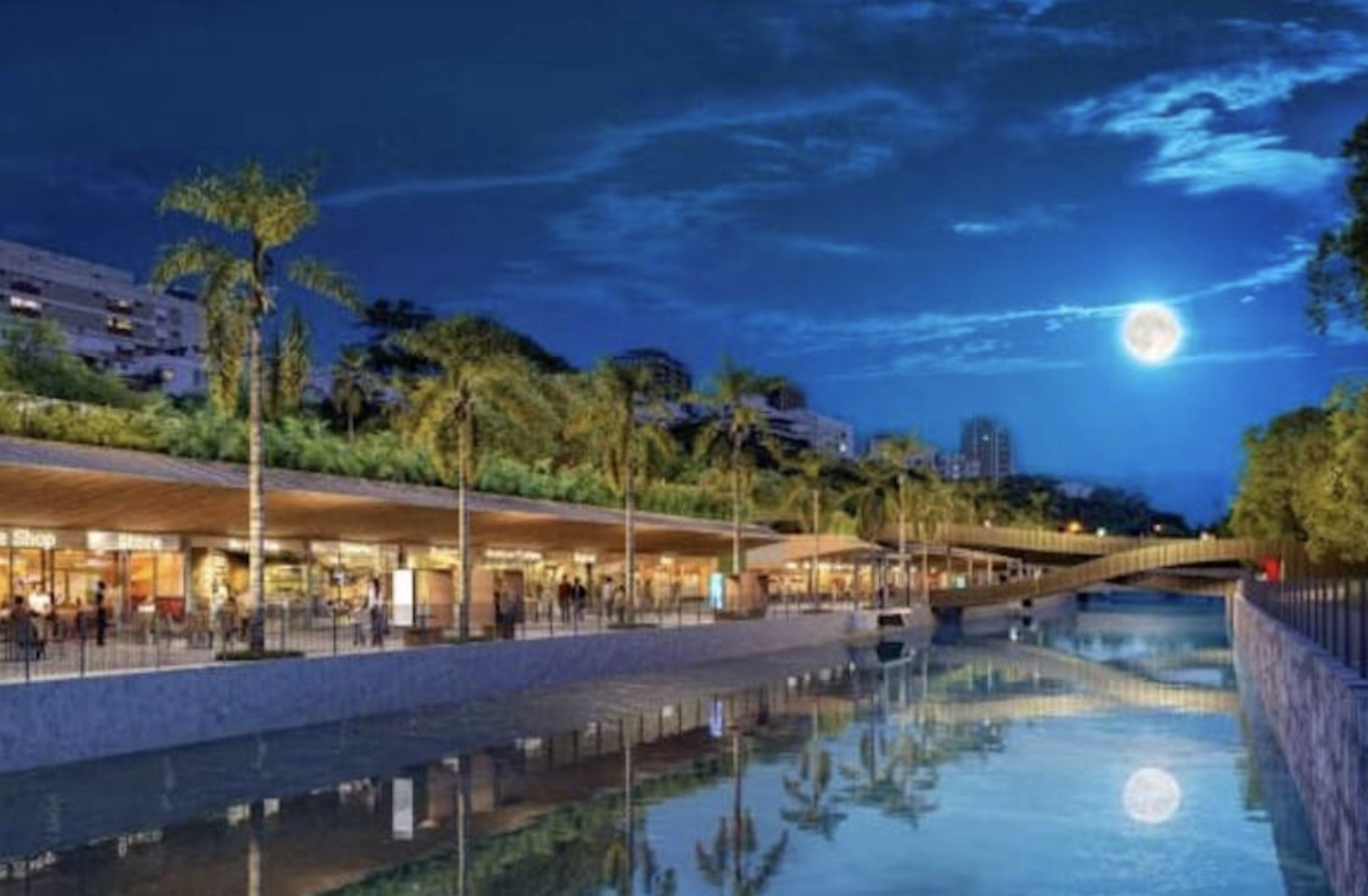
Jardim de Alah, a broad complex of tree-lined squares between Ipanema and Leblon, was designated a protected heritage site in 2001 by decree of former Mayor César Maia, the man responsible for Eduardo Paes’s entry into politics. The park was left abandoned for a time, then turned into a subway construction site and once the works were completed, it was returned to the city government in a devastated state. Ignoring the law and residents’ repeated appeals, including successive proposals to revitalize the space while preserving its original characteristics, Eduardo Paes put out a bid for a disturbing project that would replace 130 trees with over 40 shops, bars, restaurants and parking spaces along the canal beside the park. It is a cross between a shopping mall and Puerto Madero, one that will trade the peace of this historic space, a haven of calm amid urban chaos, for yet another unwanted commercial frenzy. Fortunately, the State Prosecutor’s Office filed a public civil action to stop this blow against Rio’s greenery, to be carried out by a consortium cynically named “Rio Mais Verde” (Greener Rio).
The property that once housed the Bennett School in Flamengo, despite having been designated a protected heritage site in 2014 by Eduardo Paes himself, had 71 trees cut down between Christmas and New Year’s 2025—not coincidentally at a time of year [peak heat, during the holidays] when public reaction is low. This despite the fact that the preservation order had explicitly declared those trees immune from felling. Public reaction was intense. The State Prosecutor’s Office filed another civil action, and construction, as in Jardim de Alah, is currently suspended.
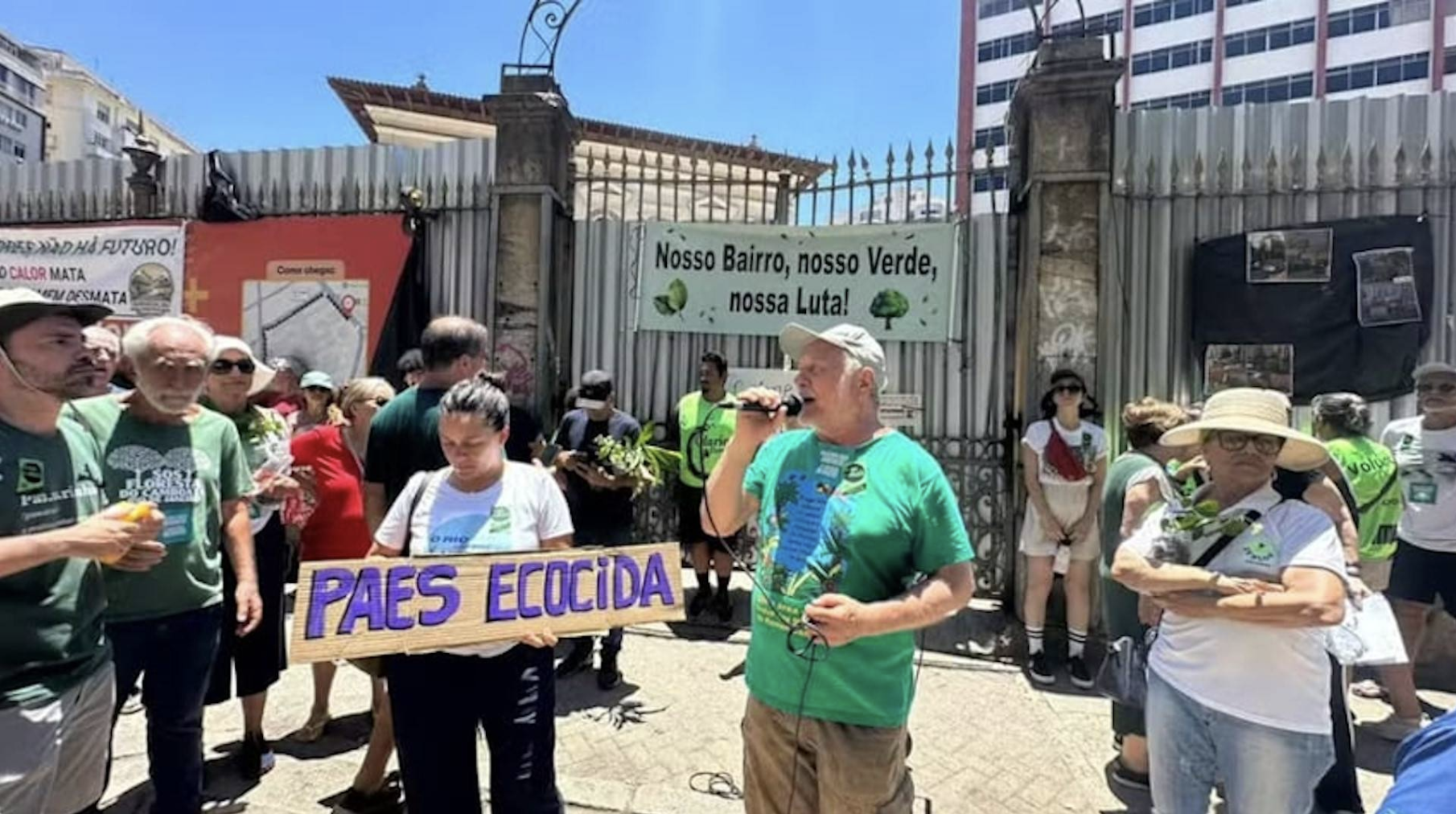
But the damage there has already been done, and business interests often bank on creating a fait accompli to later secure the right to profit from illegality in exchange for a few food baskets through a Conduct Adjustment Agreement. Another example of this policy is the notorious Sugarloaf zip line, which was effectively “gifted” the right by the Superior Court of Justice (STJ) to complete construction while awaiting the outcome of a civil action that may ultimately order its complete dismantling.
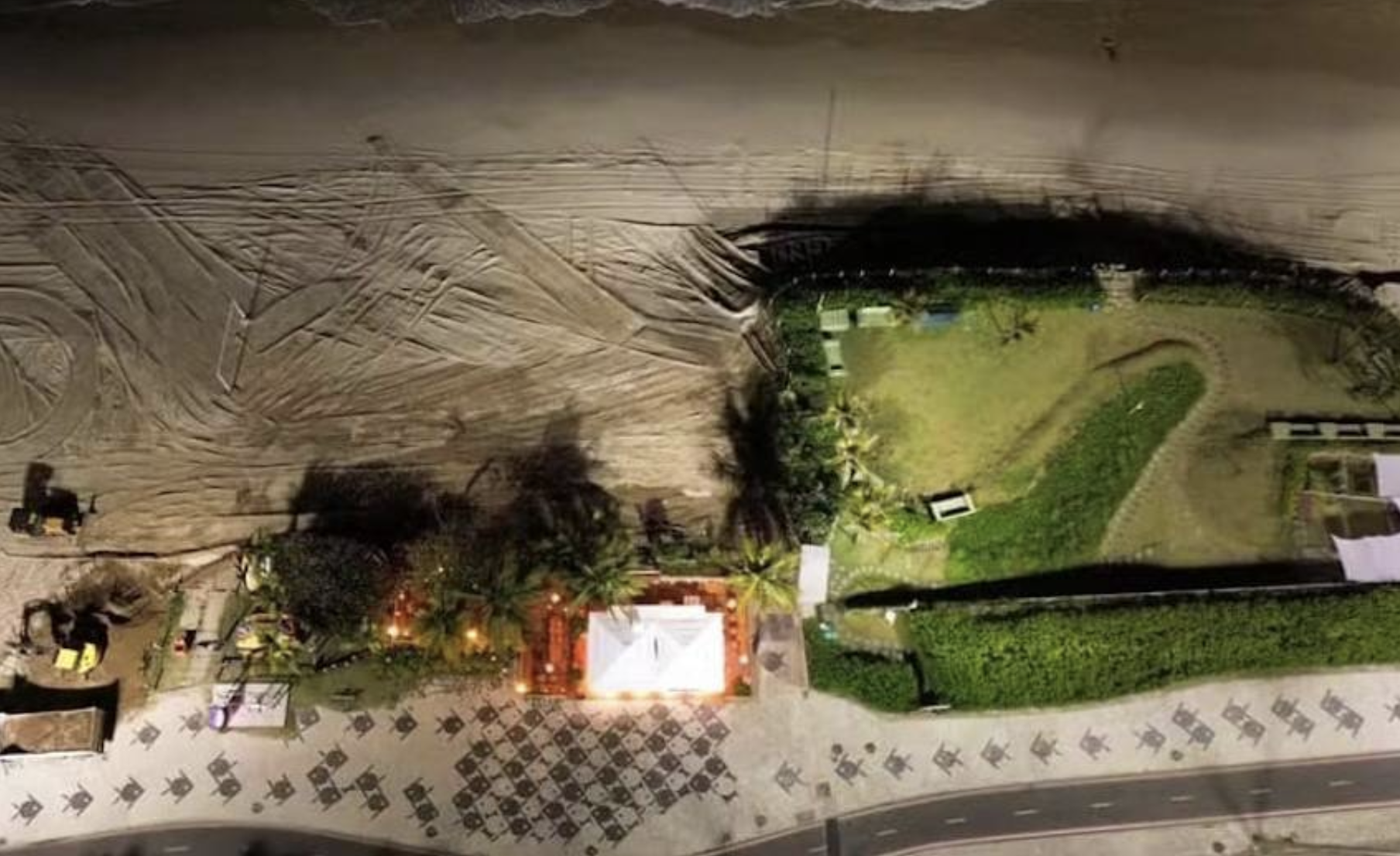
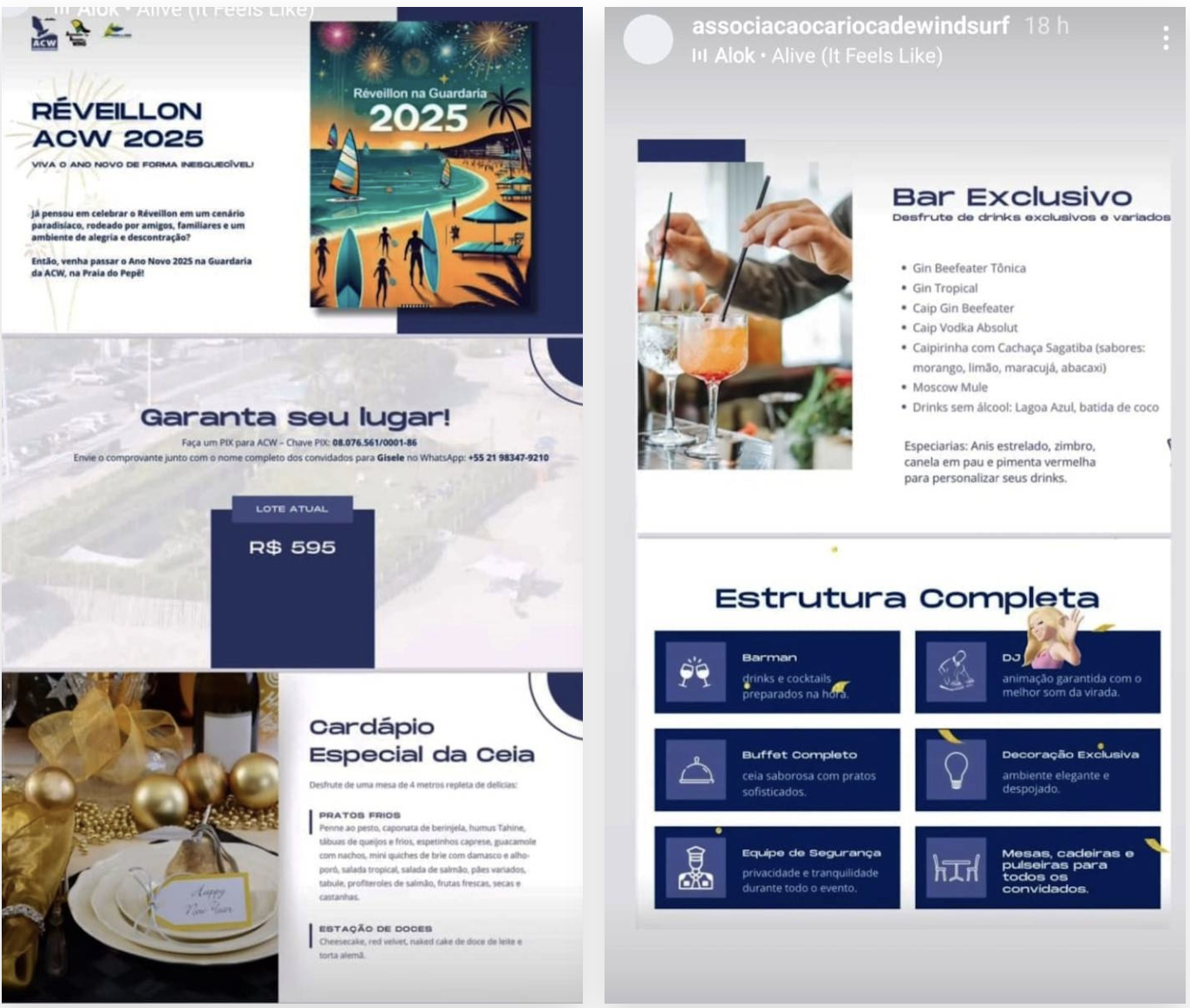
In Barra da Tijuca, at the spot known as Pepê, the Carioca Windsurf Association has occupied a large stretch of beach for over two decades with a board storage facility, at first a makeshift structure and later a colossal concrete bunker, fencing off a broad area and covering it with grass in front of the entrance for the exclusive use of its members. A public space was thus brazenly turned into a private club, where parties and other paid events are held under the city government’s complacent gaze. Because beaches are federal property, the matter was reported in 2001—yes, 2001—to the Federal Prosecutor’s Office by the Ecological Action Group, and the complaint was recently renewed by State Deputy Carlos Minc. Here too a civil action was filed, but too late, and the structure was allowed to be completed while still being challenged in court. Although it did not begin under the current administration, it grew and became entrenched thanks to the current SMAC’s omission, even though it is located within a municipal Environmental Protection Area.
Much more could be said, but what we have seen so far is already enough to show, beyond dispute, that we are in the midst of a fire sale of Rio’s natural heritage, under attack on multiple fronts at once. Residents’ associations, environmental organizations and outraged citizens acting on their own have responded vigorously, but this is a deeply uneven fight, one that evokes the old David-versus-Goliath cliché. For while on one side there are companies with legions of well-paid lawyers, fixers and publicists, on the other there are only people unwilling to accept the destruction of their beloved city by the greed that binds unscrupulous politicians and businesspeople together, and who, in resisting it, spend precious time and energy that could otherwise be devoted to work, study or family life. Be that as it may, we will not give up.
May Saint Sebastian, the city’s patron, protect us from these people.
About the Author: André Ilha is founding member of the Ecological Action Group (GAE), former director of Biodiversity and Protected Areas at INEA (Rio de Janeiro State Environmental Institute responsible for environmental licensing in the state), a climber of four decades and an amateur rock climbing guide since 1980.