
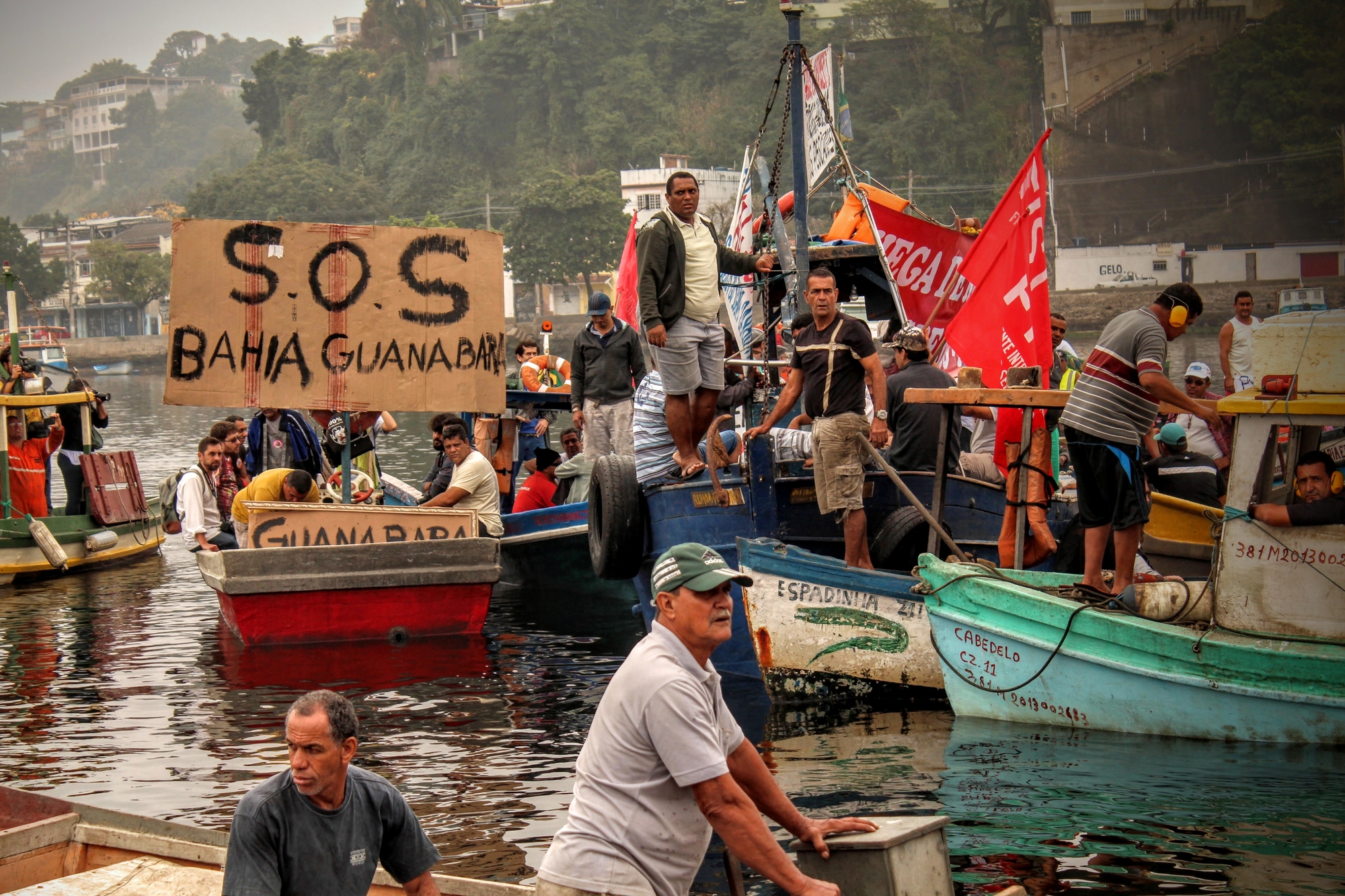

This article is part of our series reflecting on the impacts of mega-events on Rio de Janeiro 10 years after the 2016 Olympic Games. It is the first in a series of reports and interviews produced by Grupo CASA: Social Studies on Housing and the City, based at the Institute of Social and Political Studies at the State University of Rio de Janeiro (IESP–UERJ), in partnership with RioOnWatch. The series is part of an UERJ outreach project aimed at sharing with the public the results of academic research conducted by researchers affiliated with or formerly associated with Grupo CASA.
Pollution in Guanabara Bay as a Public Issue
The causes of poor water quality in Guanabara Bay are easy to identify: over the years, sewage has been dumped into the bay, some of its beaches have been subjected to infill and pollution has become a public sector challenge.
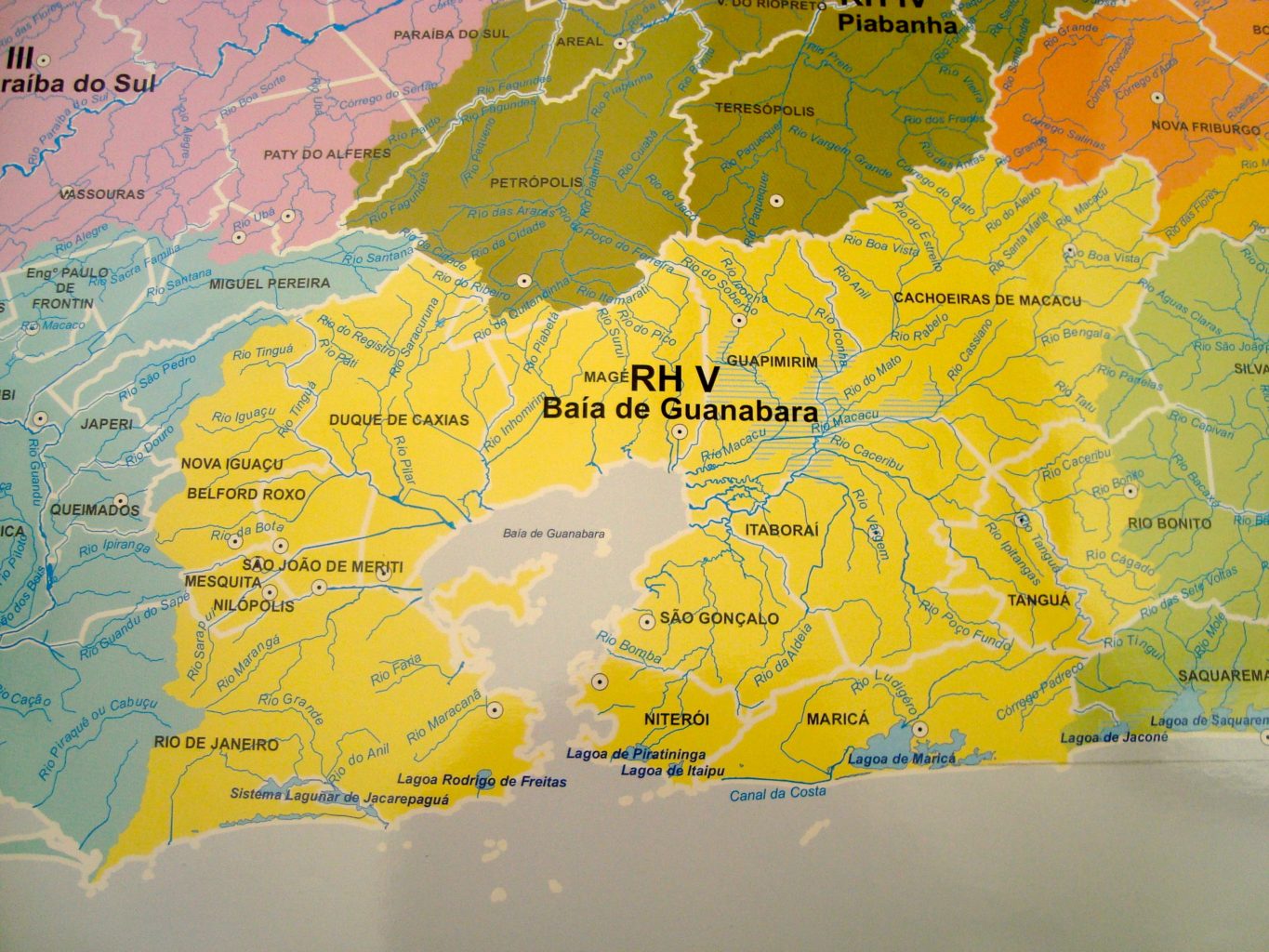
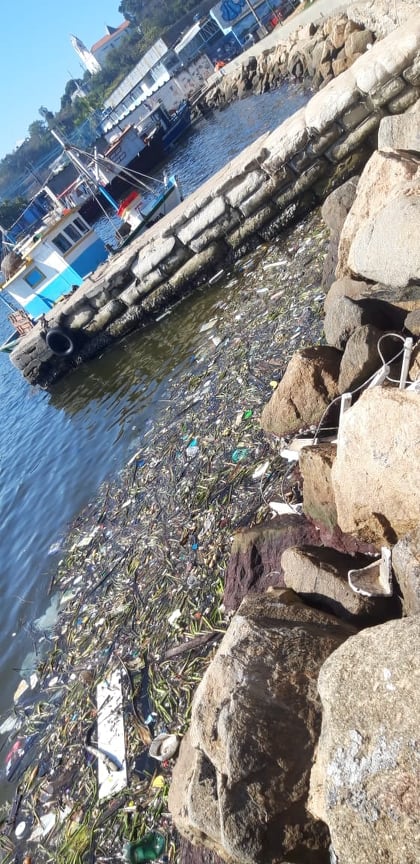
Previous cleanup attempts have failed. The most high-profile and anticipated project was the Guanabara Bay Cleanup Program (PDBG, by its Portuguese acronym), signed by then-Governor Nilo Batista in 1994. The PDBG’s works were originally scheduled for completion by 1999, and it is estimated that over US$1 billion was invested at the time.
The PDBG was ultimately postponed and spanned several federal administrations before being shut down in 2007 without having met most of its goals. At the time, it was considered the largest sanitation plan ever undertaken. Covering both health and environmental dimensions, it generated widespread social expectations, fueling hopes that Guanabara Bay’s waters would finally be cleaned up. The PDBG’s goal was to treat up to 47% of the sewage discharged into the bay daily.
The end of PDBG became a symbol of disillusionment regarding the cleanup of Guanabara Bay.
Michel Misse Filho, author of the doctoral dissertation Pollution as a Public Problem: A Century of Environmental, Social and Urban Inequalities in the Metropolitan Region of Rio de Janeiro, defended at IESP-UERJ in 2025, traces the history of the bay’s pollution. He describes the exact moment when the pollution problem became a public concern and discusses the promises and failures of the PDBG.
The 2016 Olympics brought a new promise of cleanup. The goal was to treat up to 80% of the sewage discharged into Guanabara Bay. In this context, a new cleanup plan was established in 2012: the Sanitation Program for Municipalities Surrounding Guanabara Bay (PSAM, by its Portuguese acronym).
As the PDBG’s successor, the PSAM aimed to build new collector networks to carry sewage to treatment plants that were sitting idle. However, this promise was also left unfulfilled.
According to data from Michel Misse Filho’s dissertation, the PSAM actually intended to build massive River Treatment Units (UTRs, by their Portuguese acronym), which would bypass sewage collection at people’s homes and instead treat sewage at the mouths of rivers, reducing the bay’s environmental burden.
However, in 2015, a year before the Olympics, the program’s goals shifted, moving the focus away from sewage and toward floating garbage. The framing around Guanabara Bay and the Olympics changed, from its cleanup as a lasting legacy for the state’s residents to whether the bay was ready to host one-off water sports events.
This shift was marked when André Correa, state environment secretary under Governor Pezão, took a dip in the bay claiming it was possible to swim there just as one would in Ipanema or Barra da Tijuca [South Zone Rio beaches along the Atlantic Ocean, not the bay]. According to him, the challenge facing the bay’s waters was floating garbage, not sewage, and a “zero waste” scenario was possible.
In response, eco-barriers were created—structures designed to block the passage of visible solid waste. In this case, eco-barriers were installed on rivers originating in Rio’s metropolitan region that flow into the bay. This effort retained a significant portion of solid waste, but not the primary, liquid waste, or sewage.
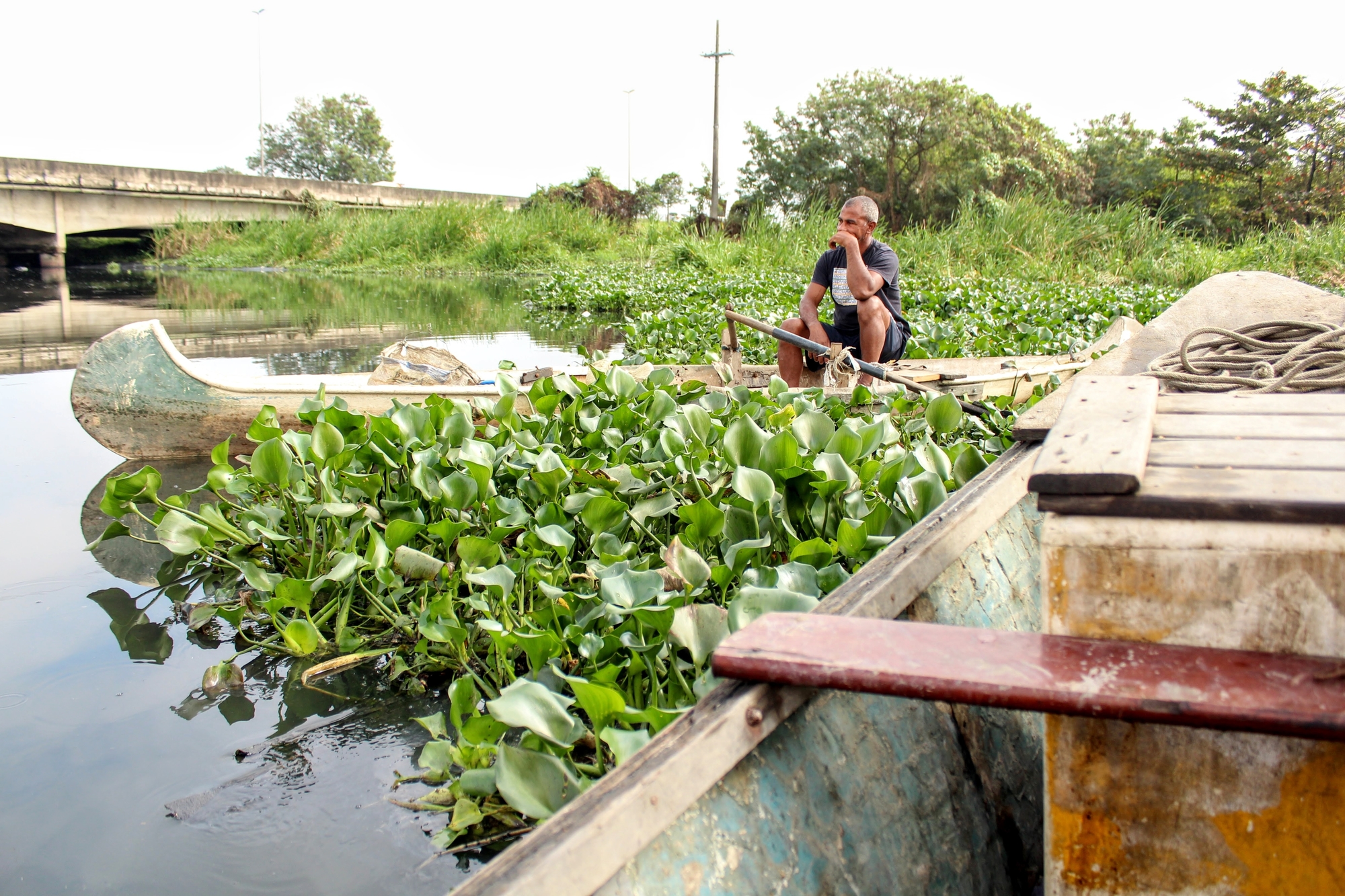
Misse Filho explains that the PDBG emerged with the intention of building large treatment plants for the sewage flowing into Guanabara Bay. He notes that the program was renewed over time, but its targets fell far short of what was planned, and it was halted in the mid-2000s. The PSAM, developed in the context of the Olympics, sought to complete some of the sewage infrastructure works that the PDBG failed to deliver. “The PSAM continues to this day, but it was not implemented in time for the Olympics. It has been carried out over the years at a slower pace than originally planned,” says Misse Filho.
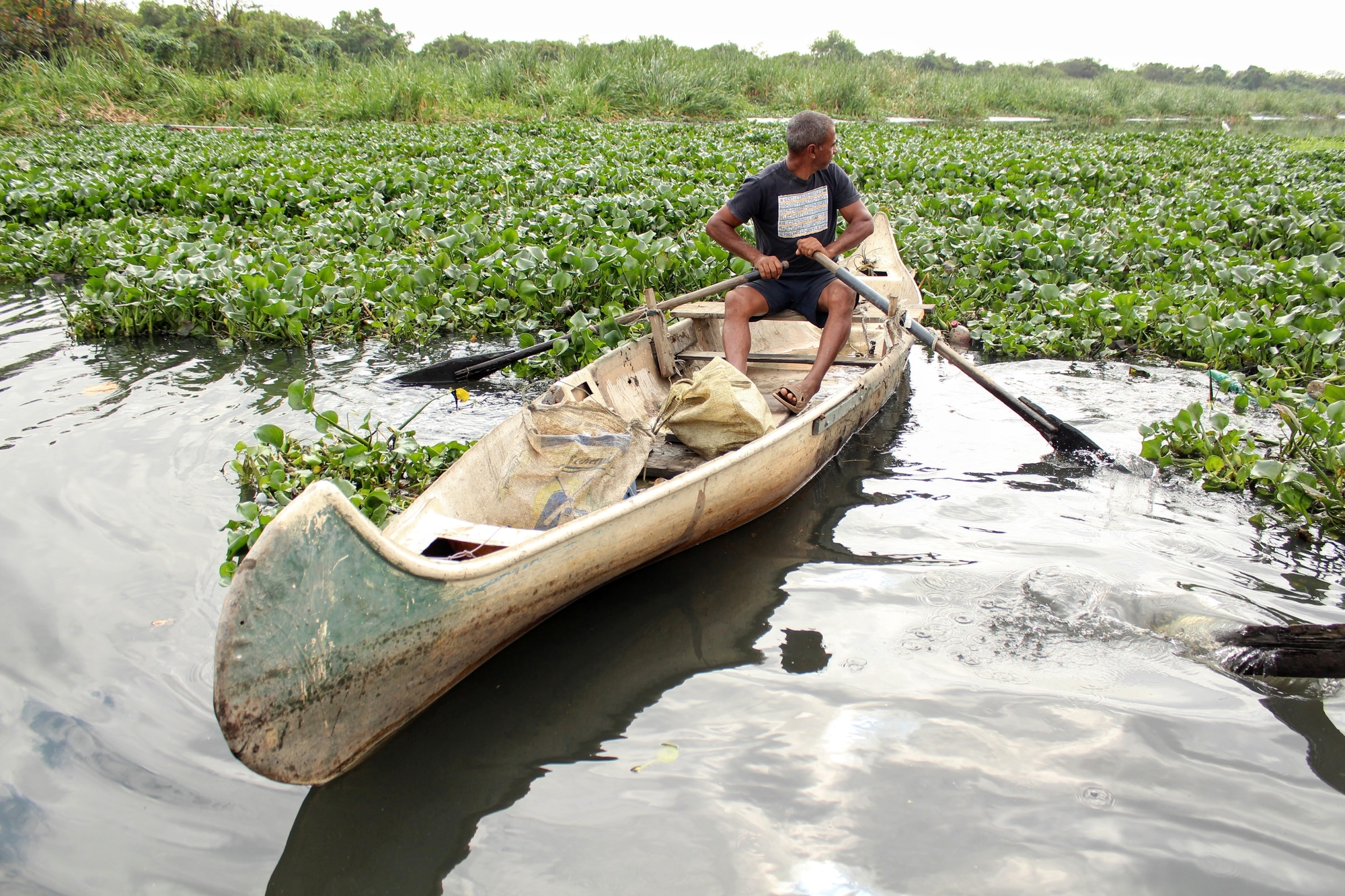
To illustrate this, Misse Filho points to the largest sewage treatment plant, the Alegria plant, which was designed to treat 5,000 liters per second but ended up achieving only 38% of its original target: “Today, only around 24% of the population in Guanabara Bay’s drainage basin has sewage treatment, still far below what was planned. The Olympic promise was 80%.”
The explanation for these low figures is that the sewage collection networks needed to transport sewage from people’s homes were never built. No investment was made in the infrastructure needed to direct that sewage to treatment plants.
“Treating sewage at the household level was never made a priority. Other Olympic construction projects were treated as priorities, but basic sanitation infrastructure was not.” — Michel Misse Filho
Little has changed since the Olympic promise. Ten years have passed since the Olympics and over 30 years since the first promises to clean up Guanabara Bay. However, one improvement that can be documented and verified is the swimmability of the beaches of Flamengo, Glória and Botafogo. Misse Filho, however, sees this improvement as yet another factor reinforcing the socio-environmental inequality that structures the city: “Even amid the cleanup effort, the beach that ends up with better water quality is a beach in a well-off neighborhood.”
Bay Pollution and Social Inequality
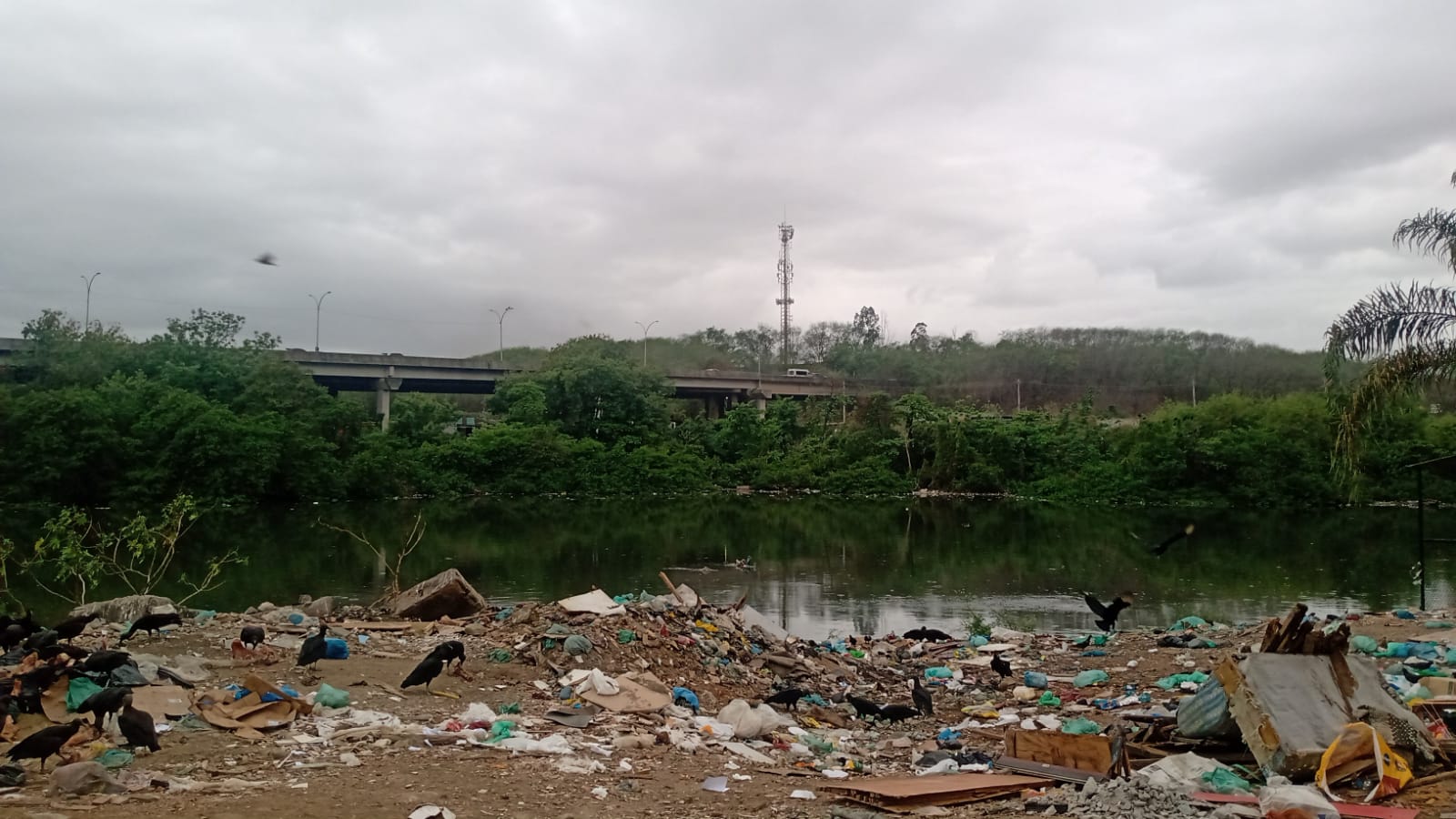
Historically, the State has focused more on stopgap measures than on resolving the socio-environmental problems of Guanabara Bay. According to Misse Filho, there is a chronic shortage of attention and resources devoted to addressing the basic sanitation problems of Rio de Janeiro’s favelas and peripheral areas. His dissertation highlights this, noting, for example, that throughout history, the beaches of the North Zone were infilled and received the highest concentration of pollution, while well-known beaches remained relatively preserved, helping maintain the positive image that Rio’s South Zone enjoys today. He explains that the bay’s pollution is not only the result of a series of inequalities, but also a producer of inequalities.
“The inequality regarding the pollution of Guanabara Bay draws my attention because I began to realize that, in [Guanabara] Bay, there’s a kind of obstacle to reducing inequalities in Rio de Janeiro [as a whole]… My thesis is that an eventual cleanup of Guanabara Bay—one that included cleaning the beaches of the city’s outskirts and the Baixada Fluminense—would be a lever for reducing social inequalities.” — Michel Misse Filho
The bay produces these inequalities across a range of dimensions: through the loss of beaches in the city’s outskirts, in Greater Rio’s Baixada Fluminense and cities in the Leste Fluminense region, located to the east of Guanabara Bay; through social relations affected by the degradation of waterfront leisure spaces; through impacts on public health; and through numerous other socio-environmental issues that have gone unresolved for decades.
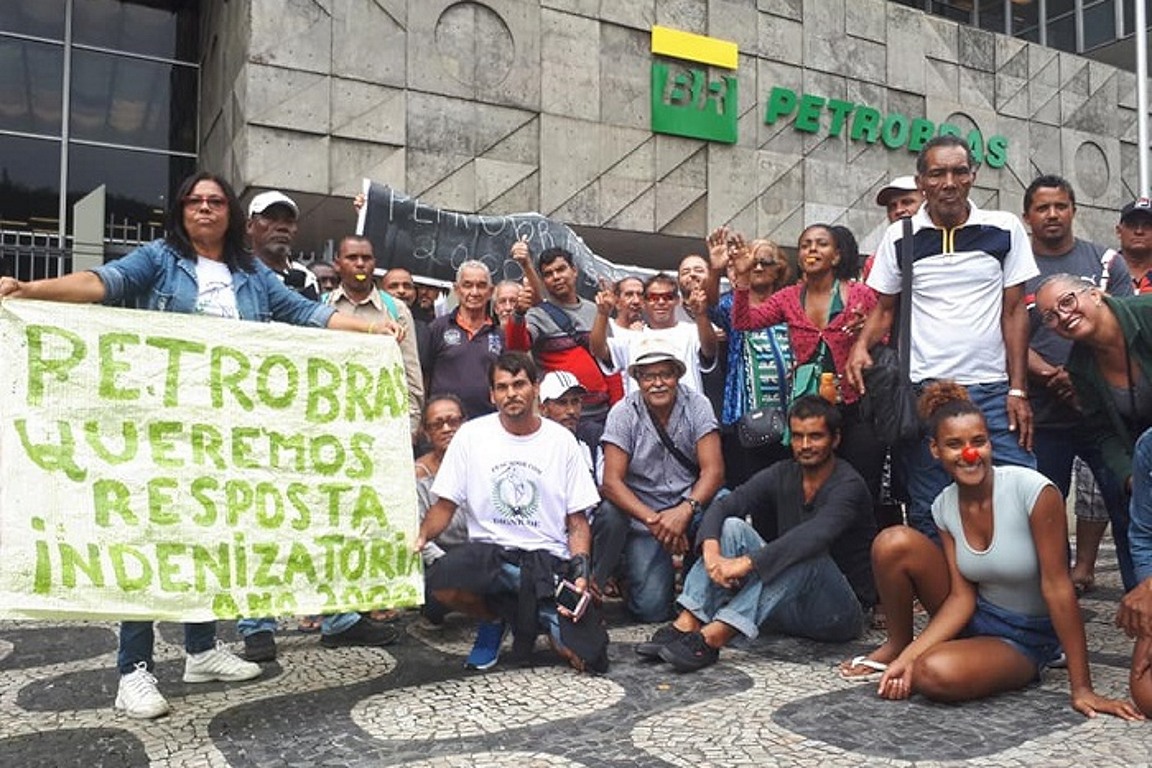
Misse Filho cross-referenced income and race data to produce surveys for his doctoral dissertation. During his research, he examined which areas of Rio de Janeiro are better or worse served by sanitation infrastructure:
“I was able to see that neighborhoods with a higher proportion of Black and brown residents are more affected by the lack of basic sanitation… Peripheral areas and favelas are disproportionately left out of sanitation infrastructure.” — Michel Misse Filho
Therefore, there is an explicit socio-environmental and racial inequality in the context of the city’s basic sanitation. Misse Filho explains that studying these dynamics was one of the challenges of his research: “A series of urban policies implemented over decades ended up feeding this inequality… disproportionately affecting peripheral areas [along the shores of Guanabara Bay] throughout history.”