
This article is part of our series reflecting on the impacts of mega-events on Rio de Janeiro 10 years after the 2016 Olympic Games. It was produced in partnership between RioOnWatch and Grupo CASA: Social Studies on Housing and the City, based at the Institute of Social and Political Studies at the State University of Rio de Janeiro (IESP–UERJ), comprising their university extension program and launching IESP effort to share results of the academic research conducted by members of Grupo CASA with a broad audience. Through this collaboration, the group hopes to build an archive that will enable it to continue critically monitoring the implementation of public policies in the Rio de Janeiro metropolitan area.
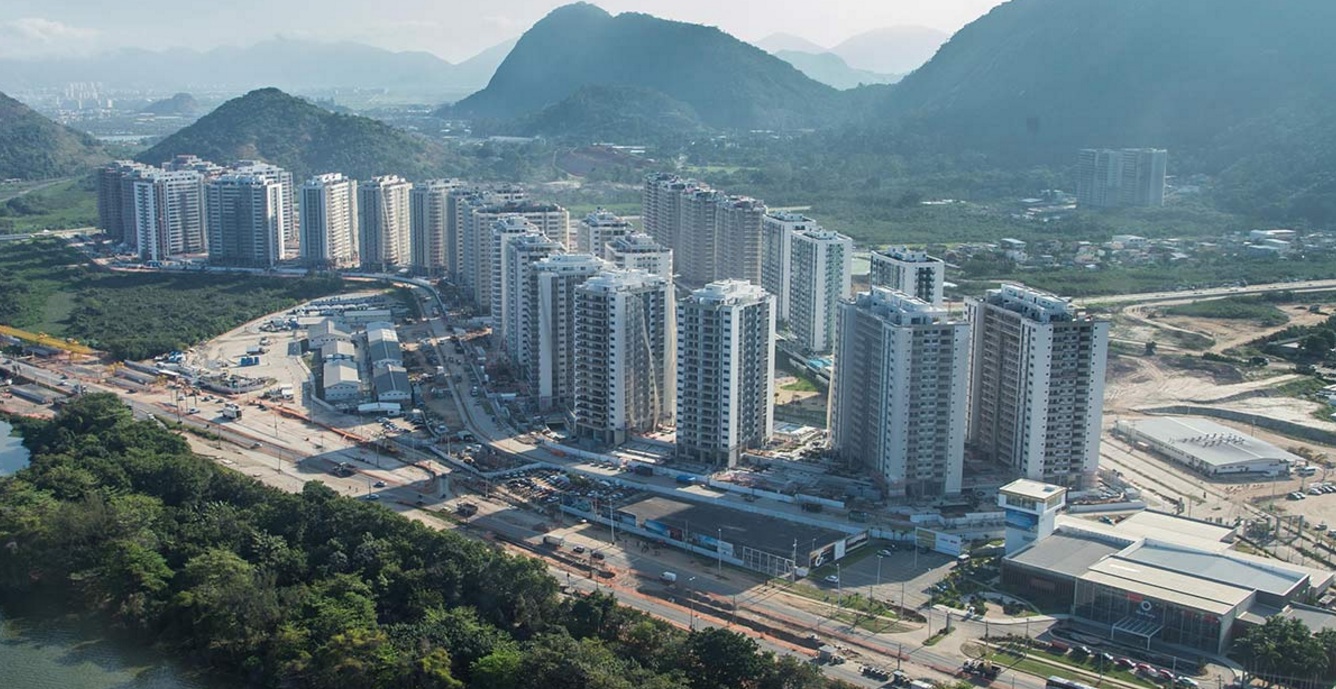
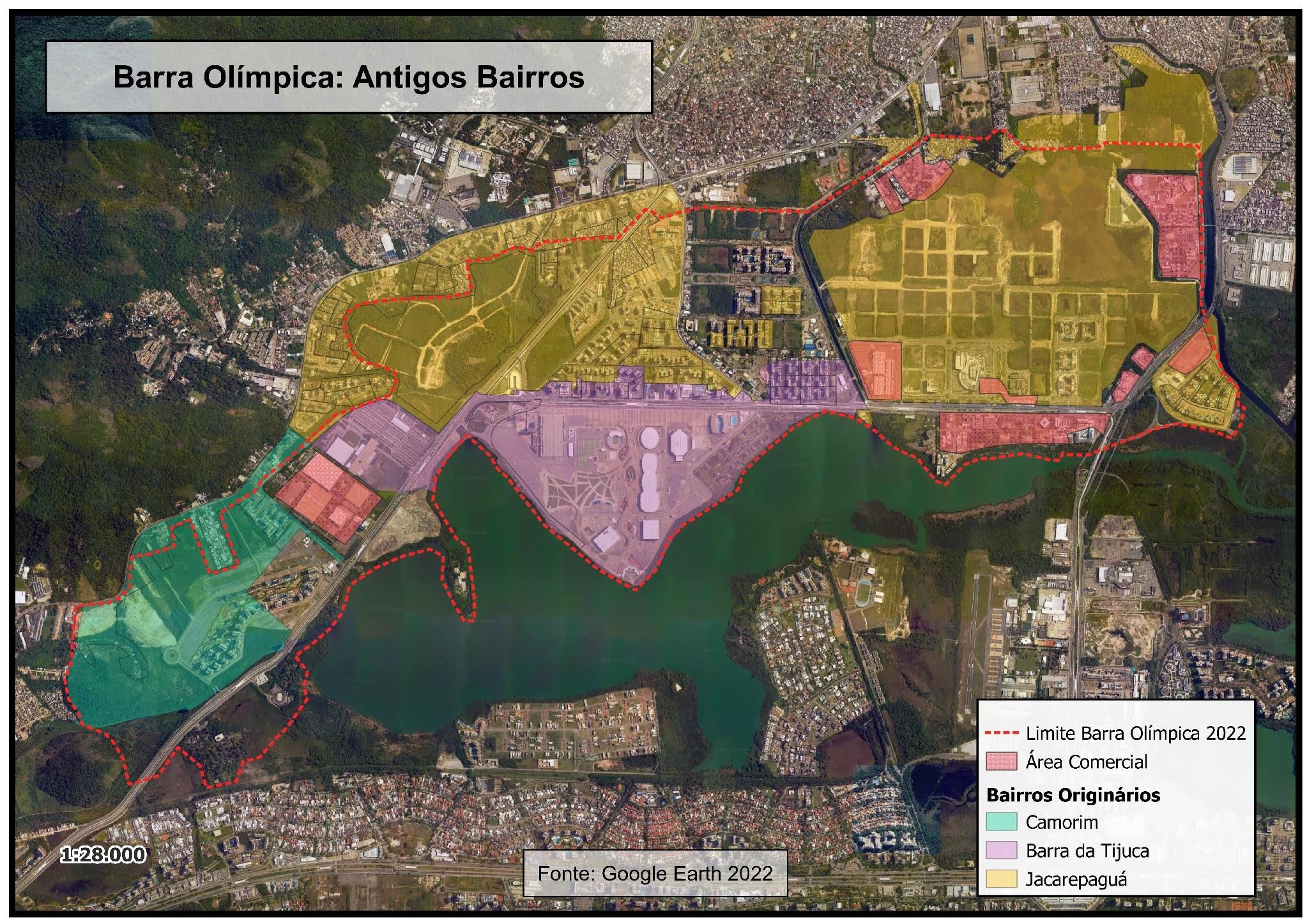
The new Barra Olímpica neighborhood was officially inaugurated by the Rio de Janeiro city government in 2024, carved out of portions of the Curicica, Camorim and Barra da Tijuca neighborhoods. As its name suggests, “Olympic Barra” in English, the region’s recent redevelopment is closely tied to the 2016 Olympic Games, when major infrastructure projects were carried out in preparation for the mega-event. Among them was the Ilha Pura condominium, a 31-building complex that was put on the market after serving as housing for athletes during the Olympics.
We discussed what happened in Barra Olímpica 10 years after the Olympics with Lilian Amaral de Sampaio, author of the doctoral dissertation in geography An Analysis of the Real Estate Sector’s Role in Shaping the Metropolitan Landscape in the Jacarepaguá Lowlands: The Case of Barra Olímpica, defended at Rio’s Pontifical Catholic University (PUC-Rio) in 2024. The author, who was also a researcher for the documentary ‘The Conquest of the West,’ describes the neighborhood’s development as a “local-scale urban phenomenon that is part of a global process that guides the production of space in the contemporary metropolis.” She also explains how capitalist interests relate to the dynamics of new developments in the region.
Barra and Carvalho Hosken
De Sampaio recalls that the development of the neighborhoods of Barra da Tijuca and Jacarepaguá was initially guided by the Lúcio Costa Plan, launched in 1969 and named after Lúcio Costa, Brazil’s pioneering architect and urban planner who designed the original proposal. “The plan was to move the city’s administrative headquarters to where is now the Centro Metropolitano. The architect laid out the first roads, mapped the area and kept the edges of the lagoons and the beachfront free of buildings.” According to her, the real estate market gradually eroded these aspects of landscape preservation that were fundamental to the project: “In the end, the conflict was so intense that Lúcio Costa withdrew from the project and renounced authorship of the Barra project.”
According to de Sampaio, the development of Barra da Tijuca is inextricably linked to the history of construction company Carvalho Hosken, which owned much of the land that would eventually become Barra da Tijuca. Based on extensive oral history interviews conducted between 2014 and 2015 with the company’s founder, Carlos Carvalho, she says the developer acknowledged that the land had been deliberately left vacant for years in anticipation of the area’s appreciation.
What is now called Barra Olímpica became more attractive to the real estate market [in the lead-up to the 2016 Olympics] when the relaxation of urban planning and building regulations began permitting commercial uses. De Sampaio explains: “This land was disputed because the trend had been for [low-to-middle-income] Jacarepaguá to expand toward [upscale] Barra. Carlos Carvalho [however] wanted Barra da Tijuca to grow in the opposite direction [pushing north toward Jacarepaguá], so he held onto this land for 50 years until he found the right moment to sell it, a moment that was made possible by the City government [freeing up regulations and centering Olympic construction there].”
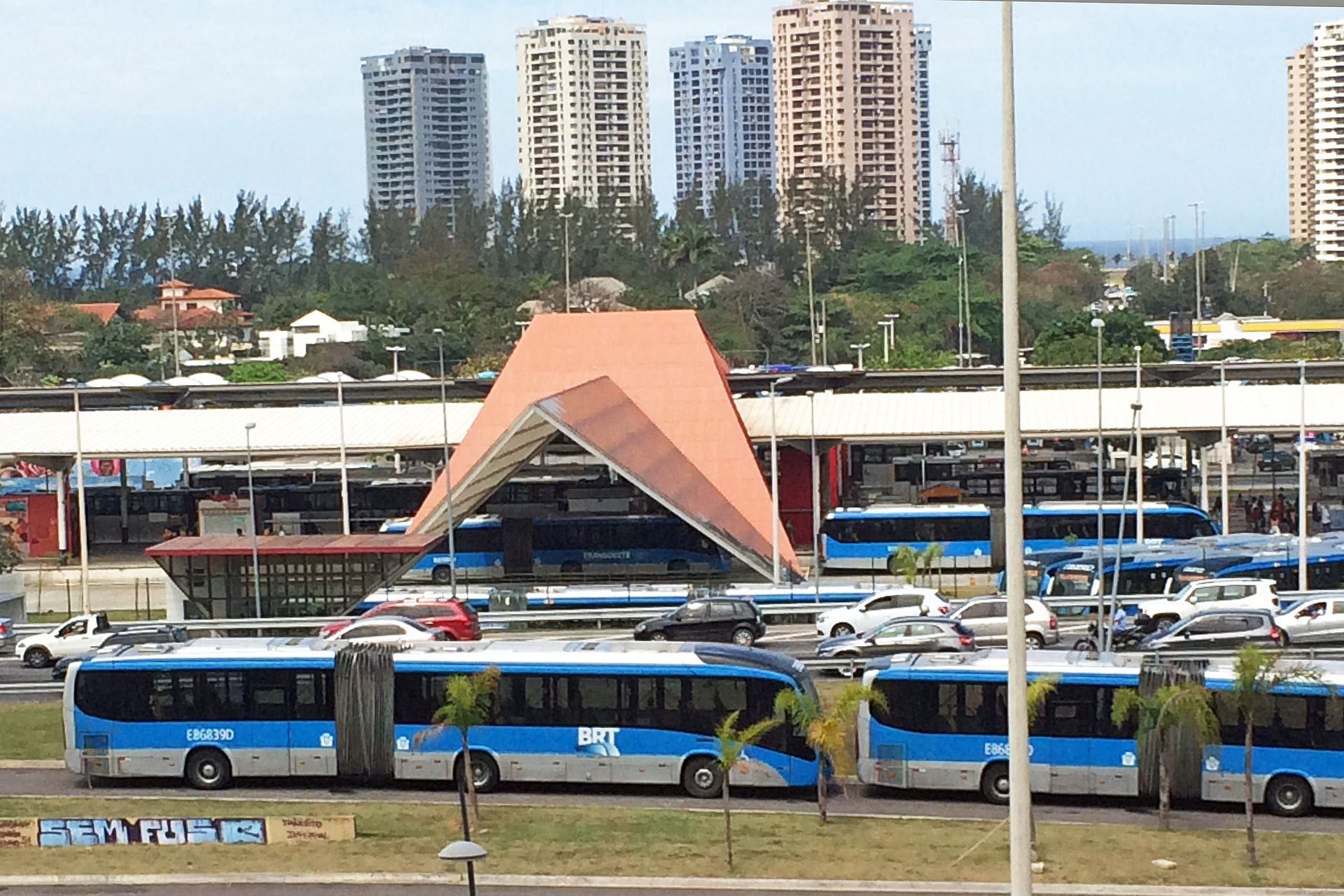
The time came when the 2016 Olympics brought vast sums in investment through Public-Private Partnerships (PPPs) to carry out infrastructure works aimed at adapting the urban space for the mega-event. Among the infrastructure changes in Barra da Tijuca were the construction of the TransOlímpica and TransCarioca Bus Rapid Transit (BRT) corridors, the Olympic Park and Ilha Pura. De Sampaio also explains how preparations for the Olympics transformed the region: “This area then received a boost because of the Olympics. All of this land that was bought in the 1970s and kept in reserve for nearly 50 years, until the Olympics, the opening of the Linha Amarela expressway, the BRTs and all the public works carried out there by the municipal government… became a viable residential area for the type of [upscale] residents Carvalho Hosken intended to attract. That area is a transition zone between Barra da Tijuca and Jacarepaguá.”
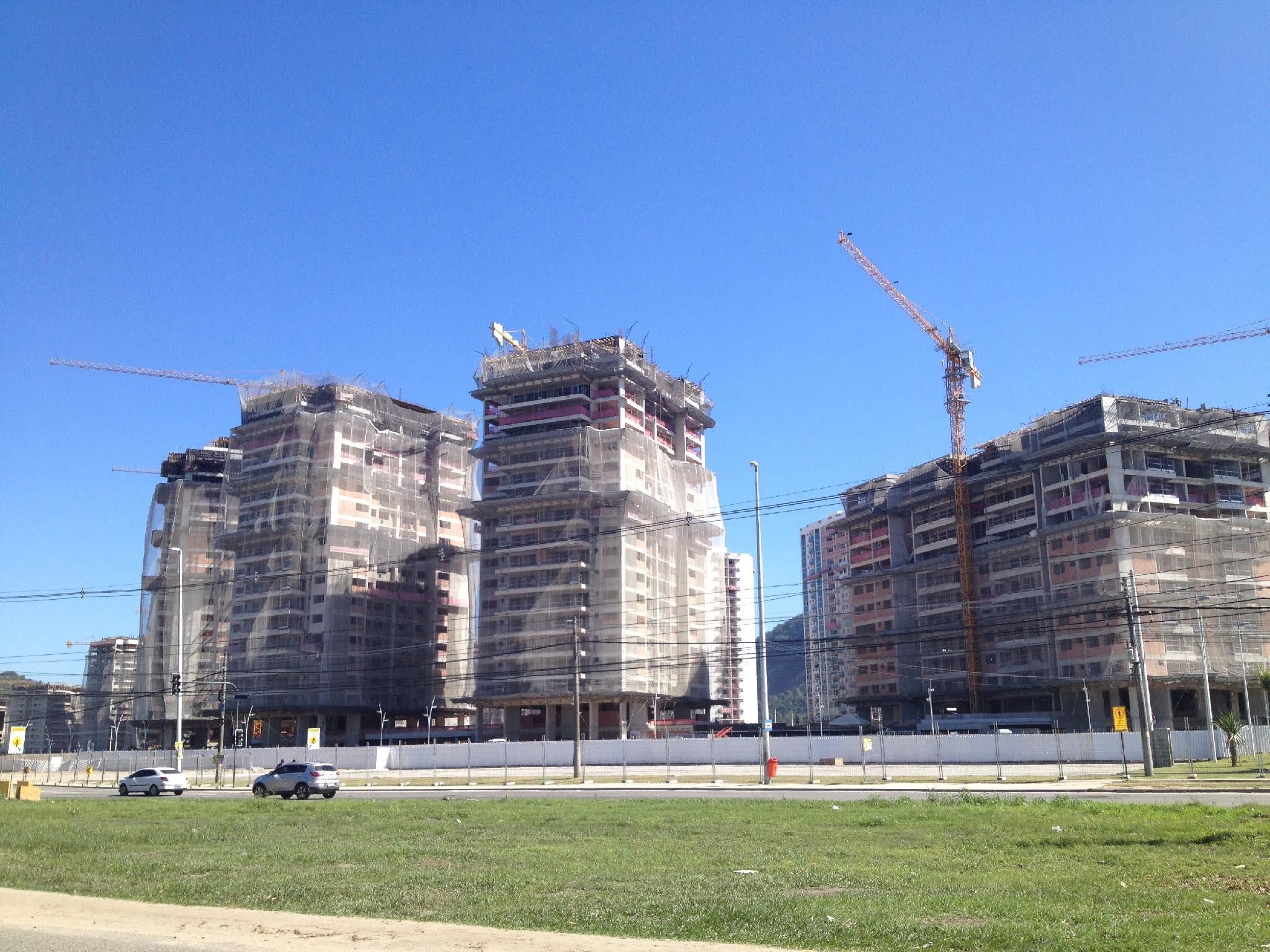
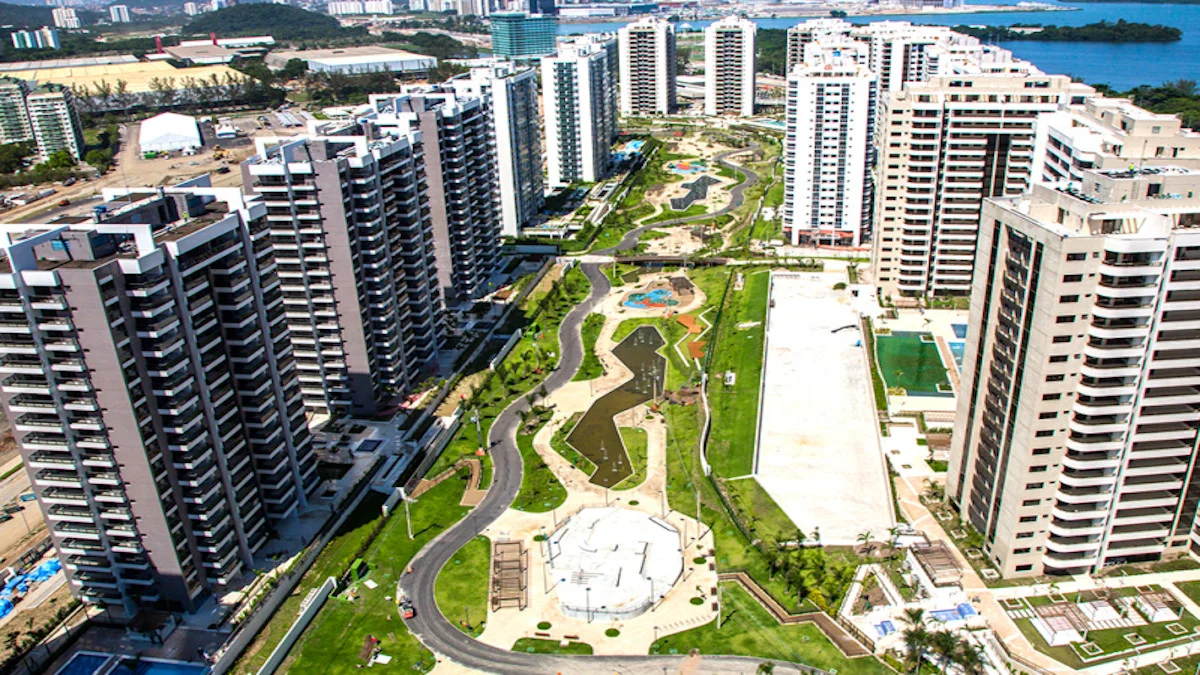
De Sampaio explains that the complex was built on a large plot of land in an area that initially lacked much infrastructure. “Thirty-one buildings of around 20 storeys each were built to house athletes during the Olympics. Afterwards, the plan was to put the complex on the market.” According to de Sampaio, sales of the condominium “ran aground.” Carvalho Hosken tried to release the buildings slowly, but without the success it had hoped for. For a long time, only three buildings were occupied, and the vacant condominium was used as a filming location for the first season of the Globoplay series ‘The Others.’
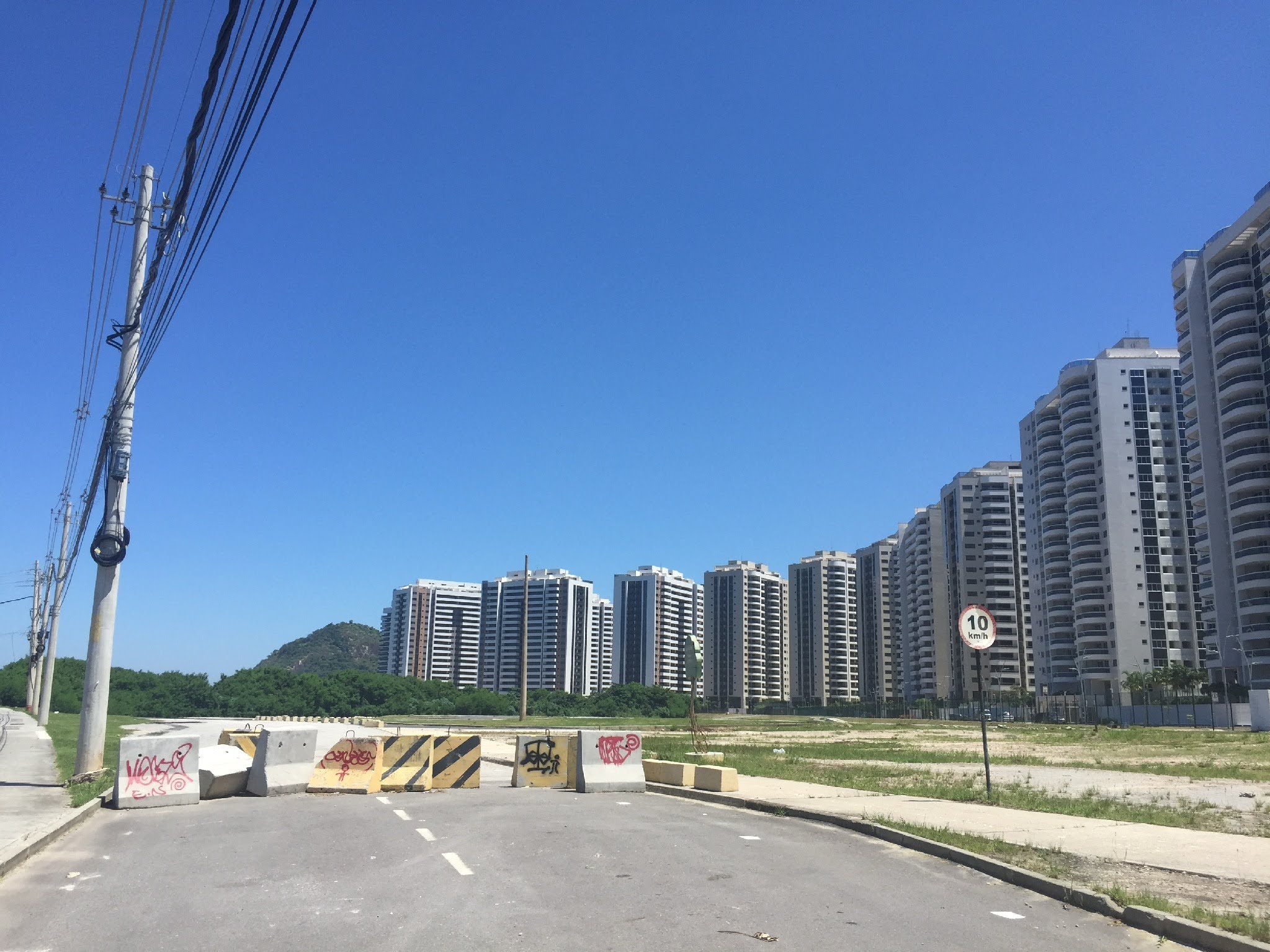
De Sampaio reports that the situation at Ilha Pura remained unchanged throughout the research for her thesis. However, in late 2024, BTG Pactual, Latin America’s largest investment bank, bought Ilha Pura, doubled down, and has been launching units at prices far higher than those charged during Carvalho Hosken’s tenure.
Privatization and Segregation
This recent turnaround in Ilha Pura’s long-standing failure reinforces a trend toward the region’s privatization. Public works that would have benefited the broader public, such as the cleanup of the lagoons, never materialized. According to de Sampaio, 60% of the Olympic Park was privatized by Carvalho Hosken, including its lighting and public signage. She also notes that Carvalho Hosken participated in the improvements to Abelardo Bueno Avenue.
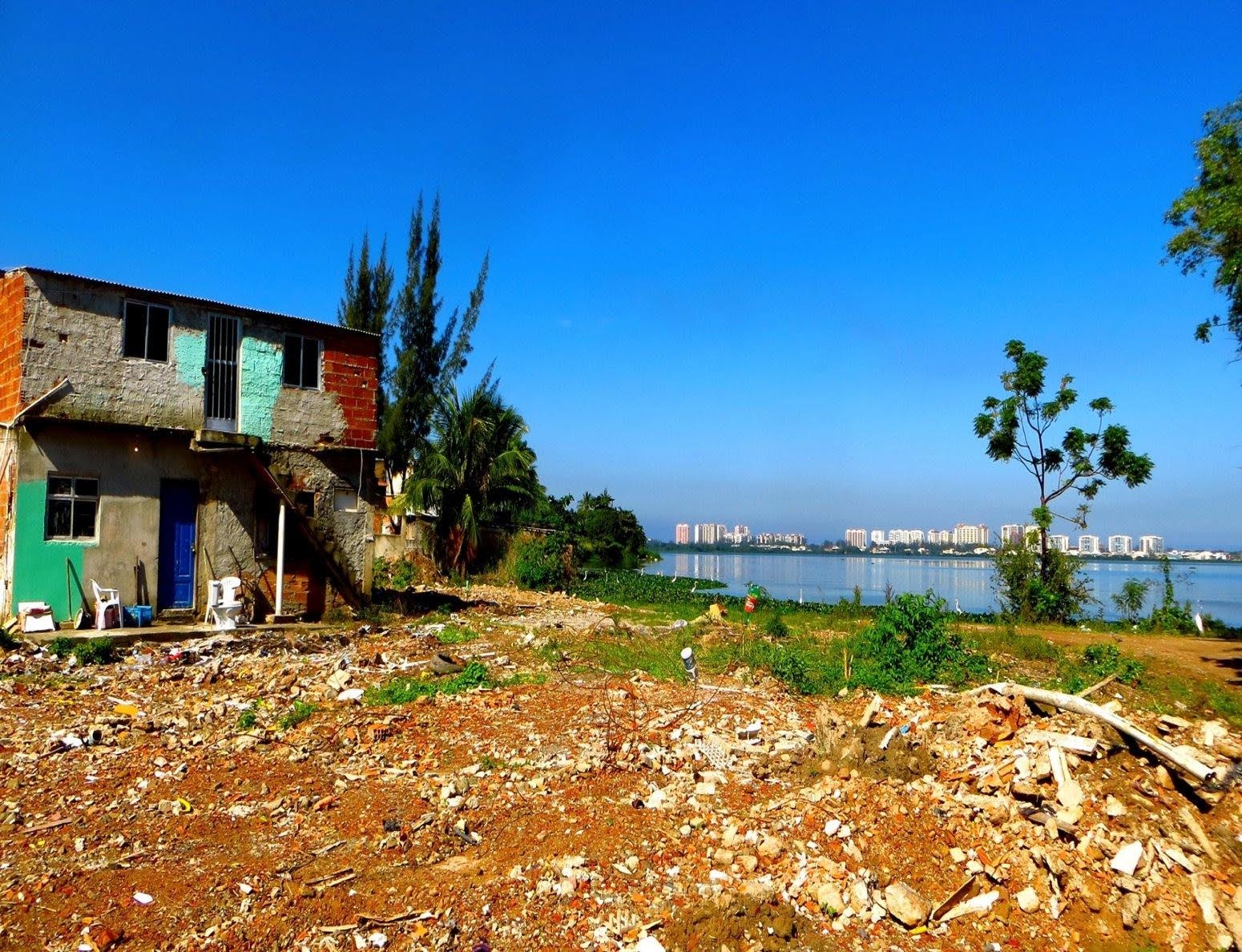
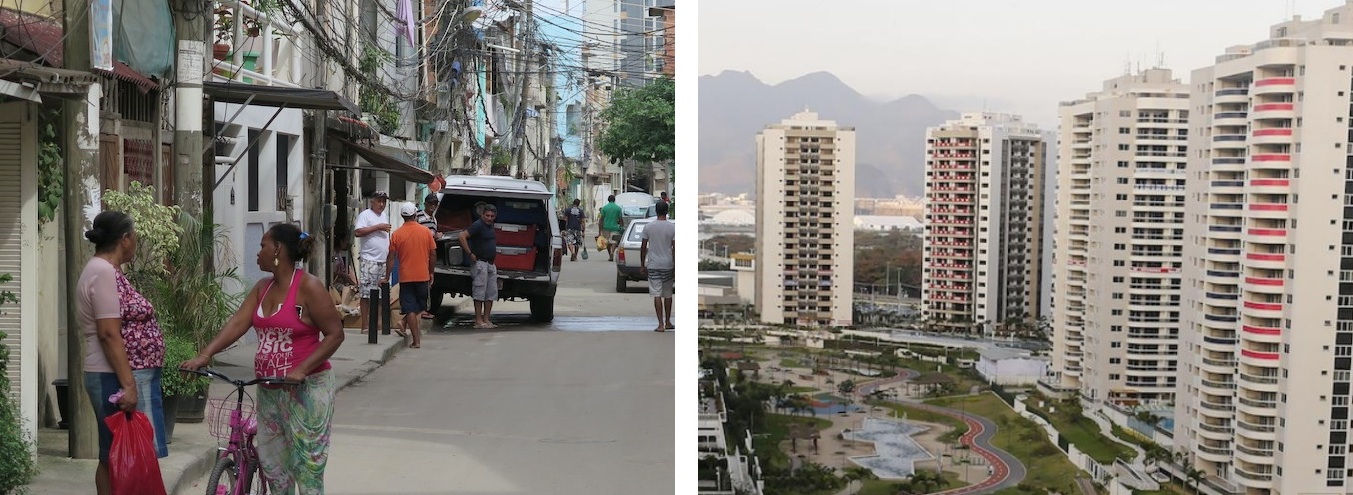
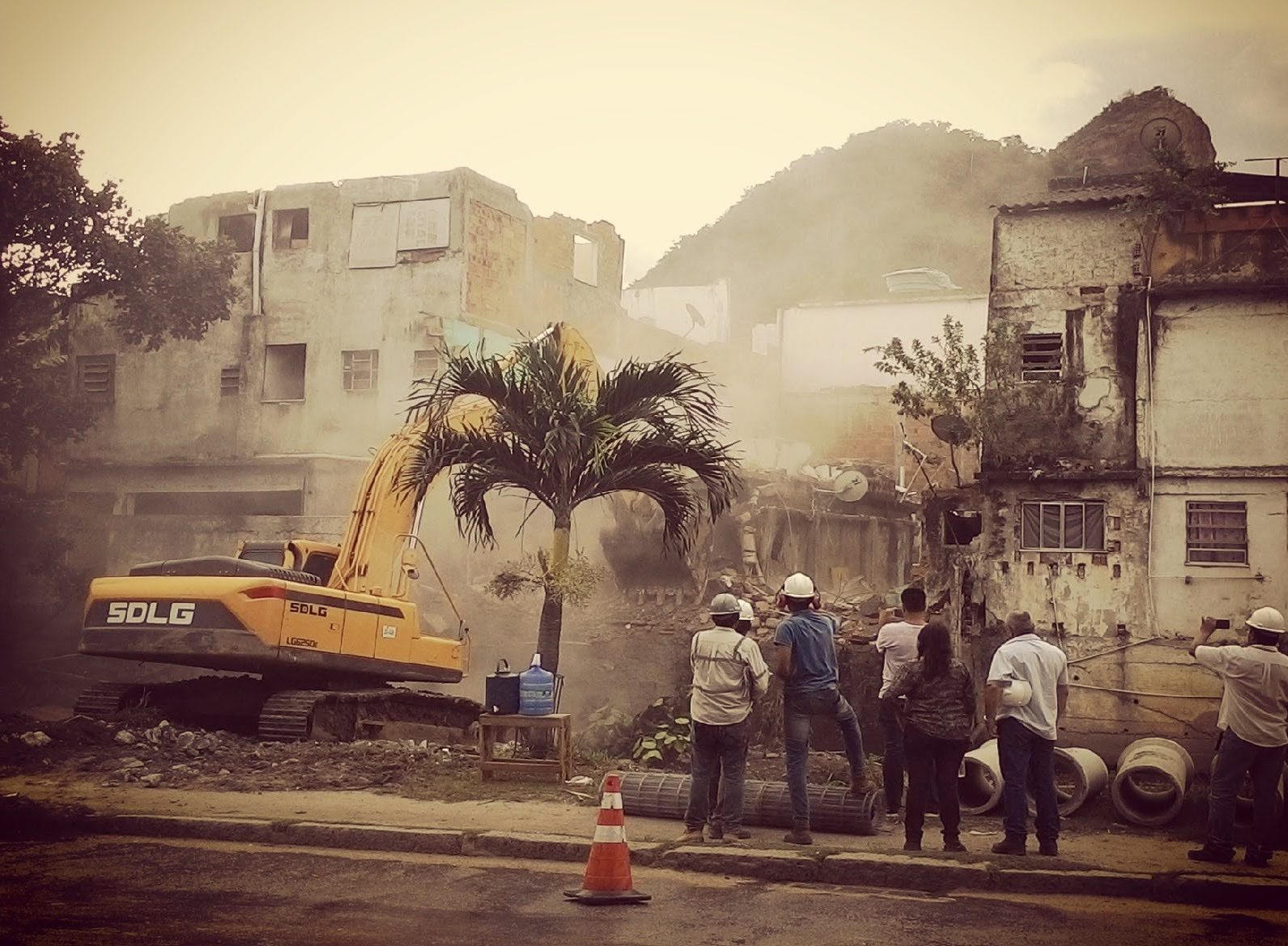
Recalling the forced evictions of Vila União de Curicica and Vila Autódromo, de Sampaio argues that segregation in the region intensified after the Olympics and continues to deepen today. “The favelas were not upgraded, though their streets were paved… just a cosmetic fix,” she says ironically. “Financial capital has taken on a greater role than it once did.” The result is an increasingly privatized and segregated city.