
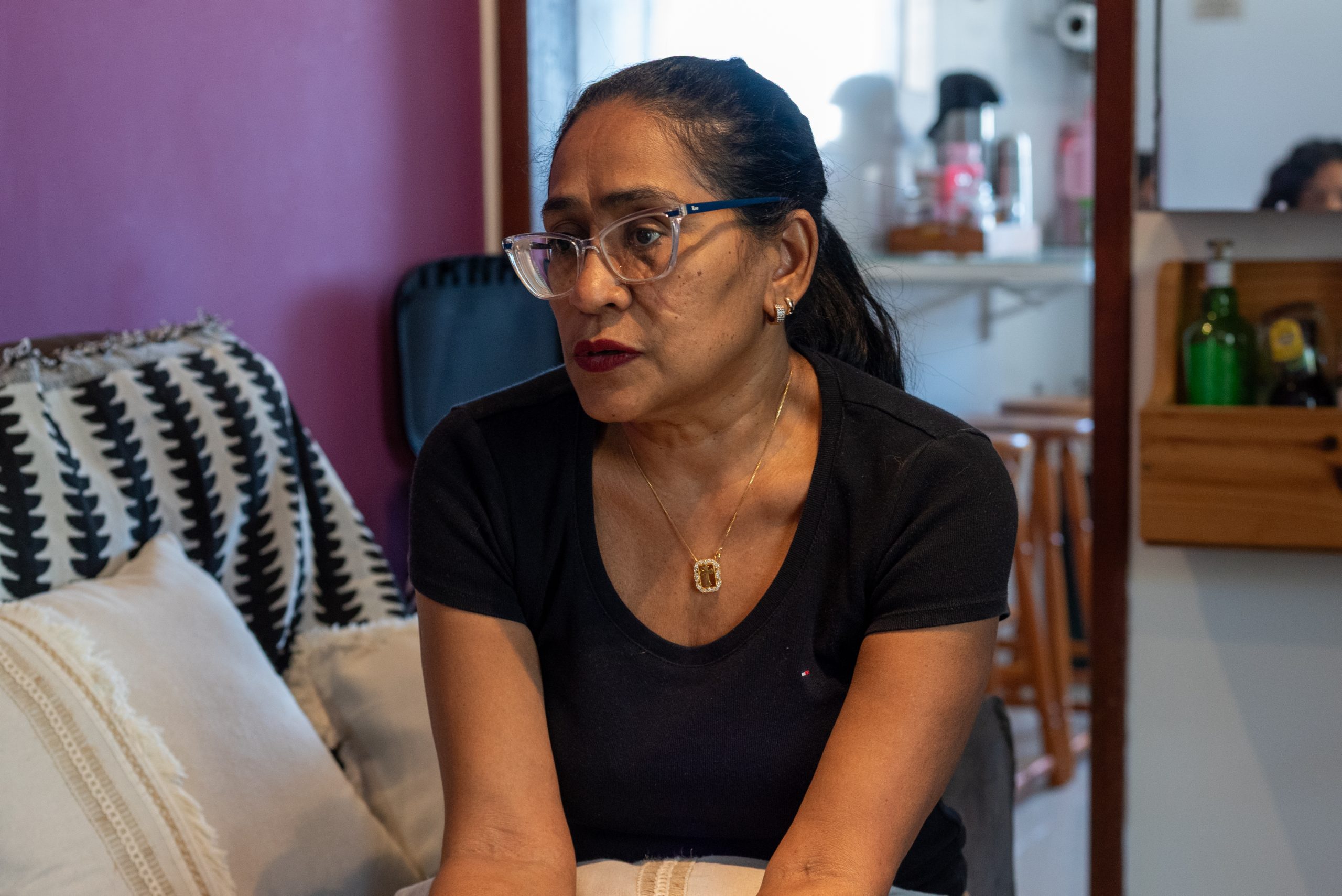
Conceição Queiroz, former resident of Vila Autódromo, reflects on her forced relocation to Parque Carioca ten years ago. Photo: Bárbara Dias

This article is part of our series reflecting on the impacts of mega-events on Rio de Janeiro 10 years after the 2016 Olympic Games.
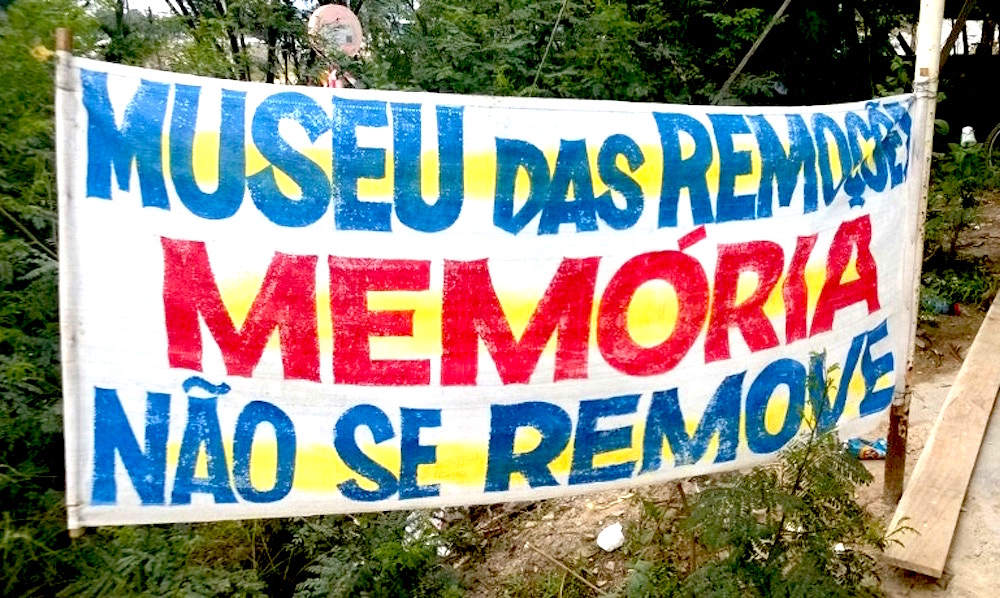
Conceição Queiroz, 51, was one of the last residents to be forcibly evicted from Vila Autódromo, in Rio de Janeiro’s Southwest Zone, a favela located in Barra Olímpica, next to the Olympic Park. She fought for her right to stay but, in the end, was forced to leave her community—which became a symbol of the fight against pre-Olympic forced evictions.
In 2026, ten years later, Queiroz sat down with RioOnWatch and reflected on what her life has been like since being relocated to the public housing complex Parque Carioca, along with thousands of other residents evicted from Vila Autódromo.
RioOnWatch: Conceição, first, can you tell us how long you lived in Vila Autódromo? What was your life like there?
I must have lived there for some 15, 20 years. I’m not quite sure. When I came [from the northeastern state of Maranhão] to Vila Autódromo, my sister was pregnant. I went there to take care of my nephew when he was born. Then, he was born and I just stayed. I got a job. I rented a little studio there. I got a boyfriend, got married. That’s how I put down roots in Vila Autódromo, you know?
My nephew is 29 now! That’s the proof right there: I arrived in Vila Autódromo 29 years ago. But it’s been almost ten years since we came here [to Parque Carioca], right? [So, I lived there for almost 20 years.]
RioOnWatch: What memories of Vila Autódromo do you have?
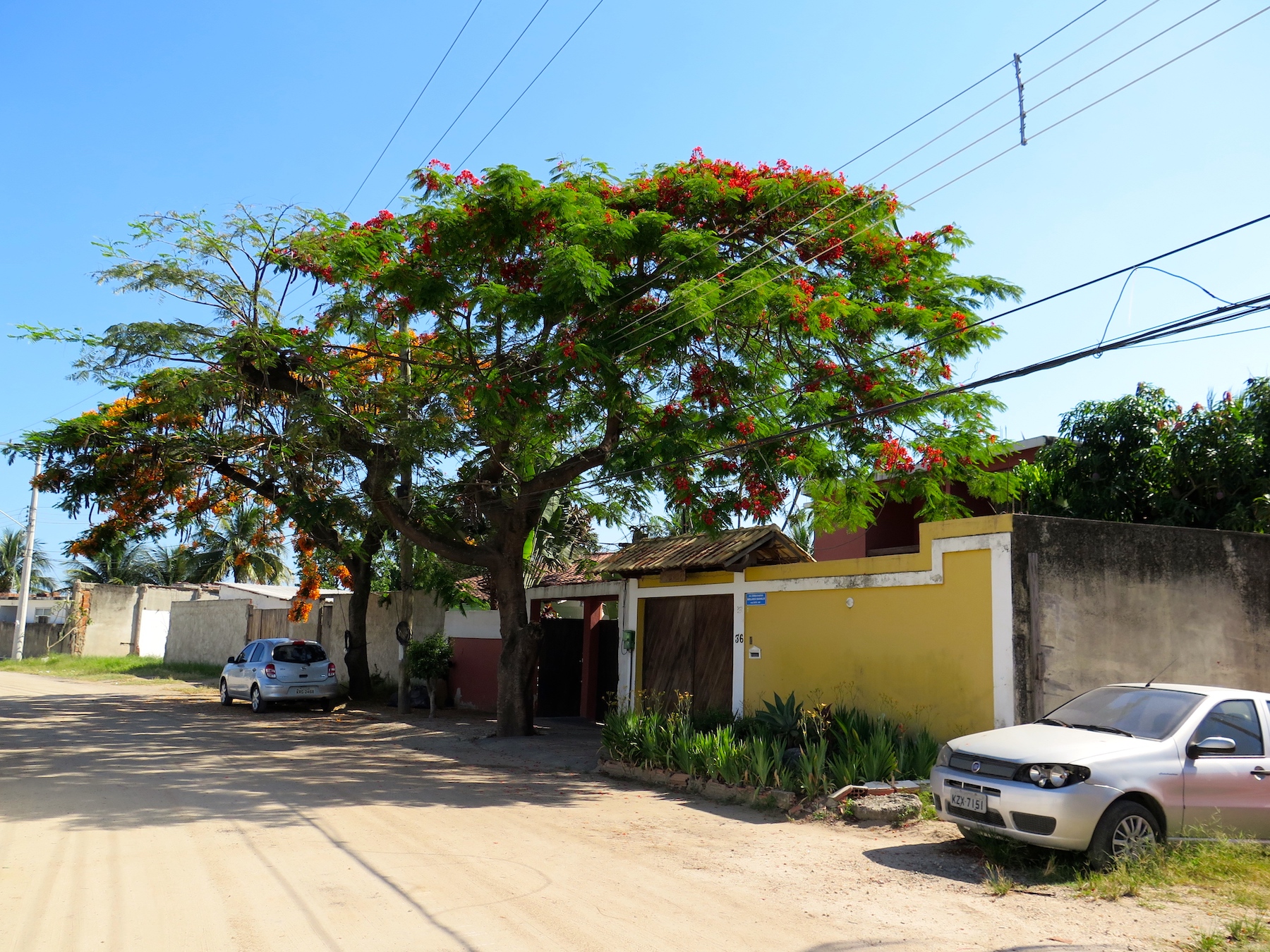
I have good memories of the time I lived there. I always loved Vila Autódromo because, since I grew up on a small farm in the countryside, Vila Autódromo felt like living in the country to me. Everything was small, everyone knew each other, it was down-to-earth: small backyards, guava trees. Everyone there had their own yard. So, I was in a big city, but when I got home, it felt like I wasn’t in the city anymore: it was like being on a small farm. I felt at home.
To this day, I still love Vila Autódromo. Everyone knew each other there. It really is a family. You’d put a chair out front and chat with the neighbors when you got home from work. All the older residents would be sitting out front talking. There was no way you could come home without talking to one person, then another: “Oh, come on in, let’s have some coffee and a warm roll.” Vila Autódromo is unforgettable.
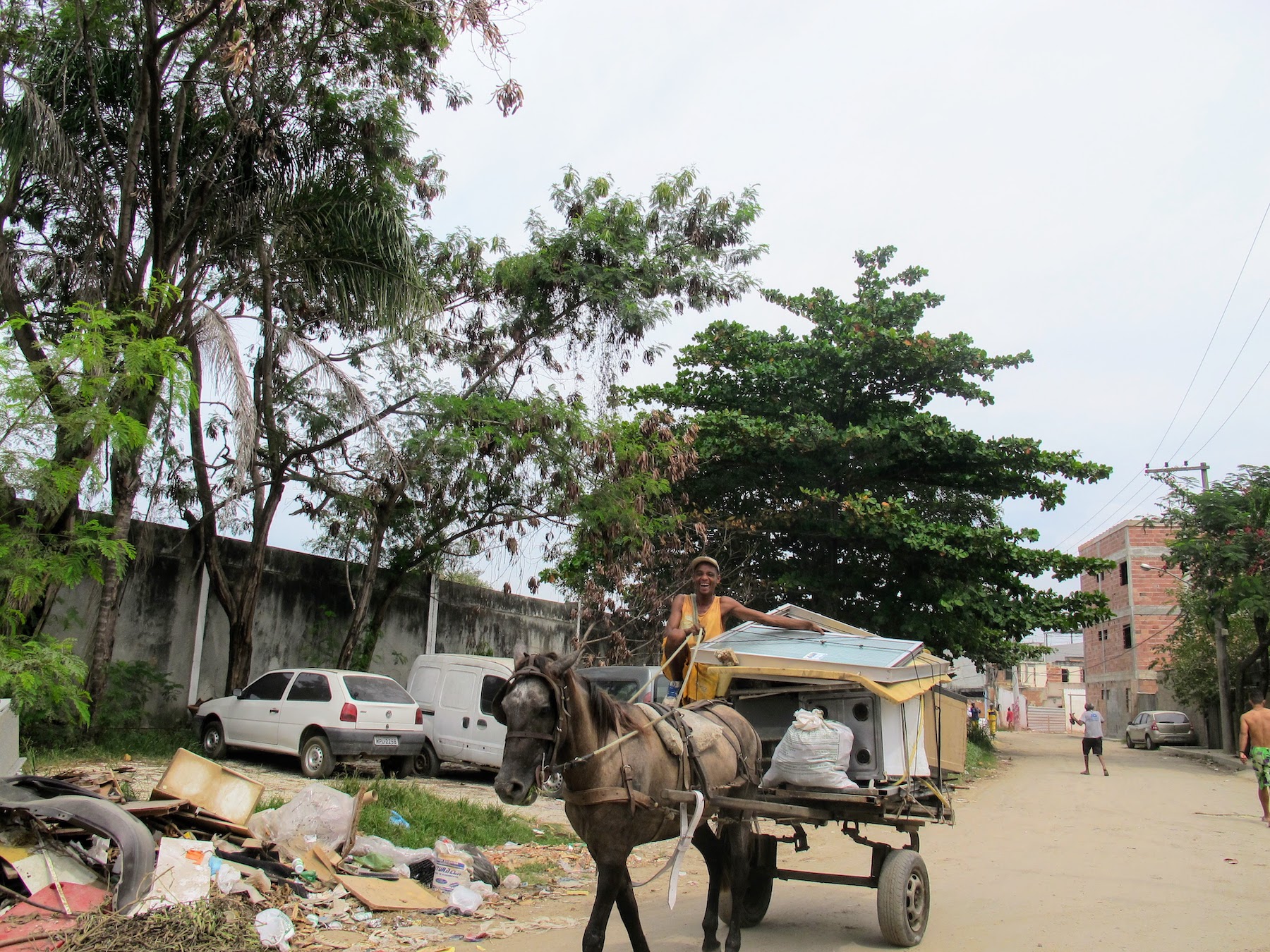
RioOnWatch: Since the forced evictions for the Olympics, much of the area that used to be Vila Autódromo was never developed and was left abandoned. How does that make you feel?
The City wanted that whole area, but they couldn’t get it because the fight was so intense. And then the people who managed to stay to the end without being evicted won the right [to remain]. The City built 20 houses, including one that was in my name. I was going to stay. I stood my ground. I was the second-to-last person to leave during the fight against eviction.
I actually didn’t stay until the end because there was this whole issue of money. They [the City] were offering apartments plus money [to residents who agreed to leave Vila Autódromo]… The City pressured people with money, making offers like: “I’ll give you R$100,000 (US$20,000) plus an apartment,” “I’ll give you R$100,000 plus two apartments.” And, you know how people are, right? They wanted to leave, they wanted to live better lives.
My ex-husband decided: “I don’t want to stay, so you have to sell your share.” As it was, our marriage wasn’t doing well when this whole eviction thing started. There were a lot of problems in Vila Autódromo throughout the evictions.
He said: “I don’t want to stay anymore. I want to get out of here. I want to get my apartment. I want more money. It’s the only chance I have to make something of my life. When am I ever going to see R$100,000 in my life?” It was R$100,000 cash plus an apartment. He pressured me.
I talked to my family, and they said: “The house belongs to both of you. There’s no way to split it. How are you going to split a house in half? Half for the City and half for you? So you two have to come to an agreement. Give him his share and you keep yours.”
Then we separated. The City gave me this unit plus R$100,000 and gave him another apartment plus R$100,000. I only left because I was pressured, you know? I had to give in. Had it been up to me, I’d still be living in Vila Autódromo. To me, that’s where my family is. And there’s the church. It looks beautiful there now, with the little houses, the streets, the church. There’s just no market there, but people sell things. Thank God, someone won the fight. Vila Autódromo didn’t disappear, it wasn’t wiped off the map. Vila Autódromo is still around, thanks to Luiz, Penha and everyone who fought for Vila Autódromo.
RioOnWatch: Do you think the City ever really had plans for the area, or did they just want to forcibly evict the residents?
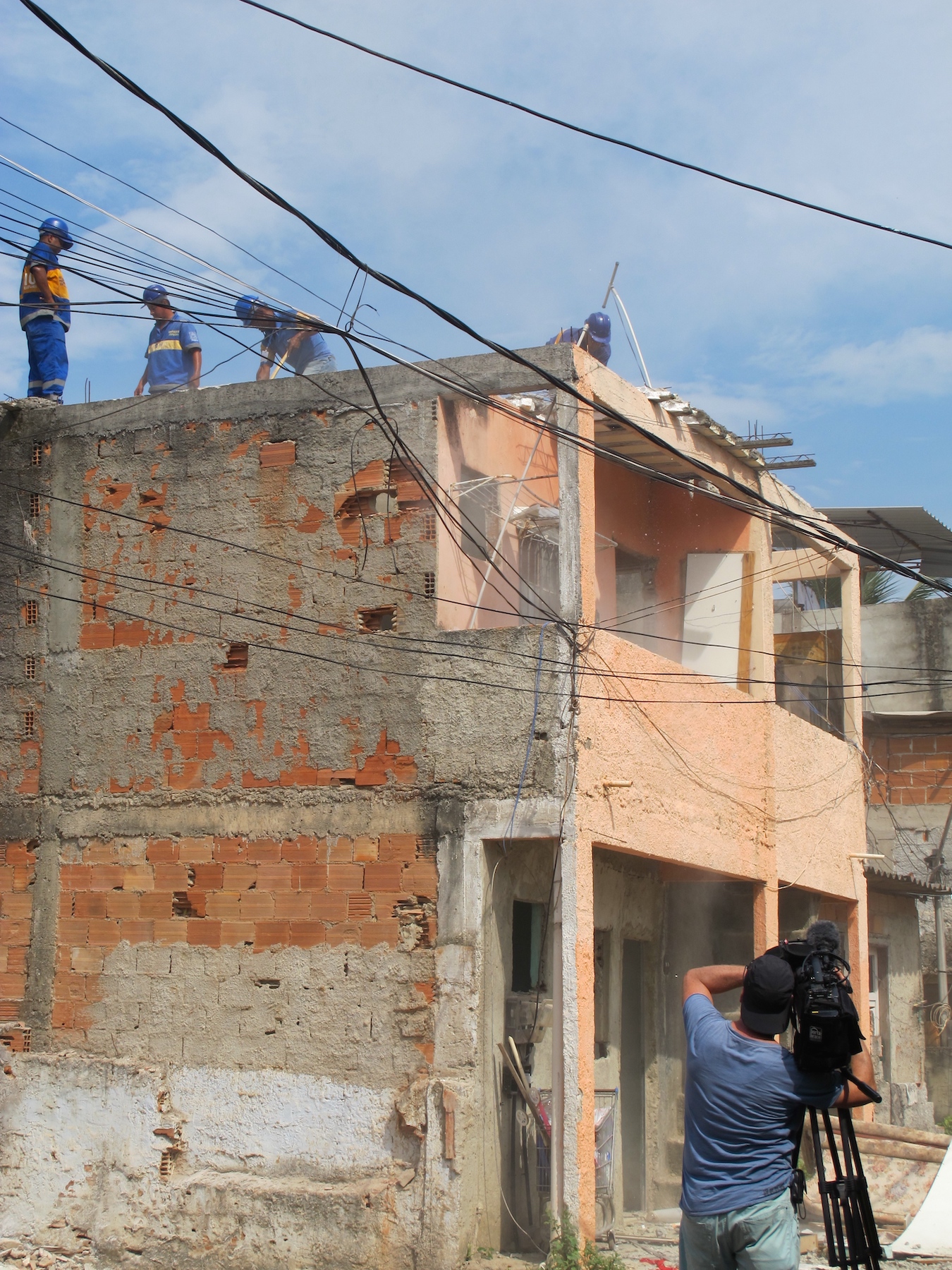
In my opinion, when there’s an event and there’s a poor area nearby, and they want to build something beautiful there, invest money in it, show it off, the mayor [Eduardo Paes] doesn’t want a favela next to a place where millions of people from abroad are going to come. So, to me, the fight really was about removing the community that was getting in the way and kind of making things look bad next to this huge project. But the media coverage got too big, it went all over the world. I gave a lot of interviews when they were evicting people.
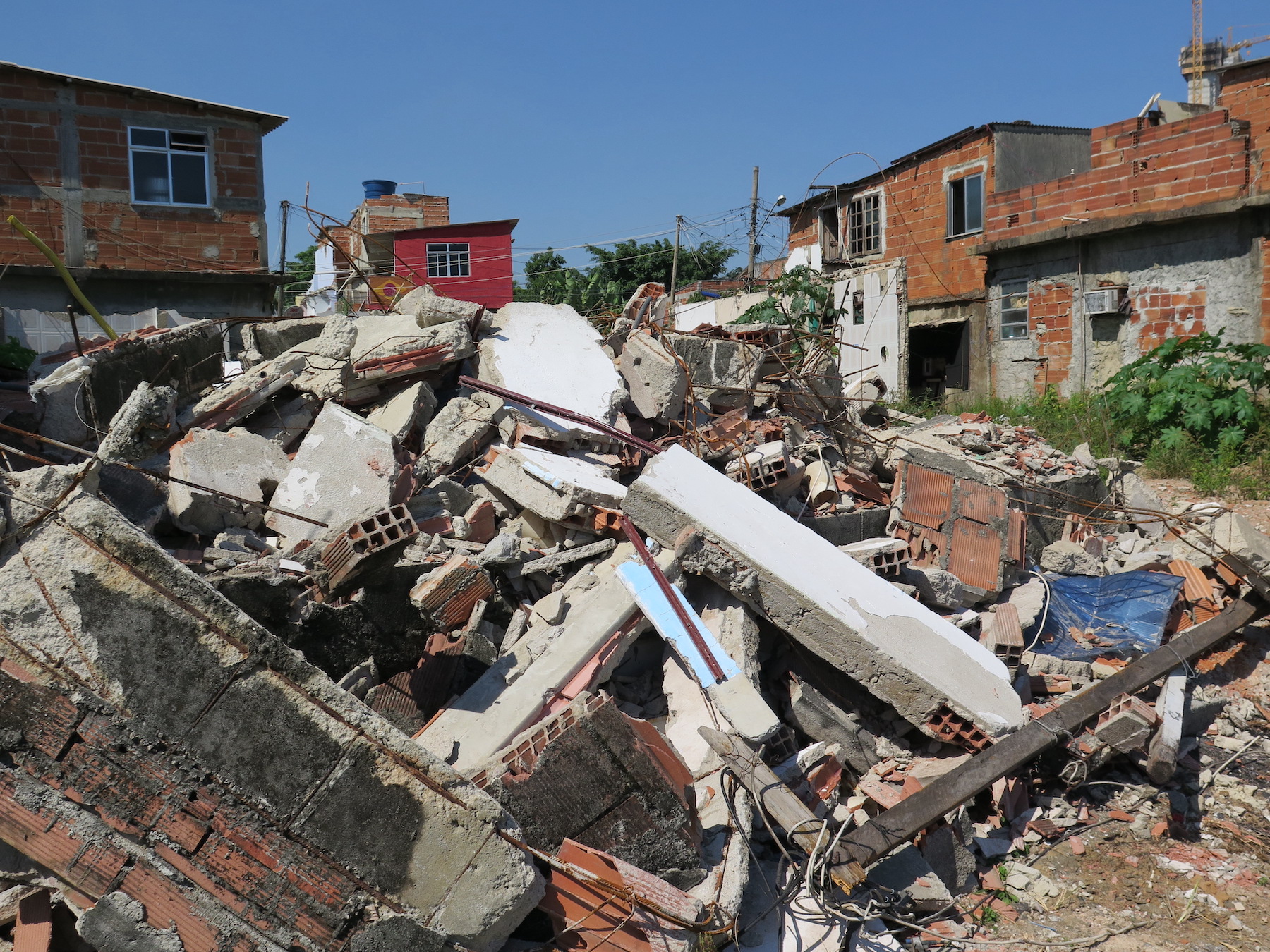
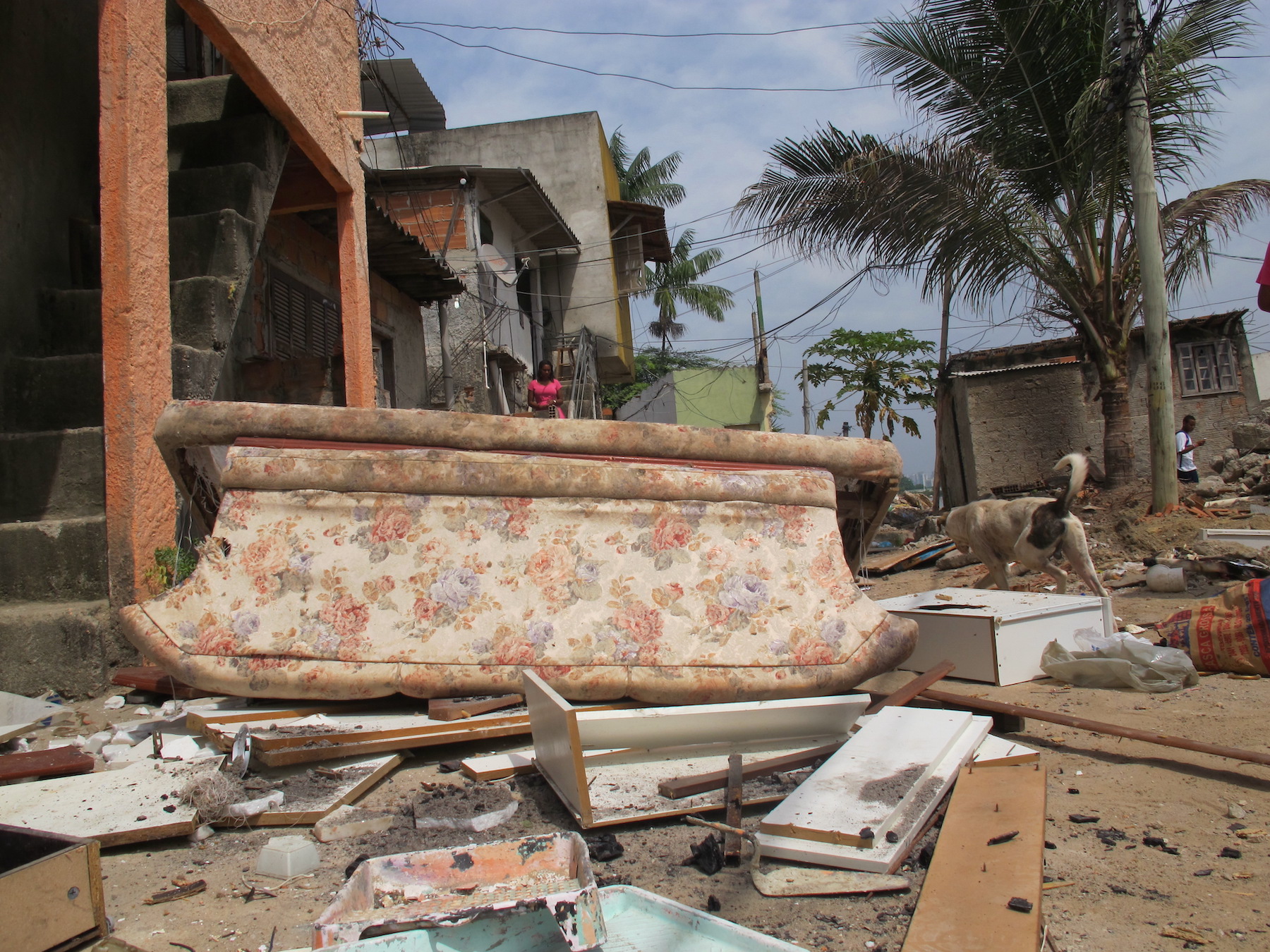
They’d take someone away from their home and then, quickly, a bulldozer would come and tear the house down. And all that rubble would be left behind. And really, from my perspective, it was shocking because it looked like those places we see in a war, or where there’s been an earthquake. It’s still something terrible in my mind’s eye.
Until it got to the point after human rights [supporters] got involved, when, after demolishing the houses, the City had to take away the rubble because it was getting dangerous for the people who still lived there.
RioOnWatch: How would you describe your move to Parque Carioca? Have the people in your new neighborhood created a sense of community?
This place is nothing compared to Vila Autódromo. You get here and you don’t see your friends… When I talk about this… I always cry, because it’s so sad [Conceição speaks while crying]. For me, it’s so sad to have left Vila Autódromo and come live here. Some of my friends didn’t even move here. They went to other places, took the money, went back to Paraíba [state], back to where they came from. And it wasn’t just people from Vila Autódromo who moved here. Many people came from other places, people we didn’t know. A lot of older people I knew who moved here [from Vila Autódromo] didn’t even make it a year: they all passed away. They got depressed and died. Many of the older ladies I knew from there had nowhere to go to see their friends when they got home from work.
Here, you have one person in Lot One, another in Lot Two, another in Lot Three. The [elderly community members] were all left on their own. Their families didn’t take care of them. And they didn’t have that same thing of seeing their friends, you know? They died one after another.
I found this really sad, because the older people really didn’t want to leave. But their children were so tempted [by the money], they’d argue with their parents and grandparents to take the money and leave [Vila Autódromo]. They didn’t even think about their own father, their own mother. It’s really sad what money does to people.
It took me so long to build my little house there. I worked so hard to make my home the way I wanted it. Just for it to be demolished by a bulldozer. It was a terrible thing when they tore my house down. A feeling of… I don’t even know how to explain it: you built your little house, you took years to build it and, out of the blue, it’s so fast, all that’s left is the ground.
I watched the demolition, and so it’s seared into my mind, that bulldozer. All those years of work [to build it], for it to end in minutes! I saw so many homes being demolished. Every day I came home from work and there was a house on the ground. There were so many police, bulldozers, dumpsters. It’s the saddest part of Vila Autódromo[‘s history].
RioOnWatch: Since you were evicted, what problems have you faced that most people couldn’t even imagine?
When the City came with a team of five, six people, they always showed up at your house. I watched a lot of people [be pressured to accept the City’s offers] because I took longer to leave. The City would sit people down and say: “You have to go,” and would show the video of the apartment, of what it would be like to live there and, let’s say, have a stable life. For someone whose house had a dirt floor, no tiles… they created a model apartment all decorated: “Look what your apartment is going to look like.” That stayed with people… and people wouldn’t even think twice.
A lot of people didn’t think about what they would go through, about what they’re going through today, about the consequences of leaving Vila Autódromo to come live in an apartment. There, you had your own backyard, you could grow your own little things, bury your toes in the soil, have your neighbor close by. People didn’t think about that when they accepted the City’s offer. All they thought about was having an apartment and money in their pocket.
When it was my turn, they came to my house. My ex-husband and I had already been separated for quite a while. Both owners of the house had to sign for the City to be able to pay; otherwise, they couldn’t. So, they came to my house and said: “Your husband has agreed. We already have his signature. He wants to leave, he doesn’t want to stay. So, you have to sell your part.” I was pressured by them, and they kept coming to my house. They were pressuring me from one side and my ex-husband from the other.
My ex-husband said: “You’re going to have to go. I’m not going to put my life on hold because of you. This is my only chance to get ahead, to take this money and have a life of my own. I don’t want to be with you anymore.” That’s when he told me he’d been cheating on me, that he already had another woman. I decided to sell my share: we each got an apartment plus R$100,000. We came here. His apartment is the one right across from mine.
RioOnWatch: How would you describe your quality of life today?
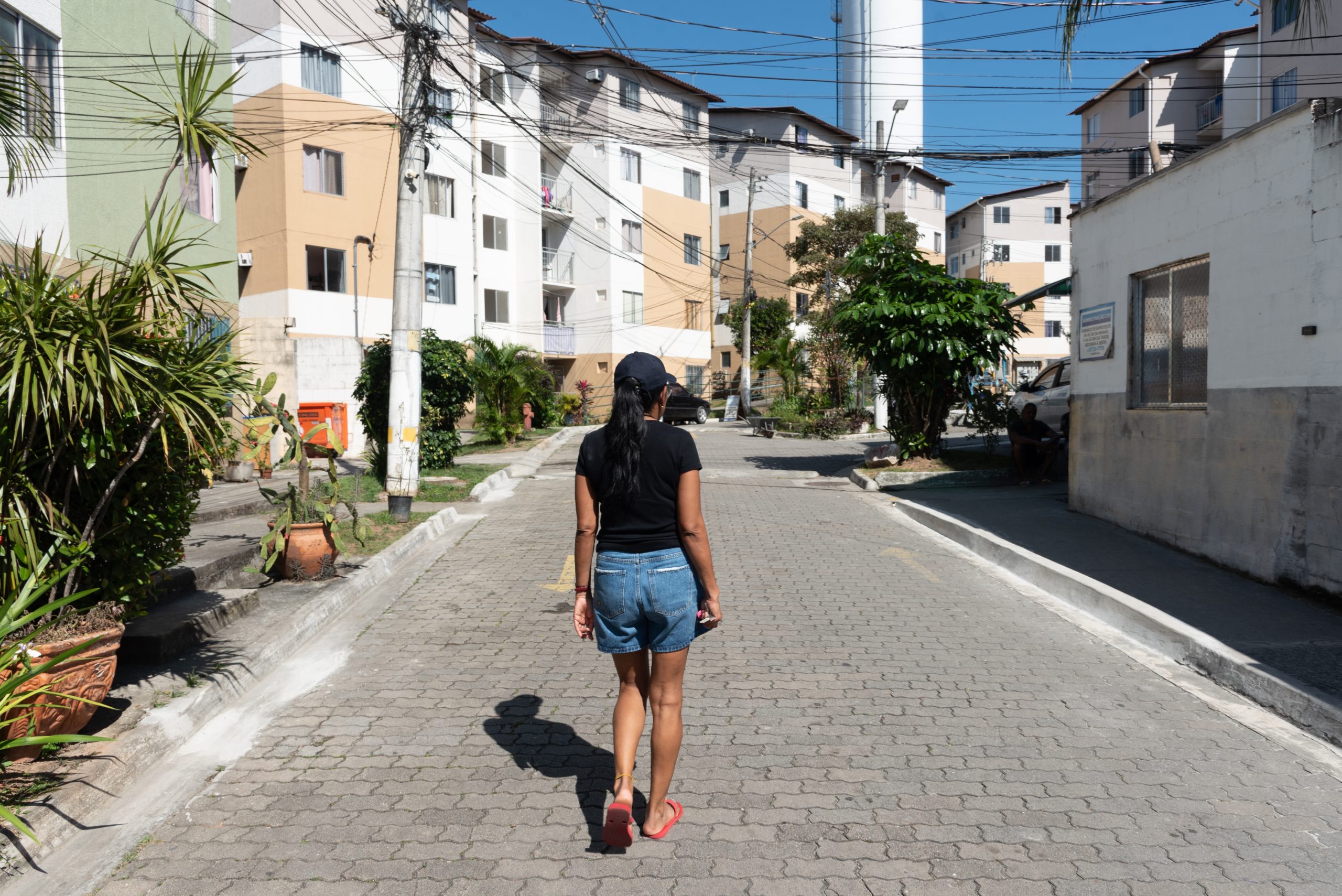
I don’t think my quality of life has improved. I think quality of life is when you feel good. It’s not about money, it’s not about where you live, it’s about your mental well-being. I almost got depressed when I moved here [Conceição speaks while crying], because my family doesn’t live with me. I don’t have friends coming over anymore. There, my house was always full of neighbors. There were more people to spend time with, to go to church with, to sit and talk with. So, quality of life is when you feel good, when you’re happy and with your friends, with people by your side. I don’t have that here. I’m from Maranhão and my family lives far away. My nephew is here today, but he lives in Cabo Frio—in Região dos Lagos [a lakeside and oceanfront area to the east of Greater Rio]. So, for me, my quality of life isn’t any good.
I got the R$100,000 they gave me and used it to help with my mother’s healthcare. I helped my family up North. But if you ask me: “Do you want to go back to Vila Autódromo?” I’d say yes. Not everyone is there anymore, but I still have some friends there.
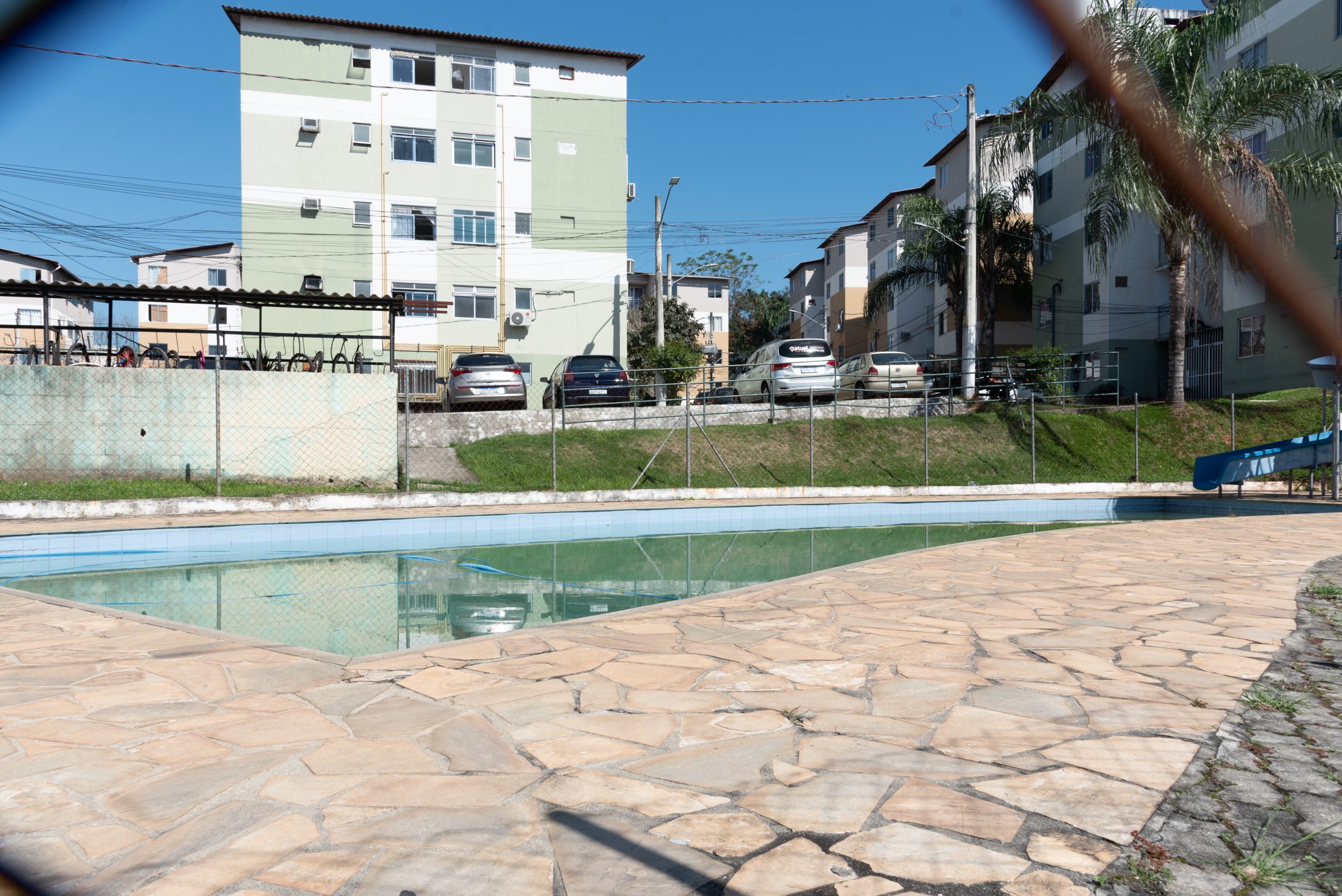
People complain a lot here because they promised so much and so many people moved here. One of the promises was a daycare, where residents could leave their kids so they could work. A little school for the children, a playground. But they didn’t build any of that. There’s a pool over there, but if you want to use it, you have to pay. I don’t know why anyone has to pay to use the pool if the pool is part of the complex. It should be free to all residents, right?
Whenever they have parties at the food stands, it gets so noisy I can’t even sleep when I’m home. It’s just a mess. A lot of the promises weren’t kept.
RioOnWatch: Do you feel like your life has improved in Parque Carioca since you moved here ten years ago? Has the City kept the facilities in good shape? Has the City made any improvements?
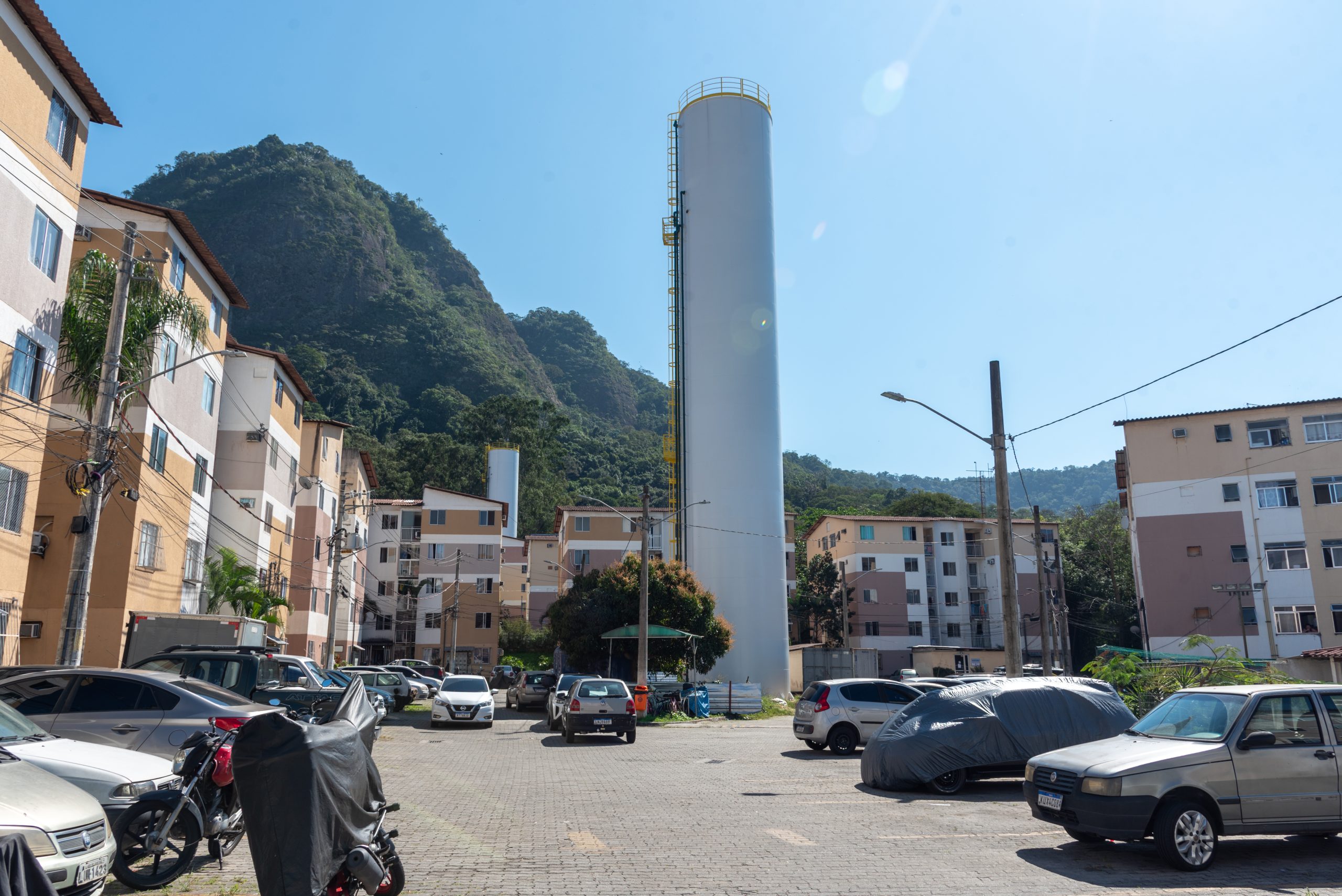
The water towers here have had problems, and the floor tiles are coming loose. There are problems with the buildings all the time. They’re not being taken care of. Now they’ve started coming around because the elections are coming up. Now the City is coming around and promising a daycare. They’re making promises, right? But the elections are in October. Do you think there’s enough time to build a daycare by October?
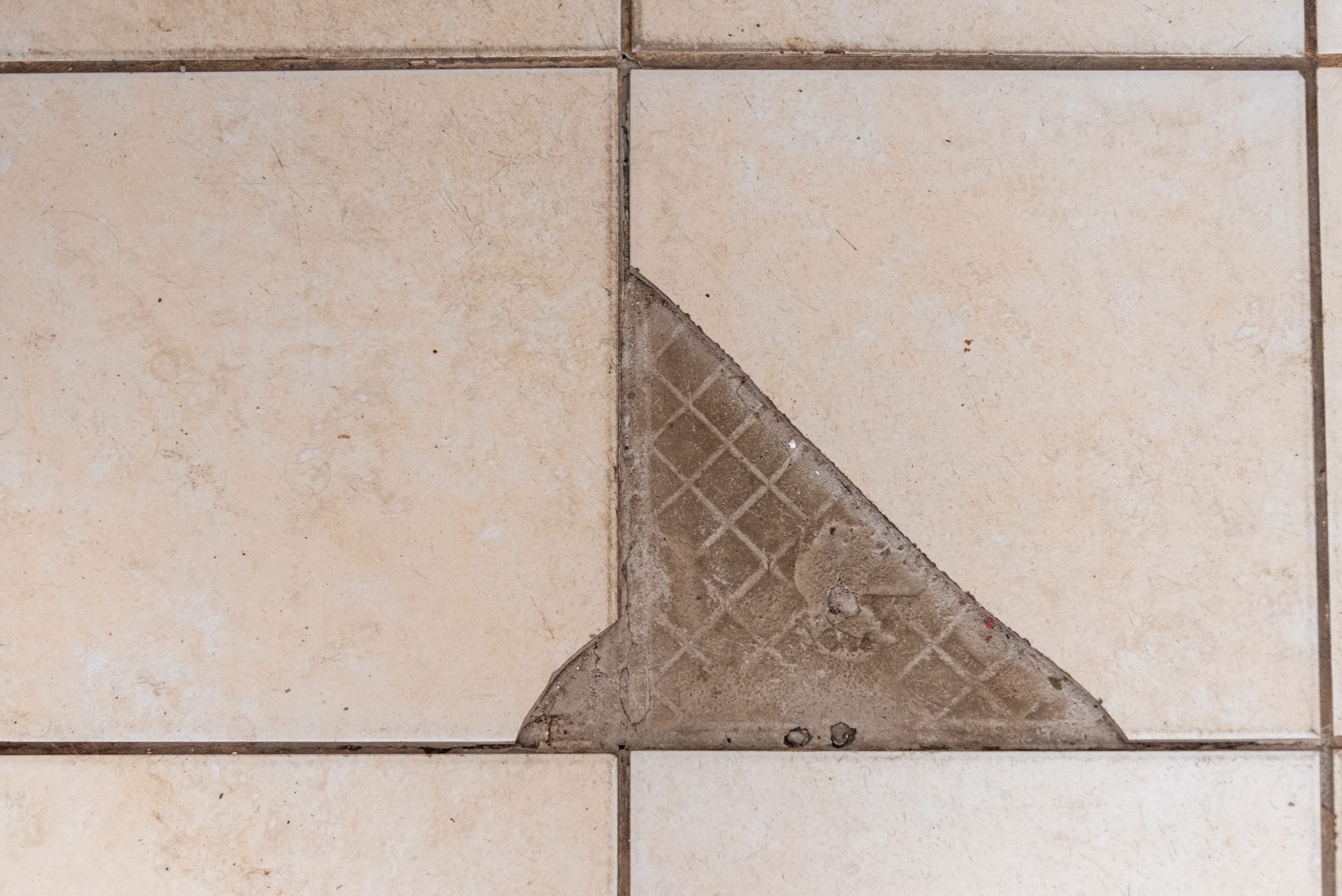
I also heard that the City came around and said they’re going to hand over the deeds for the apartments. Some people have theirs, others don’t. They’re going to have a meeting here, I think in September, to hand out the papers. People are anxious to have their documents in hand, but there are problems with water seepage, floor tiles coming loose, cracks in some buildings and overgrown weeds. And they don’t do anything about it.
RioOnWatch: Do you ever go back to visit Vila Autódromo? What do you miss about it?
Oh, I go back all the time! The Church [of São José Operário] is there, and I’m Catholic. I helped build that church. Everyone who lived there helped. I always go back, I go visit [Maria da] Penha. Whenever there are people like you who want an interview… I know what I went through, what they went through. So, I always help however I can.
I miss everything. I miss waking up in the morning, because our friend Damiana had a bakery there, the only bakery. Damiana and her whole family were part of the church. She doesn’t live here. She lives in Curicica now, but she’s at church every Sunday with her family. And when you wake up in the morning in a small place, you see everyone: “God be with you, good morning! God be with you, have a good day!” When you’re coming and going. So, that’s another thing that really makes me very sad [Conceição speaks while crying]. I don’t see anyone to say “good morning” or “good night” to here. I really miss coming home and seeing the neighbors at their doors. Before going into my house, I’d always stop at two, three houses before getting to mine: “Hi, how was your day?”
Vila Autódromo really is a family, and I miss it so much. I really miss the life I had there because it was just like the life I had in Maranhão. On weekends, everyone would get together. During the June Festival, everyone would grab a table, put it out in the street and everyone would bring a cake, some canjica, something, and we’d gather wood to make a bonfire. And then we’d stay out until late. I really felt at home there. It’s the only place that felt like my home: Vila Autódromo [Conceição speaks while crying]. This is why I don’t really like giving interviews. The memories come back and there’s no way not to get emotional.
They should have made improvements there and let people stay. Fixed up the little houses, put in sewage. The City would have spent even less if they had upgraded the community [instead of evicting people], right? I think it would have looked really nice, really pretty.
See More Pictures in the Album:
