
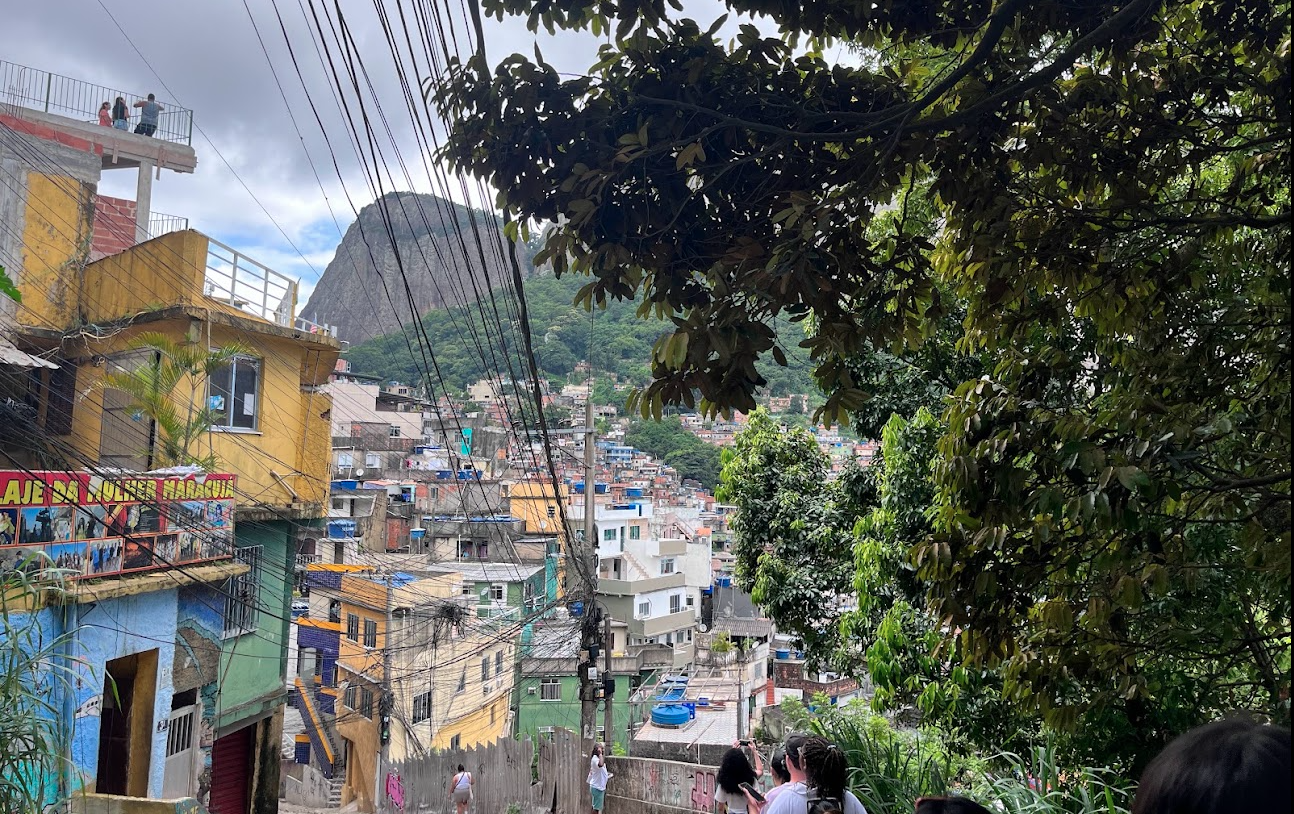

This article is part of a series on the 2026 Brazilian elections, focusing on the perspectives of Greater Rio’s favelas.
As of September 25, the ‘The City We Want’ Manifesto had received 27 signatures from candidates representing nine political parties: seven on the left, the centrist MDB and NOVO, considered to be on the right of the political spectrum. Produced by the Brazilian Institute of Architects’ Rio de Janeiro chapter (IAB-RJ) in partnership with several civil society organizations, the 1,944 candidates running in Rio de Janeiro in the 2026 elections were invited to read the manifesto and select three proposals from each thematic area to incorporate into their government agendas.
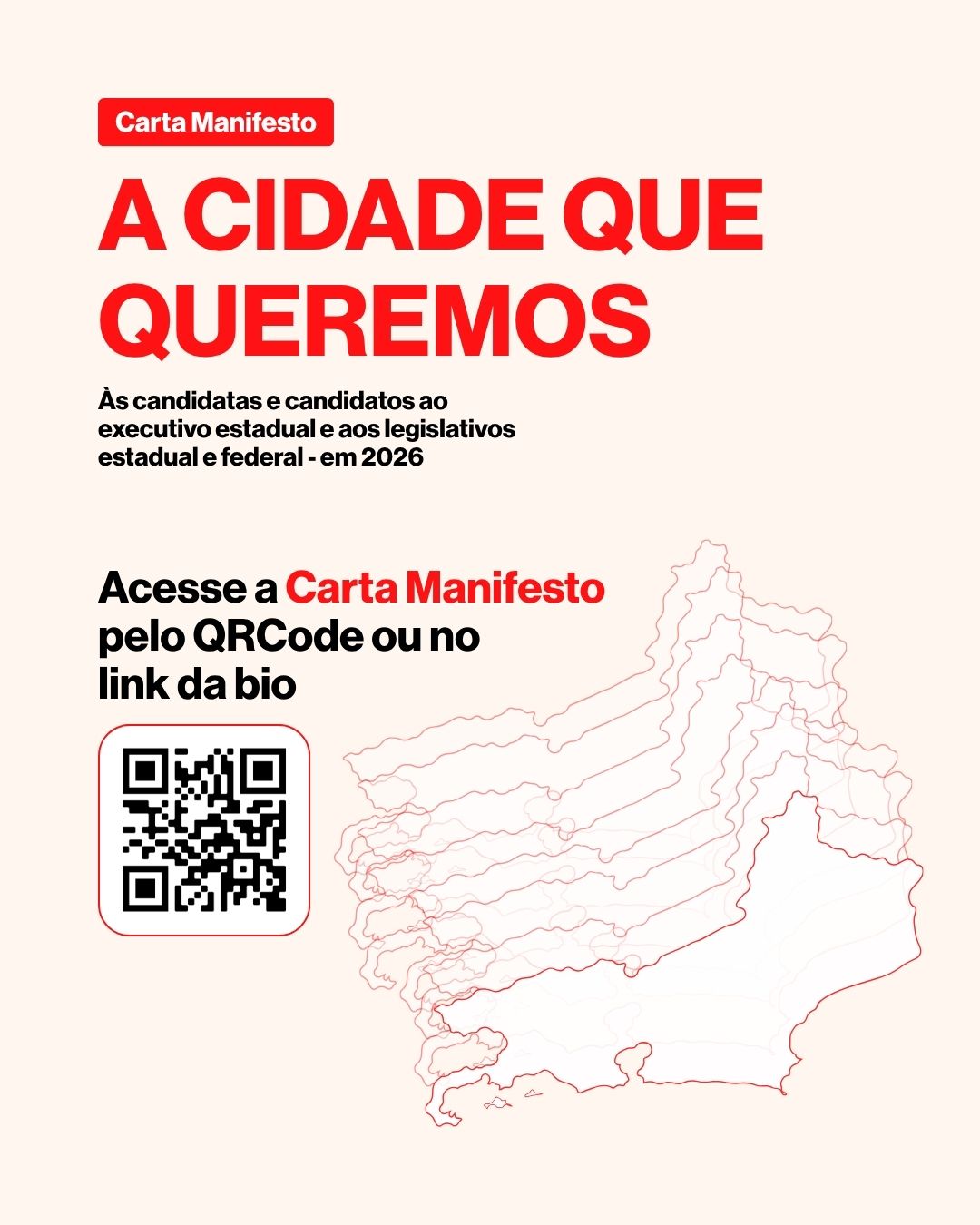
The 2026 Manifesto was launched on September 8, presenting a list of proposals organized around six thematic areas: (1) Governance, Transparency and Territorial Management; (2) Urban Reform and the Right to the City; (3) Tackling the Climate Emergency; (4) Rural Development and Food Sovereignty; (5) Urban Mobility, Social Infrastructure; and (6) Culture, Heritage, Education and the Urban Economy.
The manifesto was signed by 40 Rio de Janeiro-based institutions* that, together, are calling on all Rio de Janeiro candidates for the National Congress and the Rio de Janeiro State Legislative Assembly (Alerj) to read it and indicate which proposals they intend to work on.
The manifesto presents 53 proposals across the six thematic areas, from which candidates commit to prioritizing three in each area during their term, if elected.
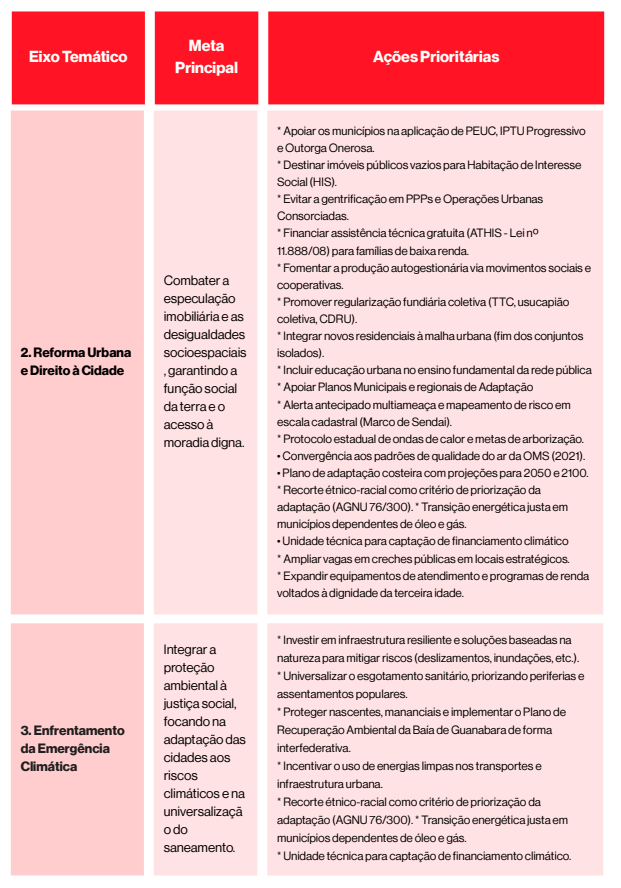
Among the thematic areas, two issues are particularly dear to RioOnWatch: Urban Reform and the Right to the City and Tackling the Climate Emergency. The main goal of the urban reform area is to “combat real estate speculation and socio-spatial inequalities, guaranteeing the social function of land and access to adequate housing.” Of the 27 candidates who signed the manifesto by September 25, 19 agreed with the proposal to “prioritize allocating vacant properties belonging to the federal, state and municipal governments to Social Interest Housing (HIS by its Portuguese acronym) through intergovernmental agreements.”
Regarding the goal of tackling the climate emergency, 23 of the 27 committed to “preparing cities for climate change through integrated risk management (landslides, flooding, coastal erosion and saltwater intrusion), prioritizing investments in resilient infrastructure and nature-based protection systems.”
Candidates Who Had Signed By September 25 Include:
| Party | No. of Candidates | Federal Deputy | State Deputady | Senator |
| MDB | 1 | Engenheiro Marcão | ||
| NOVO | 1 | Professor Murdoch | ||
| PCdoB | 1 | Dani Balbi | ||
| PDT | 2 | Axel Grael, Vitor Junior | ||
| PSB | 1 | Wesley Teixeira | ||
| PSD | 4 | Roberta Mendes | Bia Bogossian, Luiz Paulo, Pedro Duarte | |
| PT | 5 | Nísia Trindade, Tainá de Paula | Marina do MST, Verônica Lima, Zeidan, | |
| PSOL | 11 | Chico Alencar, Henrique Vieira, Rick Azevedo, Tarcisio Motta, Willians Douglas | Dani Monteiro, Flavio Serafini, Luciana Boiteux, Renata Souza, Yuri Moura | Mônica Benício |
| REDE | 1 | De Loys |
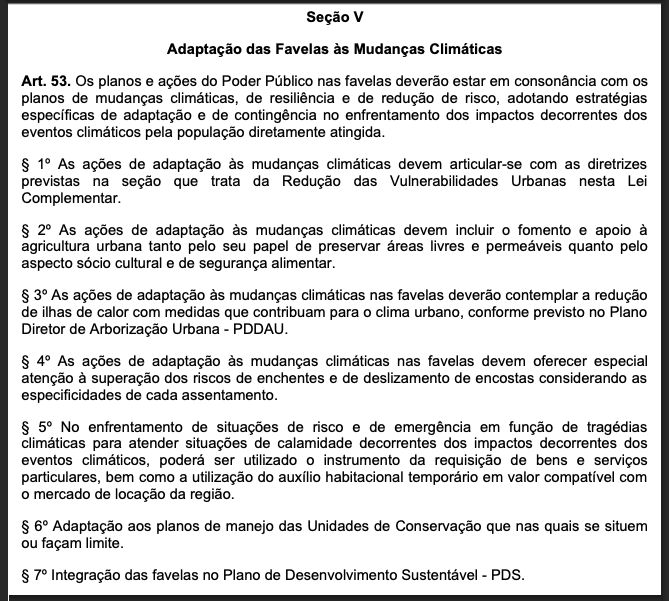
Coordinated by the IAB-RJ, the initiative brings together an average of 30 organizations every election cycle. The manifesto’s previous version called for favelas to be incorporated into the city’s planning, influencing Rio’s 2024 Master Plan, which addressed these communities in several provisions, particularly in the context of climate change.
Another initiative, first proposed in the manifesto’s inaugural edition, is the Rio de Janeiro State Urban Agenda Collective Observatory. Launched in 2022, the project aims to promote an inclusive urban agenda through which citizens and interested organizations can monitor the implementation of public policies across the state’s 92 municipalities. The Observatory allows civil society organizations and the public to track the status of projects and legislation and provides data for generating indicators about communities. Although the proposal was not implemented by the elected officials at the time, it was carried forward by the collectives that originally conceived it. Today, it has a publicly accessible georeferenced platform providing access to this data.
A member of the Revive São Gonçalo collective, Tais Matos explains why she took part in drafting the manifesto. Although her city—São Gonçalo, located across Guanabara Bay in what is called the Leste Fluminense region—has nearly 900,000 residents and is the second most populous in the state, it remains invisible due to a lack of interest from public officials: “It’s very common for people to refer to São Gonçalo as that area next to Niterói. People often only come in contact with places farther away because they need to make a living. [That’s why I focus on] the [manifesto’s] mobility and integration theme.”
Alex Magalhães, a professor at the Federal University of Rio de Janeiro (UFRJ), says the manifesto also has the potential to engage professionals working on urban policy: “The manifesto brings the urban issue into the political debate, where it does not have a strong presence. The urban problem is glaring, but discussion around it is very limited. So, the manifesto can raise awareness among society and institutions about the issue. We need legislators who are committed to it and present in urban conflicts. There is a widespread lack of understanding about how to organize urban policy. The manifesto can be a tool for drawing attention to the need for public officials to receive political training on this issue.”
*Among the organizations requesting responses from candidates are: Brazilian Association of Landscape Architects; Brazilian Association for Architecture and Urban Planning Education (ABEA); Brazilian Association of Women Engineers and Architects of Rio de Janeiro State (ABEA-RJ); Brazilian Association of Architecture Firms (AsBEA); Friends of the Leopoldina Zone; Preventório Bank; Casa Fluminense; Fala Akari Collective; Rio de Janeiro Council of Architecture and Urban Planning (CAU-RJ); Catalytic Communities (CatComm); Federation of Residents’ Associations of the Municipality of Rio de Janeiro (FAM-Rio); Bento Rubião Foundation; Urban Planning and Territorial Development Research Group (GEDUR-UFRRJ); Brazilian Institute of Municipal Administration (IBAM); Brazilian Institute of Urban Law (IBDU); Brazilian Institute of Architects (IAB-RJ); Brazilian Institute of Social and Economic Analysis (IBASE); Institute for Transportation and Development Policy (ITDP); Law and Urbanism Laboratory (LADU); Transcultural Landscape and Place Laboratory (Lapalu); Laboratory for the Study of Transformations in Brazilian Urban Law (LEDUB-UFRJ); Center for Housing and Urban Studies and Projects (NEPHU-UFF); Social Observatory of Brazil—Região dos Lagos; UN-Habitat; Housing and Favelas Pastoral Committee; Patativas Group; Rio de Janeiro State Society of Engineers and Architects (SEAERJ); Rio de Janeiro Union for Popular Housing; and Revive São Gonçalo.
About the author: Amanda Baroni Lopes is a journalism student at Unicarioca and was part of the first Journalism Laboratory organized by Maré’s community newspaper Maré de Notícias. She is the author of the Anti-Harassment Guide on Breaking, a handbook that explains what is and isn’t harassment to the Hip Hop audience and provides guidance on what to do in these situations. Lopes is from Morro do Timbau and currently lives in Vila do João, both favelas within the larger Maré favela complex.