
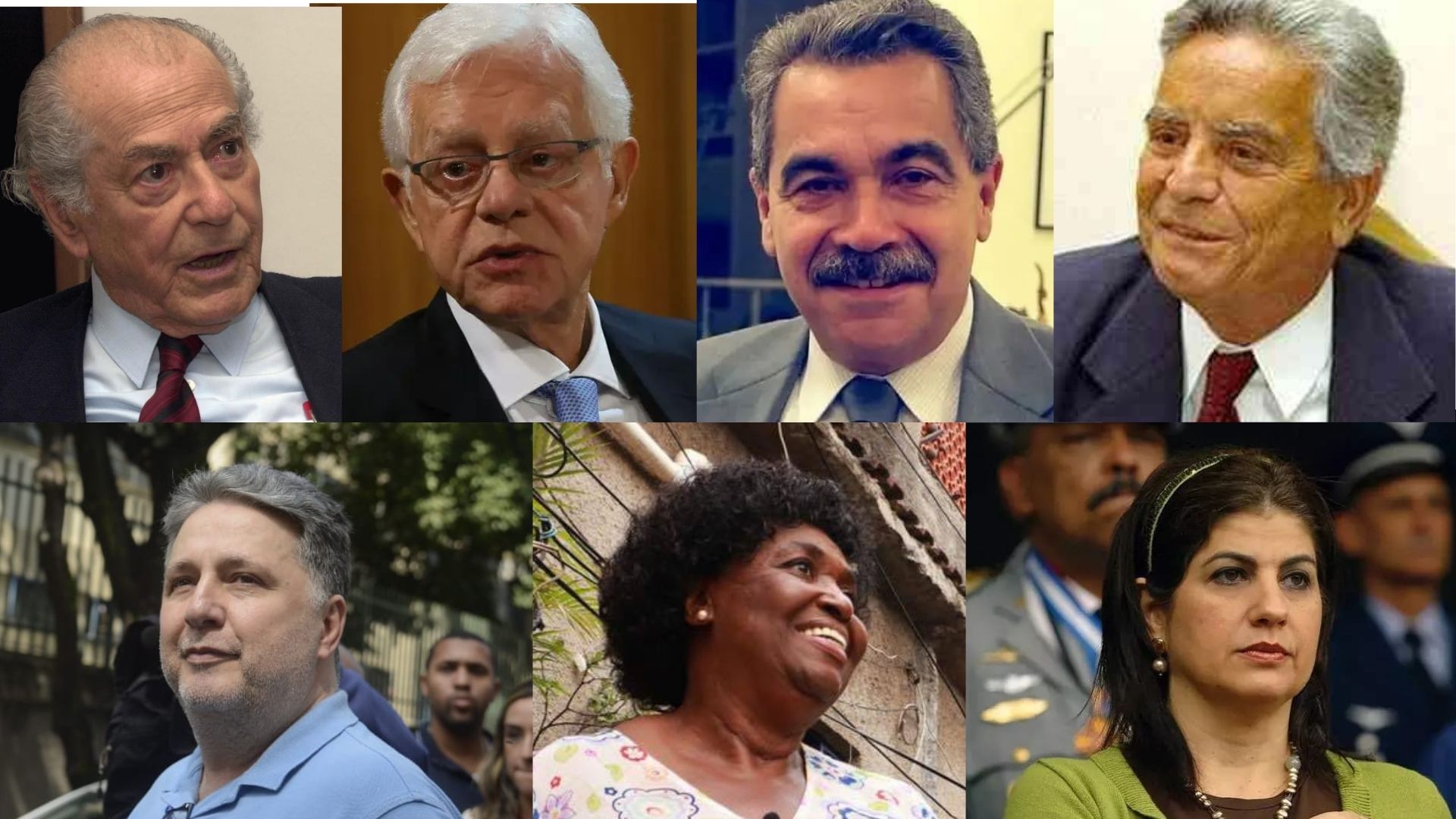

This article is part of a series on the 2026 Brazilian elections, focusing on the perspectives of Greater Rio’s favelas. It is also the first installment of a two-part article on the history of public security failures in Rio de Janeiro since Brazil’s return to democracy.
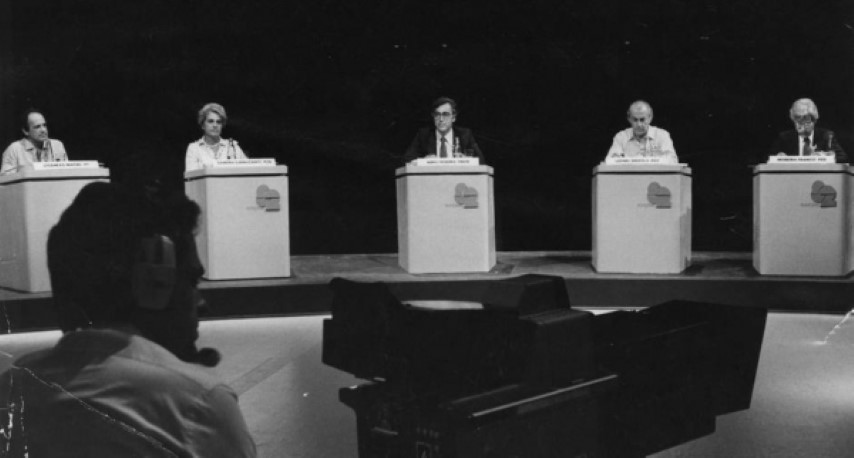
Brazil’s 21-year military dictatorship ended in 1985, when the first civilian president since the 1964 coup was elected through an indirect election by the National Congress. José Sarney’s inauguration marked Brazil’s return to federal-level democracy.
Within the nation’s states, however, the first direct elections for governor took place while the military was still in power, near the end of the regime, in 1982.
Since the return to full democracy in 1985, over 40 years ago, every elected governor has promised to put an end to crime. Yet they have almost always resorted to the same strategies, resulting in ineffective public security policies and dismal outcomes in public security statistics. These failures have systematically had a deadly impact on favelas and peripheral areas, particularly on Black youth.
Leonel Brizola (1983–1987)
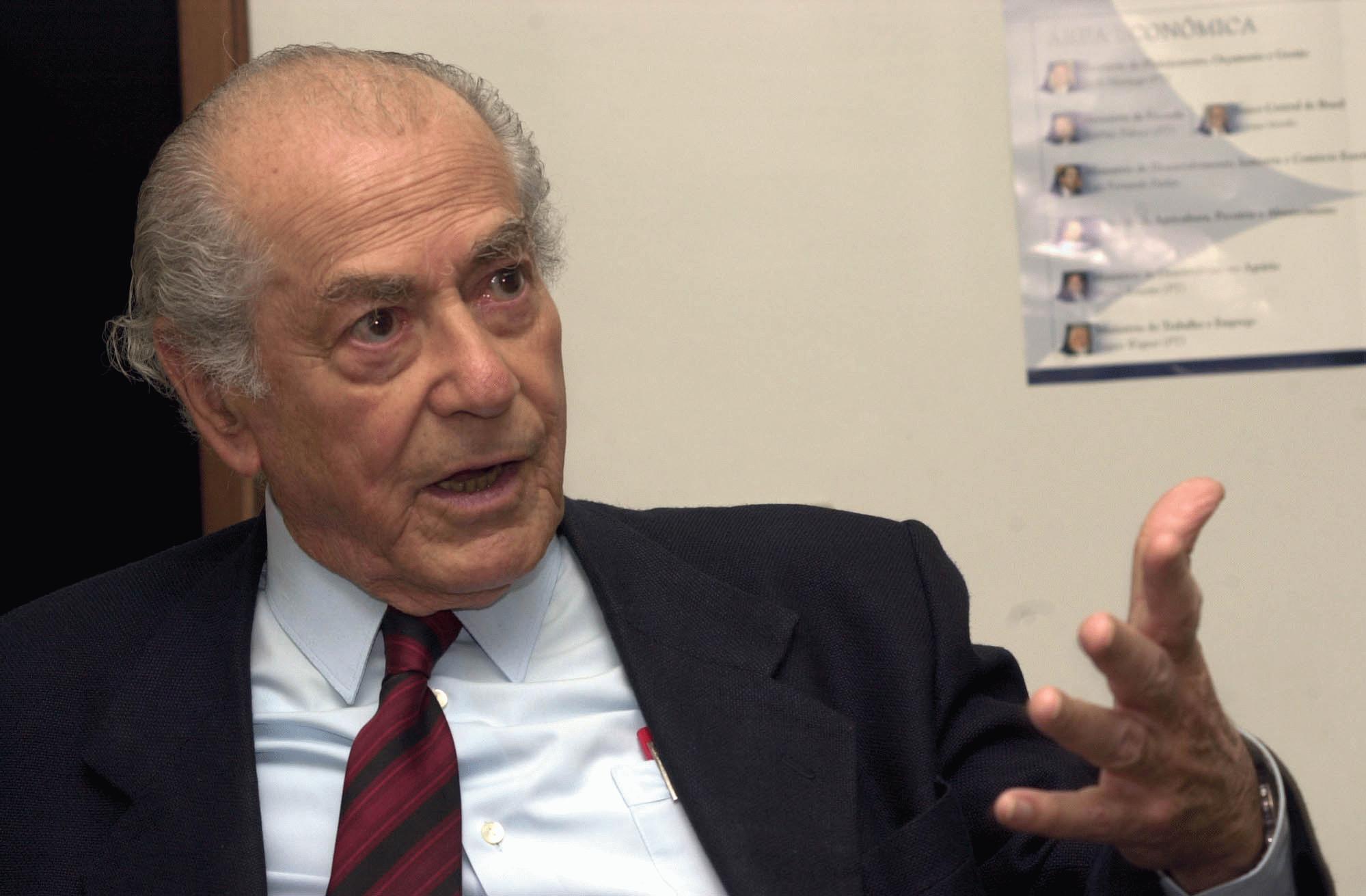
Recently returned from exile, Leonel Brizola was elected governor of Rio de Janeiro in 1983. His victory placed one of the military regime’s leading opponents inside Guanabara Palace. Taking office in March 1983, Brizola began his term as governor of Rio while the dictatorship was still in power but beginning its process of political opening. It was within this context that he made the defense of democracy and human rights pillars of his administration.
Brizola tried to break with the tradition of a police force conceived as an instrument of repression and control of poor populations, and with corruption within the police forces. One of his first measures was to remove Rio de Janeiro’s public security structure from Army control. Under the guidance of Colonel Carlos Magno Nazareth Cerqueira of the Rio de Janeiro Military Police (PMERJ), his administration advocated for civilian control of the police, with a preventive approach guided by respect for human rights. Brizola took a strong stand against home invasions, violent operations in favelas and the killing of Black and favela youth.
The results, however, drew strong criticism and remain at the center of one of the main controversies with regard to public security in Rio de Janeiro, since the public’s perception of insecurity increased. The administration faced strong opposition from sectors of the police, the press and conservative groups that accused Brizola of being lenient on crime and preventing police action in favelas. Thus, Brizola’s first administration failed to consolidate a democratic and effective public security model that would bring about a sustained reduction in crime while respecting human rights, as promised. It was unable to establish a democratic transition within Rio de Janeiro’s public security apparatus.
Moreira Franco (1987-1991)
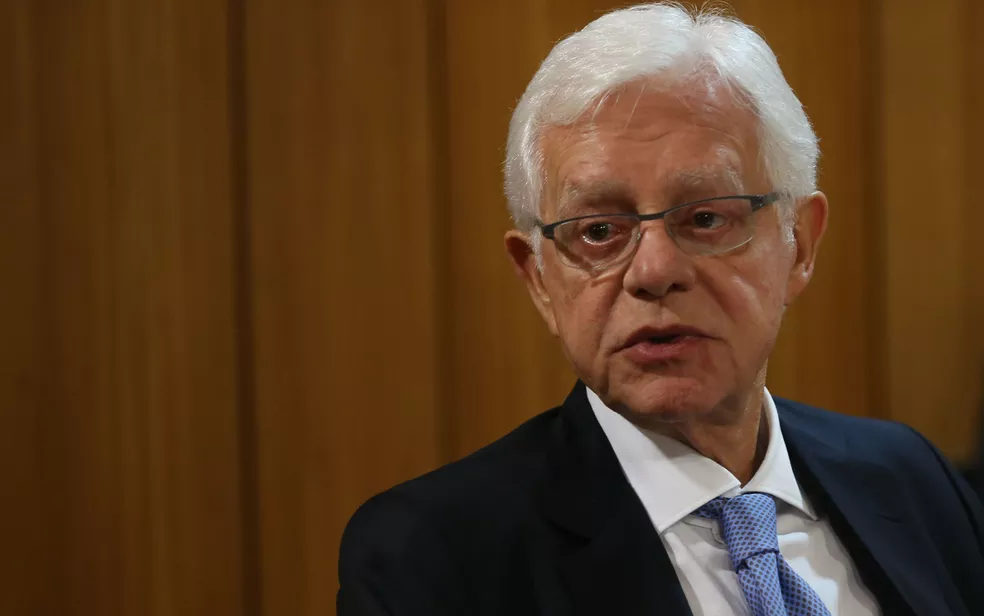
Moreira Franco was elected in 1986 after promising to end violence within six months. He was the first governor elected during the democratic period on a crime-ending platform.
Using the slogan “restoring the State’s authority,” he failed resoundingly. His approach focused on police repression and the war on drugs. The Acari Massacre took place during his administration on July 26, 1990, leaving eleven young people dead, seven of them minors.
This new public security policy resulted in an increase in violent death rates. Between the beginning and the end of his term, the homicide rate jumped 39%, an alarming figure that paved the way for Leonel Brizola’s return to Guanabara Palace in the early 1990s.
Leonel Brizola (1991-1994)
Leonel Brizola was once again elected following Moreira Franco’s departure. This time, Brizola promised to “confront criminals,” invest in education in vulnerable areas and be “even more vigorous” in fighting corrupt police officers involved in death squads.
His administration sought to bring the police closer to communities and strengthen community policing. Between 1993 and 1994 a pilot project was implemented in Copacabana, with 60 police officers assigned to a proximity policing initiative. The initiative, however, faced strong resistance within PMERJ itself and ended up being treated as an isolated project, without producing structural reform. Brizola also created the Anti-Kidnapping Police Unit, the precursor to what would become the Disque-Denúncia crime hotline, and, in 1991, the Special Operations Battalion (BOPE), conceived to respond to more serious situations.
However, Leonel Brizola was unable to resolve the issue of violence. The most dramatic moment came in 1993, with the Candelária Massacre and the Vigário Geral Massacre, both involving police officers—events that deepened the public security crisis and directly damaged the Brizola administration’s image. Police violence exposed one of the central contradictions of the governor’s policy: although the administration advocated for a democratic police force, it struggled to control an institution still marked by authoritarian practices and internal resistance to redemocratization. Less than a year after what were then the two deadliest massacres in the state, Brizola resigned as governor in 1994 to run for president.
Nilo Batista (1994-1995)
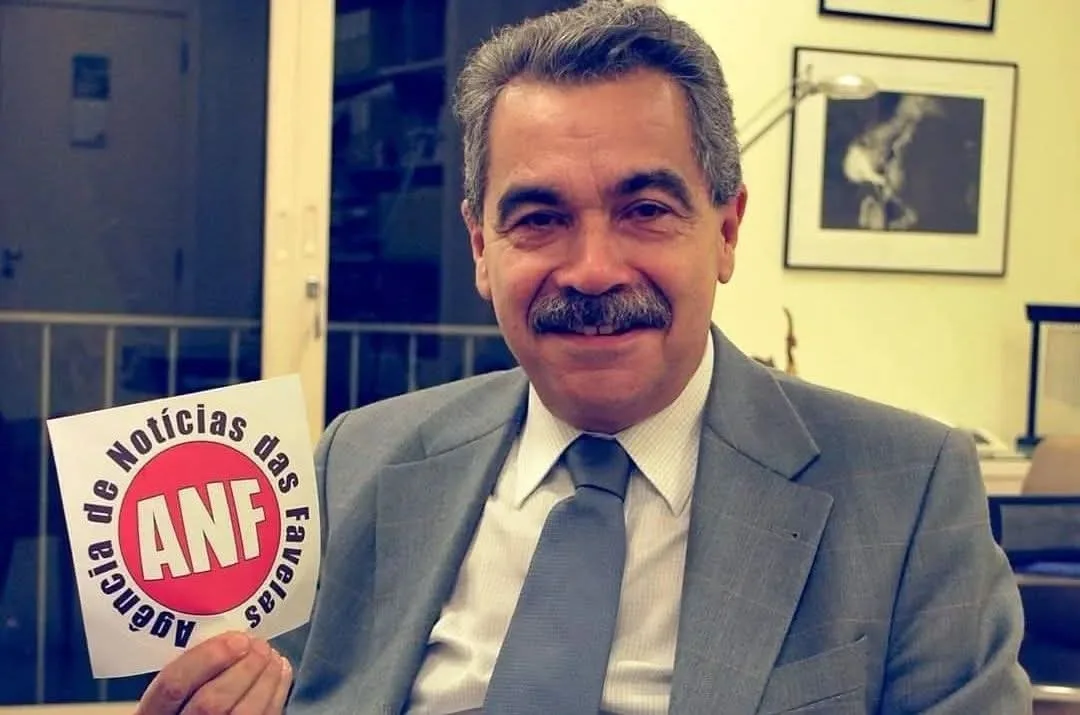
Vice Governor Nilo Batista, a criminal defense lawyer and public security expert, took office but fared no better. He served only nine months, completing the remainder of Brizola’s term. Batista did not run for reelection.
At the time, Rio was experiencing Operation Rio 1, the first of several deployments of the Armed Forces in Rio’s public security since redemocratization. Against the governor’s wishes, as he continued Brizola’s public security policy, a federal intervention was declared.
During his brief interim administration, in 1994, he created the Community Centers for the Defense of Citizenship (CCDCs), a project that sought to bring legal, police, identification and banking services to poor communities. The initiative reflected a concept of public security that was not limited to criminal repression but sought to bring the State closer to the population.
For many, the federal intervention was imposed by then-President Itamar Franco for electioneering purposes.
The generals promised to put an end to the power of drug traffickers and corrupt police officers. But with no reduction in crime and an operation marked by abuses, Operation Rio 1 came to a controversial end, without having a positive impact on public security statistics.
Itamar Franco did achieve his political objective with Operation Rio 1, however. Despite its failure from a public security standpoint, the operation helped boost Marcello Alencar’s campaign for governor of Rio, in opposition to Brizola and Nilo Batista, who by then had come to be associated with the collapse of public security.
Marcello Alencar (1995-1998)
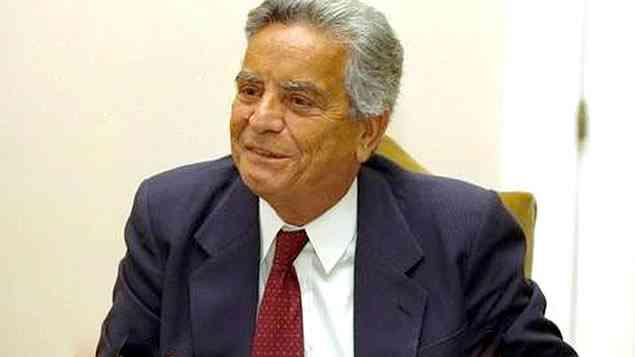
Marcello Alencar’s public security policy marked a shift away from the human rights approach associated with previous administrations. With a strong “law and order” discourse, Alencar linked restoring public security to rebuilding the confidence of business leaders and investors in Rio. His administration initially maintained Operation Rio 1 and later moved on to Operation Rio 2, both involving the Armed Forces. He reorganized the Public Security Secretariat, appointing two retired generals to head it: Euclimar da Silva and, later, Nilton Cerqueira, known for commanding killings such as that of Carlos Lamarca during the military dictatorship and for his controversial statements.
Alencar’s strategy combined incentives for the summary execution of suspects by police, increased overt policing and repression in favelas—with no focus on intelligence.
The most controversial aspect of this policy was the “Wild West Bonus.” In November 1995, Alencar issued Decree No. 21,753, which granted financial benefits to police officers who killed suspects during operations. The measure was considered largely ineffective and was heavily criticized. In 1995, Rio de Janeiro’s homicide rate was the highest ever recorded in the state’s history: 61.7 per 100,000 inhabitants.
To provide legal justification for their actions, police forces began using the legal mechanism known as the auto de resistência (resistance incident report), a term created during the dictatorship to cover up murders carried out by the regime. On top of all this, death squads were strengthened as they found a source of public funding for their killings.
Anthony Garotinho (1999-2002)
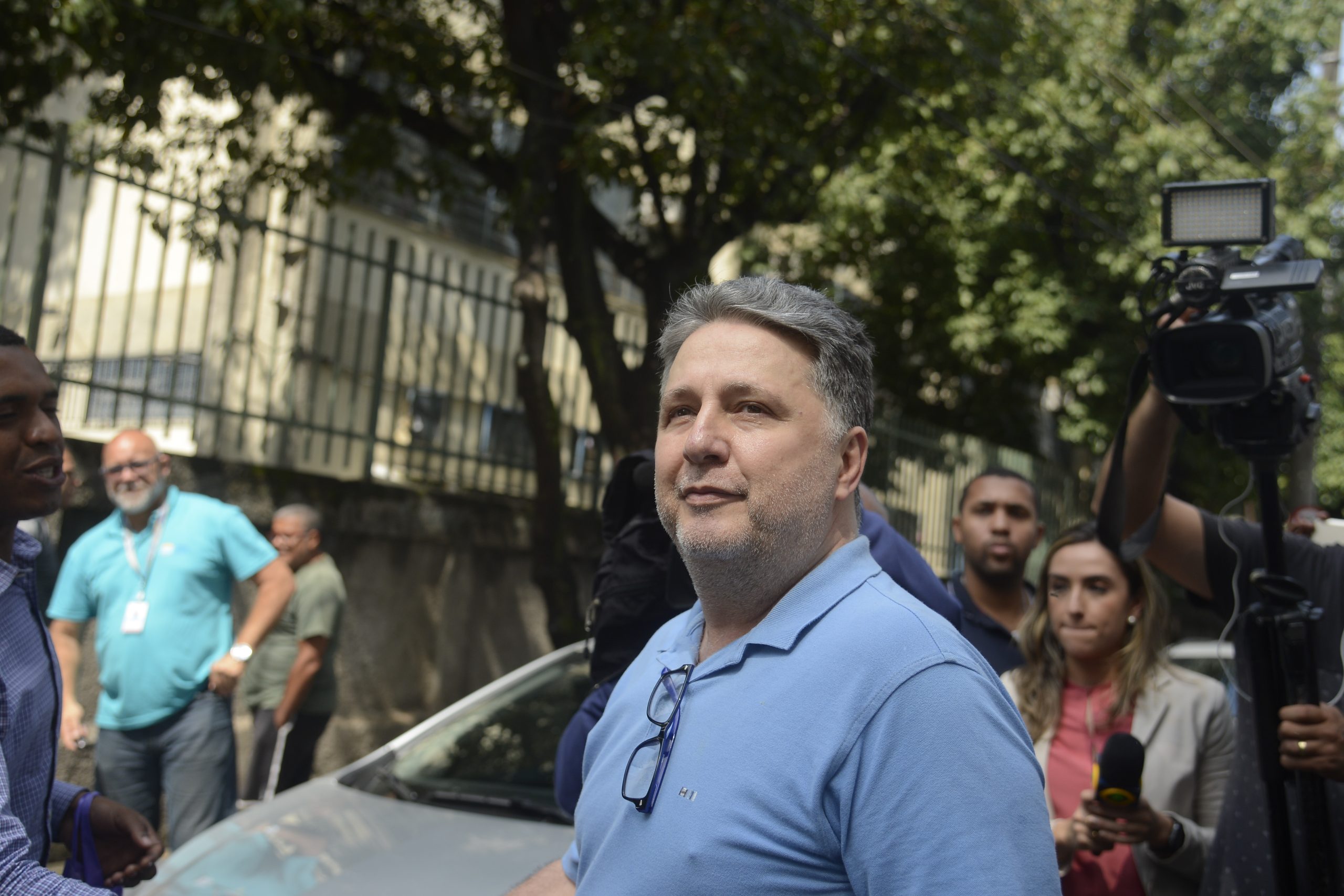
In 1998, with homicides reaching 55.3 per 100,000 inhabitants, candidate Anthony Garotinho proposed an “alternative military service,” recruiting youth who had not been selected by the Army. The plan never moved forward and was met with bewilderment.
Once elected, Anthony Garotinho’s public security policy initially represented an attempt to break with the predominantly repressive approach that had marked Marcello Alencar’s administration. Elected on a platform that combined police efficiency, human rights and the reform of security institutions, Garotinho appointed sociologist Luiz Eduardo Soares to coordinate public security policy and invested in intelligence, community policing, oversight of police activity and fighting corruption.
Initiatives during this period included the creation of the Integrated Public Security Areas (AISP), the Public Security Institute (ISP), the Legal Police Stations and the Community Security Councils. The Peace Collective Action was initially implemented in the Vila Pereira da Silva favela, known as Pereirão, seeking to combine a permanent police presence with public services and closer relations with favela residents. The initiative ultimately gave rise to the Youth for Peace program.
The experience, however, was marked by strong contradictions and eventually lost some of its reformist momentum. The proposal for an “intelligent police force,” based on information and prevention, faced internal resistance from the police forces, while the public security crisis and high-profile incidents such as the Bus 174 hijacking put pressure on the administration.
In 2000, the creation of the Special Areas Policing Group (GPAE), inspired by the philosophy of community policing and initially implemented in the Pavão-Pavãozinho and Cantagalo group of favelas, represented an attempt to establish a police presence less reliant on confrontation. At the same time, police lethality began to rise again during his administration, which lasted until he resigned in 2002.
Benedita da Silva (2002-2003)
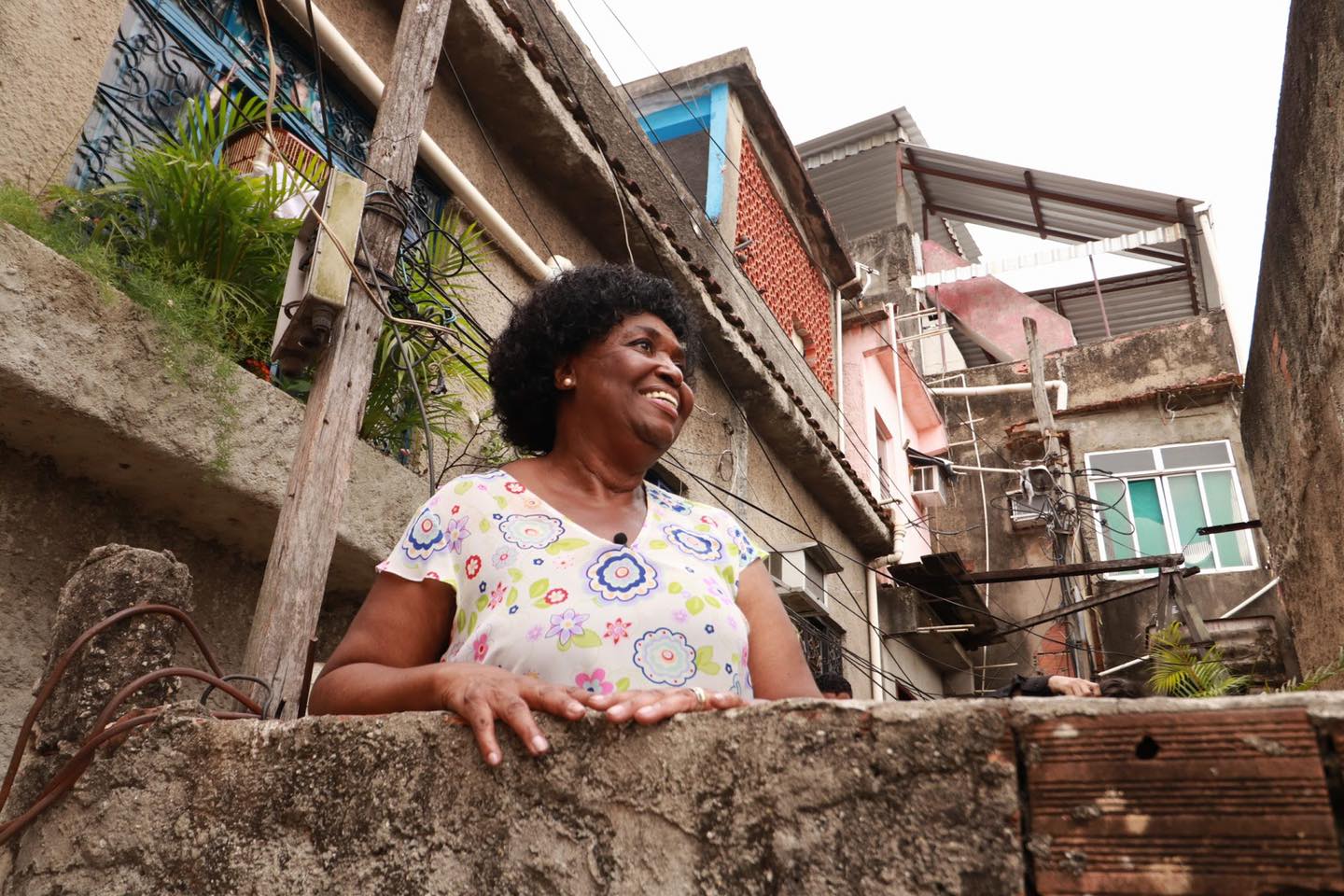
In 2002, then-Vice Governor Benedita da Silva took office at Guanabara Palace, becoming the first and only Black woman to govern Rio de Janeiro. A native of the Praia do Pinto favela, from which she was forcibly removed with her family, she is the only Rio de Janeiro governor to have been born and raised in a favela. Growing up in Chapéu Mangueira favela, in Leme, she worked as a street vendor and domestic worker and earned a degree in Social Work. In addition to serving as vice governor and governor, she became Rio’s first Black city councilwoman in 1982. She was the only Black legislator to serve in the Constituent Assembly between 1987 and 1988, became Brazil’s first Black woman senator in 1994, served several terms as a federal deputy and became the first federal minister born and raised in a favela.
Benedita da Silva’s public security policy was marked by an attempt to combine the fight against organized crime with human rights and social policies. Upon taking office, da Silva inherited a severely deteriorating public security situation and sought to revive initiatives linked to the period when Luiz Eduardo Soares had participated in shaping the Garotinho administration’s public security policy, such as the Peace Collective Action. However, the situation was extremely unstable, with attacks by criminal organizations, which opened fire on Rio City Hall, staged prison uprisings and murdered journalist Tim Lopes.
As a result, the governor ultimately opted for open confrontation with criminal factions. Despite an administration that lasted only a few months and was unable to change the state’s public security situation, Benedita da Silva is still recognized as the last living former governor never to have been arrested, alongside Nilo Batista. She was the only governor in the state’s history to hand over the gubernatorial sash to another woman.
Rosinha Garotinho (2003-2006)
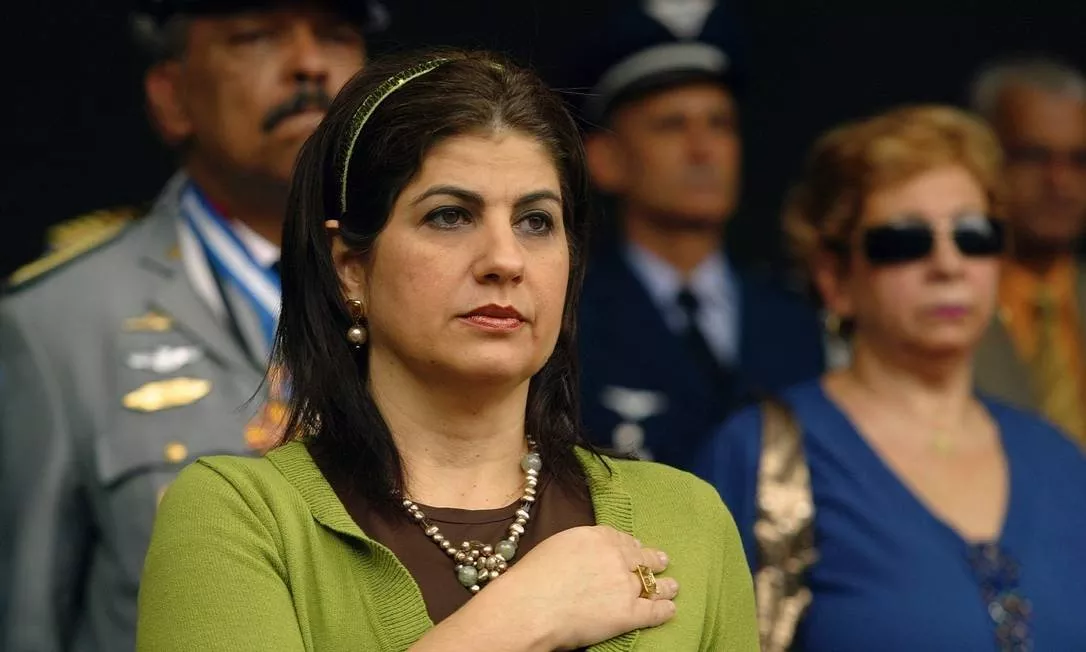
Not having been reelected in the 2002 elections, Benedita da Silva handed over the gubernatorial sash to her successor, Rosinha Garotinho, as Rosinha Matheus, wife of former Governor Anthony Garotinho, was known. Upon taking office in 2003, Rosinha appointed her husband, who had good relations in Brasília, as public security secretary, fearing another federal intervention.
Violence rates remained high and a new force began expanding in Rio: the militias. Vigilante groups formed by off-duty police officers, former police officers, firefighters and former firefighters, by 2004, they already controlled six favelas in Rio de Janeiro.
The governor’s public security policy was marked by the return and intensification of a strategy of overt policing and armed confrontation, in contrast to community policing initiatives that had gained ground under the previous administration. Faced with escalating attacks by drug trafficking groups, the administration increasingly relied on large-scale police operations, favela occupations and a strengthened intelligence and surveillance apparatus.
The GPAE initiative, which sought to establish a police presence closer to residents, remained in place but lost prominence with the return to a policy of confrontation. During Rosinha’s administration, the use of armored vehicles—caveirões—was widely denounced as platforms for killing rather than vehicles to protect officers during operations.
During Rosinha’s administration, the Baixada Fluminense Massacre took place, in which 29 people—male, female, youth and adults ranging in age from 13 to 64—were brutally murdered by police officers. With her administration unpopular as her term came to an end, Rosinha did not seek reelection. She did, however, get her candidate elected to Guanabara Palace: Sérgio Cabral.
Over these 21 years, from redemocratization through the end of the Rosinha Garotinho administration, the promise of confronting crime spanned different political projects, from left to right, from the defense of human rights to the militarization of public security, with fledgling and isolated community policing initiatives along the way. All the governors during this period shared a commitment to the war on drugs, however—and a failure to make this policy work.
Come back for Part 2, covering 2007-2026, from Governor Sérgio Cabral to Ricardo Couto.
About the authors:
Carla Regina Aguiar dos Santos was born and raised in Morro do Turano. Her work as a community journalist prioritizes the day-to-day happenings in favelas. Reporting what goes on beyond the view of traditional media, she has contributed to the Favela News Agency (ANF), A Pública, Eu, Rio! and Terra. She received the ANF Award for journalism in the culture category and the Neuza Maria Award for Journalism.
Julio Santos Filho has been Chief Editor of RioOnWatch since 2020. Holding a bachelor’s degree in International Relations (UFF) and a master’s degree in Sociology (IESP-UERJ), in 2021 he edited the award-winning series “Rooting Anti-Racism in the Favelas.” This project won silver at The Anthem Awards in the Diversity, Equity, and Inclusion category for Best Local Awareness Program, the Megafone Activism Award for Best Independent Media Report, and two motions of praise and recognition from the Rio de Janeiro City Council’s Special Commission to Combat Racism.