

This article is part of a series on the 2026 Brazilian elections, focusing on the perspectives of Greater Rio’s favelas.
Did you know that next Sunday, Brazilians will vote for two of their three senators, who will hold office for most of the coming decade, deciding what can—and cannot—be invested in the nation’s communities? What does the Senate actually do, and what is the difference between a senator and a federal deputy? Why is the vote for senator so important? What should we focus on when looking over their proposals? And lastly, who are the candidates in Rio de Janeiro? These are the questions we will answer in this explainer, below.
What Is the Senate?
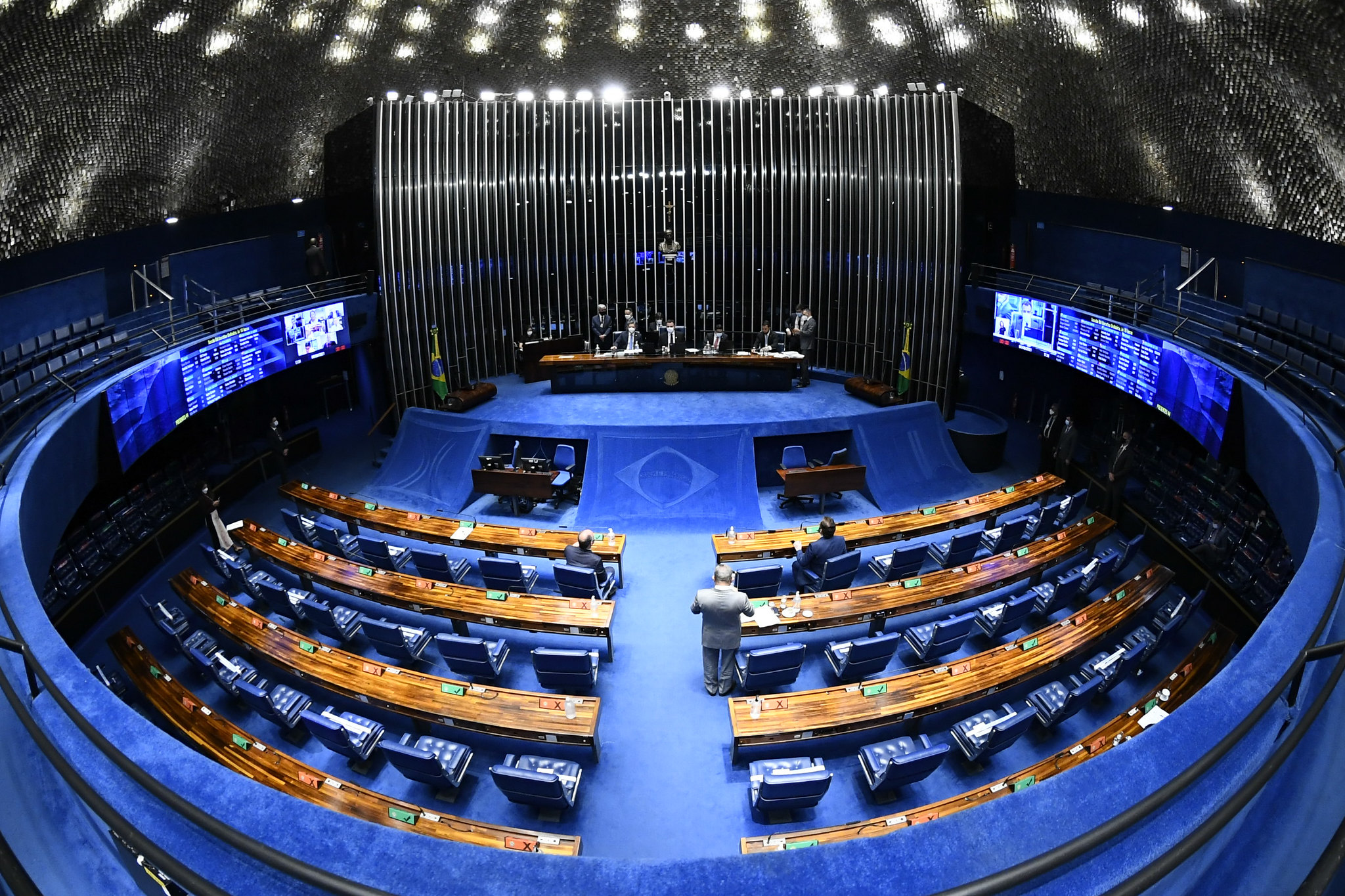
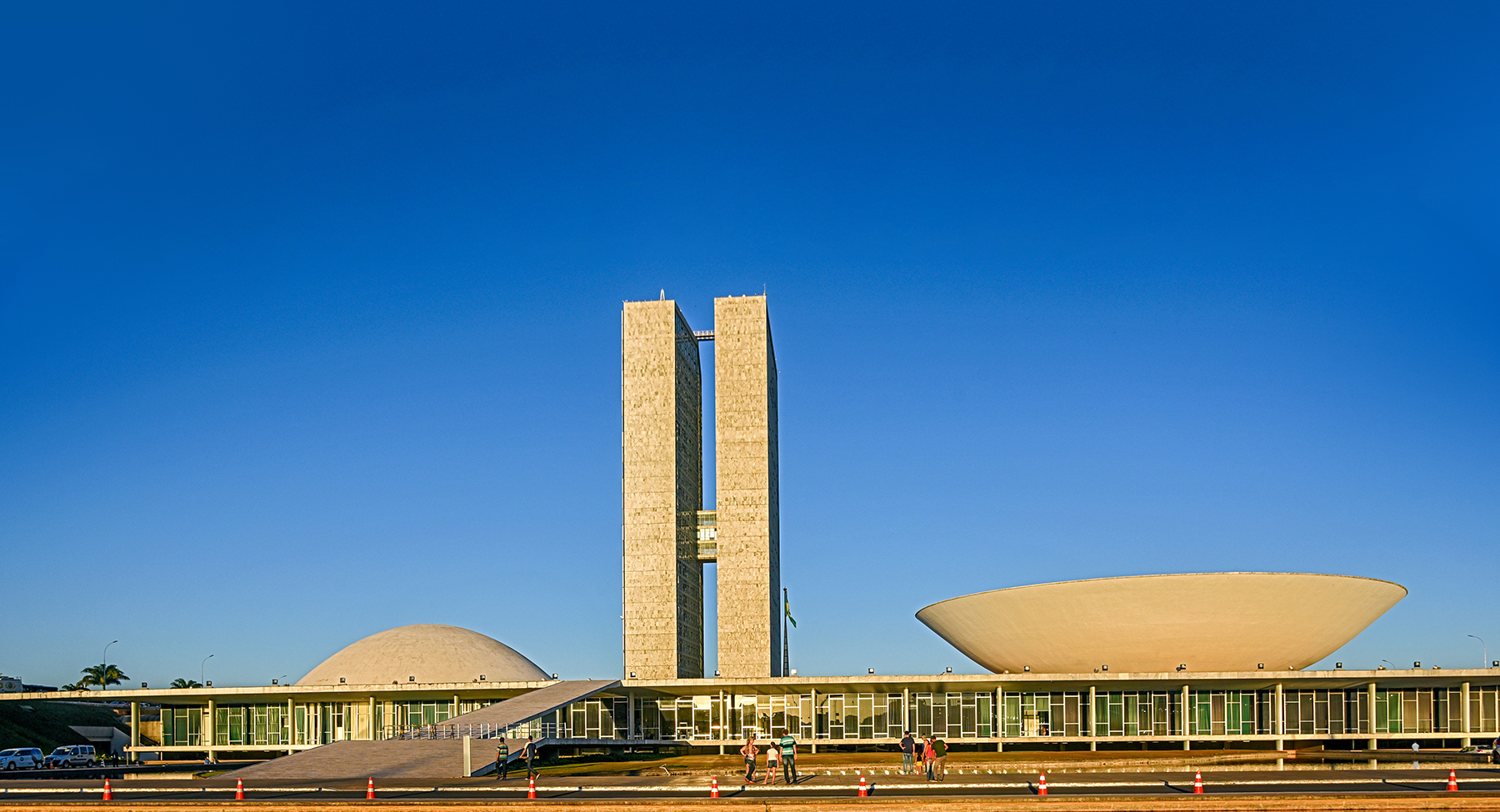
The Federal Senate is one of the two houses of the Brazilian National Congress. The other is the Chamber of Deputies. Together, they make up the federal Legislative Branch. However, federal deputies and senators are not elected in the same way, do not serve terms of the same length, do not have the same exact responsibilities and play different roles in how the country works. While federal deputies represent the population of their states, senators represent states as a whole, plus the Federal District of Brasília.
That is why the Senate has 81 members: each of Brazil’s 27 federative units (26 states and the Federal District) elects three senators, regardless of the size of its population. In this manner, Rio de Janeiro and Roraima, for example, have the same number of senators and, therefore, the same decision-making power in the Senate. [Meanwhile, the Chamber has 513 federal deputies, representing the populations of their states proportionally.] The idea is to guarantee equal representation to the country’s federative units. In the Senate, the principle is not “the larger the population, the more representatives,” but rather “each state has the same number of representatives.”
What Is the Difference Between Electing a Senator and a Federal Deputy?
Both are members of the National Congress and have similar roles, such as drafting and voting on laws, overseeing the federal government and participating in decisions on the federal budget. But there are important differences.
As mentioned, a federal deputy represents the population of their state in the Chamber of Deputies. The number of deputies from each state varies according to its population. A senator, on the other hand, represents the state as a federative unit.
Another important difference is the length of their terms: federal deputies are elected for four years, while senators are elected for eight. The entire Chamber is renewed every four years, while the Senate alternates between renewing one-third and two-thirds of its members every four years. If voters elect one senator in one election, they will elect two in the next general election. For example, in 2026, voters will elect two senators per state, resulting in the renewal of a majority of the Senate.
The electoral system also differs. Federal deputies are elected through the proportional representation system, in which the number of votes received by a party or federation influences how seats are distributed. In other words, in the Chamber, the number of votes received by a political party helps determine who is elected. Senators, on the other hand, are elected through the majoritarian system: in 2026, the two candidates who receive the most votes will win the Senate seats, regardless of their party or party ticket.
What Does a Senator Actually Do?
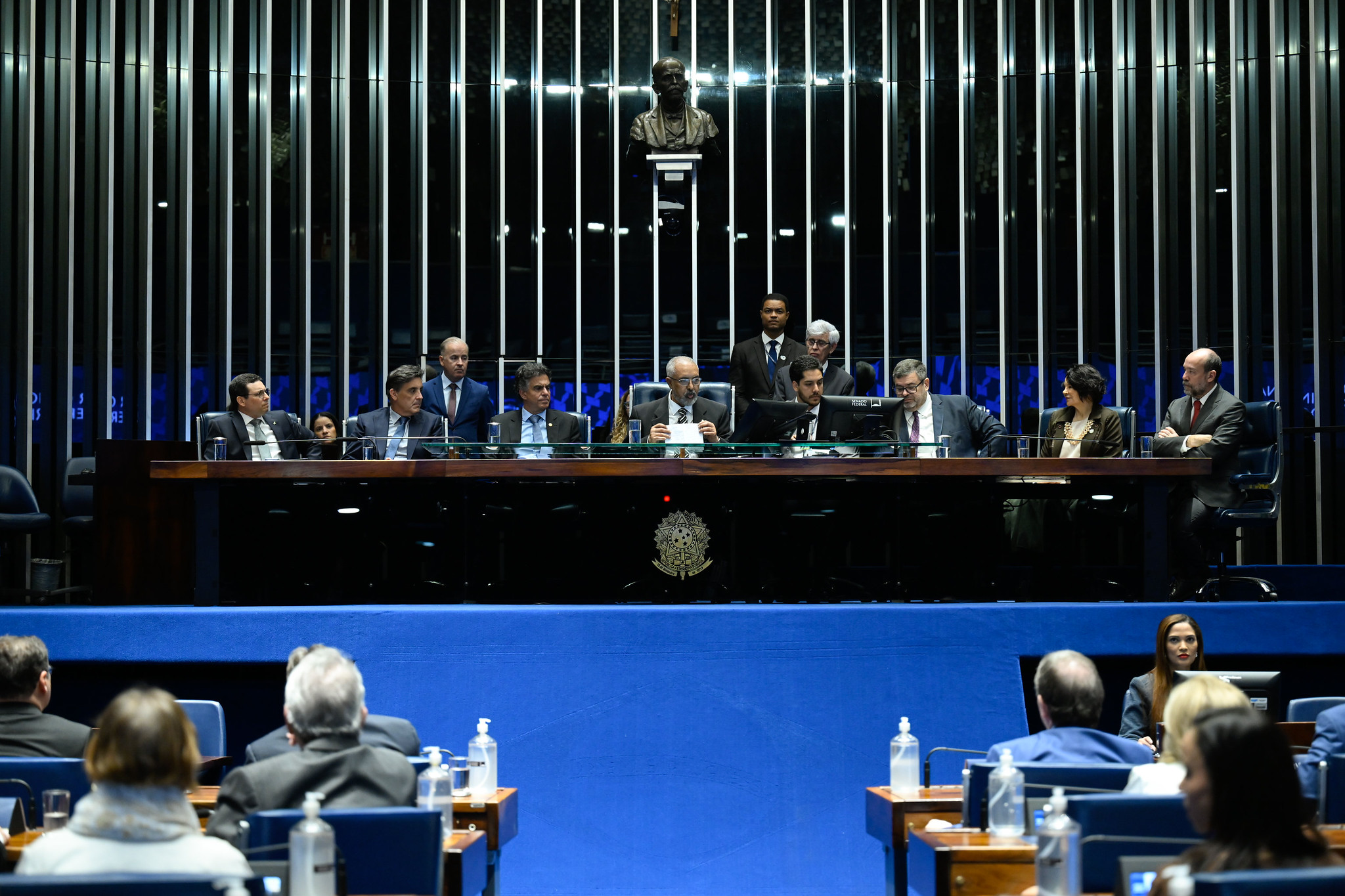
The Senate also has exclusive duties that are not shared with the Chamber of Deputies. These include vetting and approving certain officials nominated by the President of the Republic, such as Supreme Court judges, and making decisions on the states’ and municipalities’ financial operations.
Although the senators’ best-known roles include participating in the drafting of federal legislation and in key discussions on the budget, public policies and national programs—responsibilities shared with federal deputies—there are four main areas of exclusive Senate duties:
- Oversight of the Executive Branch — Senators oversee the Executive Branch, vet certain nominations made by the President of the Republic, such as those for federal Supreme Court justices, and may: suspend, in whole or in part, the enforcement of a law declared unconstitutional by a final ruling of the federal Supreme Court; periodically evaluate how the National Tax System is working and the performance of the tax administrations of federal, state, Federal District and municipal governments; elect members of the Council of the Republic; and establish their internal rules, organizational structure and operations, as well as define Senate roles.
- Financial Operations and Public Debt of the Federal, State and Municipal Governments — Senators may authorize external financial operations by the federal, state, Federal District and municipal governments; establish overall limits on the consolidated debt of the federal, state, Federal District and municipal governments; establish limits and conditions for federal guarantees on domestic and foreign credit operations; and establish overall limits and conditions for domestic and foreign credit operations by these entities.
- Trying Public Officials in Impeachment Proceedings — The Senate’s greatest power as an oversight body is to conduct impeachment proceedings against the President, Vice President, Ministers of State and Armed Forces Commanders, federal Supreme Court justices, members of the National Council of Justice and the National Council of the Public Prosecution Service, the Prosecutor General of the Republic and the Attorney General of the Union. Note: Conviction requires approval by a two-thirds majority of the Senate and results in removal from office and disqualification from holding public office for eight years.
- Confirmation Hearings and Approval, by Secret Ballot, of Nominees for Public Office — In confirmation hearings, senators decide on nominees for the following positions: federal Supreme Court justices and other Superior Court judges; members of the Federal Court of Accounts nominated by the President of the Republic; the Central Bank President and Directors; the Prosecutor General of the Republic; and holders of other positions established by law (such as regulatory agency directors and ambassadors/heads of permanent diplomatic missions).
The two offices have different, specific responsibilities, which may or may not be exclusive, but together they make up the National Congress. In Brazil’s bicameral system, the Senate may serve as either the reviewing or originating house in the legislative process. A bill introduced in the Chamber of Deputies and approved by federal deputies then moves through the Senate’s internal bodies for approval before reaching the Senate floor. Bills may also originate in the Senate and, once approved, move to the other house—in this case, the Chamber of Deputies.
In addition to what has already been mentioned, the National Congress also has joint sessions, which bring the Chamber of Deputies and the Senate together in a single plenary session to deliberate on specific matters. Mandatory joint sessions include: the opening of the legislative session at the beginning of each year, when Congress receives messages from the President of the Republic and the Federal Supreme Court; presidential inaugurations, when Congress receives the constitutional oath and swears in the President and Vice President of the Republic; consideration of presidential vetoes, when Congress deliberates on whether to uphold or override them; drafting joint rules of procedure and regulating the creation of services shared by the two houses; and budget matters, including deliberations on budget bills and additional appropriations under the joint bicameral process.

What Does the Senate Have to Do with Favelas?
Although federal deputies and senators are not directly responsible for the management of a favela, their decisions determine the rules and resources that make certain policies possible.
Think of federal policy in the areas of housing, sanitation or urban development. It depends on legislation, budgets and funding. And the Senate is responsible for these decisions.
Votes in the Senate influence investment in several areas that are essential to favelas, including:
- Housing and land regularization;
- Basic sanitation and water supply;
- Healthcare and access to Brazil’s Unified Health System (SUS);
- Education and keeping youth in school;
- Mobility and transportation;
- Culture and sports;
- Employment and income generation;
- Public security and violence prevention; and
- Policies for youth and reducing inequalities.
This does not mean that a senator can simply “order that a school be built in a favela.” Implementing a public policy depends on the duties of different levels of government and government agencies. There is another point here: senators and federal deputies participate in decisions that can determine how much funding is available, which rules will be adopted and which policies will be prioritized. And favelas feel the full impact of these decisions.
Public security is another area in which decisions made by Congress can have direct consequences for people living in favelas.
The Senate participates in discussions on legislation related to public security, the prison system, fighting organized crime and the workings of security and justice institutions. The Chamber of Deputies also participates in the drafting and voting of these laws. That is why voters should ask candidates: what do you propose to reduce violence? How will you tackle organized crime? How will you protect residents and law enforcement agents? What prevention policies will you adopt? How will you address the needs of children and youth exposed to violence?
It’s not enough to look only at candidates who promise “greater security.” It is important to understand what kind of security is being proposed and what consequences it may have for working-class communities.
Who Are Rio’s Candidates for Senate in 2026?
Rio de Janeiro has 16 registered candidates for the two Senate seats in the 2026 elections.

In the photo above, from left to right and top to bottom, the candidates—their parties, neighborhoods of origin and racial self-identification, as registered with the Superior Electoral Court (TSE)—are:
| Candidate | Party | Neighborhood of Origin | Self-declared Race |
| Mônica Benício | PSOL | Complexo da Maré | white |
| Benedita da Silva | PT | Chapéu Mangueira | Black |
| Luiz Eugênio | PCO | Vassouras/RJ | Black |
| Paula Falcão | PSTU | Goiânia/GO | brown |
| Vinicius Benevides | UP | Cesarão | Black |
| Luciano Mattos | PRTB | Santa Rosa, Niterói | white |
| Marcelo Crivella | Republicanos | Botafogo | white |
| Helio Secco | Missão | Petrópolis/RJ | white |
| Carlos Portinho | PL | Rio de Janeiro/RJ | white |
| Waguinho | Republicanos | Heliópolis, Belford Roxo/RJ | brown |
| André Monteiro | DEM | São Cristóvão | white |
| Marcos Dias | Podemos | Guadalupe | white |
| Michelly Xavier | UP | Vila Operária, Duque de Caxias/RJ | Black |
| Ó Clemente | DEM | Itinga/MG | white |
| Pedro Paulo | PSD | Cachambi | white |
| Carlos Jordy | PL | Ingá e Icaraí, Niterói/RJ | white |
Half of the candidates were born in the city of Rio de Janeiro, predominantly in the North (São Cristóvão, Guadalupe, Cachambi and Maré), South (Chapéu Mangueira and Botafogo) and West (Santa Cruz) zones. One of the candidates did not disclose their neighborhood of origin. The other half of the candidates is from elsewhere in the state of Rio and from other states: two are from Niterói, two from Greater Rio’s Baixada Fluminense region, one from the city of Petrópolis, just one from the state’s interior—from the city of Vassouras—and two were born outside the state.
Of the candidates listed above, 75% are men, 62.5% are white and 37.5% are Black (25% self-identified as Black and 12.5% as brown).
Senate candidates born and raised in favelas are:
- Benedita da Silva (PT), from Chapéu Mangueira, in Leme, in Rio’s South Zone. A trained social worker, she lived in the favela for 57 years and has been elected to several public offices: constituent assembly member, city councilor, federal deputy, senator and vice governor of the state of Rio de Janeiro.
- Mônica Benício (PSOL), from Complexo da Maré, in Rio’s North Zone. An architect and urban planner, she is serving her second term as a Rio de Janeiro city councilor. Widow of assassinated councilwoman Marielle Franco, Benício is also the only candidate self-identified as LGBT+ with the TSE.
- Michelly Xavier (UP), from the Vila Operária favela, in the city of Duque de Caxias, in the Baixada Fluminense. A lawyer who now lives in Xerém, also in the Baixada, she works in adult literacy.
- Vinícius Benevides (UP) grew up in the Cesarão favela, in Santa Cruz, in Rio de Janeiro’s West Zone. A street vendor and construction worker, he is active in movements against the six-day workweek, the pejotização of labor (the classification of workers as self-employed so employers can save on labor costs and social security contributions), the outsourcing of public services and in favor of repealing the Labor Reform.
What Should Voters Look For?
Getting to know the candidates is only the first step. Voters can compare their proposals and, especially, the track records of those who have already held public office. For people living in favelas and peripheral areas, here are some questions that may help:
- Does the candidate have proposals to improve housing conditions?
- How do they plan to address the lack of sanitation?
- What are their views on healthcare, education and transportation in working-class communities?
- What is their proposal for public security?
- How do they plan to create employment and income-generating opportunities?
- How do they plan to oversee the use of public funds?
- What can their previous bills and votes tell us about their record?
- Does the candidate understand the difference between what senators and federal deputies can do and what falls under the duties of mayors and governors?
Why Is the Vote for Senator So Important?
Jader Lopes, a woodworker and resident of the Rubens Vaz favela, in Maré, likes to study politics in his spare time. He says:
“Of all the positions in politics, that of senator occupies a space that is somewhat unclear. [That happens] because senators work at the federal level, and when laws or constitutional amendments change, or there’s some political maneuver in which they play a leading role, it doesn’t get a lot of attention or media focus. There’s very little publicity about what is done in the Senate, so favela residents know very little about the role of a senator.”
However, a senator stays in office for eight years and plays a role in oversight, advancing legislation and securing resources that are essential to favelas. A choice made in 2026 will influence national decisions through 2034—much of the next decade—making the vote for senator all the more critical.
A senator does not replace the mayor, governor or deputy. Each office has different responsibilities. Understanding the difference between these offices is an important part of making an informed decision: voters are not just choosing a person, but who will have a voice and decision-making power, who will act on their behalf.
About the authors:
Eliane Salles is a journalist with over 30 years of experience in organizational communications, social movements and human rights. She is co-author of two books and a two-time winner of the Aberje Award.
Hélio Euclides is a journalist with Redes da Maré’s Urban and Socio-Environmental Rights team. He has worked with newspaper O Cidadão, Rádio Revolução FM, Rádio Viva Rio AM and Rádio Marémanguinhos/ASFOC, and is a co-founder of newspaper Maré de Notícias. A three-time winner of the Visibilidade Serviço Social Award for his writing on public policies, he is a member of the Brazilian Press Association (ABI) Advisory Board.