
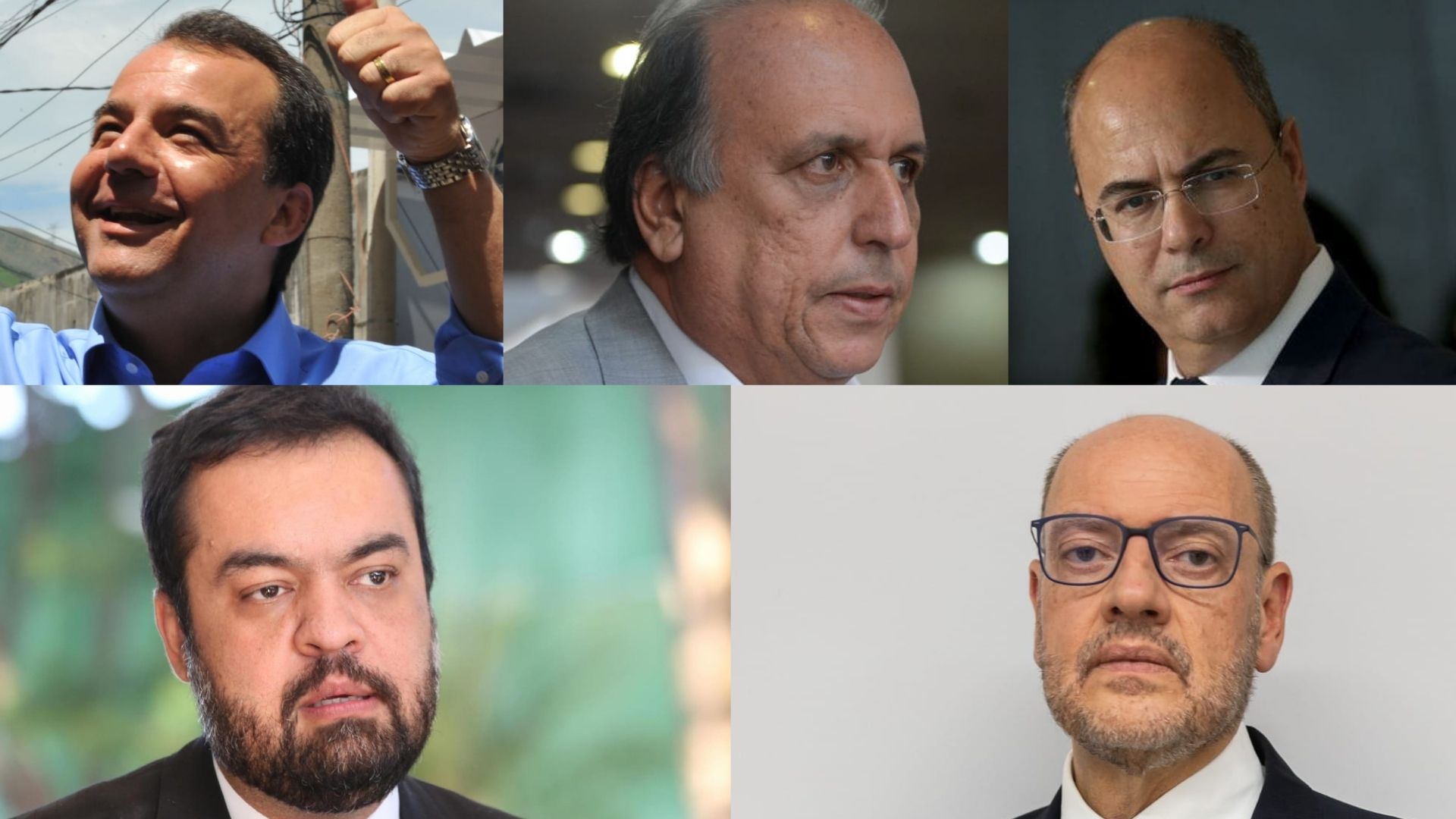

This article is part of a series on the 2026 Brazilian elections, focusing on the perspectives of Greater Rio’s favelas. It is also the second installment of a two-part article on the history of public security failures in Rio de Janeiro since Brazil’s return to democracy. Read Part 1, covering 1983–2006, here.
In the first part of this article, we examined the administrations from 1982 to 2006, focusing on the post-1985 redemocratization period and covering the years from Brizola to Rosinha Garotinho. Now, in this second part, we will examine the failures of the past 20 years of the state’s public security policies, from 2007 to 2026, spanning the administrations of Sérgio Cabral to Ricardo Couto.
Sérgio Cabral (2007-2014)
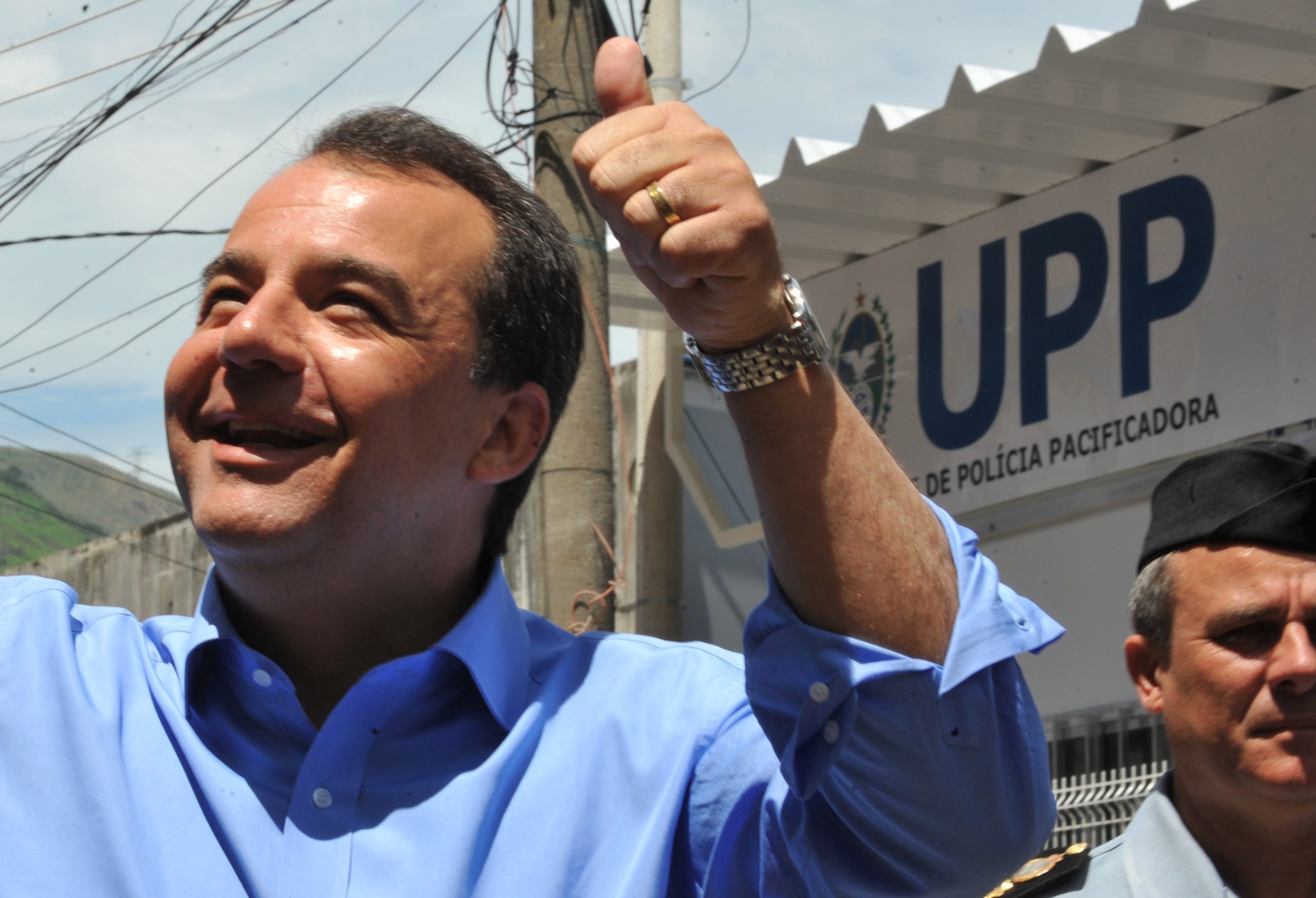
Sérgio Cabral took office as governor of the state of Rio de Janeiro in 2007, proposing a reform of Rio de Janeiro’s Military Police through the launching of the Pacifying Police Units (UPPs), in theory, a permanent community policing force in favelas. His proposal was to remove armed groups from certain favelas, establish a permanent police presence and then bring public services and social policies to these areas.
Initially, it seemed to work. The main figure associated with the implementation of the UPPs was a drop in the homicide rate. On the other hand, there were reports of various types of abuse, including in relation to favela culture through Resolution 013, and worse: torture, extrajudicial executions, militarization of daily life in favelas and criticism of the public security policy’s territorial selectivity.
The UPP program envisioned a second phase, the UPP Social, aiming to provide favelas with quality public services—which never happened. Apart from a few modest, isolated initiatives, the UPPs never progressed beyond the initial phase. After the Olympics, the program had already collapsed.
One of the most striking violations of this period took place in 2013, with the torture and death of Amarildo Dias de Souza. A resident of Rocinha, the bricklayer was detained by UPP police officers and disappeared. His body was never found. The events took place in the presence of most of the unit’s force, including its commander, Major Edson Santos. Other police officers who were not at the scene heard Amarildo’s screams as he was tortured. In the streets, the 2013 protests demanded answers: “Cabral, you crook, where is Amarildo?” Fifteen police officers were charged and 12 were convicted of the crime.
Other parallel programs under the Cabral administration included: in 2014, Detached Police Companies in Niterói and Praça Seca, intended to provide community-based and preventive policing in sensitive areas; initially launched as the Lapa Security on the Ground Operation in the city’s central region, the Security on the Ground program was created in January 2014; and in 2015 the Integrated Proximity Policing Company (CIPP), nicknamed the “UPP of the Asphalt,” which aimed to bring community-based policing and crime prevention to the streets of business and residential neighborhoods.
In short, Sérgio Cabral invested in militarization and confrontation throughout Rio. Police killed 1,330 people in 2007. Armed Forces personnel were also made available by President Lula and, later, President Dilma. The military was deployed in Rio on eight occasions between 2008 and 2015. In one of these, Complexo da Maré was occupied by the Army. It was a bleak period in the lives of Maré residents, which only ended in 2015, already under the administration of Cabral’s successor and vice governor, Luiz Fernando Pezão.
Luiz Fernando Pezão (2014-2018)
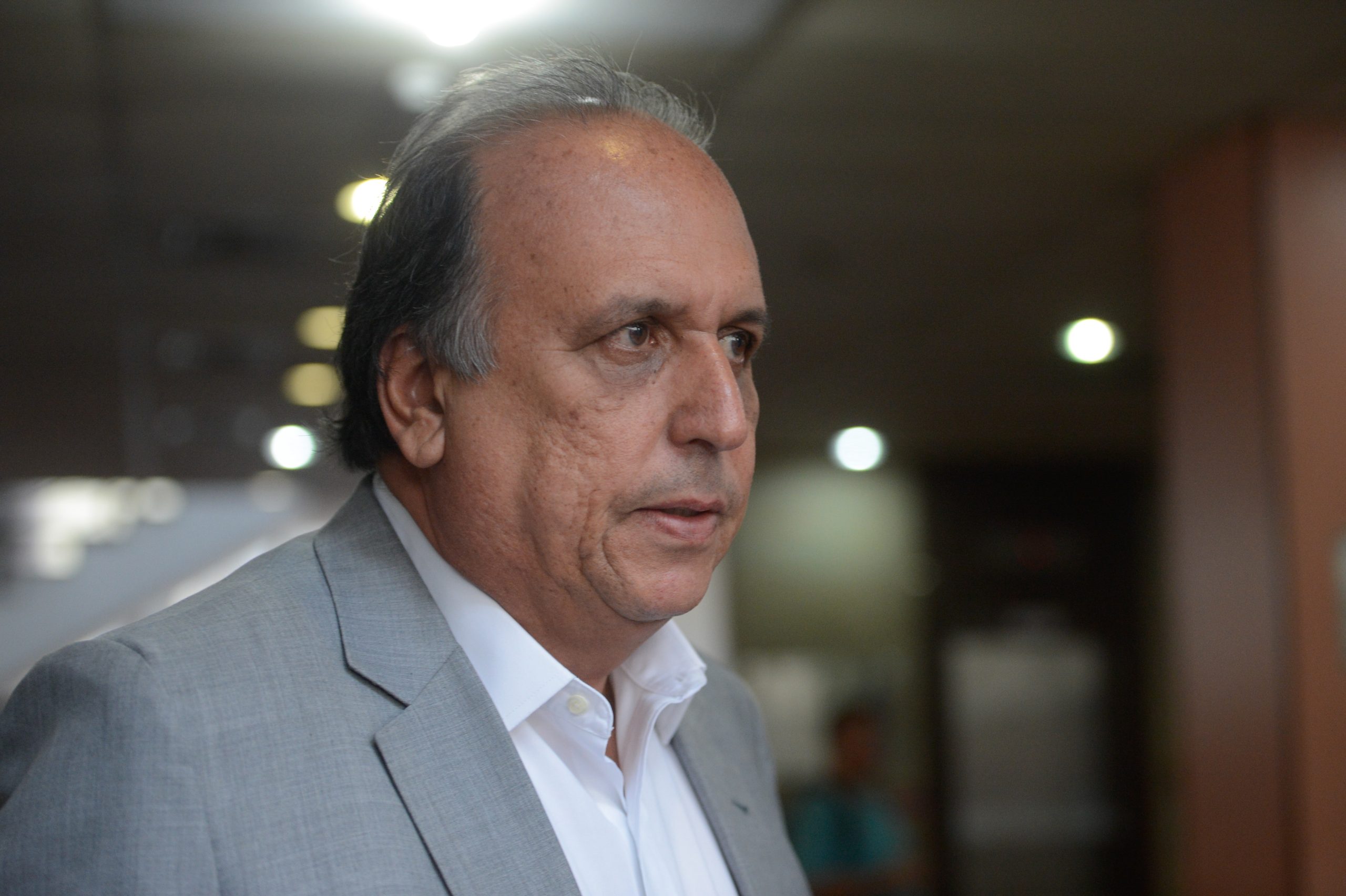
In 2014, the new Governor Luiz Fernando Pezão said there would be no shortage of funding for public security. Faced with a lack of resources, however, he had to turn to the federal government. President Michel Temer signed yet another decree authorizing federal intervention in Rio de Janeiro.
With the federal intervention in 2018, General Walter Braga Netto took on operational control of the state police forces, while the Armed Forces took part in several operations, including in favelas. The official justification was the breakdown of public order amid escalating violence and the state government’s inability to adequately respond to the crisis.
In 2018, Pezão began partially dismantling the UPPs. The federal intervention office signaled its intention to reassign UPP police officers to detached police companies, linked to local battalions, to cover the same areas. This brought an end to the attempt at community-based policing, with bases established in favelas, and marked a return to the old model of sporadic incursions, with troops deploying from and returning to battalions and police stations.
In February 2019, a bill providing for the complete dissolution of UPPs began making its way through the Rio de Janeiro State Legislative Assembly (Alerj), but did not advance. In the years that followed, what remained of the UPP program was gradually dismantled.
On November 29, 2018, Pezão was placed in pretrial detention by order of the Superior Court of Justice (STJ) as part of Operation Car Wash. He was the first Rio de Janeiro governor to be arrested while still in office. Vice Governor Francisco Dornelles took over Guanabara Palace on an interim basis for about a month, until a newly elected governor took office.
Wilson Witzel (2019-2020)
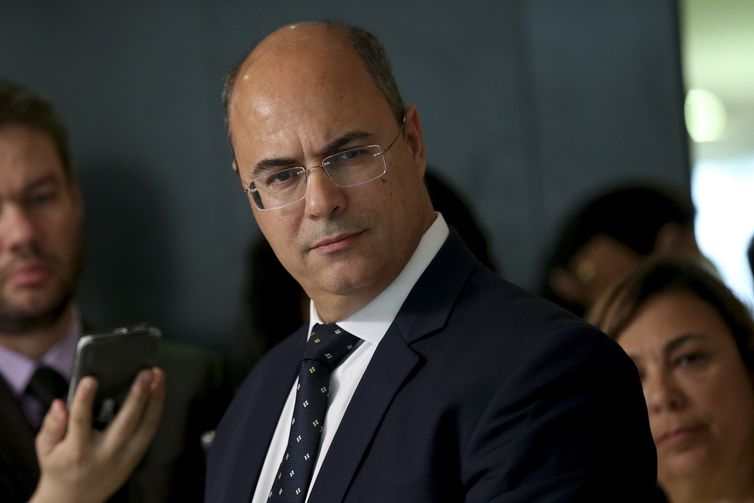
In the 2018 elections, a candidate for governor of Rio de Janeiro made a bold and controversial campaign promise, much like Moreira Franco had done in 1986. Wilson Witzel, a federal judge unknown to voters until then, promised to put an end to violence once and for all by eliminating criminals: “the police will aim at their little heads and… fire.” Witzel was elected in the runoff, defeating Eduardo Paes.
In addition to authorizing the killing of suspects, the governor abolished the State Public Security Secretariat, splitting it into two departments: the Civil Police Secretariat and the Military Police Secretariat. This drew widespread criticism from experts, who argued that the move hindered coordinated action—from planning operations to sharing intelligence—and fueled rivalries between the two police forces.
High police lethality drove the number of deaths to record levels. As a result, favela movements and human rights organizations took the matter to the Federal Supreme Court (STF), which imposed restrictions on police operations in favelas during the pandemic through a Claim of Non-Compliance with a Fundamental Precept (ADPF 635), better known as the “ADPF of the Favelas.”
In August 2020, Witzel was suspended from office for 180 days by the Superior Court of Justice (STJ) over allegations that he headed a corruption scheme in the healthcare sector during the pandemic. He was impeached by the Rio de Janeiro Legislative Assembly (Alerj) in April 2021, and removed from office.
Cláudio Castro (2020-2026)
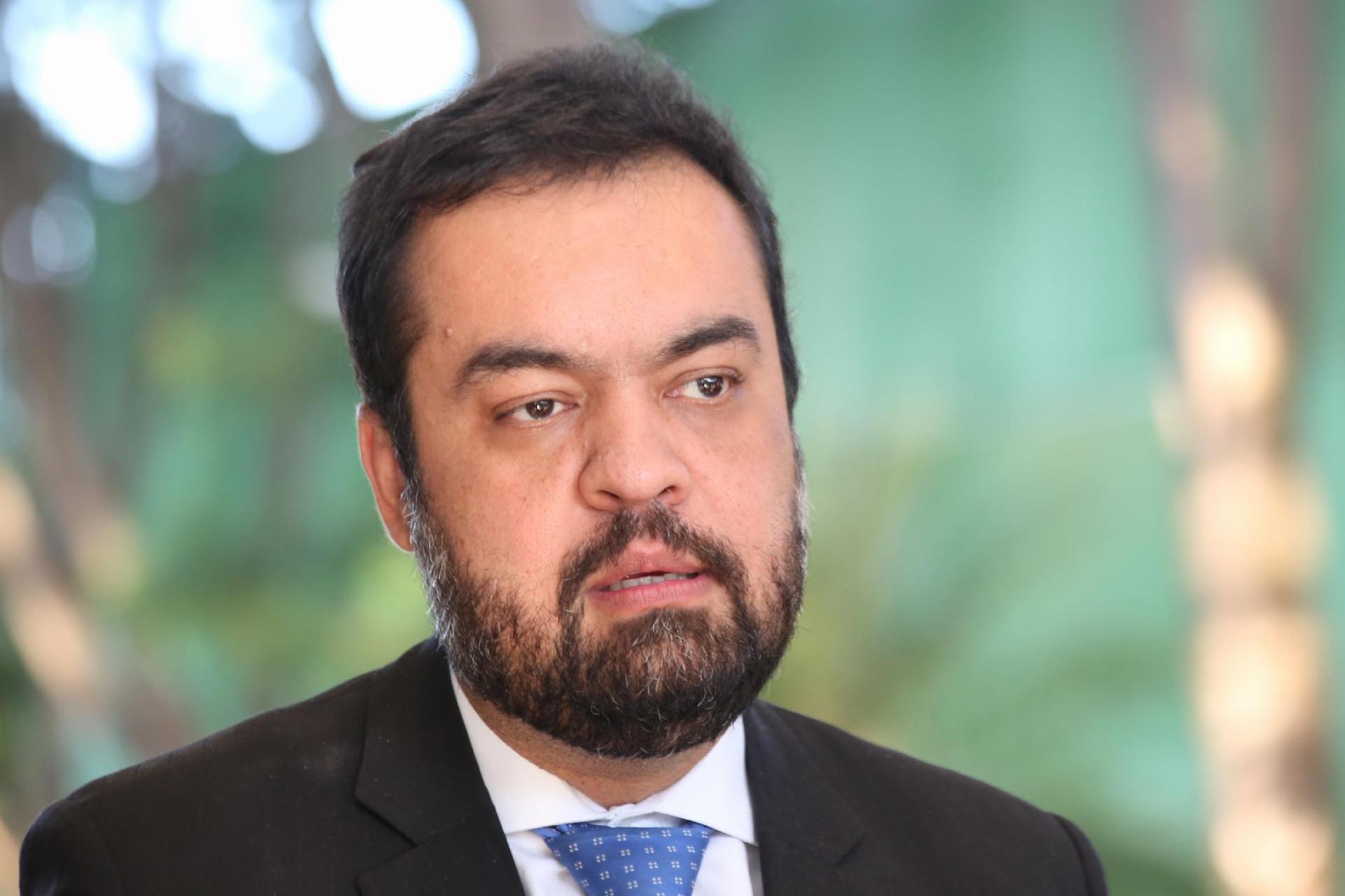
Vice Governor Cláudio Castro thus took office in 2020, keeping Wilson Witzel’s public security policy intact. Early in his administration, in 2021, the Jacarezinho Massacre took place, leaving 28 people dead. Near the end of his term, in November 2025, he oversaw the deadliest police operation in Rio de Janeiro’s history, which left 121 people dead, this time in the Alemão and Penha Massacre.
These operations drew harsh criticism from experts, who pointed to a lack of planning, weakened oversight mechanisms and a lack of effective intelligence.
In January 2022, Castro launched his only public security policy: Integrated City. The program was poorly received by mainstream media, which dubbed Castro’s initiative the New UPP and UPP 2.0, as it represented the usual criminalization of poverty, favelas and their residents. Far from innovative, the program failed to achieve significant results.
In spite of his disastrous security policy, Castro was reelected in 2022 and reestablished the State Public Security Secretariat in 2023. In 2025, he introduced a program called Barricade Zero, which consisted of large-scale, highly publicized operations to remove barricades erected by drug trafficking factions in favelas to prevent police vehicles and armored trucks from entering these communities. The program has proved largely ineffective, however, as factions rebuild barricades as soon as the police leave favelas.
In November 2023, the federal government ordered a Guarantee of Law and Order operation (GLO), deploying the Armed Forces to the state’s ports and airports through May 2024. The aim was to intensify efforts to combat arms and drug trafficking.
Another defining moment in Castro’s relationship with the federal government came in 2023, when Minister of Justice Flávio Dino—currently a Supreme Court judge—ordered the Federal Police to open an investigation into the assassination of Marielle Franco and Anderson Gomes. Rio de Janeiro’s Civil Police had made no progress in answering Who Ordered Marielle’s Killing? or establishing the motives behind the crime since 2018. Within months, the Federal Police had identified the masterminds of the killings and their motives, in addition to uncovering evidence of the involvement of Rio de Janeiro state agents at every stage of the crime—from planning and execution to covering it up and obstructing the investigations.
Faced with the failure of his public security policies and multiple investigations, Castro resigned as governor in April 2026. Shortly afterward, the Superior Electoral Court (TSE) revoked his term in office and declared him ineligible to run again. This brought an end to his plans for the Senate in 2026.
He became known as the Governor of Massacres, leaving behind a legacy of administrative chaos, the absence of a consistent public security policy and widespread corruption.
Ricardo Couto (2026)
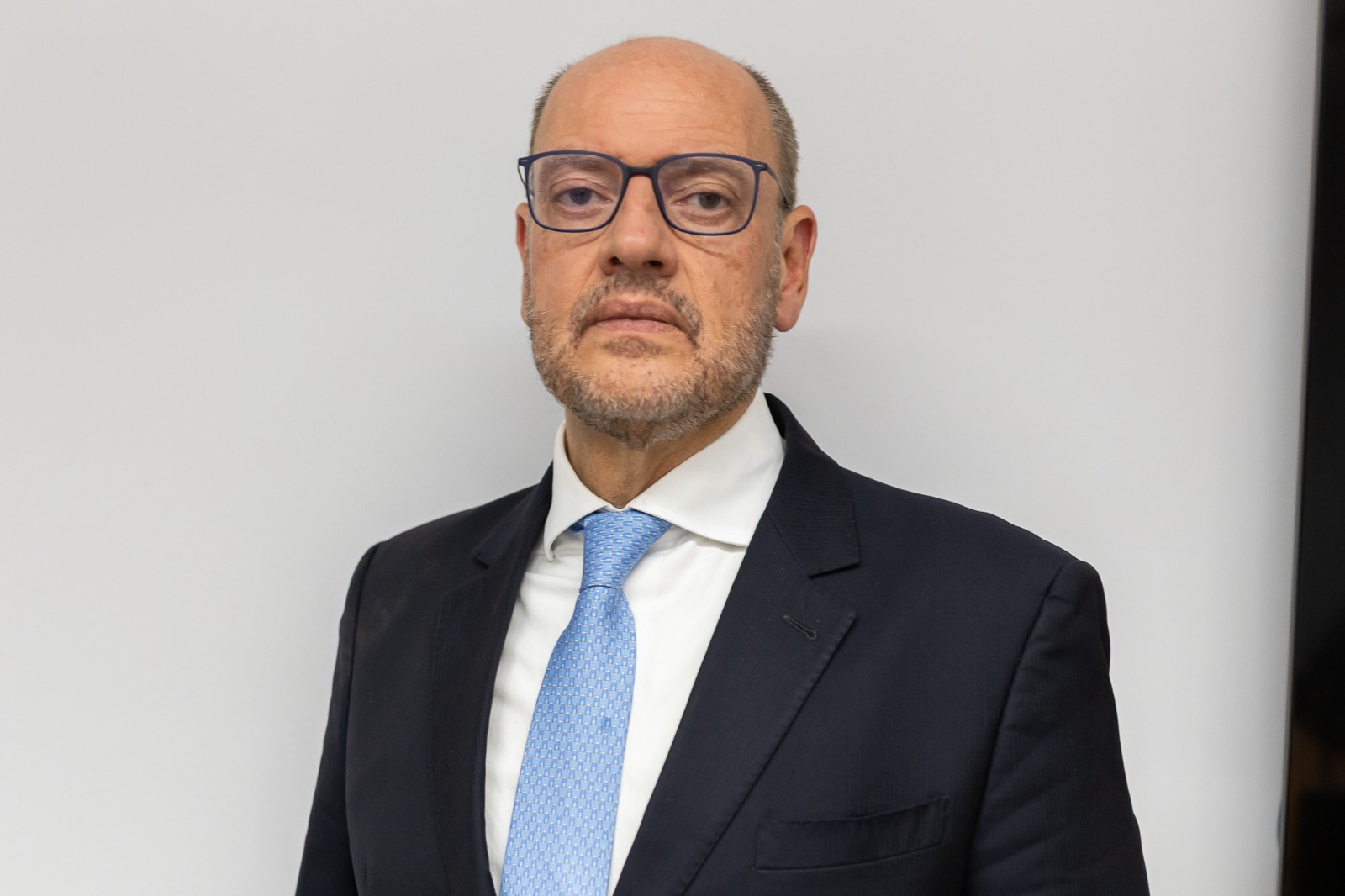
With Cláudio Castro’s term revoked following his resignation, and no vice governor to succeed him, the next in line would have been the president of the Rio de Janeiro State Legislative Assembly (Alerj). Rodrigo Bacellar, however, had been arrested for leading the political wing of the Comando Vermelho (CV) drug trafficking faction and therefore Rio de Janeiro Court of Justice (TJ-RJ) President, Judge Ricardo Couto, took office as interim governor.
The arrangement was intended to last until state deputies elected a new governor through an indirect election to serve out the remainder of the term, through January 2027. However, with the discovery of criminal factions infiltrating Alerj’s highest ranks, an indirect election would have put the state government at risk. The Supreme Court therefore decided not to decide—in other words, it did not rule on how the interim election should be conducted, extending the temporary arrangement until the 2026 elections.
Ricardo Couto’s administration has sought to strengthen police and intelligence structures, conduct audits and coordinate with other security forces.
What can we expect from the new governor elected in 2026? A break with this 40-year tradition, or structural measures that genuinely address the underlying social processes driving high crime rates?
About the authors:
Carla Regina Aguiar dos Santos was born and raised in Morro do Turano. Her work as a community journalist prioritizes the day-to-day happenings in favelas. Reporting what goes on beyond the view of traditional media, she has contributed to the Favela News Agency (ANF), A Pública, Eu, Rio! and Terra. She received the ANF Award for journalism in the culture category and the Neuza Maria Award for Journalism.
Julio Santos Filho has been Chief Editor of RioOnWatch since 2020. Holding a bachelor’s degree in International Relations (UFF) and a master’s degree in Sociology (IESP-UERJ), in 2021 he edited the award-winning series “Rooting Anti-Racism in the Favelas.” This project won silver at The Anthem Awards in the Diversity, Equity, and Inclusion category for Best Local Awareness Program, the Megafone Activism Award for Best Independent Media Report, and two motions of praise and recognition from the Rio de Janeiro City Council’s Special Commission to Combat Racism.