

Last November, RioOnWatch reported on the dismantling of the award-winning Reforestation Collective Action Program, a rare example of an effective, historic public policy in the city’s favelas. Now, various movements are coming together to demand an end to deadly tree topping, a practice that is affecting diverse neighborhoods across Rio de Janeiro, alongside the dismantling of environmental protection agencies and the destruction of the city’s iconic green areas.
In recent years, Rio de Janeiro has accumulated a deficit of over 800,000 trees removed across the city, reaching an alarming net rate of 35 trees cut down per day.
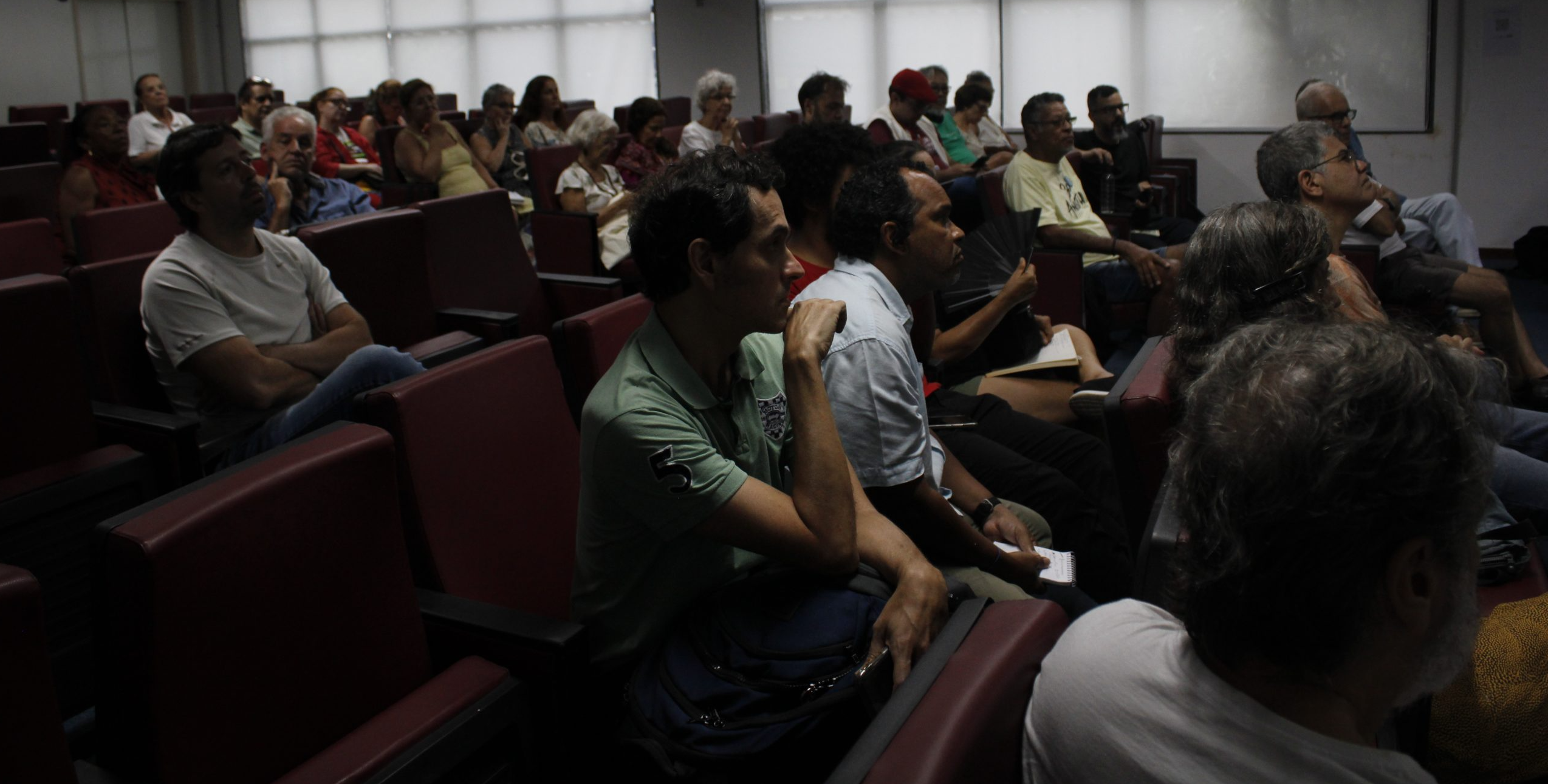
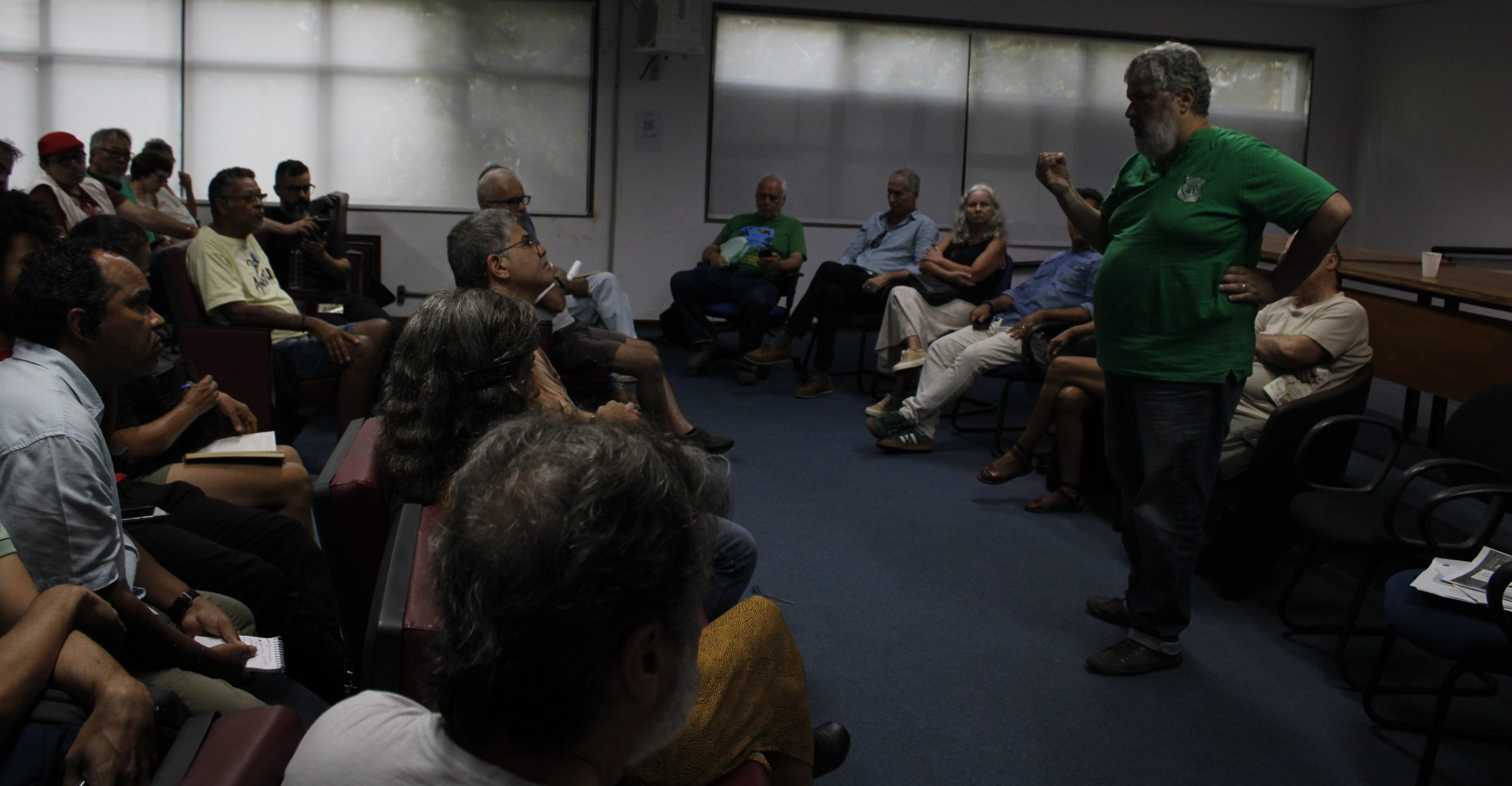
On a recent afternoon, neighbors, technical and environmental advocates gathered at the Tércio Pacitti auditorium at the Federal University of the State of Rio de Janeiro (UniRio), in Urca, Rio de Janeiro’s South Zone, to discuss strategies to combat the dramatic rise in predatory tree pruning (more accurately known as ‘topping‘) across the city.
Attendees represented environmental groups such as Ecological Occupation, Breathe Rio, the Engineering Club, Amagraja, Alma, the Botafogo Residents’ Association, the Rio de Janeiro Federation of Neighborhood Associations (FAM Rio), Urban Reforestation, Mão na Jaca, Living Bay Movement, Grassroots Movements Central, the Gávea Residents’ and Friends’ Association (Amagavea), the Engineers’ Union (Senge RJ), the Ecological Action Group (GAE), AMAGUINLE and Vida Movement.
Deadly Tree Topping
Pruning is a practice commonly used for ecological maintenance and conservation, involving cuts made at strategic times and in specific ways to preserve the tree and the safety of its surroundings. Predatory pruning, or ‘tree topping,’ on the other hand, occurs indiscriminately, removing branches and leaves disproportionately from its canopy, often leaving only the trunk.
The death of a tree due to topping occurs when the cut compromises its ability to regenerate. This, in turn, makes the microclimate hotter.
On Ilha do Governador, in Rio’s North Zone, in the neighborhood of Jardim Guanabara, for example, a resident pointed out the destruction on Rua Babaçu, at the corner of Rua Dom Antônio de Macedo. In the images, it is clear that the pruning went beyond what was necessary, leaving the trees with almost no canopy:
In other neighborhoods on the island, a similar process has been taking place. A resident documented the cutting of a century-old tree at Praia da Guanabara, along the waterfront, and gave a testimonial about other instances of predatory pruning that have been altering the region’s landscape and microclimate.
“Among the dozens of trees that have died early this year [2026] alone are three massive and healthy century-old trees along our waterfront (one at Praia da Bica and two at Praia da Guanabara). Other recent examples of deforestation carried out by the Rio city government on the island include the extensive clearing in the Jequiá APARU [Environmental Protection and Urban Recovery Area], illegal deforestation in Jardim Guanabara (both in 2012), the death of around 15 imperial palms and the destruction of ALL the trees at Praia da Bandeira in 2009 (not to mention hundreds of other cases across the island and other parts of Rio de Janeiro. In just a few years, they are destroying a heritage built over generations!!! We, the residents of the island, cannot allow this to continue!!!” — Testimonial taken from social media
More Profit, Less Green
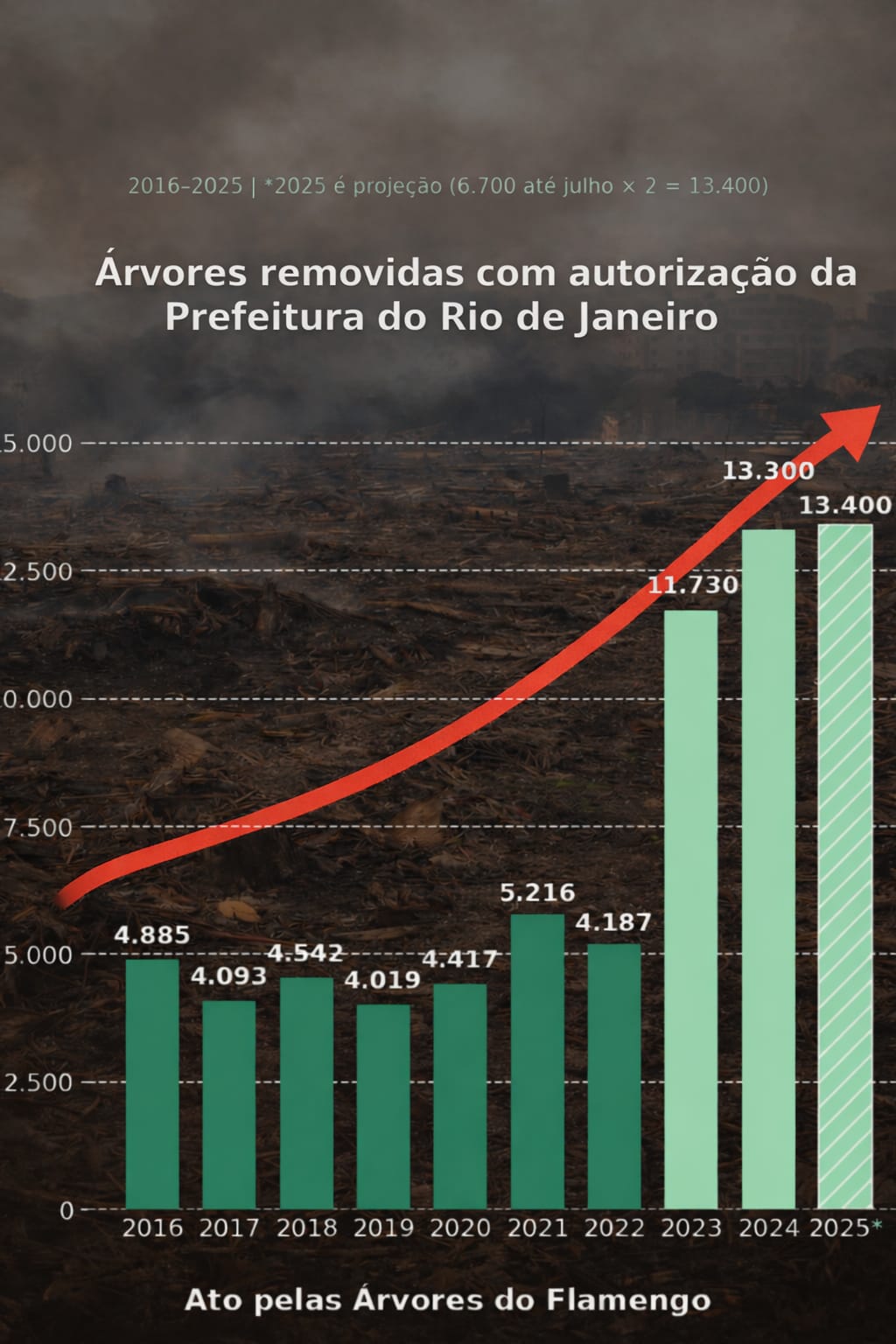
Over the past ten years, there has been a sharp increase in the number of trees completely removed with municipal authorization. During this period, in the South Zone alone, for example, 3,400 trees were cut down.
According to data from City Hall, Rio cut down 5,216 trees in 2021. By 2025, that number had more than doubled, reaching 13,130 trees removed from the city’s landscape.
Meanwhile, key initiatives and projects aimed at city reforestation have undergone a series of dismantling measures and rollbacks, such as the Reforestation Collective Action Program and the Parks and Gardens Foundation.
Alongside this accelerated devastation, the city has experienced a boom in new developments, including condominiums, shopping centers and other commercial establishments that have gradually been occupying green areas, even some that have long been set aside for protection and conservation.
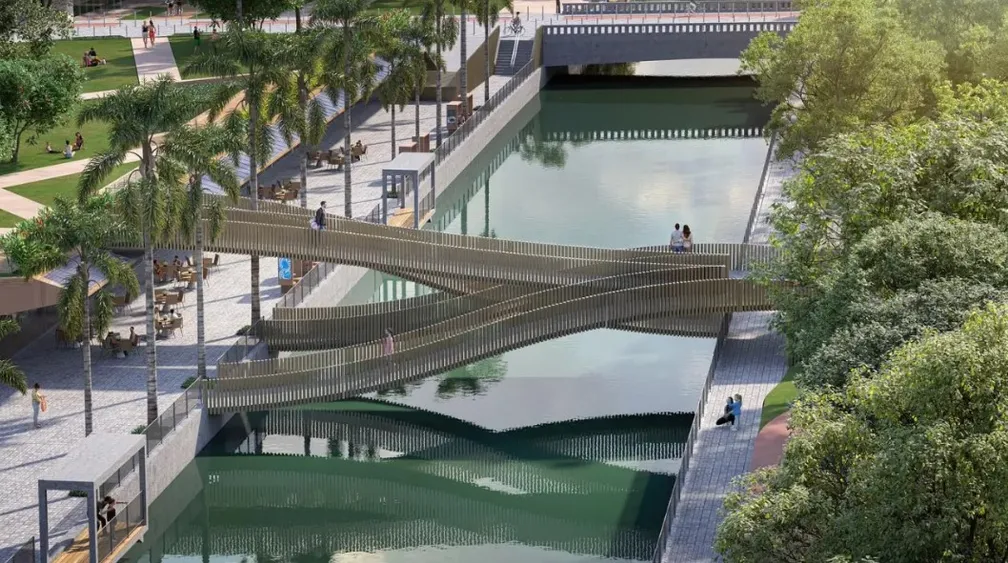
Last year, a project aimed at revitalizing and integrating commercial activity in the Jardim de Alah park, developed by the Rio+Verde Consortium, received authorization to remove 130 mature trees, approximately 80 years old. In a social media post, residents denounced the environmental damage expected from the project, noting that the more than 95,000 m² area is home to Atlantic Rainforest along the waterfront.
Ver essa foto no Instagram
According to the project’s developers, around 300 trees would be replanted to mitigate the impacts of the construction. However, effective oversight of how and where this environmental compensation would be carried out has not been taking place.
Ver essa foto no Instagram
Still in the South Zone, another case took place at the former Bennett School, located at Rua Marquês de Abrantes no. 61, in the Flamengo neighborhood. Construction had already begun on the site in the days leading up to New Year’s 2025-2026, but after residents reported the rapid removal of 71 trees from the property, a court intervened and ordered the developer’s activities to be halted.
The area where the trees stood had been protected since 2014 and housed an important ecosystem preserved since the Imperial period. It was completely decimated for the construction of two buildings housing 350 apartments.
Ver essa foto no Instagram
At the time of this publication, construction at the Bennett School remained suspended due to a lack of “technical elements demonstrating the impact of the construction on the area, including reports, permits, and studies,” as stated in the court decision.
In neighboring Botafogo, the construction of a development on Rua Arnaldo Quintela also led to the felling of a century-old tree.
Ver essa foto no Instagram
In other regions, such as Taquara and Greater Tijuca, the same pattern repeats itself. The former Clube da Light, located at Rua Barão do Bom Retiro, in Grajaú, known for housing the Light Athletic Association and serving as a traditional leisure space in the area, had its provisional heritage status revoked by then-mayor Eduardo Paes in October 2025. The construction was authorized to remove vegetation in December of the same year.
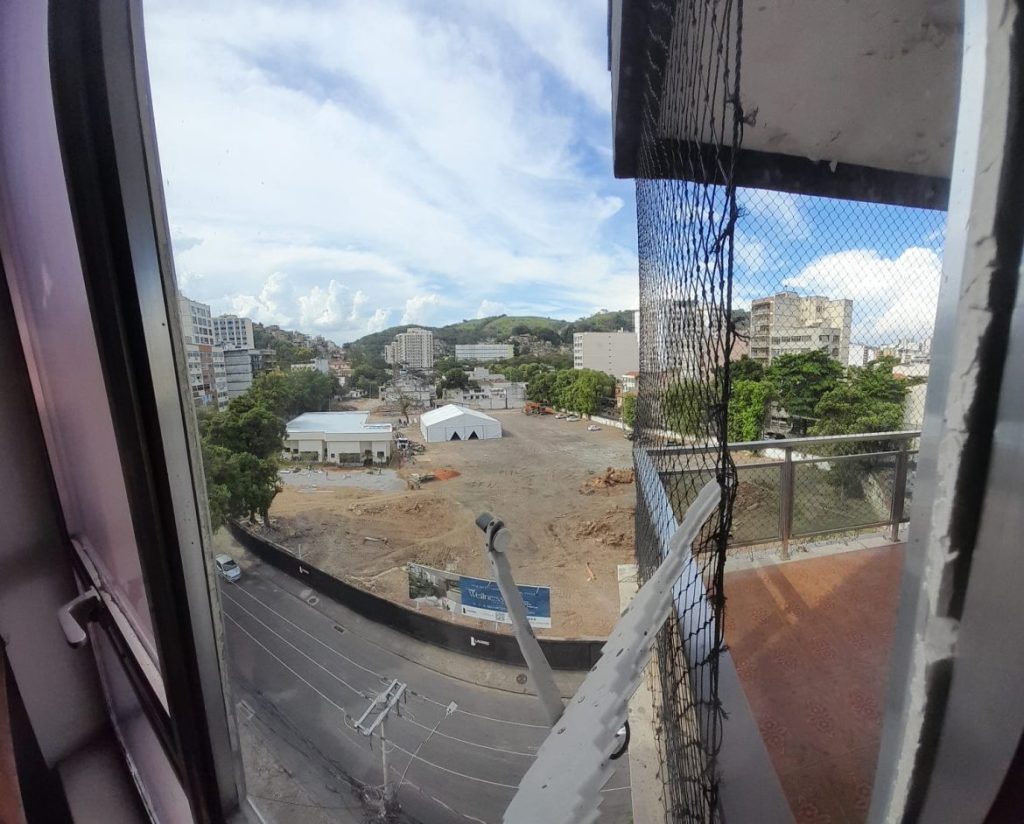
In September 2021, Tijuca residents came together in front of construction initiated by Opportunity Real Estate Investment Fund, which had been authorized to remove 340 trees from the site. The developer stated that, as compensation, it would plant 2,805 saplings; however, the construction removed native trees, displacing wild animals that had lived in the area for years.
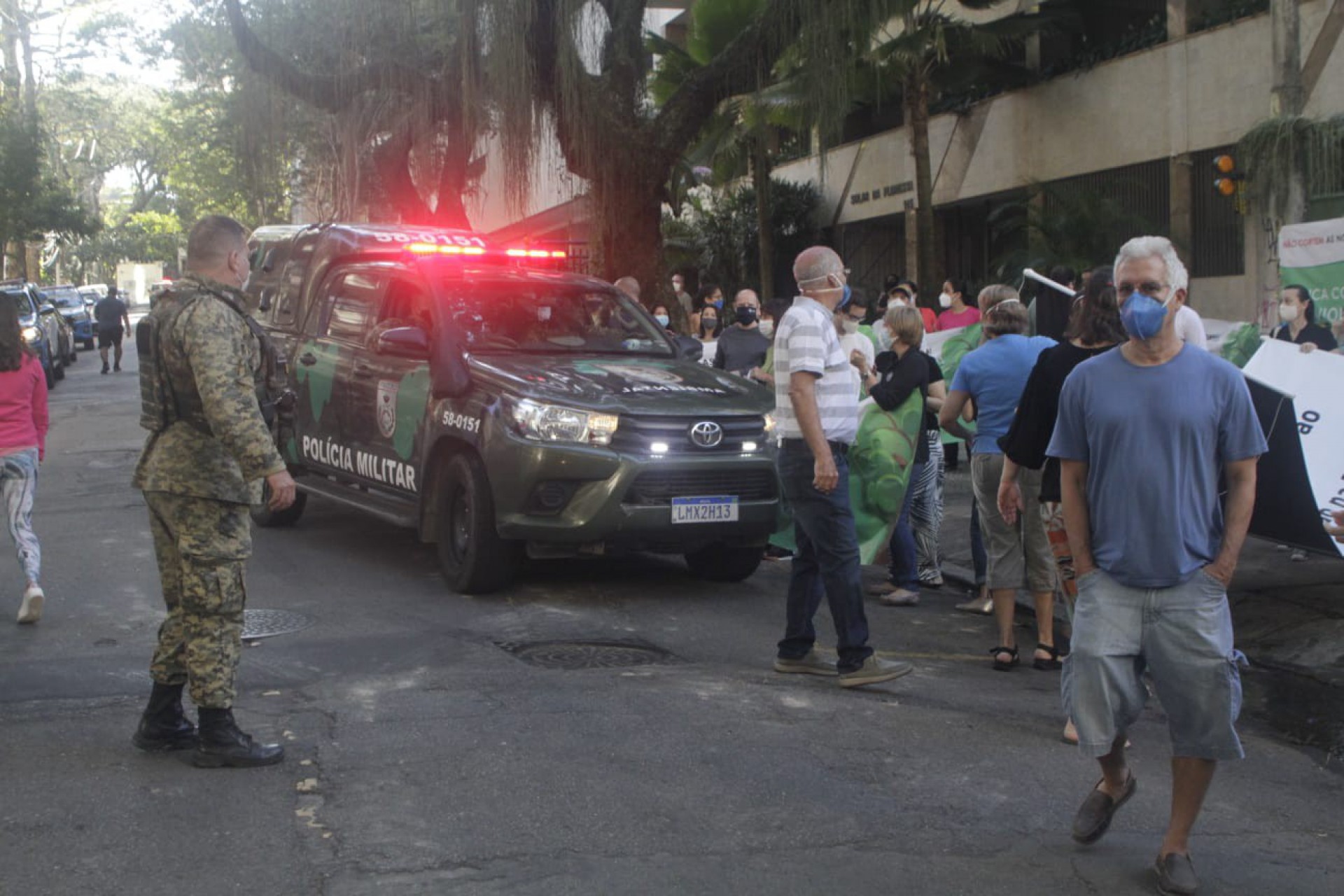
In upscale areas of the Southwest Zone, such as Barra da Tijuca, similar cases have occurred. The Rio de Janeiro Public Prosecutor’s Office (MPRJ) recommended the immediate suspension of environmental licenses and authorizations that had permitted the removal of approximately 900 trees in an area slated for the construction of a condominium near the Jacarepaguá Lagoon.
The development, led by CBR 217 Real Estate Developments, planned to build eight residential blocks within an Area of Relevant Environmental Interest (ARIA), considered strategic for maintaining the ecological balance of the Atlantic Rainforest biome. The construction was halted.
Ver essa foto no Instagram
A document provided by the Municipal Secretariat for Urban and Economic Development (SMDUE) details a list of vegetation removed in Rio de Janeiro since 2004. The scale of the list is alarming: over 60 records of tree removals per page across over 80 pages.
It is worth noting that the entities currently responsible for pruning and tree removal services are COMLURB and Light, respectively: Rio’s municipal waste collection and electric utilities, one public and one private. Trees are being treated as an issue of urban cleaning or as obstacles to the electric grid, rather than as an essential environmental asset for collective well-being and, in the context of climate change, our very survival.
All of this runs counter to the guidelines set out in the Urban Tree Planting Master Plan (PDAU). Moreover, according to the Living Bay Movement, the situation may constitute an environmental crime under the Law of Nature (Federal Law No 9,605/1987). As explained by architect and urban planner Roberto Rocha:
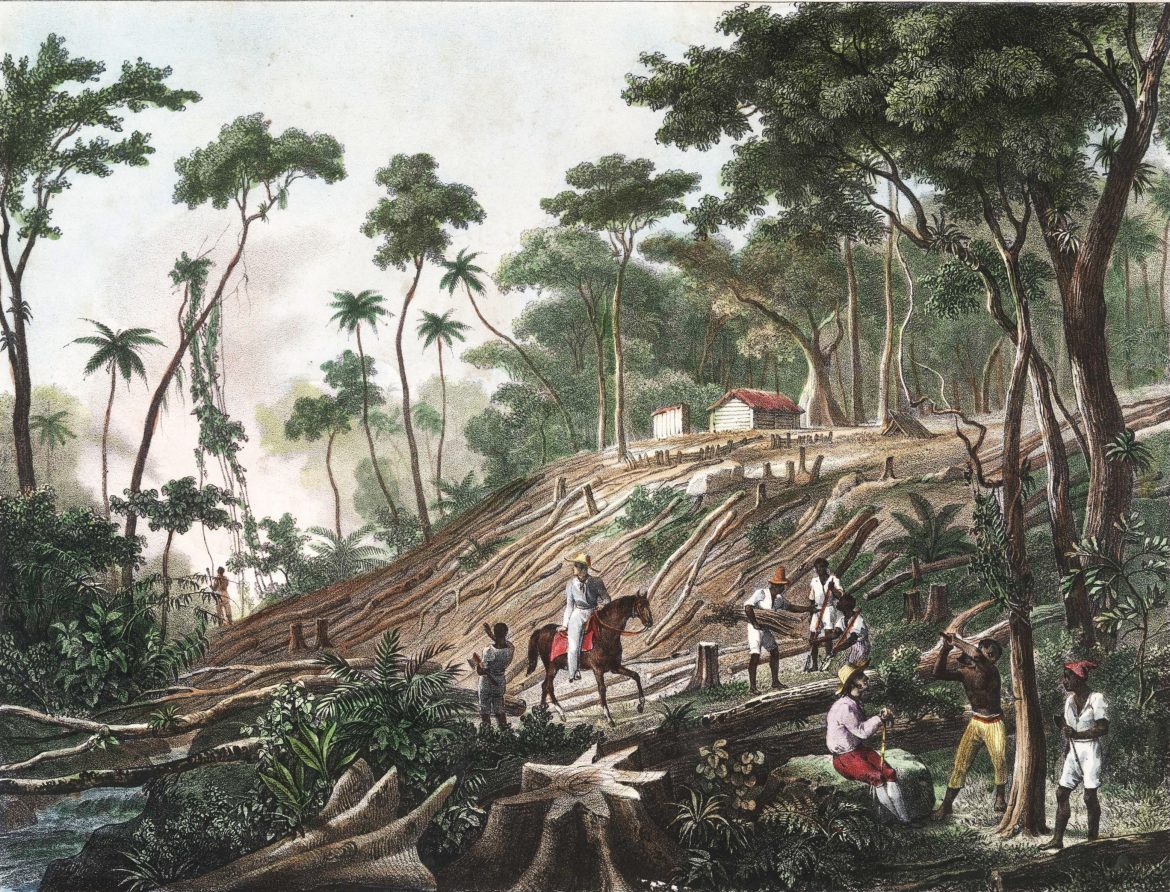
“Why is this happening? Because of land value. When land value increases based solely on zoning parameters such as increases to permitted building heights, land is purchased to generate profit. And the trees in these areas end up disappearing. There is no space left. All that’s left are schools that are borderline obsolete or bankrupt and the grounds of old clubs. And what about the city’s 2024 Master Plan, which was approved precisely to enable the use of this territory? What we’re seeing is the tip of a system that ultimately impacts trees… It will reduce the city’s biodiversity and expand heat islands. We’re living a moment very similar to when Rio’s hillsides were entirely planted with coffee and we lost all our protective forests. [Afterwards,] we had to restore them, stop cutting down trees [reforesting by planting the Tijuca Forest], something I find very difficult given the political group currently in power and the dynamics within the Chamber of Deputies.”
Despite City Hall, Rio Organizes on Behalf of Trees
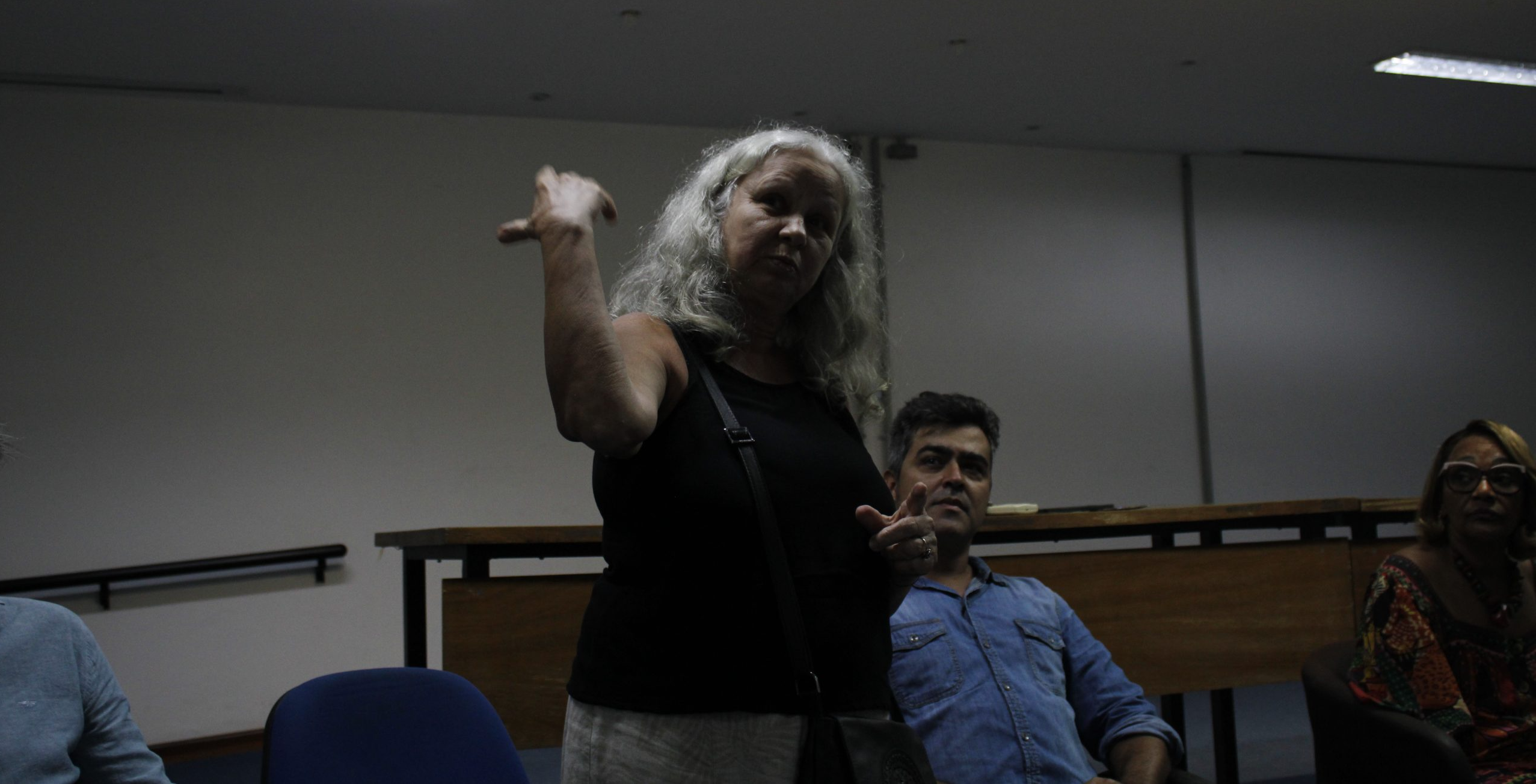
According to UniRio botanist Laura Jane, true revitalization of the city depends not only on planting compensatory saplings, but also on conducting serious studies to ensure the planting of appropriate species. The limited range of species currently being planted, often non-native, do not provide the same environmental benefits as those being lost:
“We need to preserve our native genetic stock here in Rio de Janeiro. We are bringing in [non-native species]… This is very serious in genetic terms… We cannot do anything we are discussing here with real rigor if we do not value our nurseries. We have problems with nurseries, with seeds… seed stocks are always of the same species… [Why] don’t we have information on flowering and fruiting in Rio? How are we going to plan to restore our vegetation? How are we going to manage it? We need to begin mapping and cataloging our trees and create a plan for future replacement [of saplings], so that we ensure continuity [of tree cover]. I honestly think this could also be planned neighborhood by neighborhood.”
Pedro Maia, member of the Urban Reforestation collective, also highlights the need for transparency mechanisms that are accessible to the public:
“We had [a topping case] on [Rua] Marquês de Abrantes. COMLURB was killing a tree and a resident showed up to question them and the workers got nervous. ‘Where’s the permit?’, the resident made a scene and filmed it, maybe even got a bit aggressive. We called COMLURB and they said, ‘That’s strange, because they were only supposed to look at a tree on the other side [of the street]. It had nothing to do with this one.’ So we found out that there was no permit whatsoever [authorizing the removal of that tree]. I asked the COMLURB manager and no one knew anything. This wasn’t a one-time incident. I spoke with an agent [and he said], ‘You can ask to see the permit, but you can’t take a photo.’ Why can’t we take a photo of the permit? We need transparency in this, you know? There’s a transparency law, they have to let us see documentation of what’s happening.”
In addition to all of this, in August 2023, an amendment to Article 235 of the Municipal Organic Law came into effect, allowing the concession of public green spaces, such as gardens, squares, parks, conservation units, and similar areas, to private entities. The amendment was authored by City Councilor Pedro Duarte, formerly of the Novo party and now a member of the Social Democratic Party (PSD), the same party as former Mayor Eduardo Paes and his deputy, Eduardo Cavaliere, who took over as mayor on Friday, March 20, when Paes left to run for governor. This legislative initiative represents a setback in the conservation of the city’s green spaces.
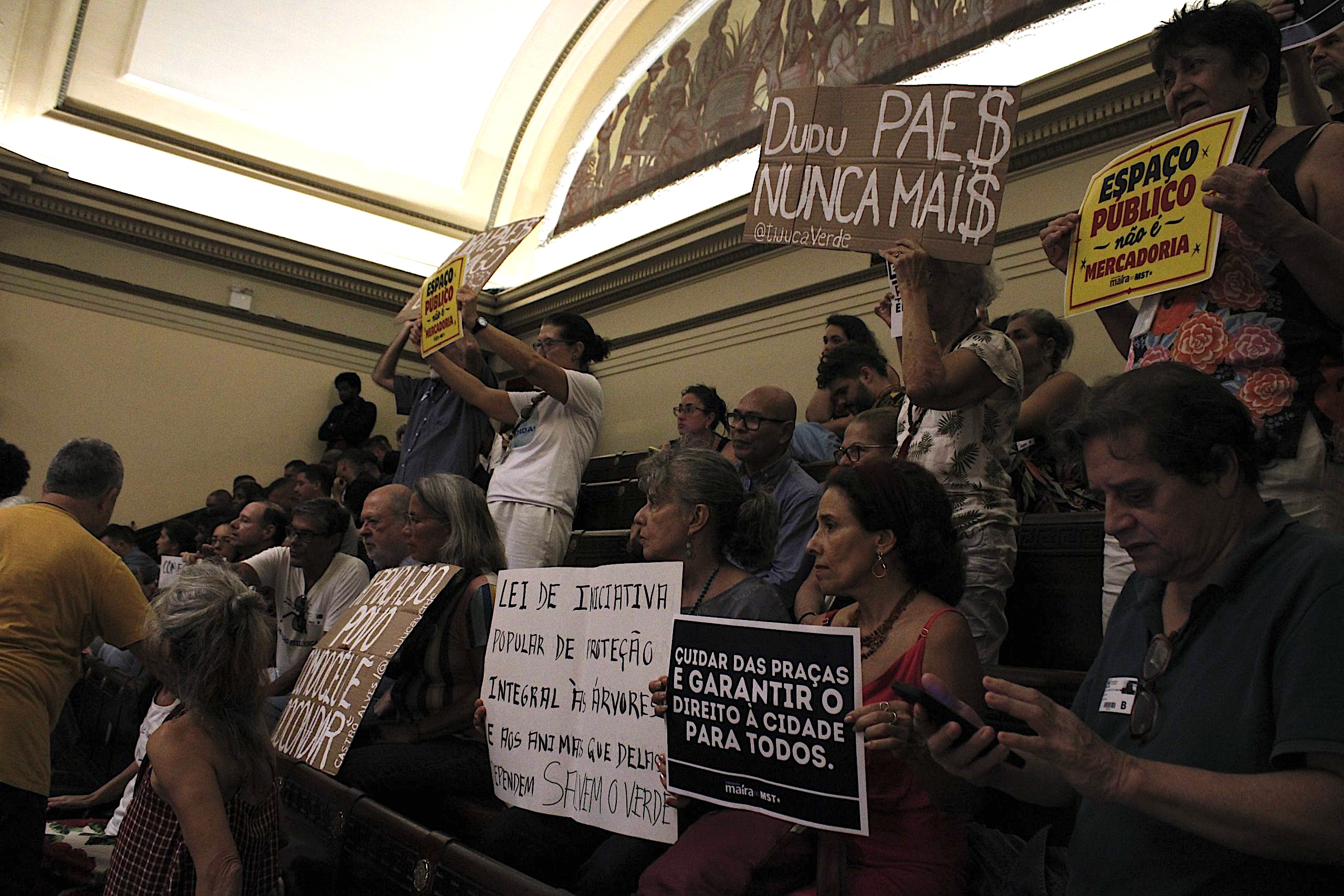
Marcelo Lemos, a member of the Living Bay Movement, explained that although the struggle to restore the city’s green spaces might take a lot of work, it is both essential and urgent:
“Rio de Janeiro’s city government is clearly focused on the governor’s race and favoring real estate capital. We suffered a defeat in the debate over the Master Plan, where they managed to raise building height limits. That’s what led, for example in Grajaú, to the felling of those 55 trees. Until last year, my grandson used to go there to play soccer. And suddenly, [that place] was gone. The same thing happened in Andaraí, which had a 193-year-old garden. Today, there are no more hummingbirds or parakeets. The neighborhood lacks [nature]. It’s an ongoing struggle.
We’re establishing an Atlantic Rainforest nursery at the Mata Verde Bonita [Indigenous Guarani] Village in Maricá, but we think that isn’t enough, because our state cannot have an agency that only produces 9,000 saplings [per year]. What we need is not only to strengthen environmental licensing, but also to revitalize programs [such as the Reforestation Collective Action, among others], including those with community support, working with schools and local residents to carry out replanting. This way, you create jobs while also producing saplings and eliminating the excuse that saplings have to be brought in from outside the state. The issue of saplings is a strategic bottleneck. We’re the ones who have to carry out replanting with native species.”
Ver essa foto no Instagram
The meeting led to the creation of the Urban Tree Front and the development of a series of strategic measures to fight tree felling and the degradation of the city’s biome.
Measures Demanded by the Urban Tree Front to Fight Tree Felling:
-
- The immediate transfer of responsibility for urban tree management from COMLURB to the Parks and Gardens Foundation, revoking the decree that implemented this change, as it goes against the public interest and compromises the technical quality of urban tree management. This measure should be accompanied by the institutional rebuilding of the Parks and Gardens Foundation, including the reinstatement of a specialized technical staff (forestry engineers, agronomists, biologists, arboriculture technicians), the resumption of the environmental patrol, the implementation of continuous preventive management, and the adoption of proper pruning techniques, especially in areas with electrical wiring.
- Restructure and strengthen municipal environmental licensing, ensuring it returns to the Municipal Secretariat of Environment and Climate, in order to prevent conflicts of interest with urban development policies. Make Environmental Impact Assessments (EIA) and Neighborhood Impact Assessments (EIV) mandatory for large-scale developments, preventing regulatory flexibility that favors developers and increases urban density without adequate environmental compensation.
- Establish full transparency in tree management and removal, requiring the publication, on the official city government website, of a list of trees scheduled for removal at least 20 days in advance, accompanied by technical reports signed by a qualified professional, detailed photographic records, substantiated technical justifications and the possibility for civil society to file administrative appeals.
- Implement a public monitoring and oversight app for urban tree cover, including georeferencing of trees, tracking their health, a reporting channel for irregular pruning and an open data platform, enabling ongoing public oversight and supporting evidence-based policymaking.
- Strengthen and fully implement the Urban Tree Planting Master Plan (PDAU), ensuring its budget is executed and creating accessible communication tools for the public, such as explanatory guides and georeferenced maps by neighborhood showing tree deficits and planting targets. Connect urban tree planting policy to the mitigation of urban heat islands and improvements in public health, facilitating engagement by youth and the wider community.
- Restore the municipal environmental budget, currently limited to about 0.5% of revenue, by establishing a progressive minimum percentage, ensuring transparency in its execution and enabling public oversight of resource allocation.
- Hold public service exams to rebuild the environmental technical workforce, including positions at the Parks and Gardens Foundation and other environmental agencies, ensuring administrative continuity, technical capacity and independence from political or economic pressures.
- Implement a municipal policy for sapling production and public nurseries, including vertical nurseries in dense urban areas, serving as genetic banks and seedbeds, prioritizing native species adapted to the local biome, creating green jobs and reducing costs with external procurement.
- Expand and structure environmental education in municipal schools, addressing the current training gap by creating practical spaces such as school gardens and nurseries, promoting partnerships with scientific institutions and ensuring that students learn about the species present in their own areas and understand the relationship between urban tree cover, climate and quality of life.
- Recognize and support community-led initiatives, such as the “Mão na Jaca” project, which has worked to protect jackfruit trees for over a decade by promoting fruit donations to vulnerable populations, managing seed dispersal to prevent uncontrolled spread and advocating for the species as an important component of the urban microclimate.
- Review policies on concessions and privatization of public spaces, particularly in light of proposals for the automatic renewal of concessions for up to 35 years, which in practice consolidate the privatization of parks and green areas. Require strict public oversight, effective contractual monitoring and broad public participation in decisions involving spaces such as Parque da Catacumba, Parque Garota de Ipanema and Buraco do Lume.
- Act in coordination with the Specialized Environmental Unit (GAEMA) of the Public Prosecutor’s Office, preparing technical dossiers on large-scale tree removals, donations of public land, contractual breaches in concessions and irregularities in tree management, with a view to initiating public civil actions whenever necessary.
- Integrate urban tree planting with city planning, addressing intensive development models that reduce open spaces and increase building density without green compensation, contributing to biodiversity loss and higher urban temperatures. Advocate revising construction parameters and protecting strategic areas.
- Hold electricity providers accountable for implementing underground wiring, preventing damage to tree roots and falls caused by conflicts between tree canopies and the electrical grid.
- Create permanent mechanisms for in-person public participation, monitoring the Rio de Janeiro Legislative Assembly (ALERJ) and the City Council‘s agenda, organizing peaceful occupations of plenary sessions during environmentally sensitive votes and strengthening public demonstrations, including large-scale mobilization during Environment Week (around June 5).
- Launch a broad petition drive for a popular legislative initiative, aiming for 500,000 to 1 million supporters, using QR-code-enabled materials and online platforms to build a strong social base for the proposed legislative changes.
How to Join the Fight for Rio’s Trees
Sign and share the petition “STOP THE EXTERMINATION OF TREES IN RIO DE JANEIRO!” by the Living Bay Movement.
Make a video hugging your tree—on the sidewalk, in the street, or in your neighborhood, with family, neighbors, or friends—and tag @artemovimentovida. Don’t forget to mention the street and neighborhood where the tree is.
About the author: Amanda Baroni Lopes is a journalism student at Unicarioca and was part of the first Journalism Laboratory organized by Maré’s community newspaper Maré de Notícias. She is the author of the Anti-Harassment Guide on Breaking, a handbook that explains what is and isn’t harassment to the Hip Hop audience and provides guidance on what to do in these situations. Lopes is from Morro do Timbau and currently lives in Vila do João, both favelas within the larger Maré favela complex.